So you’re thinking about getting an albino leopard gecko, or maybe you already have one and that nagging question popped up: are albino leopard geckos harder to take care of? The short answer is no, not really harder—but different. If you treat them exactly like a normal patterned leopard gecko, you might run into problems. Their unique needs boil down to one core issue: light sensitivity. Get that right, and you’re 90% of the way there.
I’ve kept various leopard gecko morphs for over a decade, and the albinos taught me the most about paying attention to details most care sheets gloss over.
What You’ll Learn in This Guide
The Science Behind Albinism in Leopard Geckos
Albinism isn't a disease; it's a genetic condition that affects melanin production. Melanin gives skin, scales, and eyes their color and provides some protection against ultraviolet (UV) light. In leopard geckos, there are actually several strains of albinism—Tremper, Bell, and Rainwater—each originating from different breeding lines. They all result in that beautiful lack of dark pigment, ranging from pale yellow to bright orange with pink or red eyes.
The crucial takeaway here is the lack of melanin. Think of melanin like natural sunscreen. Your albino gecko doesn't have it. This makes their skin and, more critically, their eyes significantly more sensitive to light. Their vision in bright conditions is likely different, possibly poorer, leading to discomfort.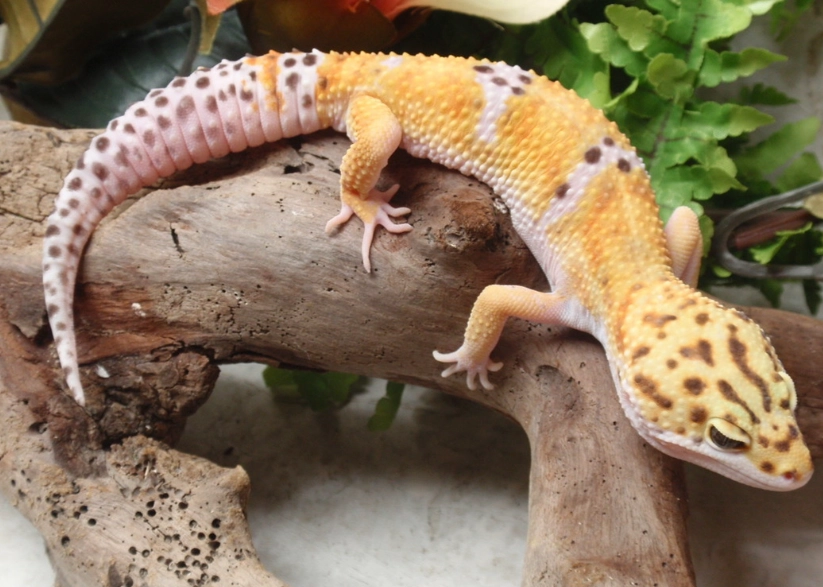
This biological fact dictates almost every adjustment you need to make.
Key Care Adjustments for Albino Leopard Geckos
Here’s where we move from theory to practice. You don't need to reinvent the wheel—heat, humidity, diet, and enclosure size remain identical to a normal leopard gecko's needs. The changes are specific and targeted.
1. Lighting: The Non-Negotiable Change
This is the biggest shift and the most common source of error.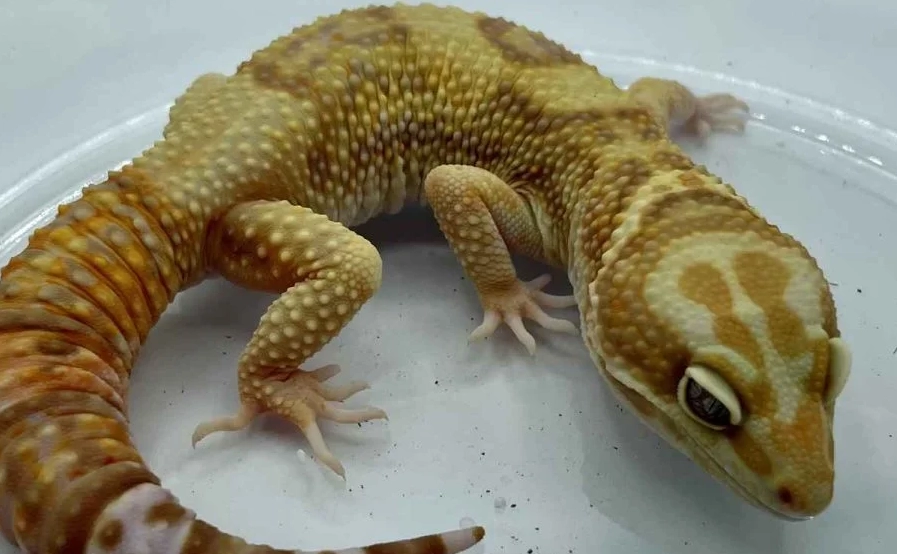
Your lighting strategy should focus on providing a gentle day/night cycle without harshness.
- Daytime Ambient Light: Use a very low-wattage, full-spectrum LED bulb placed at a distance, or better yet, rely on indirect natural light from a room (never direct sun). The goal is a “brightly lit room” feel, not a “spotlight on stage” feel.
- Heat Source: Stick with a ceramic heat emitter (CHE) or a deep heat projector (DHP) on a thermostat. These produce heat without light. Under-tank heaters (UTH) are also fine, but a overhead heat source often creates a better gradient.
- Nighttime: Total darkness. No red or blue “night bulbs.” They can still see it, and it disrupts their cycle.
I made the mistake early on with a “low-output” UVB compact bulb. My Tremper albino spent the whole week hiding, refused food, and seemed skittish. The moment I swapped it for a CHE, his behavior normalized within two days.
2. Hiding Places: Double Down on Security
Because bright light stresses them, they’ll seek shelter more aggressively. The standard three hides (warm, cool, moist) are a minimum.
Go further. Use cork bark rounds, half-logs, and dense foliage (fake or safe live plants) to create a cluttered, shaded environment. The more covered pathways they have to move between hides, the safer they’ll feel. Think of it as creating a little shaded forest floor, not an open desert vista.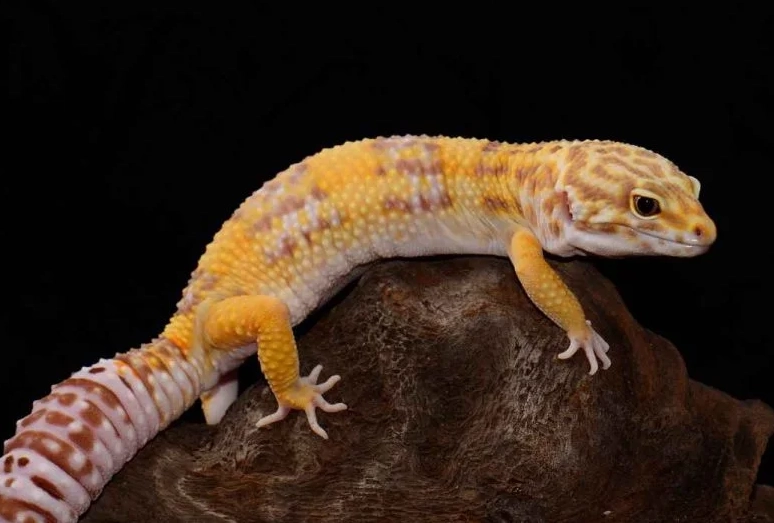
3. Substrate and Decor Considerations
Lighter substrates like paper towel, slate tile, or a sandy-colored reptile carpet can actually increase light reflection inside the tank, making it feel brighter. This isn't inherently bad, but something to be aware of.
Using a darker substrate or having plenty of dark-colored decor (cork, wood) can help absorb light and create a more visually comfortable environment for them. It’s a subtle touch that makes a difference.
Health Concerns and Debunking Myths
Let’s clear the air on some common worries.
| Concern | Reality Check | Expert Tip |
|---|---|---|
| Weaker Immune System | No direct scientific evidence supports this in leopard geckos. A poorly cared-for albino will be unhealthy, but so will any gecko. | The risk is indirect: chronic stress from improper lighting can suppress immune function. Fix the lighting, remove the stress. |
| Vision Problems | Their vision is adapted to their condition. They see well in low light but may be “blinded” or disoriented by bright light. | This is why they might seem more “startly” if you turn on a room light suddenly. Move slowly around their enclosure. |
| Skin Cancer Risk | A theoretical concern due to lack of melanin, but practically very rare in proper captive care with no UV exposure. | The biggest skin issue is retained shed, which is a humidity problem, not an albino-specific one. Ensure a proper moist hide. |
The main health issue you’ll actually encounter is photophobia-induced stress. Symptoms include prolonged hiding, refusal to eat, and frantic glass surfing when the lights are on. The fix is almost always adjusting the lighting environment.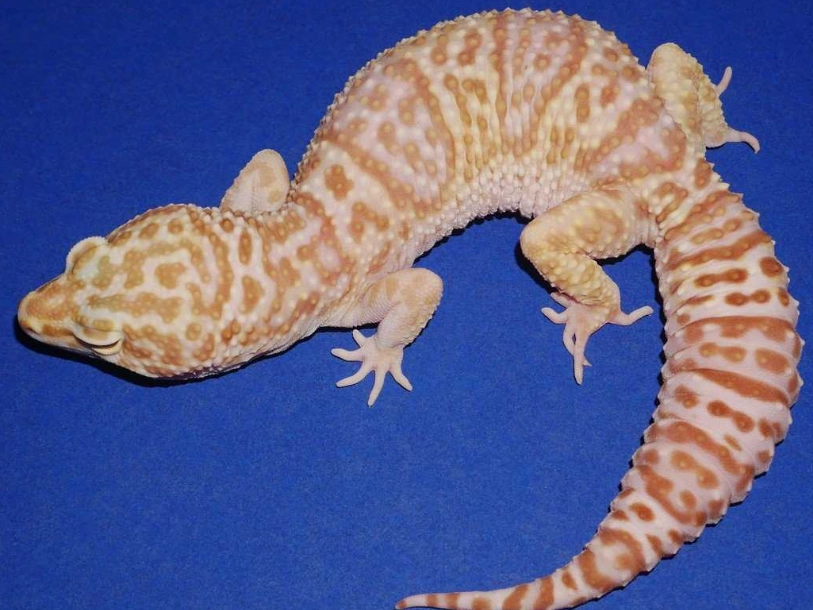
Setting Up the Perfect Habitat: A Step-by-Step Walkthrough
Let’s walk through a 20-gallon long tank setup for an albino, highlighting the critical differences.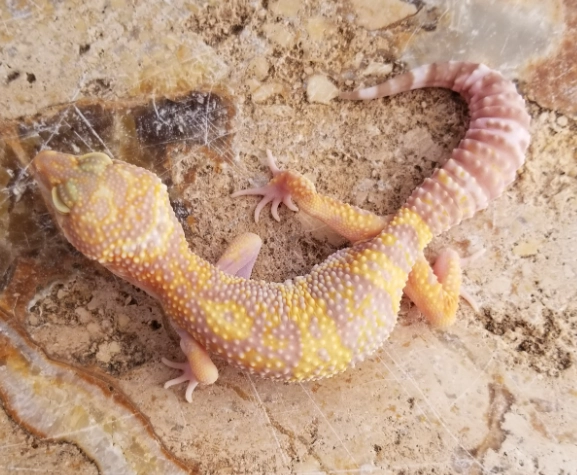
- Place the Tank: In a room with indirect natural light. Never in front of a sunny window. A bedroom or living room corner is perfect.
- Add Substrate: I prefer a mix of 70% topsoil (organic, fertilizer-free) and 30% playsand for digging enrichment, or simple slate tile for easy cleaning. Paper towel is fine for juveniles.
- Install Heat & Thermostat: Mount a ceramic heat emitter or deep heat projector on one side, connected to a reliable thermostat set to 88-90°F (31-32°C) for the warm spot. The cool side should be 70-75°F (21-24°C).
- Create the Hide Network: Place a snug warm hide directly under the heat source. Put a moist hide in the middle (with damp sphagnum moss). Place a cool hide on the far end. Now, connect them with cork tunnels and add extra clutter like fake plants.
- Set Up Ambient Light (Optional): If the room is dark, install a low-output LED strip or a 5W LED bulb on a 12-hour timer, positioned well above the screen top to diffuse the light.
- Add Food/Water Dishes: Use shallow dishes. Place the water dish on the cool side.
Feed them the same diet as any leopard gecko: gut-loaded insects like crickets, dubia roaches, and mealworms, dusted with calcium (with D3, since you’re not using UVB) and a multivitamin.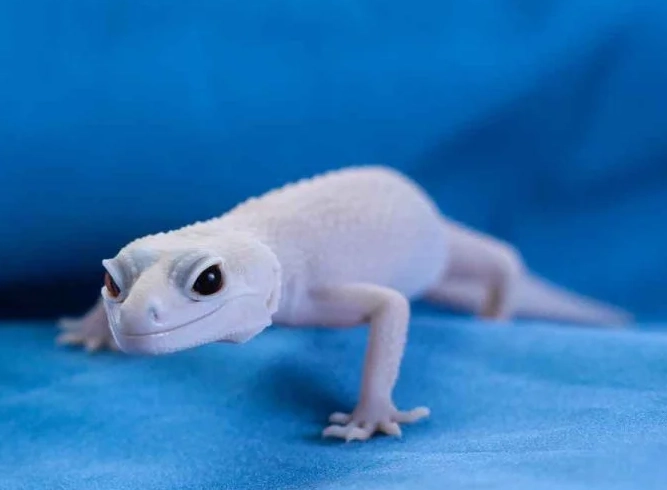
Your Albino Leopard Gecko Questions Answered
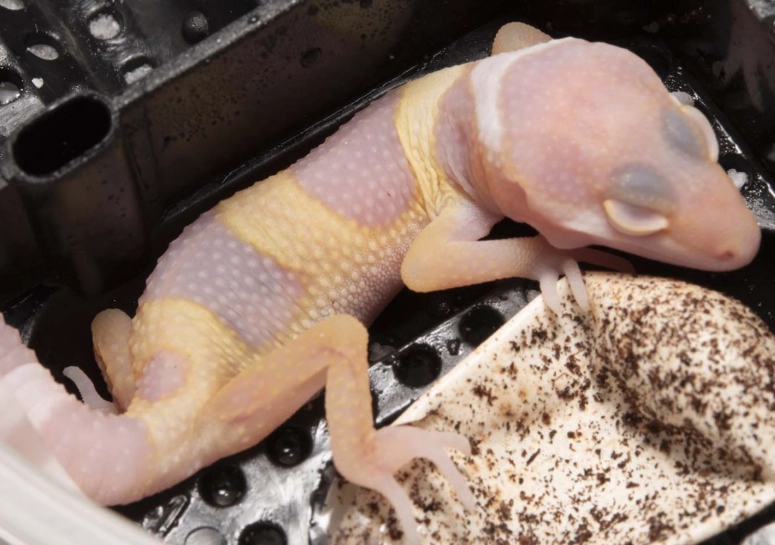
So, are they harder? Not if you understand the one rule: less light, more cover. It’s a simple adjustment that respects their biology. Once you dial in their environment, you’ll find they are just as hardy, personable, and rewarding as any other leopard gecko. The extra attention to detail makes you a more observant keeper, which is a good thing for any pet.
Reader Comments