Quick Guide
- Getting to Know the Giant: Natural History & Habitat
- The Real Deal on White Lipped Tree Frog Care
- Health, Behavior, and the Not-So-Glamorous Parts
- White Lipped Tree Frog Care Cheat Sheet
- Breeding White Lipped Tree Frogs
- Your White Lipped Tree Frog Questions, Answered (FAQ)
- Final Thoughts: Is This Frog For You?
You've probably seen the pictures. That stunning, almost neon-green frog with the brilliant white lip line, looking like it just stepped out of a rainforest fantasy. That's the white lipped tree frog (Litoria infrafrenata), and it's captured the hearts of amphibian lovers worldwide. I get it. The first time I saw one at a reputable breeder's, I just stared. The color is unreal. But here's the thing everyone thinking about getting one needs to know: it's not just a living decoration. This is a complex animal with specific needs, and its beauty comes with a responsibility that's bigger than you might expect.
Let's be real. A lot of care sheets online make it sound straightforward. They list the basics—tank size, temperature, crickets—and call it a day. But owning a white lipped tree frog is a decade-plus commitment (they can live over 10 years in captivity, easily). It's about recreating a slice of its native New Guinea and Australian rainforest home on your desk or shelf. It's about understanding their nocturnal quirks, their sensitivity, and yes, their impressive size (they're one of the largest tree frogs out there). This guide isn't just a rehash of the basics. We're going deep, covering the stuff other guides gloss over, the practical realities, and answering the questions that keep popping up in forums and vet offices.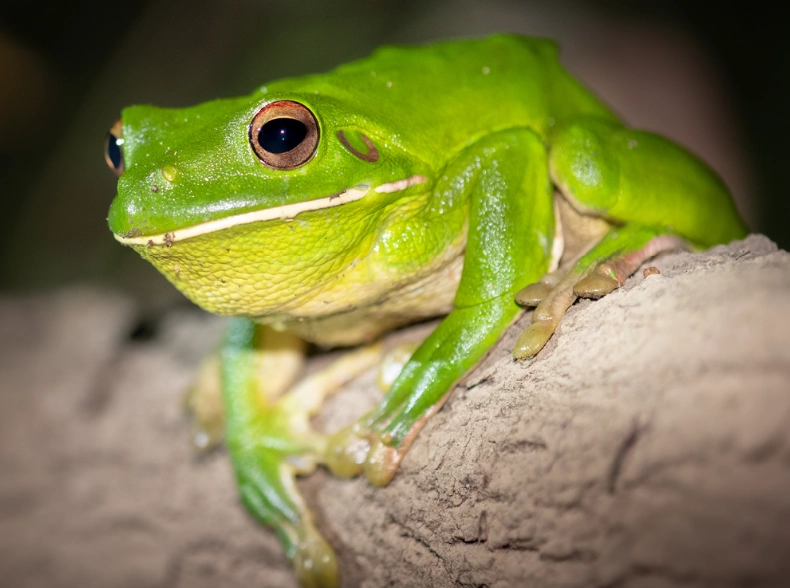
Getting to Know the Giant: Natural History & Habitat
Before you even think about a terrarium, you should know where this frog comes from. It tells you everything about what it needs. The white lipped tree frog isn't some delicate, rare cloud forest species. It's a hardy, adaptable giant from the lowland tropical rainforests and even cultivated areas like plantations in New Guinea and northern Australia. Think warm, think incredibly humid, think dense foliage and the constant sound of dripping water. This isn't a dry environment. I've seen people try to keep them in arid setups, and it never ends well for the frog.
Their size is a major talking point. Females can reach over 5 inches (13 cm) in length—that's about the size of your smartphone. Males are a bit smaller. That size, combined with their powerful, sticky toe pads, makes them impressive climbers. They don't just sit on branches; they own the entire vertical space of their enclosure. Their iconic white stripe isn't just on the lip; it runs along the lower jaw and can sometimes be seen along the flanks, creating a sharp, clean contrast against that vibrant green (though they can change to a more brownish color depending on mood and environment).
The Real Deal on White Lipped Tree Frog Care
Alright, this is the meat of it. Caring for a white lipped tree frog successfully means nailing a few non-negotiable parameters. It's less about fancy equipment and more about consistency. The biggest killer of pet amphibians isn't disease; it's improper husbandry. Let's break it down.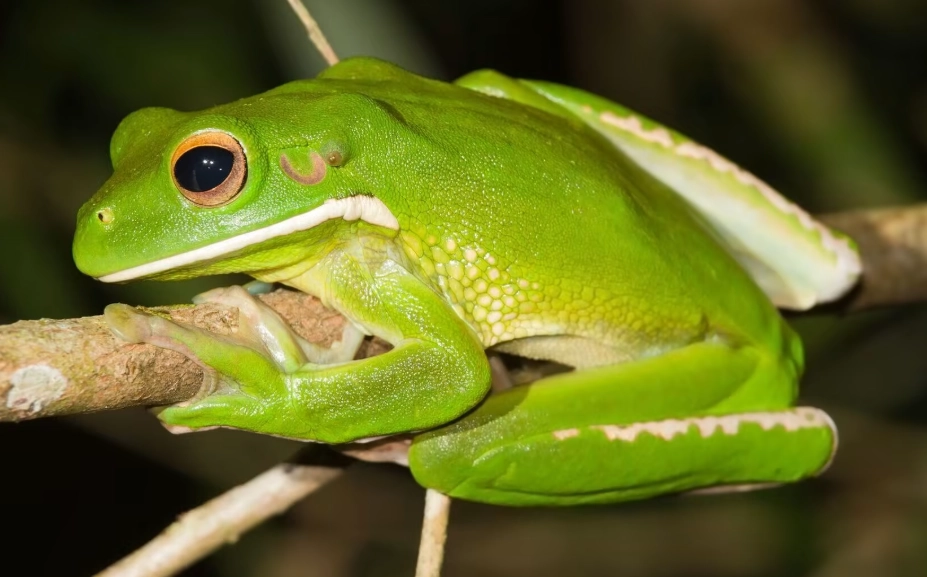
Housing: Building a Mini Rainforest
For a single adult white lipped tree frog, the absolute minimum enclosure size is a 20-gallon tall tank. But honestly? Minimums are for survival, not thriving. I'd recommend starting at 30 gallons tall for one frog, and adding more space for each additional one. They use every inch of height. The enclosure must be a front-opening terrarium or a tall aquarium with a secure, ventilated lid. These frogs are strong and can dislodge poorly fitting tops.
Substrate is crucial for maintaining humidity. You want something that holds moisture but doesn't stay soggy. A mix of coconut fiber, sphagnum moss, and orchid bark works wonders. Avoid gravel, sand, or anything they could accidentally ingest. Now, for the fun part: the plants. Live plants are fantastic. They help with humidity, air quality, and provide natural hiding spots. Pothos, Philodendron, and sturdy Bromeliads are nearly indestructible in a warm, humid terrarium. Fake plants work too, but make sure they're smooth and non-abrasive.
You'll need a large, shallow water dish for soaking. Change this water daily with dechlorinated water (tap water conditioner for fish works). The real humidity magic, though, comes from a combination of manual misting and potentially an automatic misting system. You're aiming for 70-80% humidity at all times. A digital hygrometer is your best friend here—don't rely on guesswork.
Heating and Lighting: It's Not Just About Warmth
White lipped tree frogs need a temperature gradient. A basking area (created with a low-wattage heat bulb or a ceramic heat emitter on a thermostat) should be around 80-85°F (27-29°C) during the day. The cooler end of the tank can drop to the low 70s°F (21-23°C). At night, a slight drop is natural and beneficial, but don't let it go below 68°F (20°C).
Here's a common mistake: thinking they don't need special lighting because they're nocturnal. While they don't have the same strict UVB requirements as a bearded dragon, low-level UVB lighting (like a 5.0 or 2.0 UVB bulb) is increasingly recommended by herpetologists. It helps with calcium metabolism and overall well-being, mimicking the filtered sunlight they'd experience in the wild. A regular day/night cycle of about 12 hours on, 12 hours off is important for their rhythm.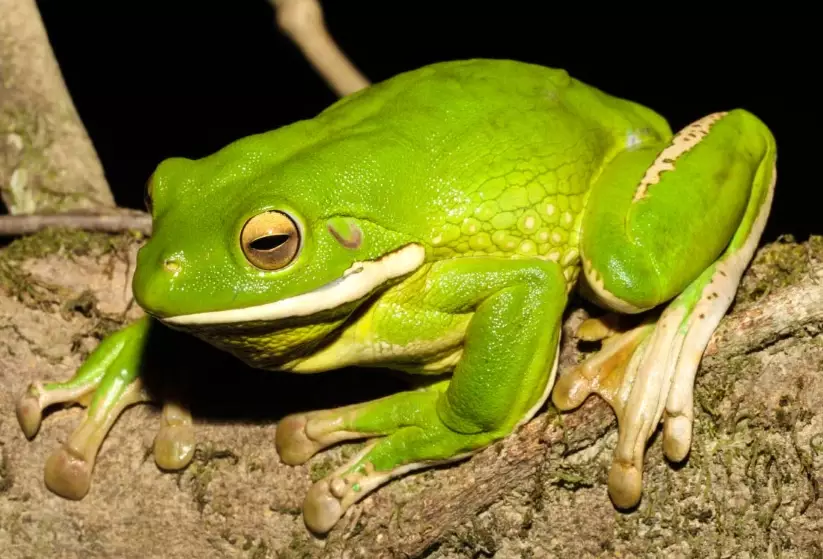
"Providing low-level UVB to nocturnal amphibians is no longer considered optional by advanced keepers. It supports vital physiological processes we are only beginning to fully understand." – This reflects a growing consensus seen in resources from places like AmphibiaWeb, a respected scientific database.
Diet: The Powerhouse Eater
Remember, this is a large, active frog. Its diet needs to match. Crickets are the staple, but a varied diet is key to health. You can and should offer:
- Dubia roaches (an excellent, nutritious feeder)
- Earthworms (nightcrawlers)
- Occasional waxworms or silkworms as treats (not staples—too fatty)
Juveniles should be fed daily, while adults can be fed every other day or 3-4 times a week. A good rule of thumb is to offer as many appropriately-sized insects as the frog will eat in 15-20 minutes. The prey should be no wider than the space between the frog's eyes.
This next part is non-negotiable: gut-loading and dusting. Gut-loading means feeding your feeder insects nutritious food (like commercial gut-load diet, veggies, and oats) 24-48 hours before offering them to your frog. This passes nutrients on. Dusting means lightly coating the insects with vitamin and mineral powders right before feeding. You'll need two supplements: a high-quality calcium powder (with vitamin D3 if you are NOT using UVB lighting, and without D3 if you ARE using UVB), and a multivitamin powder. A common schedule is calcium at most feedings and multivitamin once or twice a week.
Health, Behavior, and the Not-So-Glamorous Parts
Let's talk about health. A healthy white lipped tree frog is alert (at night), has clear eyes, smooth skin, and a plump but not obese body. They should climb with ease. Common health issues usually trace back to husbandry:
- Red-Leg (Bacterial Dermatosepticemia): A serious bacterial infection often signaled by pinkish-red skin on the belly and legs. Caused by poor water quality or dirty conditions. Needs immediate veterinary treatment with antibiotics.
- Fungal Infections: Appear as fuzzy white or gray patches on the skin. Often a sign of humidity being too high without sufficient ventilation. Requires vet-prescribed antifungal treatment.
- Parasites: Internal parasites can cause weight loss and abnormal droppings. A fecal exam by an exotic vet is the only way to diagnose and treat them.
Finding a vet before you get the frog is crucial. Not all vets see exotics, and even fewer are experienced with amphibians. The Association of Reptilian and Amphibian Veterinarians (ARAV) has a find-a-vet tool that is invaluable.
Behaviorally, these are not cuddly pets. They are for observation. They are nocturnal, so they'll be most active after you turn the lights off. During the day, they'll find a favorite hide and sleep. They can be skittish and may jump frantically if startled. This is why a front-opening tank is better—reaching in from above mimics a predator. With incredibly gentle and consistent interaction (like during tank cleaning), some may become less nervous, but they will never seek out handling.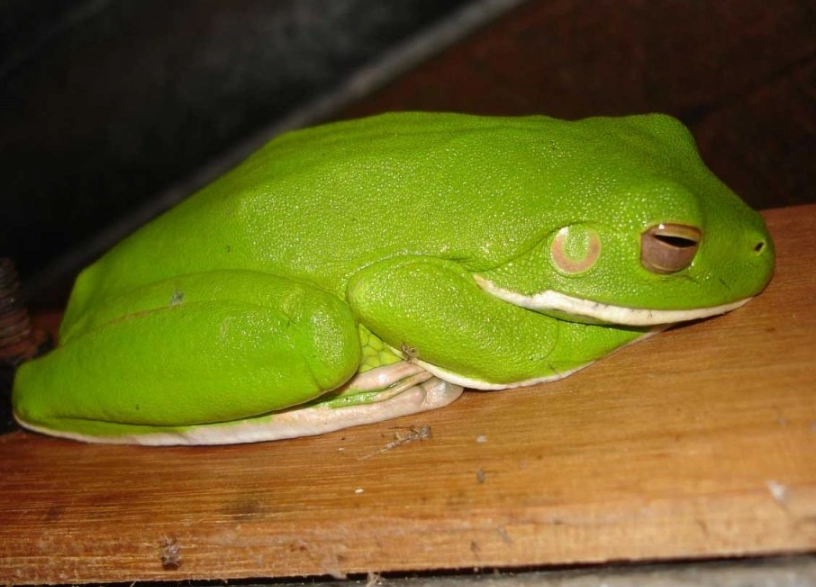
White Lipped Tree Frog Care Cheat Sheet
| Aspect | Requirement | Why It Matters |
|---|---|---|
| Enclosure Size | Min. 20 gal tall per frog, 30+ gal preferred | They are large, active climbers needing vertical space to exercise and thermoregulate. |
| Temperature | Basking: 80-85°F (27-29°C), Cool end: low 70s°F (21-23°C) | Essential for digestion, immune function, and overall metabolism. A gradient lets them choose. |
| Humidity | 70-80% consistently | Prevents fatal dehydration, aids in skin shedding (they eat their shed skin!), and supports respiratory health. |
| Diet | Varied insects (crickets, roaches, worms), gut-loaded & dusted | Prevents nutritional deficiencies like Metabolic Bone Disease (MBD). Variety mimics natural diet. |
| Lighting | Low-level UVB (5.0/2.0) recommended, 12hr day/night cycle | UVB aids in calcium absorption; a consistent cycle reduces stress and regulates behavior. |
| Substrate | Moisture-retaining (coco fiber, moss, bark) | Holds humidity, is soft for landing, and is safe if accidentally ingested during feeding. |
Breeding White Lipped Tree Frogs
This is advanced husbandry and not something a first-time owner should attempt. It requires simulating a rainy season through increased misting and rain chamber use, and having a separate, large breeding tank with a water area. The eggs are laid in still water, and the tadpoles are herbivorous, requiring a different setup entirely. If you're interested in conservation-oriented breeding, connecting with established breeders through societies like the Frog Forum community is the best first step.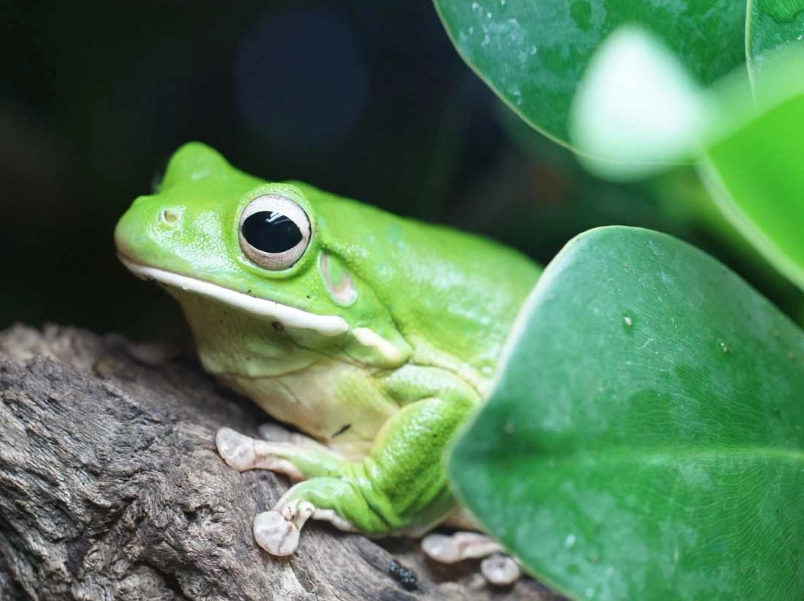
Your White Lipped Tree Frog Questions, Answered (FAQ)
I read forums constantly. These are the questions people really ask.
Are white lipped tree frogs poisonous?
This is a huge source of confusion. They are not dangerously poisonous to humans like some tropical frogs (e.g., Poison Dart Frogs). However, like many amphibians, they have mild skin secretions that can be irritating if they get into your eyes, mouth, or an open wound. Always wash your hands thoroughly with soap and water before and after any contact with the frog or its habitat. This protects you and, more importantly, protects the frog from oils, lotions, or chemicals on your skin.
How long do white lipped tree frogs live?
With excellent care, 10 to 15 years in captivity is common. Some have been reported to live even longer. This is a long-term pet, comparable to a cat or dog in lifespan. It's a commitment.
Can I keep more than one together?
You can, but with major caveats. They are not social animals. They can be housed in groups (always monitor for aggression), but you must provide enough space—a much larger tank—and multiple feeding stations to prevent competition. Never house two males that are similar in size in a small tank, as they may fight. A female-only group or a pair (1 male, 1 female) in a spacious, well-designed terrarium can work.
What's the difference between White's tree frogs and white lipped tree frogs?
Great question! They are different species often confused by beginners. White's tree frogs (Litoria caerulea) are from Australia, are a chunkier, bluish-green or mint green, have a docile reputation, and lack the defining white lip stripe. White lipped tree frogs are from New Guinea/Australia, are a brighter, lime green, are larger and more slender, are more skittish, and of course, have that bold white stripe. Their care is similar, but white lippeds generally need higher humidity.
My frog isn't eating. What's wrong?
First, don't panic. They can go off food for short periods, especially if recently moved or if parameters are off. Run through this checklist: Are temperatures correct? Is humidity right? Are you offering the right size and type of prey? Has anything in the environment changed (new decor, loud noises)? If everything seems perfect and the fast lasts more than 7-10 days, or if the frog is losing weight, a vet visit is in order to check for parasites or other illness.
Final Thoughts: Is This Frog For You?
The white lipped tree frog is an undeniably magnificent animal. It's a living jewel. But it's a pet for a specific kind of person: someone who gets joy from creating and maintaining a tiny ecosystem, who enjoys observing more than interacting, and who is committed to a decade of precise, daily care. It's not a cheap pet to set up correctly (tank, lighting, heating, misting system, vet fund), and it requires a dedicated space in your home.
If you're willing to invest the time, money, and attention to detail, the reward is unparalleled. There's nothing like turning on a red night-viewing light and watching this graceful giant stalk a cricket across a leaf, or seeing it peacefully soaking in its water dish, a perfect piece of the rainforest in your care. But if your life is unpredictable, or you want a pet you can hold, this might not be the right fit. There are other, more forgiving frogs out there.
Do your research, get your setup running perfectly for a few weeks before you get the frog, and connect with the community. Check out the conservation status of wild populations on the IUCN Red List (they are currently listed as Least Concern, but habitat loss is a threat). Always, always source your frog from a reputable, captive-breeder. Wild-caught individuals are often stressed, carry parasites, and their collection can harm natural populations.
Good luck! It's a fascinating journey into the world of advanced amphibian keeping.
Reader Comments