You've got your new leopard gecko, its tank is set up, and now you're holding a tub of crickets thinking... now what? Getting the diet right is the single most important thing you'll do for your pet's health and longevity. I've seen too many geckos with soft bones or stuck in a "mealworm only" rut because their owners followed outdated advice. Let's fix that.
Feeding a leopard gecko isn't complicated, but there are nuances most care sheets gloss over. It's not just about throwing insects in the tank. It's about variety, timing, and a white powder that's more important than you think.
Your Quick Feeding Roadmap
What Do Leopard Geckos Eat? (Hint: Not Salad)
Leopard geckos are insectivores. That means only insects. No fruit, no veggies, no meat. Their entire digestive system is built to process chitin and insect protein. The goal is to mimic the variety they'd find hunting in the wild.
Here’s the breakdown of your main feeder options. I personally prefer a rotation between two staples to keep things interesting and nutritious.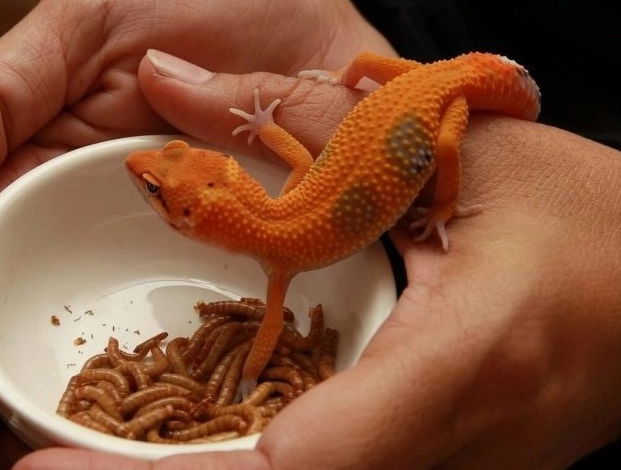
| Feeder Insect | Best For | Nutrition Notes | My Take |
|---|---|---|---|
| Dubia Roaches | Staple feeder for all ages | High protein, low fat, excellent calcium ratio. Easy to digest. | My top recommendation if they're legal in your area (check local laws). They don't jump, smell, or make noise. |
| Crickets | Staple feeder, encourages hunting | Good protein, moderate fat. Must be gut-loaded well. | The classic choice, but they die quickly and can bite your gecko if left uneaten. Buy small quantities. |
| Mealworms | Convenient staple, good for weight gain | Higher in fat and chitin (hard shell). Lower in protein than roaches. | Fine as part of a rotation, but an exclusive diet can lead to obesity and impaction risk. Don't rely solely on these. |
| Black Soldier Fly Larvae (Calciworms/BSFL) | Juveniles, calcium boost | Naturally high in calcium, low in fat. Small size. | A fantastic supplemental feeder. Their high calcium content is a huge plus for growing geckos. |
| Waxworms / Butterworms | Treats only | Extremely high in fat. Like gecko candy. | Use sparingly! Once a week max, as a reward or for underweight geckos. Highly addictive. |
Size matters. A good rule is the insect should be no wider than the space between your gecko's eyes. For a baby gecko, that means pinhead crickets or small mealworms. An adult can handle large roaches or crickets.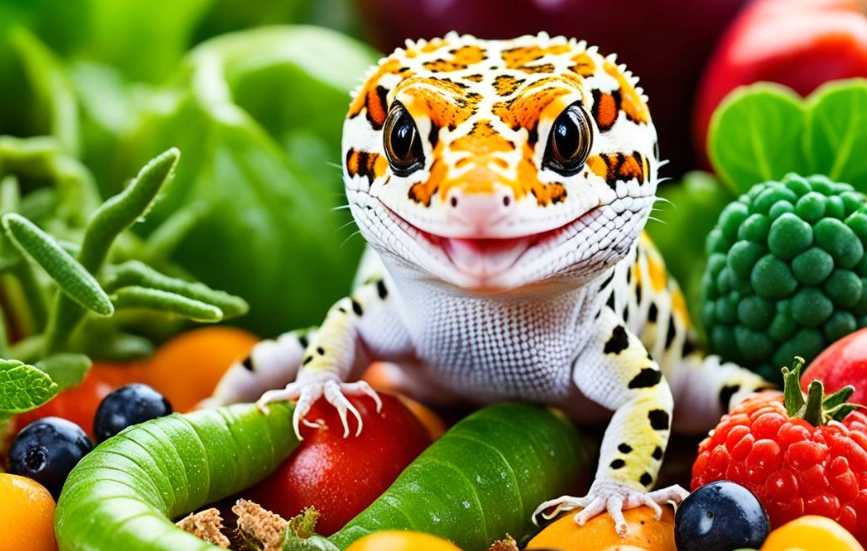
How Often Should You Feed Your Leopard Gecko?
This isn't a set-it-and-forget-it schedule. It changes as they grow.
Babies & Juveniles (0-12 months): These guys are growing machines. Offer appropriately sized insects every day, or at minimum 5-6 days a week. Let them eat as many as they want in a 10-15 minute session. You'll be surprised how much they can pack away.
Adults (12+ months): Metabolism slows down. Feeding every day will make them fat. I feed my healthy adults every other day, or 3-4 times a week. A good portion is 5-8 appropriately sized insects per feeding. Watch their tail. The base of the tail should be plump, but not bulbous. If it starts looking skinny, feed more. If the gecko gets a pear-shaped body, feed less.
Best time to feed? Dusk or evening. They're crepuscular, most active at dawn and dusk. Feeding in the evening aligns with their natural hunting instincts.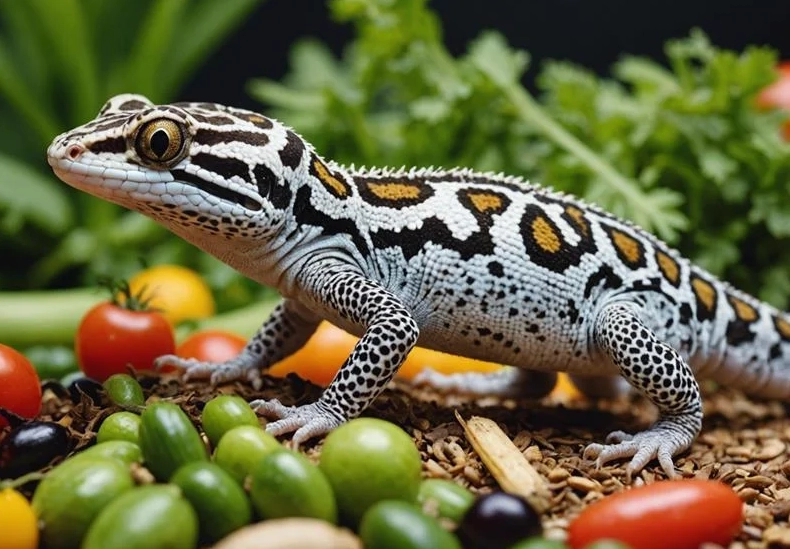
The Supplement Game: Calcium, D3, and Vitamins
This is where most beginners drop the ball. Insects alone don't have all the nutrients a captive gecko needs. In the wild, they'd get a broader mineral profile from consuming a variety of prey in mineral-rich soils. In a tank, we have to provide it.
You need two powders:
- Calcium with Vitamin D3: This is your main dusting powder. Vitamin D3 is crucial for calcium absorption. Since they're in a tank with artificial light (even with a proper heat source), they often can't synthesize enough D3 on their own.
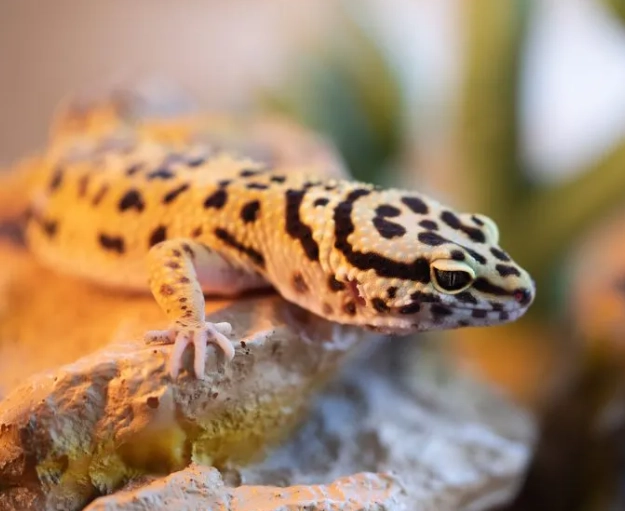
- Multivitamin: This provides Vitamin A (essential for eye and skin health), other B vitamins, and trace minerals. A common issue I see is geckos with eye problems or difficulty shedding due to Vitamin A deficiency.
A Simple Dusting Schedule
Don't overcomplicate it. For a beginner with a healthy gecko:
- Juveniles: Dust insects with Calcium + D3 at almost every feeding. Use the Multivitamin once or twice a week.
- Adults: Dust with Calcium + D3 2-3 feedings per week. Use the Multivitamin once a week.
How to dust? Put a pinch of powder in a bag or container with the insects, shake gently until they're lightly coated—think powdered sugar, not batter-dipped. Feed them immediately.
Gut Loading: You Are What Your Food Eats
This is the secret step that elevates your gecko's diet from good to great. Gut loading means feeding your feeder insects highly nutritious foods 24-48 hours before you feed them to your gecko. The nutrients transfer to your pet.
What should you gut load with? Think colorful vegetables and high-quality grains.
I keep a mix of organic sweet potato, carrots, squash, oats, and leafy greens (like dandelion greens or collard greens) for my roaches and crickets. Avoid iceberg lettuce and citrus fruits—they're mostly water with little nutritional value.
A well-gut-loaded cricket is a vitamin-packed meal. A starving cricket is an empty shell.
Top 3 Feeding Mistakes I See All the Time
Let's cut to the chase and fix the common errors before you make them.
Mistake #1: The "Mealworm-Only" Diet. It's easy. They last forever in the fridge. But it's nutritionally incomplete and fatty. Rotate your feeders. Your gecko's health will show the difference.
Mistake #2: Skipping Supplements. "My gecko looks fine." Metabolic Bone Disease (MBD) is a slow, creeping killer. By the time you see symptoms—tremors, soft jaw, bent limbs—the damage is severe. Consistent, light dusting prevents this entirely.
Mistake #3: Leaving Uneaten Live Prey in the Tank. Crickets and mealworms can turn on your gecko, especially at night, and nibble on them causing stress and injury. Always remove any uneaten insects after 15-20 minutes. This also keeps your tank cleaner.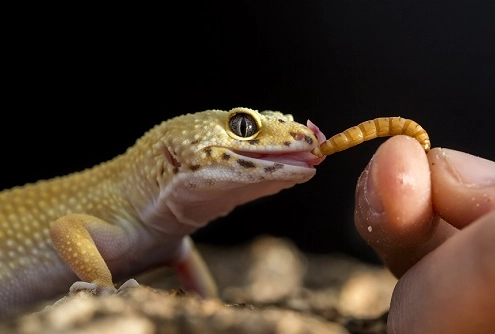
Your Leopard Gecko Feeding Questions, Answered
Feeding your leopard gecko properly is a commitment, but it's a simple one once you get the rhythm down. Focus on variety, dust lightly but consistently, and pay attention to your gecko's body condition. That plump, happy tail and those bright, alert eyes will tell you you're doing it right. For more detailed husbandry standards, organizations like the Association of Reptilian and Amphibian Veterinarians (ARAV) provide science-backed care resources. Now go enjoy watching your little predator hunt.
Reader Comments