You see them in pet stores all the time. Small, spotted, and often curled up in a hide. Leopard geckos have this reputation as the "perfect beginner reptile." And for good reason—they're hardy, handleable, and don't need a rainforest in your living room. But that label does them a disservice. It makes people think they're simple, almost like a pet rock that eats crickets. After keeping and breeding them for over a decade, I can tell you they're complex, curious little creatures with personalities as distinct as their patterns. Getting the basic leopard gecko facts right is the difference between a pet that merely survives and one that truly thrives.
Let's move past the generic care sheet and talk about what it really takes.
What's Inside?
The Core Leopard Gecko Facts: Origins & Biology
First, a quick identity check. Leopard geckos (Eublepharis macularius) are ground-dwelling lizards from the arid, rocky grasslands of Afghanistan, Pakistan, and parts of India. They're crepuscular, meaning most active at dawn and dusk. This is a key fact—they don't need blazing desert sun all day, but they do appreciate a gentle day/night cycle.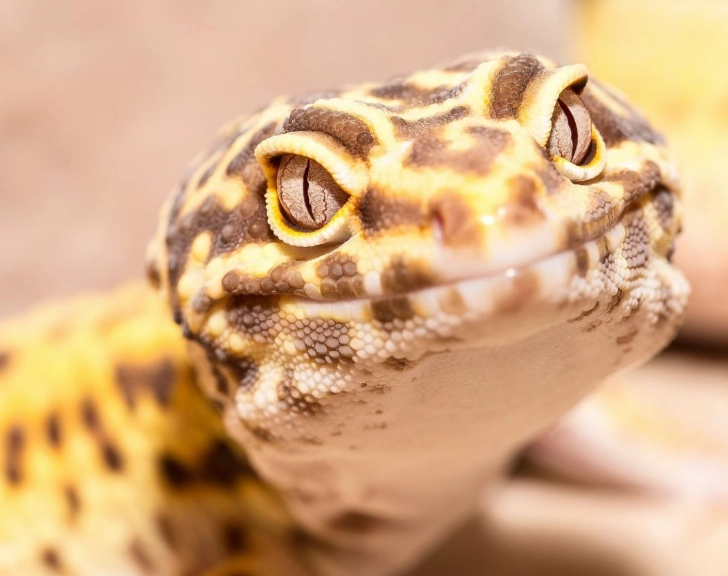
Unlike many geckos, they have movable eyelids (so they can blink!) and lack the sticky toe pads for climbing glass. They're built for the ground. Their famous tail is a fat storage unit. A plump tail equals a healthy gecko. A skinny tail is a major red flag. They can live a surprisingly long time—15 to 20 years with great care. That's a longer commitment than most dogs.
One of my favorite leopard gecko facts is their vocalizations. They squeak, chirp, and even bark when startled or during disputes. It's a subtle sound, easy to miss. The first time I heard one of my females make a soft chirp while exploring, it completely changed how I saw them. They're not silent statues.
Setting Up a Leopard Gecko Tank: The 4 Non-Negotiables
Here's where most first-time owners get tripped up. They buy a "starter kit" that's often inadequate. Think of their enclosure not as a cage, but as a slice of their native environment. The goal is to create choices for them: warm or cool, moist or dry, hidden or visible.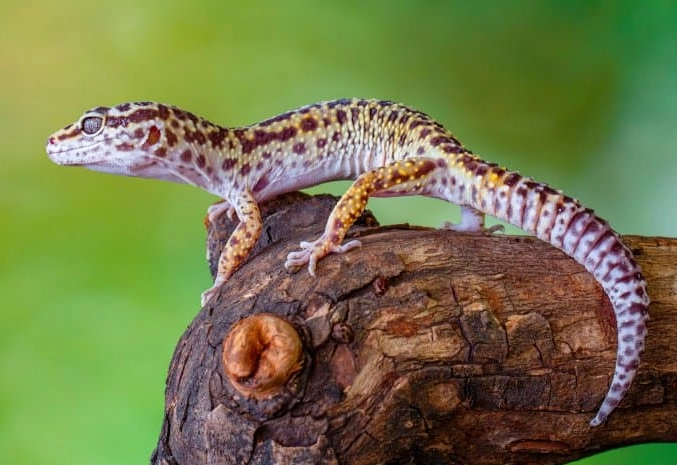
1. Space & Security: The Tank Itself
A 20-gallon long tank (30" x 12" x 12") is the absolute minimum for one adult. I recommend 36" or 40" front-opening enclosures. Front-opening is a game-changer for trust-building—you're not reaching down from above like a predator. More space means you can create a proper temperature gradient, which is non-negotiable for their health.
2. The Heat Gradient: Not Just a Warm Spot
This is the most common mistake I see. You need a distinct gradient:
- Warm side: 88-92°F (31-33°C) on the floor under the hide. Use an under-tank heater (UTH) regulated by a thermostat. Belly heat is crucial for digestion.
- Cool side: 70-77°F (21-25°C).
- No heat at night unless your room drops below 65°F (18°C). A slight dip is natural.
Forget heat rocks. They cause burns. A UTH on a thermostat is safe and effective. I use a simple on/off thermostat for mine—it's reliable and cheap.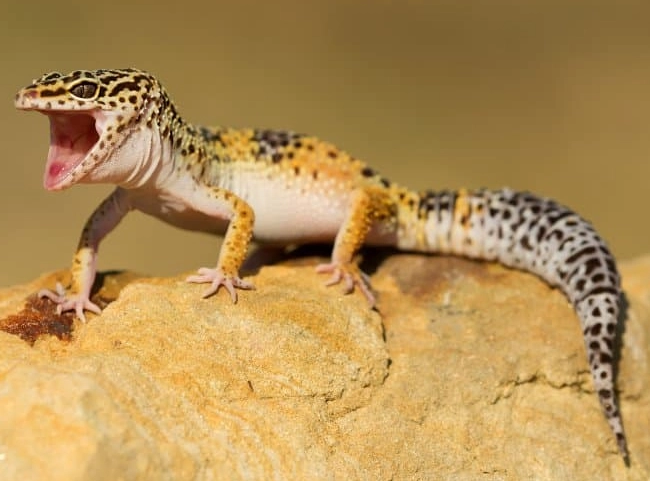
3. The Hide Trio: Essential for Mental Health
At minimum, you need three hides:
- A warm, dry hide placed over the UTH.
- A cool, dry hide on the opposite end.
- A humid hide in the middle or on the cool side. This is a hide filled with damp (not wet) sphagnum moss or paper towels. It's critical for proper shedding. Without it, they can get "stuck shed," especially on their toes, which can lead to loss of digits.
4. The Floor: The Great Substrate Debate
This topic causes more arguments than anything else. Let's be practical.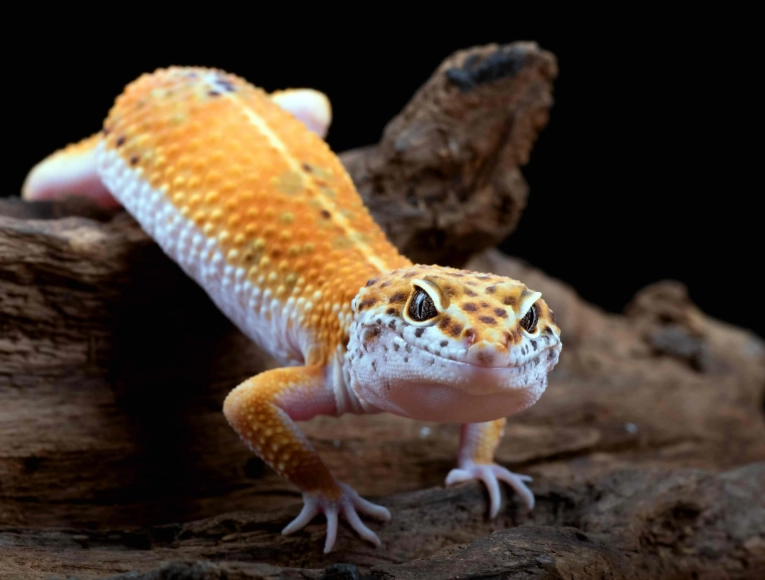
| Substrate Option | Pros | Cons & Notes | Best For |
|---|---|---|---|
| Paper Towel / Tile | Safe, hygienic, easy to clean. Zero risk of impaction. | Looks sterile. Doesn't allow digging. | Beginners, quarantine, sick geckos. |
| Reptile Carpet | Reusable, safe from impaction. | Can harbor bacteria if not washed frequently. Toes can snag. | Beginners who want a simple look. |
| 70/30 Topsoil/Playsand Mix | Natural, allows digging enrichment. | Risk of impaction if husbandry (heat, diet) is poor. Must be spot-cleaned. | Experienced keepers with adult geckos. |
The one to avoid completely is pure calcium sand or pure fine sand. It's marketed for them, but it's dangerous. They can ingest it while hunting, it clumps in their gut, and causes fatal impaction. I learned this the hard way with my first gecko years ago—a vet visit and a lot of worry over a completely preventable issue.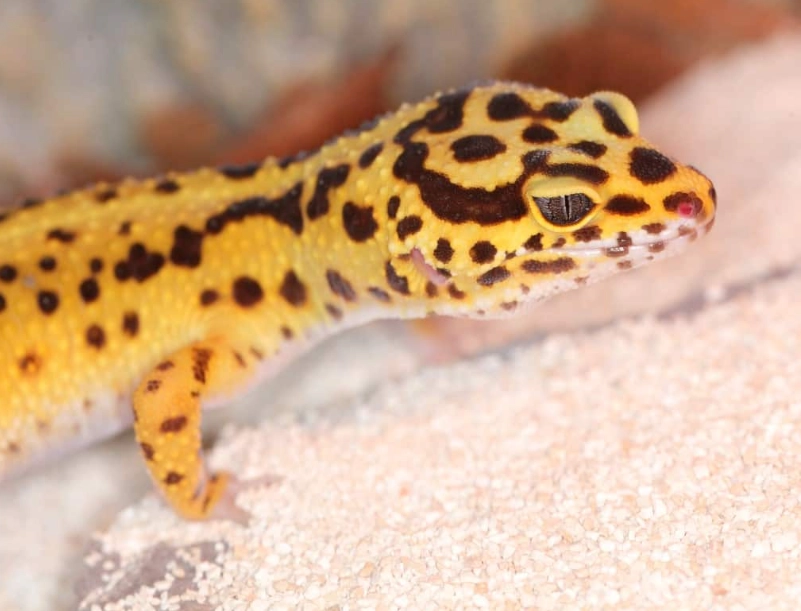
Feeding Your Leopard Gecko: It's Not Just Crickets
Variety isn't just the spice of life; it's the foundation of good nutrition. Crickets are a staple, but a diet of only crickets is like you eating only rice.
Staple Feeders: Crickets, dubia roaches, discoid roaches. Roaches are superior—more meat, less chitin, they don't jump, and they're quieter.
Treat Feeders: Mealworms, superworms (for adults), waxworms (extremely fatty, use like candy), hornworms (great for hydration).
Here's the critical part everyone messes up: gut-loading and supplementation. You must feed your insects nutritious food (carrots, sweet potato, commercial gut-load) 24-48 hours before feeding them to your gecko. A hungry cricket is a hollow shell.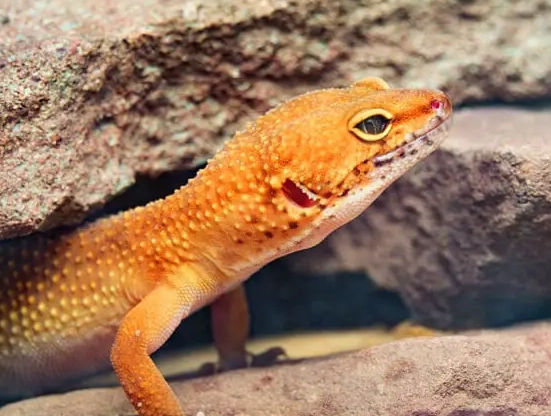
Then, you dust them. I use a simple schedule:
- Calcium WITHOUT D3: Light dusting on most feedings (if using UVB light).
- Calcium WITH D3: Light dusting once a week (or if no UVB light is provided).
- Multivitamin: A light dusting once every other week.
Over-supplementing, especially with D3, can be as harmful as under-supplementing. More powder ≠ more love.
Reading Their Health & Quirky Behavior
Leopard geckos communicate through behavior. A gecko that's always in the cool hide might be too hot. One that's glass surfing constantly is stressed.
Shedding: It's Not Just Growing
They eat their shed. It's normal and provides nutrients. Before shedding, they turn a milky, grayish color (their eyes too), then clear up. Ensure your humid hide is moist during this time. If you see stuck shed, especially on toes or eyes, don't pull it off. Provide a warm, shallow sauna (tupperware with damp paper towels and air holes) for 15 minutes, then gently rub with a damp q-tip.
Common Health Signs
Good: Clear eyes, plump tail, active at dusk, healthy appetite, regular bowel movements (white urate + dark feces).
Warning: Lethargy during evening hours, thin tail, sunken eyes, dragging back legs (often a calcium deficiency sign), not eating for weeks, runny or discolored stools.
Metabolic Bone Disease (MBD) from calcium deficiency is tragic and preventable. It causes soft, rubbery jaws, bent limbs, and tremors. If you see this, it's an immediate vet emergency.
Find a vet before you have an emergency. Look for an Association of Reptilian and Amphibian Veterinarians (ARAV) member in your area.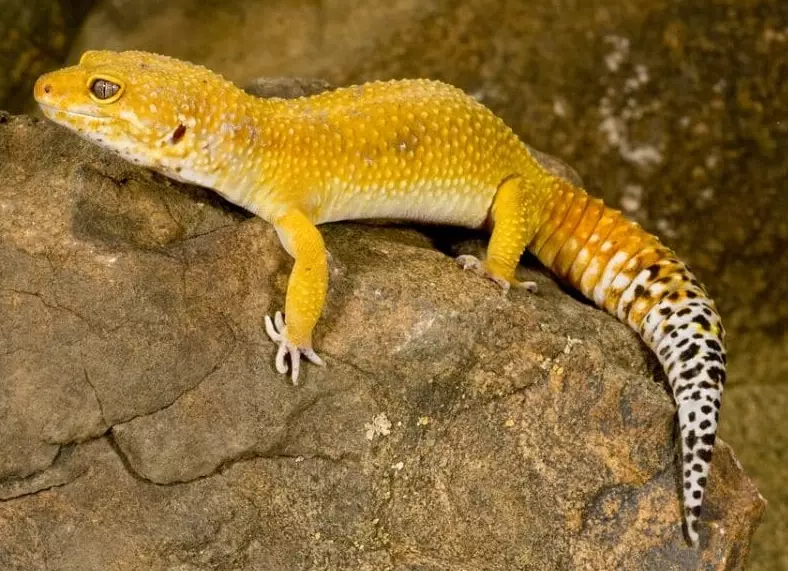
Reader Comments