Your Quick Guide to Fat Tailed Gecko Care
- So, What Exactly Is a Fat Tailed Gecko?
- Choosing Your Gecko: Wild-Caught vs. Captive-Bred
- Setting Up the Perfect Home: The Tank
- Feeding Your Fat Tailed Gecko: It's Not Just Crickets
- Handling and Temperament
- Health Issues: What to Watch For
- Common Questions (The Stuff You Actually Google)
- The Real Cost (The Part Breeders Don't Highlight)
Let's be honest. You're probably looking at pictures of these adorable, chunky lizards with their big eyes and fat, worm-like tails and thinking, "I need one of those." I get it. I was there too, years ago, staring at a tiny fat tailed gecko in a pet store, completely unaware of what I was getting into.
Good news? They're fantastic pets. Often overshadowed by their more famous cousin, the leopard gecko, the African fat tailed gecko (Hemitheconyx caudicinctus) is, in my totally biased opinion, often a calmer and just as rewarding reptile to keep. But here's the thing nobody tells you right away: they have specific needs that, if missed, can lead to problems. I learned some of these the hard way, like the time I almost caused a respiratory infection by getting the humidity wrong.
This guide isn't just a rehash of care sheets. It's everything I wish I knew before I brought my first fat-tailed friend home, packed with practical advice, some honest downsides, and answers to all those weird little questions that pop up at 2 AM when you're worried about your gecko.
So, What Exactly Is a Fat Tailed Gecko?
Native to West Africa, from Senegal to Cameroon, these geckos are ground-dwelling creatures that hang out in savannahs and dry forests. They're nocturnal, meaning they're most active at night. That fat tail isn't just for looks—it's their lifeline. They store fat and water there, much like a camel's hump. A plump tail is a sign of a healthy gecko; a skinny tail is a red flag. It's their most obvious feature, hence the name fat tailed gecko.
They're generally a bit stockier and have a slightly softer demeanor than leopard geckos. Their colors in the wild are usually bands of brown, tan, and orange, but thanks to dedicated breeders, you can now find them in stunning morphs like albino, patternless, and even white-out.
Choosing Your Gecko: Wild-Caught vs. Captive-Bred
This is your first and most critical decision. Always, always choose a captive-bred fat tailed gecko. I can't stress this enough.
Wild-caught individuals are often stressed, loaded with parasites, and difficult to tame. They've gone through the trauma of capture and international shipping. A captive-bred gecko from a reputable breeder is healthier, more accustomed to human presence, and you're not impacting wild populations. Websites like MorphMarket are great for finding breeders, or look for local reptile expos. The Reptile Report often lists reputable breeders and upcoming events.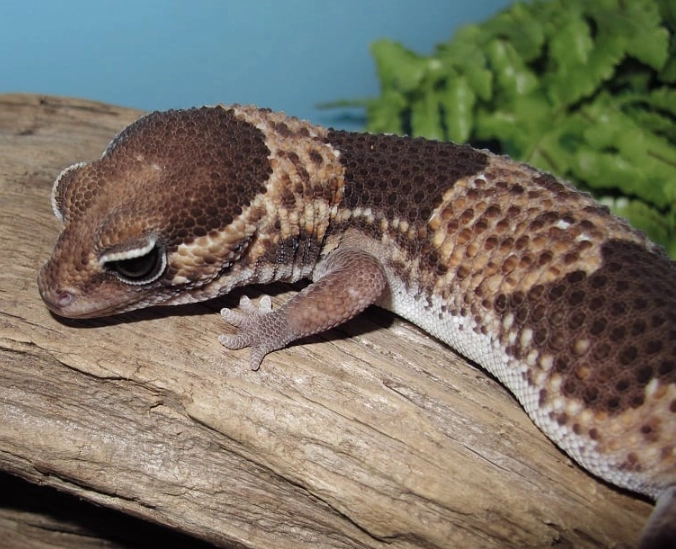
What to Look For in a Healthy Gecko
- Eyes: Should be clear, bright, and free of gunk. No swelling.
- Body: Plump, but not obese. The hip bones shouldn't be protruding.
- THE Tail: Nice and fat. This is the #1 health indicator. A skinny tail means the gecko hasn't been eating well or is sick.
- Skin: No leftover shed stuck on toes (this can cause them to fall off!) or tail. No visible mites (tiny red/black dots).
- Activity: It should be alert. A lethargic gecko during handling might be unwell.
Ask the breeder about its feeding schedule, what it's eating, and its hatch date. A good breeder will know all this.
Setting Up the Perfect Home: The Tank
You can't just stick a fat tail in a bare tank with a light bulb. Their environment is everything. Think of it as building a little slice of West Africa in your living room.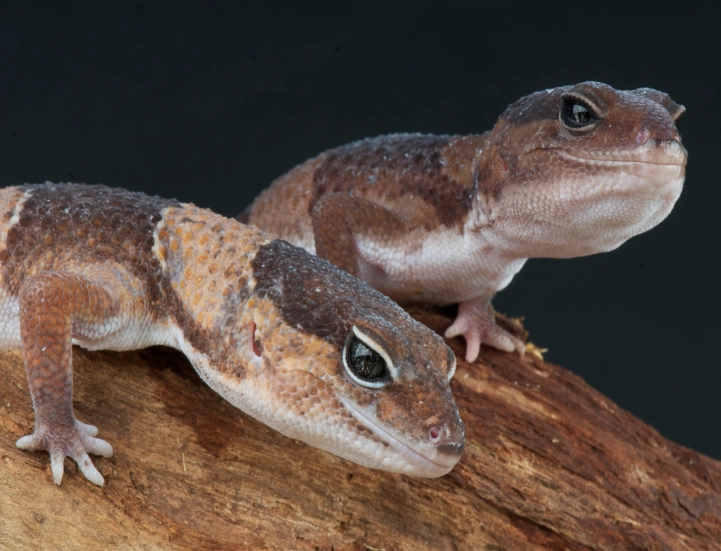
The Absolute Minimum
A 20-gallon long tank is the bare minimum for one adult fat tailed gecko. But you know what? Go bigger if you can. A 30-gallon or 40-gallon breeder tank gives them more room to explore and makes it easier to create a proper temperature gradient. They're not avid climbers, so floor space is more important than height.
Substrate: The Great Debate
This topic can start arguments among reptile keepers. The main concern is impaction—if a gecko accidentally eats its bedding, it can get blocked up. For fat tailed geckos, my recommended options are:
| Substrate Option | Best For | Pros | Cons & My Notes |
|---|---|---|---|
| Paper Towel/Newspaper | Quarantine, sick geckos, beginners | Cheap, super easy to clean, zero risk of impaction. | Looks ugly, doesn't hold humidity well. It's functional, not pretty. |
| Slate or Ceramic Tile | Easy maintenance, natural look | Easy to wipe clean, files down claws naturally, holds heat well. | Can be cold, doesn't allow for digging/burrowing behavior. |
| Pre-packaged Topsoil/Sand Mix | Naturalistic, bioactive set-ups | Allows natural digging, holds burrows, looks fantastic. | You MUST get the right mix (70/30 soil to playsand). Loose sand alone is dangerous. Requires more maintenance. |
I've used tile and I'm currently using a soil/sand mix in my bioactive tank. The soil mix is more work, but seeing my gecko dig her own burrows is worth it. Avoid calcium sand, cedar, or pine shavings at all costs. They're dangerous.
Heat and Light: It's Not Just a Bulb
Fat tailed geckos need a temperature gradient. One side warm, one side cool, so they can thermoregulate.
- Warm Side: 88-92°F (31-33°C) on the floor surface under the heat source.
- Cool Side: 75-80°F (24-27°C).
- Nighttime Temp: Can drop to 70-75°F (21-24°C).
How do you achieve this? Under Tank Heaters (UTH) connected to a thermostat are the gold standard. Stick the UTH on the outside bottom of the tank, under one side. The thermostat probe goes inside the tank on the substrate right above the mat. This provides belly heat, which is crucial for their digestion. A heat lamp can supplement if needed, but it can dry out the air. You must use a thermostat. An unregulated heat mat can and will overheat and burn your gecko. I learned this after nearly cooking a thermometer.
They don't require special UVB lighting like some reptiles, but some studies and expert opinions, like those referenced by the Anapsid Reptile Resource, suggest low-level UVB can be beneficial for long-term health and calcium metabolism. It's not a strict requirement if you're dusting feeders properly, but it's a good addition.
Humidity and Hides: The Secret to Happy Shedding
This is where people mess up. Fat tails need more humidity than leopard geckos—aim for 50-60%, spiking to 70-80% in their moist hide.
You need at least three hides:
- Warm Hide: Placed over the UTH. Dry.
- Cool Hide: On the opposite side. Dry.
- Moist Hide: In the middle or on the cool side. This is non-negotiable. Use a plastic container with a hole cut in the side, filled with damp (not wet) sphagnum moss, paper towels, or coconut fiber. This gives them a humid retreat, which is critical for proper shedding.
If your fat tailed gecko has stuck shed, especially on its toes, your humidity or moist hide isn't right. A shallow water dish also helps with ambient humidity.
Common Setup Mistake I Made
I once used a heat rock. Never, ever use heat rocks. They create concentrated hot spots that can cause severe thermal burns. Stick to the under-tank heater with a thermostat. It's the safest, most natural method.
Feeding Your Fat Tailed Gecko: It's Not Just Crickets
In the wild, they eat insects and whatever else they can catch. In captivity, you need to provide a varied diet.
Staple Feeders: Crickets, dubia roaches, discoid roaches, and black soldier fly larvae are excellent staples. Mealworms and superworms can be fed, but they're higher in fat and chitin, so use them more as treats.
How Much & How Often:
- Babies/Juveniles: Daily, as many appropriately-sized insects as they'll eat in 10-15 minutes. The insect should be no wider than the space between the gecko's eyes.
- Adults: Every other day or 3 times a week. 4-6 decent-sized insects per feeding.
Now, the most important part: Gut-loading and Dusting.
The Supplement Schedule (This is Vital)
- Calcium (without D3): Lightly dust insects at almost every feeding. This is for their bone health.
- Calcium (with D3): Dust insects once a week. D3 helps them absorb the calcium. If you're using a UVB light, you can use this less frequently.
- Multivitamin: Dust insects once a week (on a different day than the D3 day).
Just put the insects in a bag or cup with a pinch of powder, shake gently, and feed. Lack of proper supplementation is the leading cause of Metabolic Bone Disease (MBD), a horrible, crippling condition.
Always remove uneaten insects after feeding time. Crickets can nibble on a sleeping gecko.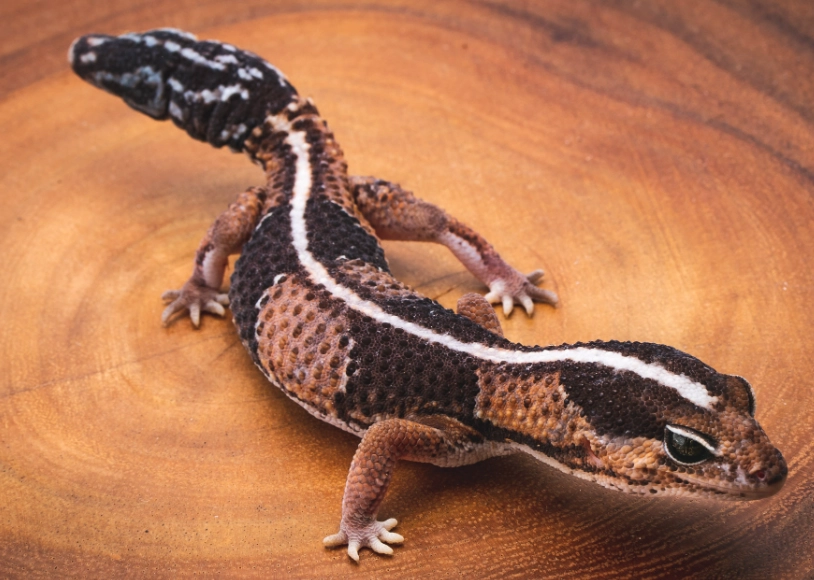
Handling and Temperament
One of the reasons I love fat tailed geckos is their generally calm nature. But they aren't toys.
Give a new gecko at least a week, preferably two, to settle into its new home without handling. Let it de-stress and learn where its food and hides are.
When you start, be slow and confident. Scoop from below rather than grabbing from above (you look like a predator from above). Let it walk from hand to hand. Support its whole body. Sessions should be short, 5-10 minutes at first.
They can drop their tails if severely stressed or grabbed by the tail (this is called autonomy). It will grow back, but it'll look stubby and weird, and it's a stressful event for them. So, be gentle. My first gecko never dropped hers, but I've seen it happen, and it's not pretty.
They are not "cuddly" pets. Some will tolerate handling better than others. Respect their boundaries.
Health Issues: What to Watch For
A proactive owner catches problems early. Here are the big ones:
- Metabolic Bone Disease (MBD): Limpness, rubbery jaw, difficulty walking, tremors. Caused by poor calcium/D3 supplementation. Preventable with proper diet.
- Stuck Shed: Especially on toes, eyes, and tail tip. Can cut off circulation. Boost humidity and provide a proper moist hide. For stubborn shed, a shallow warm bath can help.
- Parasites: Weight loss, runny or smelly stools, lethargy. Requires a vet visit for a fecal exam.
- Respiratory Infection (RI): Wheezing, mucus around nose/mouth, gaping mouth. Often caused by incorrect temperature or humidity. Needs a vet for antibiotics.
- Impaction: Not pooping, bloated abdomen, loss of appetite. Caused by eating substrate or too-large feeders. Ensure proper temps for digestion and use safe substrate.
Find an exotics vet before you have an emergency. Not all vets treat reptiles. The Association of Reptilian and Amphibian Veterinarians (ARAV) has a find-a-vet tool on their site.
Common Questions (The Stuff You Actually Google)
How long do fat tailed geckos live?
With proper care, 15-20 years is common. They're a long-term commitment, not a short-term pet.
Can I house two fat tailed geckos together?
I generally advise against it, especially for beginners. They are solitary in the wild. Cohabitation, even two females, can lead to competition, stress, and one gecko dominating resources (food, heat), leading to the other getting sick. Males will almost always fight. It's not worth the risk. One gecko per enclosure is the safest rule.
Why isn't my fat tailed gecko eating?
This is the #1 worry for new owners. First, don't panic. They can go off food for a few days, especially during shedding or if they're stressed. Check your temperatures—if it's too cold, they can't digest. Ensure you're offering a variety of feeders. If the hunger strike lasts more than 10-14 days, or if they're losing weight, consult a vet.
What's the difference between a leopard gecko and a fat tailed gecko?
Great question. They're similar but have key differences. Fat tails usually have a broader head, slightly bumpier skin, and their banding pattern is often more distinct than the leopard's spots. Behaviorally, fat tails often have a reputation for being a bit more "chill" or docile. They also require higher humidity. Both are great, but fat tails are like the slightly more niche, humidity-loving cousin.
Do they make noise?
Not really. They might squeak if very startled or stressed, but they are generally silent pets. No barking at 3 AM.
The Real Cost (The Part Breeders Don't Highlight)
The gecko itself might be $50-$300 depending on the morph. But the startup cost is real:
- Tank: $50-$150
- UTH & Thermostat: $40-$80
- Hides, dishes, decor: $50-$100
- Substrate: $20-$40
- Initial feeder/ supplement stock: $30
You're looking at $200-$400+ to start properly. Then there's the ongoing cost of insects, substrate changes, and potential vet bills. Don't cheap out on the thermostat or heat source. It's the most important equipment.
So, is a fat tailed gecko the right pet for you? If you want a relatively low-maintenance (after setup), fascinating, hands-off pet to observe, and you're willing to commit to their specific needs for potentially two decades, then absolutely. They are rewarding, personable little creatures.
But if you want something you can constantly handle, or you're not prepared to deal with live insects and precise temperature control, you might want to reconsider.
For me, the joy of seeing my fat-tailed gecko peek out of her hide at dusk, or calmly sit in my hand, makes all the setup and cricket-buying trips worth it. Just do your homework first. Your future chunky-tailed friend will thank you for it.
Reader Comments