In This Guide
So you're thinking about getting a white tree frog. Good choice. I remember when I first saw one at a local reptile expo – that plump, bright white body and those big, curious eyes staring right at me. It was hard to walk away. They're often called dumpy tree frogs or Australian green tree frogs too, which can be confusing because they're not always green! That's the first thing to know. Their color changes based on mood, temperature, and even time of day, from a vibrant green to a pale, almost chalky white. That's where the name "white tree frog" really sticks.
But here's the real talk. They're marketed as great beginner frogs, and in many ways they are, but "beginner" doesn't mean "no maintenance." I've talked to too many people who jumped in after seeing a cute video, only to struggle with a sick frog because the setup was wrong. This guide is here to make sure that doesn't happen to you. We're going to walk through everything, from picking the right tank to what to do if your frog stops eating. It's the stuff I wish I knew when I started.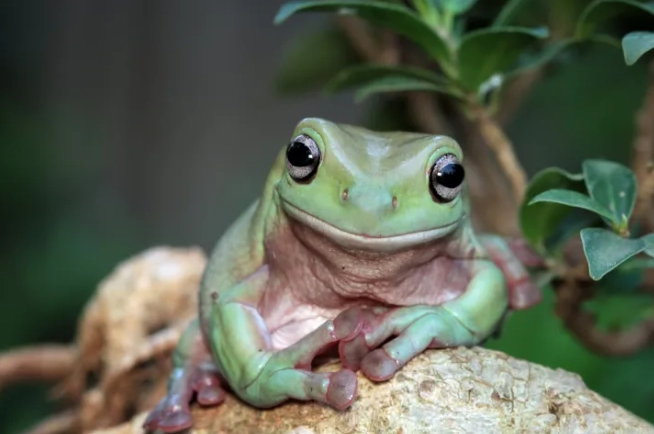
The Core Idea: A white tree frog is a hardy, long-lived pet (they can live over 15 years!) that thrives with consistent, simple care. The key is nailing the basics of their environment right from the start.
Why Choose a White Tree Frog?
Let's break down why these guys are so popular, and be honest about the downsides too.
The Good Stuff (The Pros)
Their personality is a big draw. Unlike some amphibians that hide all day, white tree frogs are often out and about, especially at night. They're curious. They'll watch you. They have these hilarious, almost clumsy-looking movements that are just fun to observe. They're also relatively large for a common pet frog, getting to about 4-5 inches, which makes them easier to see and appreciate in their enclosure.
Their hardiness is a major plus. They can tolerate a slightly wider range of temperature and humidity fluctuations than some more delicate frog species. This forgiveness makes them more suitable for someone still learning the ropes of amphibian care. They also have a great appetite, which is always reassuring for a new owner.
The Not-So-Good Stuff (The Cons)
They are nocturnal and can be noisy. Males call, especially after rain or during breeding season. The call isn't unpleasant—it's a deep, repetitive barking or quacking sound—but if your tank is in your bedroom, you might regret it. I had to move my first tank out of my room for this exact reason.
They are messy. They eat a lot, and they poop a lot. You'll be spot-cleaning their enclosure frequently. They also have a sticky mucus on their skin that can leave marks on glass. It wipes off, but it's a thing.
Finally, while they are handleable, they are not "handling pets." Their skin is sensitive to oils, salts, and chemicals on our hands. Any handling should be brief, infrequent, and with thoroughly washed, wet hands. The goal is to observe, not constantly interact.
Setting Up the Perfect White Tree Frog Habitat
This is where most mistakes happen. Getting the enclosure right is 90% of success with a white tree frog. Think of it as building a small, living piece of Australia.
The Enclosure: Size and Type
A common question is, "How big of a tank does a white tree frog need?" For one frog, a 20-gallon tall aquarium is the absolute minimum I'd recommend. But bigger is always better. A 30-gallon tall or an 18x18x24 inch terrarium gives them more space to climb and explore. If you want a pair, start with a 30-gallon tall minimum. They may be lumpy and look sedentary, but they are active climbers at night.
The enclosure must be tall, not long. These are tree frogs. Their world is vertical. A secure, well-ventilated screen top is non-negotiable—they are escape artists and need fresh air flow to prevent stagnant, moldy conditions.
Heating and Lighting: Creating the Right Climate
White tree frogs need a temperature gradient. One side of the tank should be warmer than the other so they can thermoregulate.
- Daytime Temp: Aim for 75-85°F (24-29°C) on the warm end, with a slight drop at night, no lower than 70°F (21°C).
- Heat Source: Use an overhead heat source like a low-wattage ceramic heat emitter or a deep heat projector on a thermostat. Never use heat rocks—they can cause severe burns.
- Lighting: They don't require special UVB lighting if they are fed a proper diet with supplements (we'll get to that), but a low-level UVB light (like a 5.0 or 2.0 strength) is increasingly recommended by experts for long-term health and can help plants thrive if you have a live planted setup. A simple LED light on a 12-hour timer works for a day/night cycle.
Watch Out: The biggest heating mistake is letting the whole tank get too hot or too cold. A digital thermometer/hygrometer on both the warm and cool sides is essential. Don't rely on those cheap stick-on dials.
Humidity and Substrate: The Foundation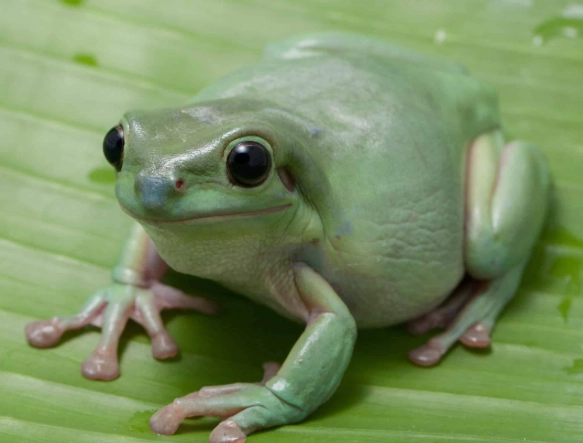
Humidity should cycle. Mist the tank heavily in the evening to spike humidity to 70-80%. Let it drop to around 50% during the day before misting again. This mimics their natural environment and helps with shedding.
Substrate choice is critical. It holds moisture, affects humidity, and if ingested, can cause impaction. Here’s a quick comparison:
| Substrate Type | Pros | Cons | Best For |
|---|---|---|---|
| Coconut Fiber (Eco Earth) | Holds moisture well, natural look, diggable. | Can be messy, may mold if too wet. | Bioactive setups, planted tanks. |
| Orchid Bark/Fir Bark | Good drainage, less likely to stick to frog. | Needs frequent replacement, pieces can be ingested. | Simple, easy-to-clean setups. |
| Paper Towel/Butcher Paper | Extremely easy to clean, no impaction risk. | Unsightly, doesn't hold humidity. | Quarantine tanks, hospital tanks, temporary setups. |
| Sphagnum Moss (topper) | Great for humidity, soft. | Can mold, frogs may try to eat it. | Layering over another substrate to boost moisture. |
My personal setup uses a drainage layer, then coconut fiber mixed with orchid bark, topped with leaf litter. It's more work initially but looks fantastic and functions well.
Furniture and Plants: Making it a Home
A bare tank is a stressed frog. They need clutter to feel secure.
- Branches & Vines: Provide plenty of horizontal and diagonal climbing paths. Use sturdy branches (like manzanita or ghostwood) that can hold their weight. Bamboo poles work great too.
- Hides: At least two—one on the warm side, one on the cool/moist side. Cork bark rounds or flats are perfect. You can also use simple plastic plant pots on their sides.
- Live or Artificial Plants: Live plants (like pothos, philodendron, or bromeliads) help with humidity and air quality, but need appropriate lighting. High-quality silk plants are a fantastic, low-maintenance alternative. Avoid rough plastic plants that can scratch their delicate skin.
- Water Dish: A large, shallow, sturdy dish of fresh, dechlorinated water should always be available. They will soak in it to hydrate and help with shedding. Change it daily.
"The goal isn't just a container for a frog; it's a functional, engaging landscape. When your white tree frog has plenty of vertical space, hiding spots, and clean water, you'll see its natural behaviors shine."
What Do White Tree Frogs Eat? The Feeding Guide
These frogs are enthusiastic eaters, which is part of their charm. But a proper diet is about quality and balance, not just quantity.
Staple Diet: The Main Course
In captivity, a white tree frog's diet consists mainly of gut-loaded insects. "Gut-loading" means feeding the insects nutritious food 24-48 hours before they become frog food. This passes the nutrients on to your frog.
| Insect | Frequency | Notes |
|---|---|---|
| Crickets | Primary staple | Size should be no wider than the space between the frog's eyes. Very readily available. |
| Dubia Roaches | Excellent staple | More nutritious than crickets, less smell, can't climb smooth glass. My personal favorite feeder. |
| Black Soldier Fly Larvae (Calciworms/ Phoenix Worms) | Great regular feeder | Naturally high in calcium, don't need dusting as often. |
| Hornworms | Occasional treat | High in moisture, great for hydration. Grow very fast, so buy small. |
| Silkworms | Occasional treat | Excellent nutrition, but can be expensive and fragile. |
What to avoid regularly: Mealworms and superworms. They have a hard chitin shell that can be difficult for frogs to digest and are high in fat. An occasional one is okay, but they are not a good staple.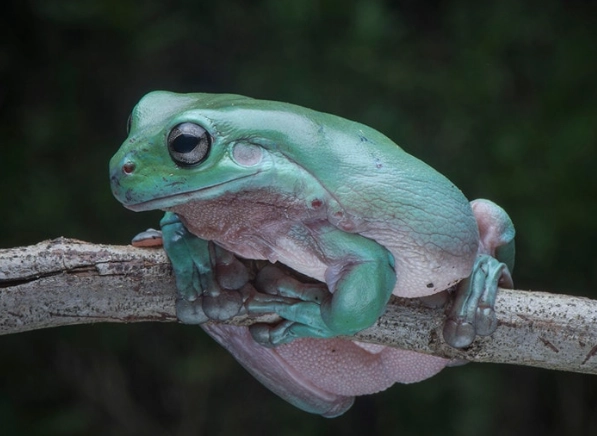
Dusting and Supplementation: The Secret Sauce
This is non-negotiable. Insects alone are not nutritionally complete. You must dust them with vitamin and mineral powders.
- Calcium with Vitamin D3: Dust insects with this at almost every feeding for growing frogs and at 2-3 feedings per week for adults. D3 helps them utilize the calcium, which is critical for preventing Metabolic Bone Disease (MBD).
- Multivitamin: Dust insects with a quality reptile/amphibian multivitamin once a week.
The process is simple: put a few insects in a bag or container with a pinch of supplement powder, shake gently to coat them, and then feed immediately to your frog.
Feeding Schedule and Technique
Feed juveniles daily, as much as they will eat in 10-15 minutes. Adults can be fed every other day or 3-4 times a week. The best time to feed is in the evening when they are naturally active.
I use long, soft-tipped feeding tweezers (like those from Exo Terra) to offer insects. This allows me to control the feeding, ensure the frog eats the dusted insects, and prevents crickets from hiding in the enclosure and bothering the frog (or worse, nibbling on it). It also helps with bonding—my frogs now associate my hand near the tank with food time and will often hop over.
White Tree Frog Health and Common Problems
A healthy white tree frog is alert, has clear eyes, a rounded body (not obese, but not skinny), and sheds its skin in one complete piece. Here are the issues to watch for.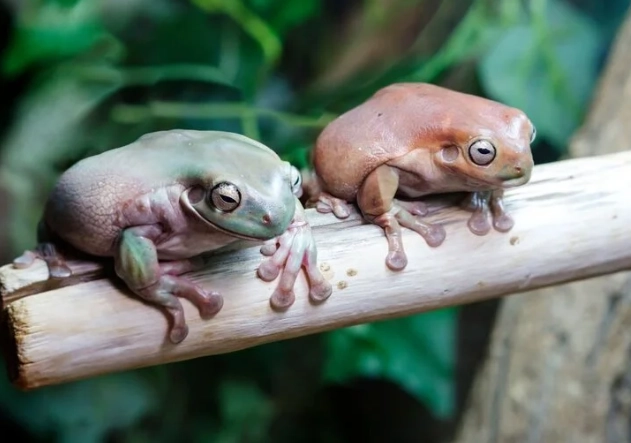
Red-Leg Syndrome: This is a serious bacterial infection. Symptoms include lethargy, loss of appetite, and redness or hemorrhaging on the belly and legs. It's often caused by poor water quality, dirty substrate, or stress. This requires immediate veterinary care from an exotic vet. Prevention is key: keep the enclosure clean, change water daily, and remove waste promptly.
Metabolic Bone Disease (MBD): Caused by lack of calcium and/or Vitamin D3. Symptoms include a soft or crooked jaw, difficulty climbing, tremors, and swollen limbs. It is progressive and fatal if not treated. This is why proper dusting is so critical. If you suspect MBD, a vet can provide calcium injections and advise on corrective care.
Impaction: When a frog ingests substrate or something else it can't digest, causing a blockage. Symptoms include lethargy, bloating, and not defecating. Prevent it by feeding with tweezers over a clean surface or using appropriate, digestible substrates. A warm, shallow soak can sometimes help mild cases, but a vet visit is often needed.
Skin Issues (Fungal/Bacterial): Look for cloudy patches, sores, or a slimy film on the skin. Often related to unclean conditions or humidity that is constantly too high. Improving hygiene and adjusting humidity cycles is the first step. Persistent issues need a vet for diagnosis and antifungal/antibacterial treatment.
The #1 Rule: Find an exotic veterinarian before you get your frog. Not all vets see amphibians. Have a clinic identified and know their emergency hours. The Association of Reptilian and Amphibian Veterinarians (ARAV.org) has a "Find a Vet" directory that is an invaluable resource.
Handling and Behavior: What to Expect
White tree frogs can become quite tame. They may even learn to come to the front of the glass when they see you. But handling should be minimal.
When you must handle them (for tank cleaning, health checks):
- Wash your hands thoroughly with unscented soap and rinse extremely well. Better yet, wear disposable, powder-free gloves moistened with dechlorinated water.
- Be gentle but confident. Let the frog walk onto your hand. Don't grab or squeeze.
- Keep handling sessions short (a few minutes) and close over a soft surface (like a bed or over the open tank) in case they jump.
You'll notice they are most active at dusk and dawn. You might hear the male's call, especially if you have more than one. They are solitary in the wild and can be housed alone without issue. Cohabitation is possible for a pair or small group in a large enough tank, but watch for aggression (like chasing or wrestling) and be prepared to separate if needed. Never house different species together.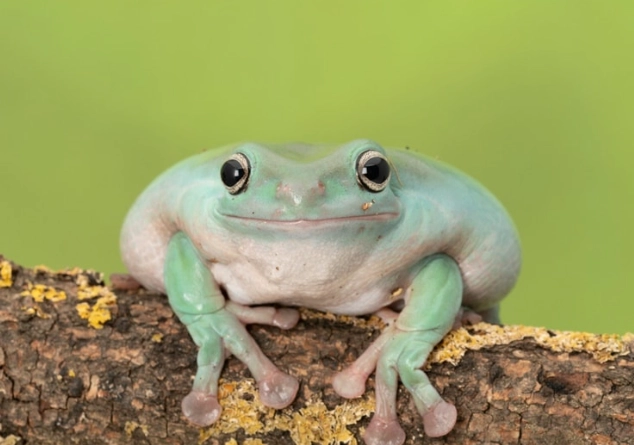
Getting Your White Tree Frog: Purchase and Ethics
Look for a healthy frog: clear eyes, clean skin, alert posture, and a good body weight (not fat, but not skinny where the hip bones are prominent).
- Reputable Breeders: This is often the best source. You can find them at reptile expos or through online communities. Breeder frogs are usually well-started, acclimated to captivity, and you can ask about lineage and care.
- Specialty Reptile/Pet Stores: Ask about their source. Avoid stores where frogs are kept in dirty, overcrowded conditions.
- Rescue/Adoption: Check local herpetological societies or websites like Petfinder. It's a wonderful way to give a frog a second home.
A critical ethical point: Ensure your frog is captive-bred. Wild-caught amphibians can carry diseases, suffer from transport stress, and their removal impacts natural populations. Reputable sellers will always state that their animals are captive-bred (often abbreviated as CB). The USDA's APHIS website has information on regulations, which often restrict or monitor the import of certain species, further supporting the captive-bred market.
Frequently Asked Questions (FAQs)
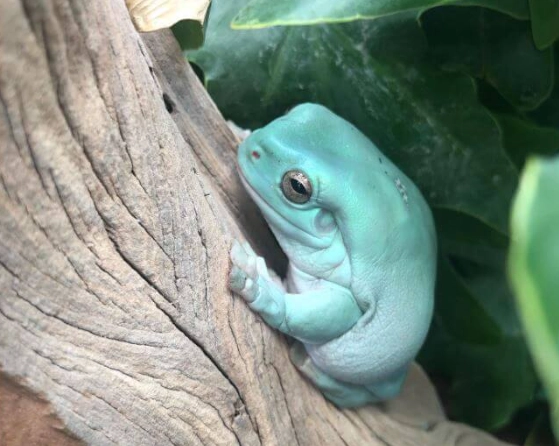
So, there you have it. Bringing a white tree frog into your home is a long-term commitment to creating a tiny, thriving slice of ecosystem. It's not complicated, but it does require attention to detail—the right heat, the right humidity, the right food. When you get it right, there's nothing quite like watching that plump, personable frog settled on a branch, content in the world you've built for it. Do your research, set up the tank completely before you bring the frog home, and you'll be rewarded with a fascinating pet for many years. Good luck!
Reader Comments