In This Guide
- What Exactly Is a Scale-eyed Gecko?
- Is a Scale-eyed Gecko the Right Pet For You?
- Setting Up the Perfect Scale-eyed Gecko Habitat
- Feeding Your Scale-eyed Gecko: Beyond Crickets
- Handling and Socializing Your Pet
- Common Health Issues to Watch For
- Frequently Asked Questions (The Stuff You Actually Google)
- Final Thoughts
So, you're thinking about getting a scale-eyed gecko? Let's cut right to the chase. These little lizards, scientifically known as Gekko megalepis (though taxonomy can be a moving target), are fascinating creatures. But here's the thing you won't read in most quick-care sheets: they're not your average beginner gecko. I learned that the hard way.
My first encounter with a scale-eyed gecko was at a reptile expo. It was tucked away in a corner, not flashy like a crested gecko, but there was something about its textured skin and those namesake, scaled eyelids that just pulled me in. The seller gave me the usual spiel – "easy to care for," "eats crickets." Well, it's more nuanced than that. Much more.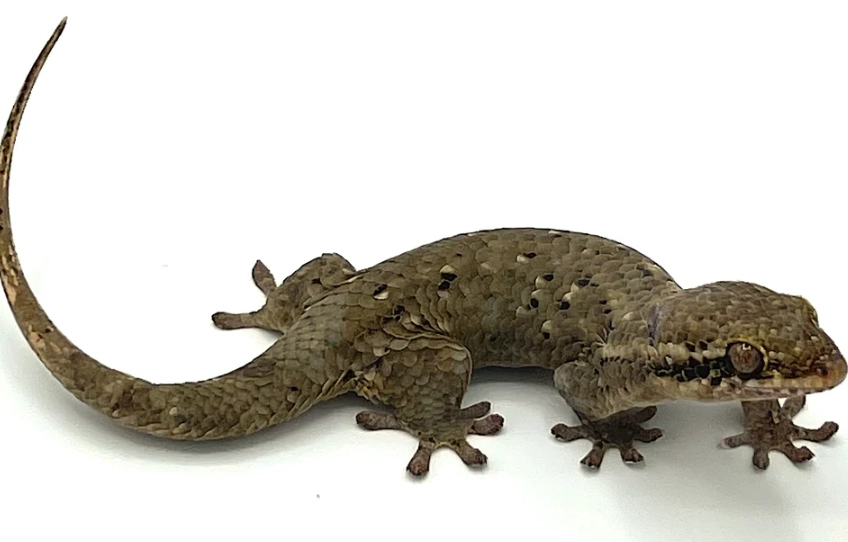
This guide is everything I wish I'd known. We'll go beyond the basics, into the nitty-gritty of creating a thriving environment that mimics their natural Southeast Asian forest homes (think Thailand, Malaysia). We'll talk about the good, the bad, and the frankly annoying parts of keeping them. Because honesty is what keeps reptiles healthy.
What Exactly Is a Scale-eyed Gecko?
Before you decide if one is right for you, you need to know what you're getting into. The scale-eyed gecko is an arboreal species, meaning it lives its life in the trees. They're nocturnal, so most of their activity happens when you're winding down for the night. Their most distinctive feature? Those granular scales on their eyelids, which is where they get their common name. It's a neat adaptation.
They're not huge geckos. Adults typically reach about 8 to 10 inches (20-25 cm) from snout to tail tip. Their coloration is usually a mix of browns, greys, and creams, which acts as perfect camouflage against tree bark. They lack the sticky toe pads of geckos like tokays or house geckos, relying more on small claws for climbing. This means smooth glass walls are a no-go for them.
Finding reliable, centralized information on Gekko megalepis can be tricky. For authoritative taxonomic and distribution data, the Reptile Database is an invaluable resource maintained by herpetologists. For conservation status, always check the IUCN Red List. As of my last deep dive, the scale-eyed gecko's status needs updating, which highlights how some species fly under the radar.
Is a Scale-eyed Gecko the Right Pet For You?
Let's be real. Not every reptile is for every person. Here’s my brutally honest breakdown.
The Good Stuff (Why You Might Want One):
- Fascinating Behavior: Watching a scale-eyed gecko hunt at night is a mini wildlife documentary. They are deliberate, curious climbers.
- Manageable Size: They don't need a room-sized enclosure. A properly set up tall tank works.
- Generally Docile: With patience, they can become quite tolerant of handling, though they'll never be "cuddly." They're more of a look-don't-touch-often pet.
- Quiet: No barking, squawking, or loud calls. Just the occasional rustle of leaves.
The Not-So-Good Stuff (The Reality Check):
- Humidity Hawks: This is the big one. They need consistent, relatively high humidity (70-80%) and a significant drop at night. Maintaining this without creating a mold factory is an art. If you live in a very dry climate, be prepared to mist multiple times a day or invest in a fancy fogging system.
- Shy & Nocturnal: You won't see them basking under a lamp. Your interactions will be in the evening or when you spot them sleeping in a hide during the day. If you want a pet to watch all day, get a bearded dragon.
- Diet Variety is Key: They can't live on crickets alone. You need a rotation of different feeder insects. This means maintaining colonies or multiple trips to the pet shop.
- Not Always Available: They're not as mass-bred as leopard geckos. You might need to find a specialty breeder, which can mean waiting and higher cost.
So, who should get one? Someone who already has experience with humidity-sensitive reptiles (like dart frogs or certain chameleons), enjoys the technical aspects of habitat building, and appreciates observing subtle, natural behaviors.
Setting Up the Perfect Scale-eyed Gecko Habitat
This is where most people fail. The enclosure isn't just a box; it's their entire world. Getting it wrong leads to stress, sickness, and a shortened lifespan.
The Enclosure: Size and Type
Think vertical. A single adult scale-eyed gecko needs a minimum of an 18"x18"x24" tall terrarium. Bigger is always better. I'd even recommend starting with a 24"x18"x36" if you have the space – it gives you more room for a proper temperature and humidity gradient. Front-opening doors are a lifesaver for maintenance and reduce the chance of escapes compared to top-opening screens (which also let all your humidity out).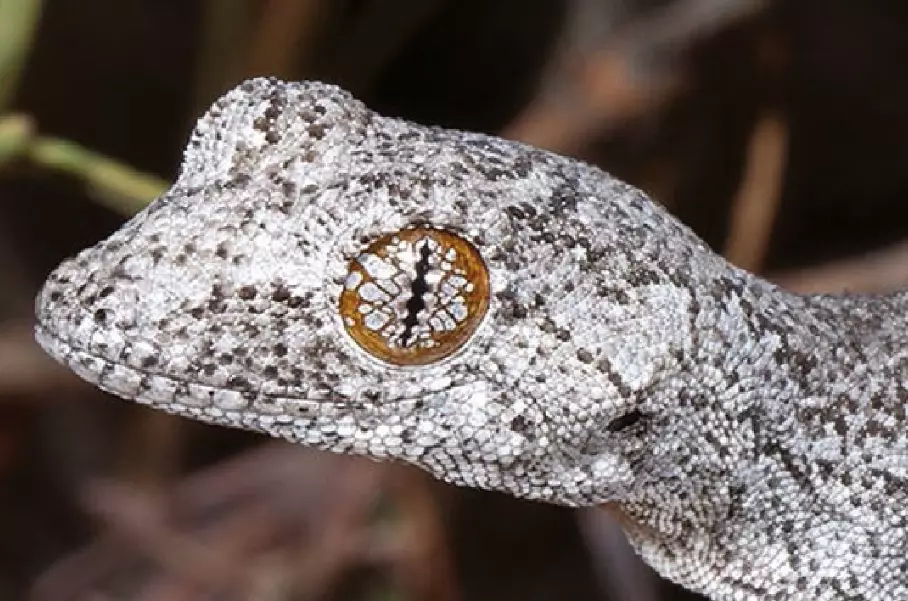
Heating and Lighting: It's Not Just About Warmth
They don't bask in blistering heat. A gentle temperature gradient is what you're after.
- Daytime Ambient Temperature: 75-80°F (24-27°C) at the top/warm end.
- Nighttime Temperature: Can drop to 70-75°F (21-24°C). This drop is natural and beneficial.
- Warm Spot: Create a localized spot (via a low-wattage halogen bulb or ceramic heat emitter on a thermostat) that reaches about 85°F (29°C). This should be at the top of the enclosure.
- UVB Lighting: This is a topic of debate. They are nocturnal, but many advanced keepers (myself included) provide low-level UVB (like a ShadeDweller or 5.0 tube) for a few hours a day. The thinking is that while they hide during peak UV, they may benefit from incidental exposure during dawn/dusk activity. It certainly doesn't hurt and may support calcium metabolism. UVGuide.co.uk has fantastic, science-backed information on reptile lighting, though it's a dense read.
All heating elements must be connected to a reliable thermostat. An unregulated heat mat can cause serious burns.
Humidity and Hydration: The Crucial Balancing Act
This is the heartbeat of scale-eyed gecko care. Their skin and respiratory health depend on it.
Here's the routine that finally worked for me:
- Morning: Heavy misting with a pressure sprayer, soaking the plants and substrate. This spikes humidity to 80-90%.
- Afternoon: Humidity should naturally fall to around 70%. If it plummets below 60%, a light mist is needed.
- Evening: Another heavy misting to simulate evening dew.
- Night: Let it drop again. Aim for 60-70% by morning before you mist again.
Invest in a digital hygrometer (the analog dial ones are garbage). Place one near the top and one near the bottom. A automatic misting system like MistKing can be a game-changer for consistency, especially if you work long hours.
A large, shallow water dish is still essential for drinking, even with all the misting. Change it daily.
Substrate and Decor: Building a Living Landscape
The floor of the tank needs to hold moisture but not stay soggy. A bioactive setup is the gold standard for a scale-eyed gecko, but it's advanced. For a simpler approach, use a drainage layer (clay balls), a mesh separator, and a soil mix on top. A good mix is 60% organic, fertilizer-free topsoil or coconut coir, 30% play sand, and 10% sphagnum moss.
Now for the fun part: the furniture.
- Branches and Vines: Provide a highway of vertical and horizontal climbing paths. Cork branches are excellent. Secure everything well so it doesn't collapse.
- Live Plants: They look great, help with humidity, and provide security. Pothos, snake plants, bromeliads, and philodendrons are tough and non-toxic. Expect them to get climbed on and occasionally crushed.
- Hides: Multiple hides at different heights are non-negotiable. Cork tubes, commercial reptile hides, and dense plant clusters all work. They need to feel completely concealed during the day.
The goal is a cluttered, complex environment where they can move around without feeling exposed. An empty tank is a terrifying place for a scale-eyed gecko.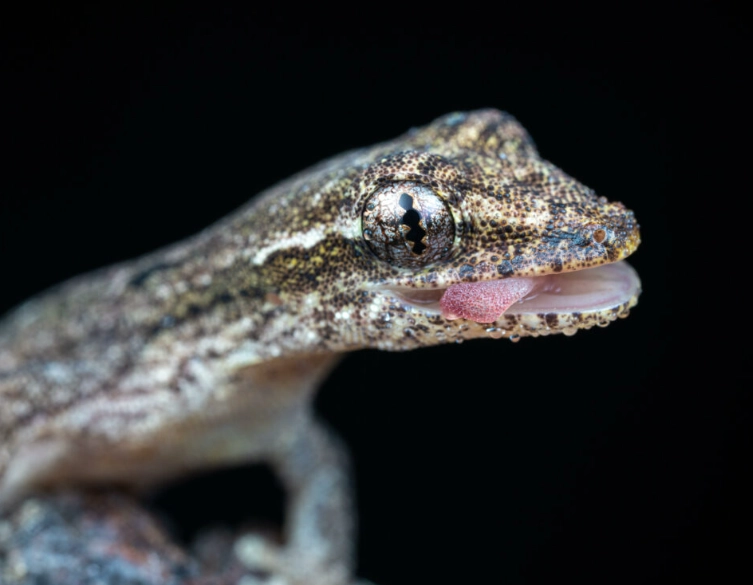
Feeding Your Scale-eyed Gecko: Beyond Crickets
Here's where I see a lot of malnutrition. In the wild, they eat a seasonal buffet of insects. We need to replicate that variety.
| Feeder Insect | Nutritional Benefit | Feeding Frequency | Notes |
|---|---|---|---|
| Gut-loaded Crickets | Staple protein source | 2-3 times per week | "Gut-load" with veggies 24h before feeding. |
| Dubia Roaches | Excellent protein, low fat | 1-2 times per week | My personal favorite staple. Easy to breed. |
| Black Soldier Fly Larvae (Calciworms) | High calcium, no dusting needed | 1-2 times per week | Great for growing juveniles. |
| Silkworms | High in moisture, easy to digest | Occasional treat (weekly) | Expensive but fantastic. |
| Waxworms or Butterworms | Very high fat | Rare treat (once a month) | Like reptile junk food. Can cause addiction. |
Juveniles should be fed daily, adults every other day or 3-4 times a week. Offer as many appropriately-sized insects as they will eat in a 10-15 minute period. The prey should be no bigger than the space between the gecko's eyes.
The Supplementation Schedule You Can't Skip
Feeder insects are nutrient-poor. Dusting is mandatory.
Here's a simple schedule that works:
- Calcium with D3: Use on one feeding per week. D3 helps them utilize the calcium.
- Calcium without D3: Use on one other feeding per week. This provides a safe calcium base if you are using UVB lighting.
- Multivitamin: Use on one feeding every other week (e.g., twice a month). Look for one containing Vitamin A (as retinol, not just beta-carotene).
Just put a pinch of insects in a bag or cup with a bit of powder, shake gently, and feed immediately.
Handling and Socializing Your Pet
Let's be clear: they are not dogs. Handling is for your benefit, not theirs. The goal is to have a gecko that is calm during necessary interactions (vet visits, enclosure cleaning).
Start slow. For the first two weeks, don't handle them at all. Let them settle in. Then, begin by simply placing your hand flat in the tank near them without moving. Do this for short periods in the evening when they are awake.
When you do start to handle, be confident but gentle. Scoop them from below rather than grabbing from above (you look like a predator). Let them walk from hand to hand over a soft surface like a bed. Keep sessions short—5 minutes max to start.
Never grab or restrain the tail. It can detach (autotomy). While it will regrow, it will never look the same and is stressful for the animal.
Common Health Issues to Watch For
A vigilant owner spots problems early. Here are the big ones for scale-eyed geckos.
- Stuck Shed (Dysecdysis): This is the #1 issue caused by low humidity. You'll see dry, white patches of old skin, especially on the toes, tail tip, and eyes. If not addressed, it can constrict blood flow and lead to toe loss. Solution: Boost humidity immediately. Create a "sauna" by placing the gecko in a small ventilated container with a warm, damp paper towel for 15-20 minutes. Gently rub the shed with a wet Q-tip. Never pull it off.
- Metabolic Bone Disease (MBD): Caused by lack of calcium/D3/UVB. Symptoms include soft, rubbery jaw, bowed legs, tremors, and difficulty climbing. It's preventable and tragic when it happens. Solution: Strict adherence to the supplementation schedule and consider providing UVB. If you see signs, a reptile vet is needed immediately.
- Respiratory Infection (RI): Often due to cool, damp, and stagnant conditions. Listen for wheezing, clicking sounds when breathing, or mucus around the nostrils/mouth. Solution: This requires a vet for antibiotics. Improve ventilation in the enclosure and ensure nighttime temps aren't too low.
- Parasites: Weight loss despite good appetite, runny or smelly stools. Solution: A fecal exam by a vet. Always get a check-up for any new animal you bring home.
Find a qualified exotics veterinarian before you have an emergency. The Association of Reptilian and Amphibian Veterinarians (ARAV) has a member directory to help you locate one.
Frequently Asked Questions (The Stuff You Actually Google)
Final Thoughts
Caring for a scale-eyed gecko is a deeply rewarding project. It's less about having a pet you constantly interact with and more about the satisfaction of engineering a tiny, thriving ecosystem and seeing a secretive animal thrive because of your efforts. It forces you to learn about humidity, plant care, insect nutrition, and animal behavior.
But please, don't romanticize it. It's work. The misting, the feeding, the cleaning, the worrying. If you're up for that challenge, and you commit to doing it right from the start, a scale-eyed gecko will reveal itself to be one of the most interesting and beautiful creatures you can keep. If you're looking for something easier, there are plenty of other fantastic reptile options out there.
Do your research, set up the tank completely before you even buy the gecko, and be patient. Your future scaly friend is counting on you to get it right.
Reader Comments