Quick Navigation
- What Exactly Is a Harlequin Crested Gecko?
- Harlequin vs. Other Popular Crested Gecko Morphs
- Caring for Your Harlequin Crested Gecko: The Real Deal
- The Cost of a Harlequin Crested Gecko: Breaking Down the Budget
- Common Health Issues to Watch For
- Frequently Asked Questions
- Final Thoughts: Is a Harlequin Crested Gecko Right for You?
So you've seen pictures online. Those adorable faces, those big expressive eyes, and that wild, painted-on pattern that looks like someone flicked a brush at them. You're hooked. The harlequin crested gecko is, without a doubt, one of the most visually striking reptiles you can bring into your home. But here's the thing everyone selling them might not tell you upfront: that beautiful pattern comes with a lot of questions. Is it harder to care for than a normal crested gecko? Does it cost a fortune? What even is a harlequin, really?
I remember when I got my first one, a little guy I named Mosaic. I was so nervous I was doing everything wrong. The care sheets online contradicted each other, and the pet store advice was... well, let's just say it was aimed at selling me more stuff, not at Mosaic's well-being. I had to piece together the real information from breeders, forums, and a bit of trial and error.
That's why I'm writing this. Not as a distant expert, but as someone who's been in your shoes, staring at a tiny, patterned reptile and wondering how to not mess it up. This guide is the one I wish I'd had.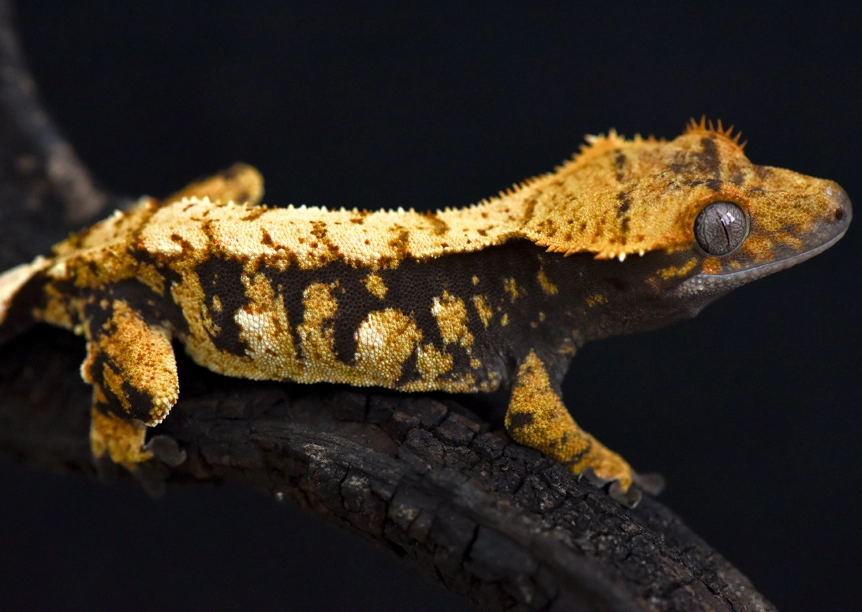
What Exactly Is a Harlequin Crested Gecko?
Let's clear up the biggest confusion right away. A harlequin crested gecko is not a separate species. It's a morph. Think of it like coat colors in dogs. All crested geckos (Correlophus ciliatus) are the same animal, but selective breeding has produced different patterns and colors. The "harlequin" label describes a specific, and highly sought-after, pattern type.
The key feature? Contrast. While a "normal" or "wild type" crested gecko might have subtle patterning or a mostly solid color with some faint markings, a harlequin turns the dial up to eleven. They have a base color (often shades of red, orange, yellow, cream, or even near-white) that's dramatically broken up by a secondary color or pattern running along their sides, back, and legs. This secondary pattern usually appears as bold, irregular patches, stripes, or spots—like the costume of a classic harlequin jester.
There's a scale, too. Breeders often use terms like "low-expression harlequin" for geckos with just a little bit of that side patterning, and "high-expression" or "extreme harlequin" for geckos that are absolutely covered in it, sometimes with pattern even creeping onto the head and back. The price usually follows that scale. A high-expression harlequin crested gecko with bright, crisp contrast is the holy grail for many collectors.
Honestly, the terminology can get a bit silly. You'll see things like "super harlequin" or "harlequin pin" thrown around. At its core, just look at the animal. If it has that bold, patchy, high-contrast side patterning, you're looking at a harlequin.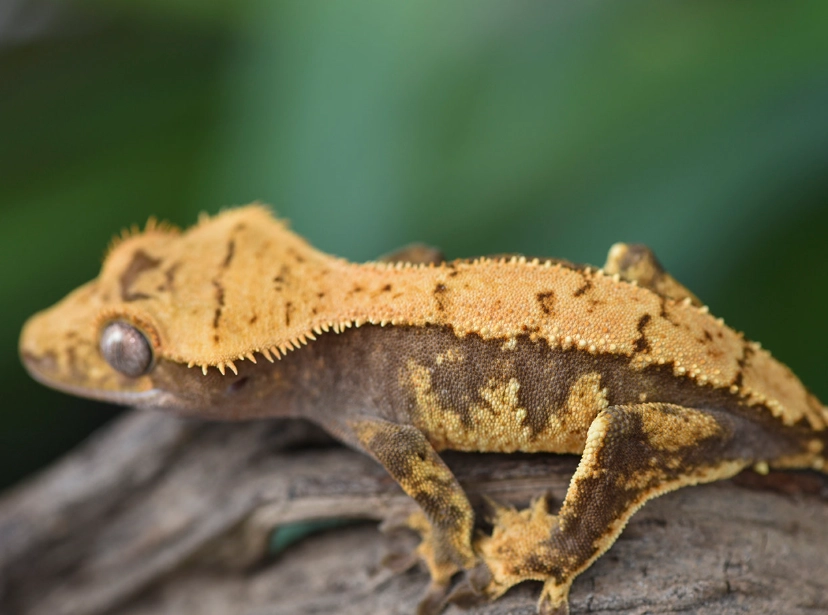
Quick Morph Fact: The harlequin pattern is a polygenetic trait. This means it's controlled by multiple genes, not just one. That's why you can get such a huge range of expression, even from two harlequin parents. It's a roll of the genetic dice every time, which is part of the fun (and frustration) for breeders.
Harlequin vs. Other Popular Crested Gecko Morphs
Walking into the world of crested gecko morphs can feel like learning a new language. To help you understand where the harlequin fits, here's a quick comparison of some common morphs you'll encounter.
| Morph Name | Key Visual Characteristics | How It Differs from a Harlequin | Relative Price Point (Approx.) |
|---|---|---|---|
| Harlequin | High-contrast, irregular patches or stripes along the sides and legs. Clear distinction between base color and pattern. | — This is the baseline for comparison — | Mid to High ($150 - $400+) |
| Flame | Solid or gradient base color (like a flame) with minimal to no patterning on the sides. Very "clean" look. | Lacks the dramatic side patterning. A flame is mostly color, a harlequin is pattern. | Low to Mid ($75 - $200) |
| Tiger | Dark, bold stripes running vertically down the sides, resembling tiger stripes. | Pattern is striped and orderly. Harlequin pattern is more chaotic and patchy. | Mid ($100 - $250) |
| Pinstripe | Two raised, white or cream-colored lines (pinstripes) running from the eye to the base of the tail. | Defined by the back stripes. Can be combined WITH harlequin ("Harlequin Pinstripe") for a stunning effect. | Mid ($100 - $300) |
| Lilly White | Large, blotchy white patches covering parts of the body. A dominant genetic trait. | The white is a blotch, not a patterned contrast. Lilly Whites are in a premium class of their own. | Very High ($800 - $2500+) |
See what I mean? The harlequin sits right in that sweet spot of being visually spectacular without venturing into the ultra-rare, ultra-expensive territory of morphs like the Lilly White. It's a fantastic "step-up" morph for someone who wants more than a basic pet but isn't looking to drop a mortgage payment on a lizard.
Caring for Your Harlequin Crested Gecko: The Real Deal
Here's the best news: caring for a harlequin crested gecko is exactly the same as caring for any other crested gecko morph. Their color doesn't make them fragile or require special food. The care is straightforward, which is a huge reason they're touted as great beginner reptiles. But "straightforward" isn't the same as "no maintenance." Let's break down the non-negotiable needs.
Habitat Setup: Building a Mini Jungle
These are arboreal geckos. They climb. A tall tank is non-negotiable. For a single adult harlequin crested gecko, a minimum of an 18x18x24 inch tall enclosure is the standard starting point. Bigger is always better. I upgraded Mosaic to a 24x18x24, and the difference in his activity level was night and day.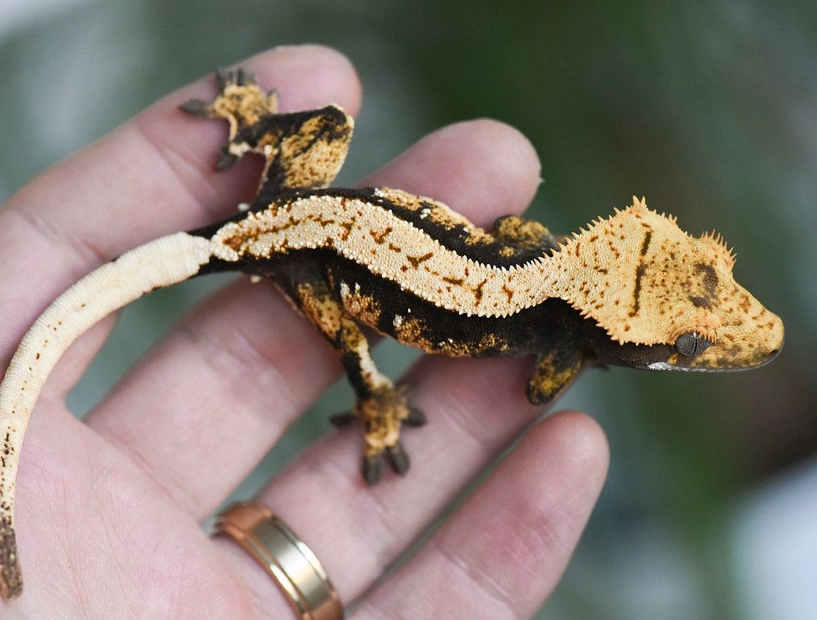
The interior is more important than the tank's brand. You need to create a 3D climbing space.
- Substrate: For beginners, simple paper towel is safest and easiest to clean. For a more natural look, a mix of coconut fiber and orchid bark works well, but you must be vigilant about humidity and impaction risk (if they accidentally eat it).
- Climbing & Hiding: This is the fun part. Use a variety of branches, cork bark tubes, and vines. Provide hiding spots at all levels—geckos feel stressed if they can only hide on the ground. Live or artificial plants add security and help with humidity.
- Heating & Lighting: They do NOT need basking lamps like a bearded dragon. Room temperature (72-78°F) is perfect. Temperatures above 80°F can cause severe stress. A small, low-wattage heat mat on the side of the tank (connected to a thermostat!) can help if your room gets chilly at night. While not strictly required for survival, low-level UVB lighting (like a 5% T5 or compact bulb) is increasingly recommended by experts for long-term health and proper calcium metabolism. The ReptiFiles Crested Gecko Care Guide has a great, science-backed breakdown of this.
Watch Out: Screen-topped glass tanks can lose humidity fast. You might need to cover part of the screen with plastic or acrylic to keep humidity in the 50-70% range (spiking to 80%+ during nightly misting). Plastic or PVC front-opening terrariums are often better at retaining humidity than all-glass tanks.
Diet & Feeding: The Powdered Solution
This is where crested geckos truly shine for busy people. In the wild, they eat fruit and insects. In captivity, the staple diet is a complete powdered diet like Repashy Crested Gecko Diet or Pangea Fruit Mix. You just mix the powder with water to a ketchup-like consistency.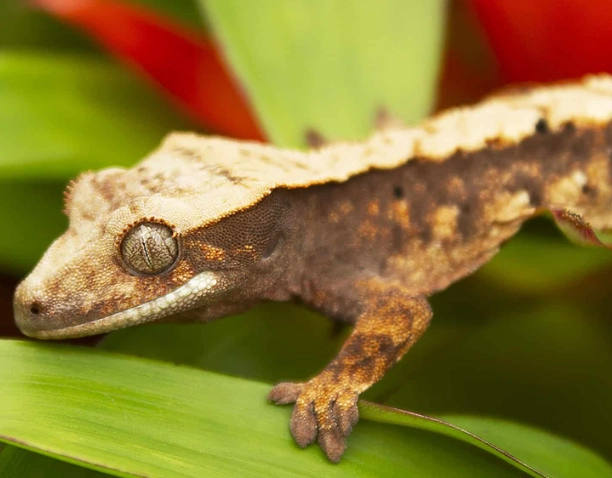
It's nutritionally complete. Really. Offer this fresh diet every other night for juveniles, and 2-3 times a week for adults, in a shallow dish. Clean uneaten food the next morning.
You can supplement with live insects like small crickets or dubia roaches for variety and enrichment, but dust them with calcium powder first. Think of insects as a weekly treat, not the main course. The Pangea Reptile blog has excellent, detailed articles on diet rotation and nutrition if you want to dive deeper.
Don't overcomplicate it. A high-quality powder diet is 95% of what they need.
Handling & Temperament
Are harlequin crested geckos friendly? Generally, yes. They are not cuddly, but they can become tolerant of handling. Start with short, 5-10 minute sessions a few times a week once they're settled in. Let them walk from hand to hand. Never grab them by the tail—it can detach (they can regrow it, but it won't look the same).
Their personality is more "curious leaf" than "affectionate puppy." Some are jumpers, some are calm. My harlequin is pretty chill, but I've had friends whose geckos think they're Olympic long-jumpers. It's individual.
My biggest handling tip? Do it over a soft surface like a bed or couch. Saves your heart when they decide to take a leap of faith.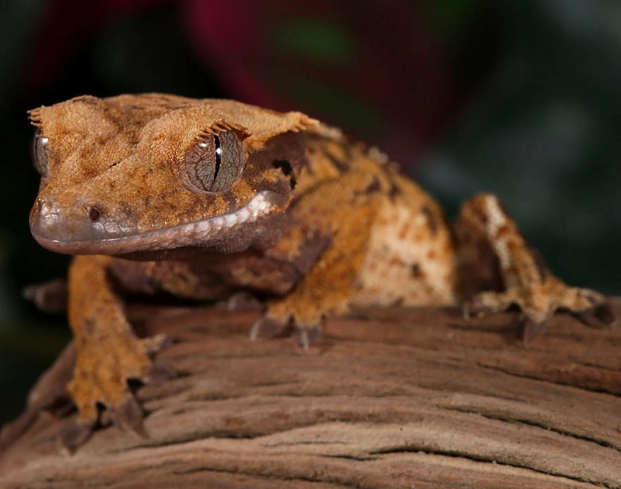
The Cost of a Harlequin Crested Gecko: Breaking Down the Budget
Let's talk money, because sticker shock is real. The gecko itself is just the entry fee.
The Gecko: A harlequin crested gecko price can range from $150 for a lower-expression juvenile from a smaller breeder to well over $400 for a stunning, high-expression adult from a top breeder. Rare color combos (like a "halloween" harlequin with orange and black) cost more. Always buy from a reputable breeder, not a pet store. Pet stores often have stressed, poorly-started babies and misidentified morphs. Look for breeders on MorphMarket or at reptile expos.
The Startup Costs (One-Time): This is the hidden bulk.
- Enclosure (Tall Glass or PVC): $100 - $300
- Lighting/Heating (UVB lamp, fixture, thermostat): $80 - $150
- Decor (Vines, hides, plants, substrate): $75 - $150
- Mister/Spray Bottle, Food Dishes: $20 - $50
You're looking at a minimum of $300-$500 to set up properly before you even buy the animal. Skimping here leads to vet bills later.
Ongoing Costs (Monthly/Yearly):
- Powdered Diet: $20 every few months.
- Electricity: A few dollars.
- Vet Fund: This is critical. Put aside $20 a month. Exotic vets are expensive, and you need a check-up at least once.
Common Health Issues to Watch For
Harlequin crested geckos are hardy, but not invincible. Their health problems are almost always linked to their environment.
- Metabolic Bone Disease (MBD): The big one. Caused by lack of calcium or improper UVB. Symptoms include a soft, rubbery jaw, crooked limbs, and difficulty climbing. It's preventable with proper diet and lighting.
- Stuck Shed: If humidity is too low, shed can get stuck on their toes and tail tip, cutting off circulation. A daily misting during shed cycles and a humid hide prevent this.
- Stress & Weight Loss: Often from incorrect temperatures, a barren enclosure, or too much handling. A stressed gecko will hide constantly and refuse food.
- Floppy Tail Syndrome: When they rest upside-down on glass, their tail can bend permanently. It's mostly a cosmetic issue but points to a lack of solid sleeping surfaces. Provide more horizontal cork tubes!
If you suspect any illness, find a vet who specializes in exotics or herpetology. The Association of Reptilian and Amphibian Veterinarians (ARAV) has a solid "Find a Vet" tool to locate a qualified professional near you.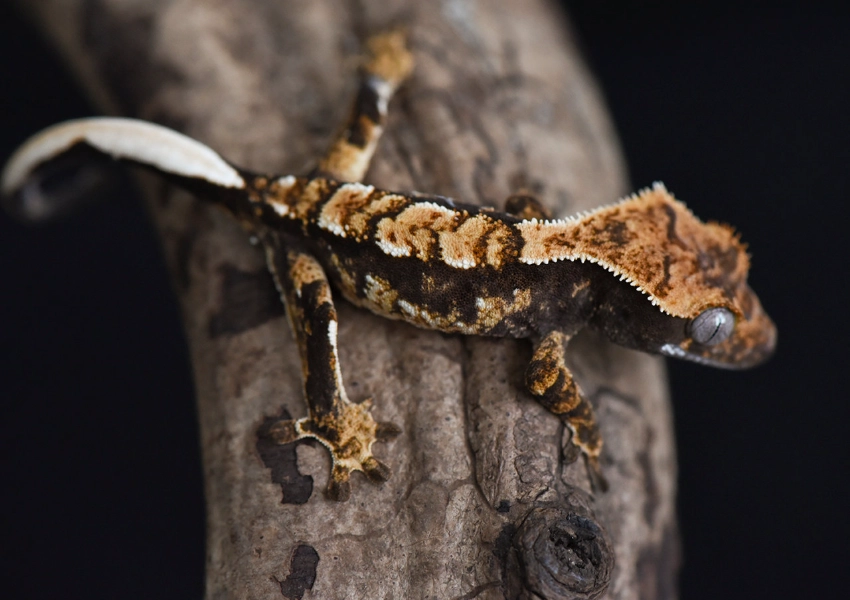
The pattern on a harlequin crested gecko doesn't affect its health, but a healthy gecko will always show its colors and patterns more vibrantly. A dull, washed-out harlequin is often a stressed or unwell harlequin.
Frequently Asked Questions (The Stuff You're Actually Searching For)
Yes, absolutely. Their care requirements are among the simplest for reptiles. The challenge for a beginner isn't the daily care, it's the discipline to set up the right environment before bringing one home. If you can invest in the proper tall tank, maintain humidity, and resist overhandling, you'll do great.
With proper care, 15-20 years is common. This is a long-term commitment, not a short-term pet. That little $200 baby could be with you through college, a career change, and maybe even your first kid heading to school.
This is a hard no for males. They will fight, often to the death. Female pairs or trios can work in a very large, heavily planted enclosure with multiple feeding stations, but it requires expert-level monitoring for bullying and stress. For 99% of owners, especially beginners, house them alone. They are not social animals and do not get lonely.
Yes! All crested geckos can "fire up" (become darker and more vibrant) and "fire down" (become paler). This is based on mood, temperature, time of day, and stress. Your bright orange harlequin might look pale tan during the day and then explode with color at night. It's normal and fascinating to watch.
Avoid general pet stores. Seek out specialized reptile breeders online (MorphMarket is a major hub) or at reptile expos. A good breeder will be able to show you pictures of the parents, tell you the hatch date, and answer detailed care questions. They care about where their animals go.
Final Thoughts: Is a Harlequin Crested Gecko Right for You?
Look, I love my harlequin. Coming home and seeing his little patterned face peeking out from a leaf is a genuine joy. But he's not an interactive toy. He's a beautiful, low-maintenance-but-specific-needs pet that lives a long time.
Get a harlequin crested gecko if: you're fascinated by their looks, you're willing to invest in a proper tall setup upfront, you enjoy observing more than constant handling, and you want a pet that doesn't need daily feeding or walks.
Maybe reconsider if: you're on a very tight budget for the initial setup, you want a cuddly pet you can hold for hours, you travel constantly with no one to mist the tank, or you're not ready for a 15+ year responsibility.
If you do take the plunge, do the research, set up the tank in advance, and find a good breeder. That stunning harlequin crested gecko will reward you with years of quiet, fascinating companionship. It's a little piece of the rainforest, with a paint-splatter pattern, right in your living room.
And if you get one, don't stress over every little thing. They're tougher than they look. Just get the basics right—the tall space, the humidity, the good food—and you'll both be fine. Trust me, I've been there.
Reader Comments