Navigating the Night Light Guide
If you're standing in the pet store aisle, staring at a wall of blue, red, and purple bulbs labeled "night heat" or "moonlight," wondering, "Should I have a night light for my leopard gecko?" – you are absolutely not alone. It's one of the most common questions new and even experienced reptile keepers grapple with. The marketing makes it seem like a no-brainer: a gentle light for nighttime viewing and warmth. But here's the thing the packaging doesn't always tell you: what's convenient for us isn't always what's healthy for them.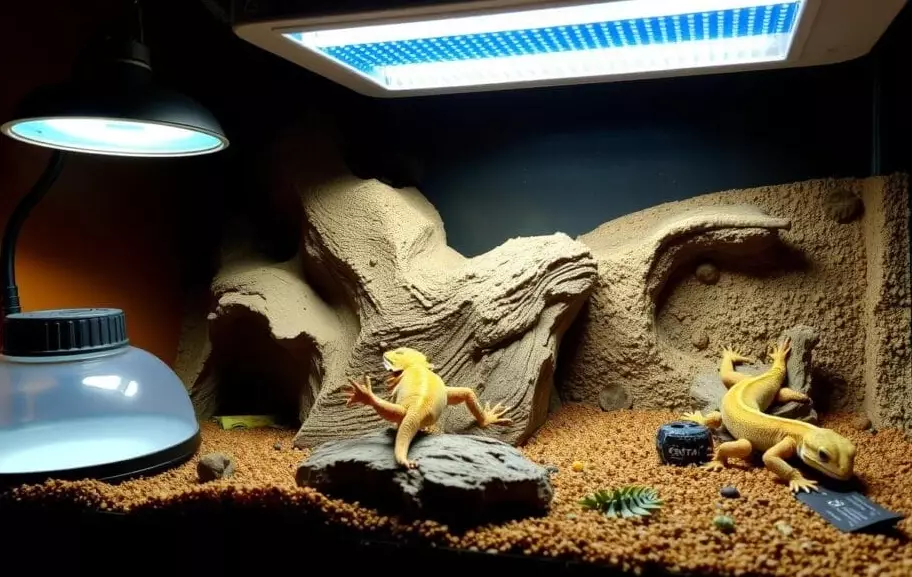
I remember setting up my first leopard gecko tank years ago. I bought the kit, which included a little red bulb. I thought it looked cool, like a tiny reptile disco. My gecko, however, seemed less enthusiastic. He was often hiding during times I expected him to be out. It took some deep diving into care sheets and talking with seasoned breeders to realize my setup, while well-intentioned, was fundamentally flawed for his needs. The answer to "should I have a night light for my leopard gecko" is more nuanced than a simple yes or no, and getting it wrong can quietly impact their quality of life.
Quick Takeaway: For most leopard gecko owners, the answer is leaning towards no for colored bulbs (red, blue, purple), but a qualified yes for non-light emitting heat sources. The core of their care isn't about light at night; it's about maintaining proper heat without disrupting their natural day/night cycle.
Why the "Night Light" Question is So Tricky
The confusion stems from mixing up two separate but equally crucial needs: nighttime heating and nighttime lighting. They are not the same thing. Leopard geckos, being ectotherms, often need supplemental heat at night, especially if your house gets cool. But they do not need, and are often stressed by, visible light during their active periods. Marketing has successfully bundled these concepts into one product—the colored night bulb—which solves a human desire (to see our pets) but creates a potential problem for the animal.
So, before we get into the alternatives, let's break down the two main sides of this debate. You'll hear strong opinions in both camps.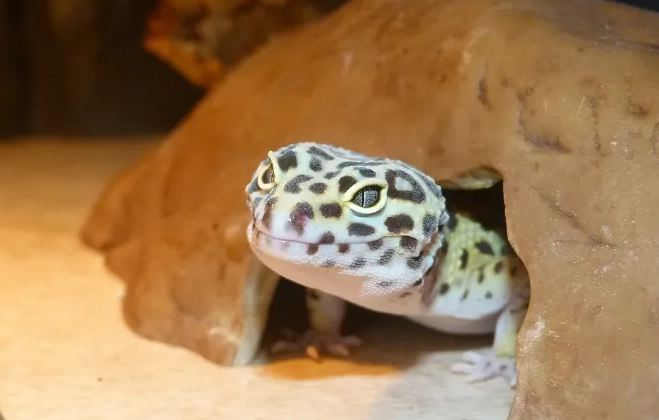
The Case For Using a Night Light (The Common Arguments)
- Provides Necessary Heat: It keeps the tank warm when the main daylight heat source is off.
- Allows for Nighttime Viewing: You get to watch your gecko explore and hunt during their natural active hours without turning on a bright room light.
- Simulates Moonlight: Some believe low-level blue or white bulbs mimic natural moonlight.
- Convenience: It's an easy, all-in-one solution sold everywhere.
The Case Against Using Colored Night Lights (The Welfare Arguments)
- Disrupts Circadian Rhythms: Leopard geckos can see the light from red and blue bulbs. It's not invisible to them. This can confuse their internal day/night clock, leading to stress and altered behavior.
- Potential for Eye Strain: There is anecdotal evidence and growing concern among breeders that constant exposure to colored light, especially red, may affect their vision over time.
- It's Unnatural: In their native arid, rocky environments of Afghanistan and Pakistan, nights are dark. They are adapted to function in low-light conditions using their other excellent senses.
- Can Inhibit Natural Behavior: A stressed gecko is a hiding gecko. You might actually see less of them if the light is causing discomfort.
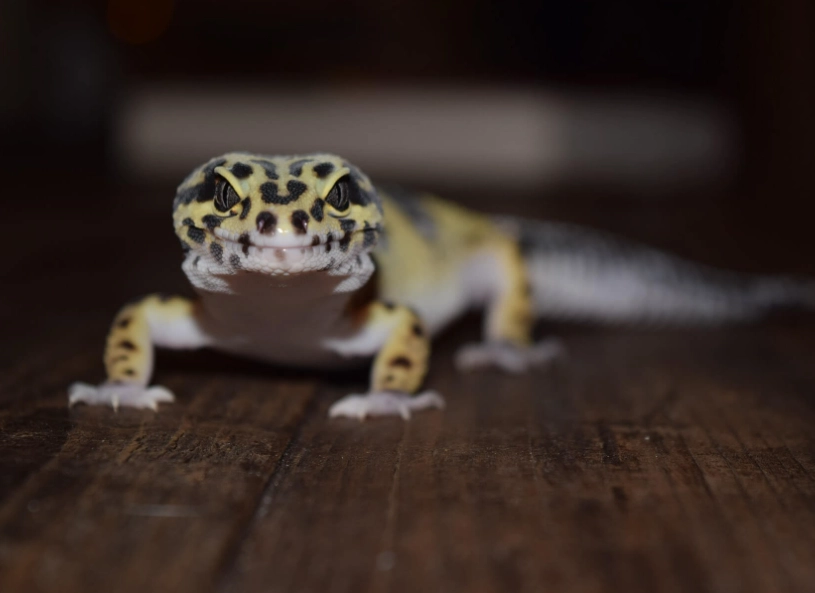
See the conflict? One side prioritizes function and human observation, the other prioritizes reptile biology and welfare. When you frame the question as "should I have a night light for my leopard gecko for its benefit," the scale starts to tip.
Understanding Your Gecko's World: They Are Crepuscular
This is the single most important concept to grasp. Leopard geckos are not nocturnal. They are crepuscular. Big word, simple meaning: they are most active at dawn and dusk. In the wild, this is when light levels are low, temperatures are moderate, and their insect prey is out and about.
Think about a natural dusk. The sun has set. The world isn't pitch black immediately, but it's certainly not lit by a red or blue sun. It's dim, shadows are long, and colors are muted. This is the environment their physiology and behavior are fine-tuned for. Placing a colored bulb over their tank at night is like having a permanent, weirdly tinted sunset that never ends. It's no wonder it can cause confusion.
The Herpetological Association notes that respecting a reptile's natural photoperiod (light cycle) is a cornerstone of ethical captive care. Forcing a light-based activity period on an animal adapted for low-light activity misses the point of what makes them unique.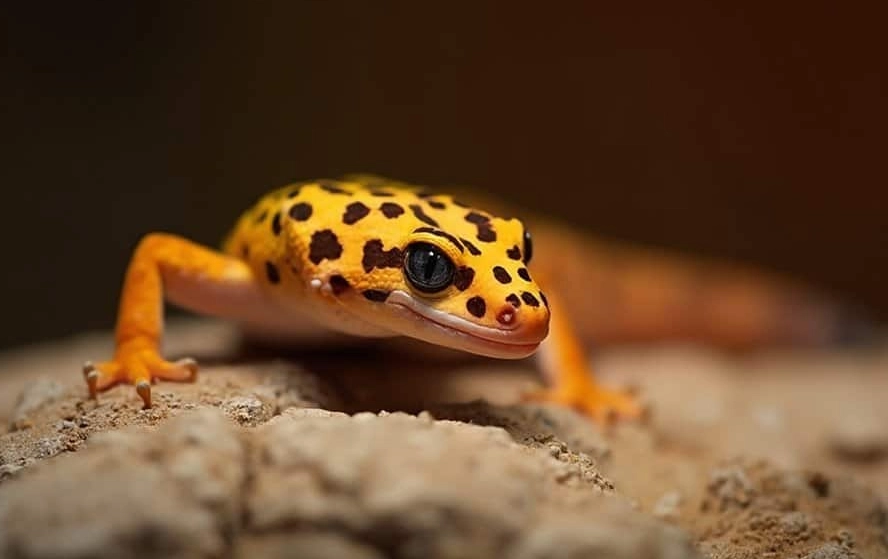
Pro Tip: If you want to observe your gecko's natural behavior, try using a very dim, indirect room light, like a lamp across the room, or a small LED book light pointed at the ceiling for ambient glow. Even better, use a non-light emitting heat source (we'll get to those) and let your eyes adjust to the dark. You'll be surprised how much you can see once they feel safe and unobserved.
Breaking Down the Heating Options: A Side-by-Side Comparison
Alright, so if colored bulbs are problematic, how do we keep our geckos warm at night? This is where we separate the concept of light from heat. Here’s a straightforward comparison of your main options.
| Heating Method | Emits Visible Light? | Best For | Key Considerations | My Personal Take |
|---|---|---|---|---|
| Ceramic Heat Emitter (CHE) | No | Primary nighttime heat; 24/7 heat in cool climates. | Must be used in a ceramic socket (not plastic) with a thermostat. Provides heat only, no light. Excellent for maintaining ambient air temperature. | My go-to recommendation. It's reliable, safe with a thermostat, and completely dark. It solved my heating issues instantly. |
| Deep Heat Projector (DHP) | No | Nighttime & daytime heat; penetrates tissue more effectively than a CHE. | Also requires a thermostat and ceramic socket. Provides a more natural, sun-like infrared heat spectrum. More expensive but highly regarded. | A fantastic, welfare-forward upgrade if your budget allows. It mimics the sun's heat better than any other bulb. |
| Under Tank Heater (UTH) / Heat Mat | No | Creating a warm surface (belly heat) for digestion. | Must be regulated by a thermostat to prevent burns. Does little to warm the air. Should be placed under one side of the tank only. | A good secondary heat source for belly heat, but I don't rely on it alone for ambient warmth. The thermostat is non-negotiable. |
| Red/Blue/Colored "Night" Bulb | Yes | Human nighttime viewing (not primarily reptile welfare). | Can disrupt sleep cycles and cause stress. Geckos can see the light. Not recommended as a primary heat source by advanced keepers. | I don't use these anymore. The potential downsides aren't worth the minor convenience. There are just better ways. |
| "Moonlight" or Low-Watt White/Blue LED Bulbs | Yes | Extremely dim aesthetic lighting for very short periods. | If used at all, should be incredibly dim, on a timer for only 1-2 hours at peak activity, and not the main heat source. | Better than red bulbs, but still not ideal. I'd only consider this for a brief viewing period, not all night. Tread carefully. |
Looking at this, the path becomes clearer. When you seriously ask yourself, "Should I have a night light for my leopard gecko?" you're really asking, "What's the best way to provide nighttime heat without light pollution?" And the answer, for most, is a Ceramic Heat Emitter or Deep Heat Projector on a thermostat.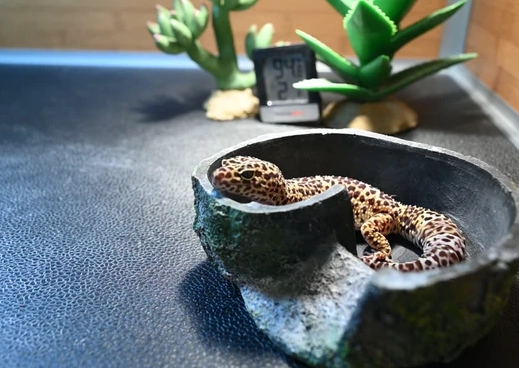
Setting Up the Ideal 24-Hour Heat Cycle
Let's translate this into a practical setup. Your goal is to create a thermal gradient and a light cycle that mimics a natural rhythm.
Daytime (12-14 hours): The Basking Zone
Use a white light heat source for the day. This can be a halogen bulb (excellent for creating a hot basking spot) or a standard incandescent bulb. This provides both light and heat, signaling "daytime." The basking surface temperature should be around 88-92°F (31-33°C). The cool side of the tank should be in the mid-70s°F (23-25°C). A separate, low-output UVB light is also a fantastic addition for long-term health, as discussed by resources like the Association of Reptilian and Amphibian Veterinarians, though it's a separate topic from nighttime heating.
Nighttime (10-12 hours): The Warm Darkness
When the daytime heat/light goes off, the temperature should not plummet. If your room stays above 68-70°F (20-21°C), you might not need extra heat. But most homes get cooler. This is where your CHE or DHP kicks in, controlled by a thermostat set to keep the warm side around 70-75°F (21-24°C). The key is that this happens in total darkness visible to the gecko. The heat is there, the light is gone. This perfectly supports their crepuscular nature.
Critical Gear: A good digital thermometer/hygrometer with probes (one for the warm side, one for the cool side) and a reliable thermostat for any heating element are not optional. They are the backbone of safe and effective reptile heating. Guessing temperatures is a recipe for trouble.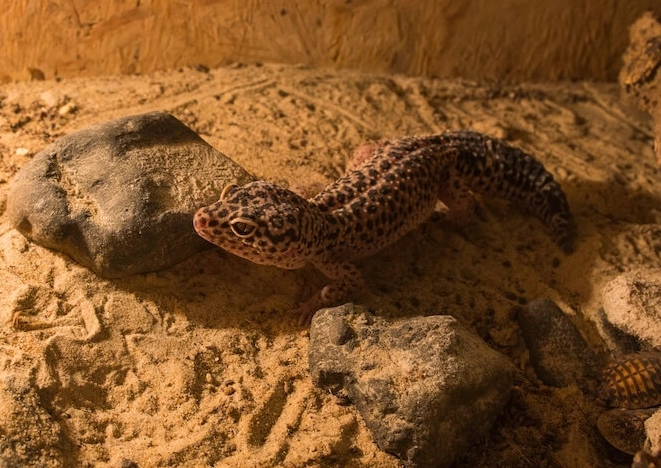
Answering Your Burning Questions (FAQ)
My gecko seems more active with the red light on. Doesn't that mean he likes it?
Not necessarily. Activity under a red light can be interpreted in a few ways. It could be that the light is providing needed warmth, and he's moving to thermoregulate. It could also be a stress response—he's active because the abnormal light is disruptive, not because he enjoys it. It's like assuming a person pacing in a bright, noisy room is having fun. They might just want the noise to stop. The best indicator of a content gecko is natural, relaxed behavior (hunting, exploring, basking) during their normal crepuscular hours in appropriate conditions, followed by resting and hiding during the day and deepest night.
What about a blue "moonlight" bulb? It seems gentler.
Blue light is actually more disruptive to circadian rhythms in many animals (including humans) than warmer-colored light. While it may appear dim and "cool" to us, it's still a visible, unnatural light source for your gecko. The same welfare concerns apply. If your primary goal is heat, choose a non-light emitter. If your goal is to see your pet, explore the indirect lighting methods mentioned earlier.
How can I check the temperature at night without disturbing him?
This is a great practical question. The solution is a thermometer with a minimum/maximum memory function or a probe that stays in the tank connected to a display outside. You can check the nightly low temperature in the morning without ever shining a light into the enclosure. A handheld infrared temperature gun is also a superb tool for a quick, no-contact spot check of surface temperatures.
I've used a red light for years and my gecko is fine. Why change?
This is a fair point. Reptiles are tough and can tolerate suboptimal conditions for a long time without showing obvious signs of illness. "Fine" isn't the same as "thriving." The move away from colored lights is based on a deeper understanding of reptile perception and welfare. It's an upgrade, like moving from a cramped tank to a properly sized enclosure. You might not have noticed subtle signs of stress (like excessive hiding during your viewing time, or slightly off-color patterns). Switching to a non-light heating method is a low-cost, high-impact way to potentially improve your pet's long-term well-being. Why not give them the best?
So, the final verdict: Should I have a night light for my leopard gecko?
Let's reframe the question one last time. Should you provide nighttime heat? Quite possibly, yes, especially if your home gets cool. Should you provide nighttime light? For the gecko's sake, the answer is a strong no. The core of modern leopard gecko care is providing that essential nighttime warmth through invisible means—a Ceramic Heat Emitter or Deep Heat Projector regulated by a thermostat.
This approach prioritizes what the animal needs over what we might find convenient. It creates an environment where they can express their natural crepuscular behaviors without the constant, low-grade stress of an artificial sun that never sets. It's a quieter, darker, and in my opinion, more respectful way to share your home with these fascinating little creatures.
Making the switch simplified my routine, too. No more worrying about if the color was wrong or the bulb was too bright. Just consistent, reliable heat. My geckos became more predictably active during those dusk and dawn hours, and I felt better knowing their environment was closer to what they evolved for. It’s a small change with a big philosophical shift behind it: from keeping a pet to stewarding a life.
Reader Comments