I've kept leopard geckos for over a decade, and this question pops up more than any other from new owners. You look at your gecko, then at the salad in your own bowl, and wonder. It seems like a harmless act of sharing. But here's the straight answer right up front: No, leopard geckos should not eat vegetables, fruits, or any plant matter as food. Offering veggies isn't just pointless; it can actively harm them. This isn't a matter of preference—it's a fundamental mismatch of biology.
What You'll Learn in This Guide
Why Their Bodies Can't Handle Plants
Leopard geckos are obligate insectivores. Think of them as the feline equivalent of the reptile world. A cat wouldn't thrive on grass alone, and your gecko won't thrive on lettuce.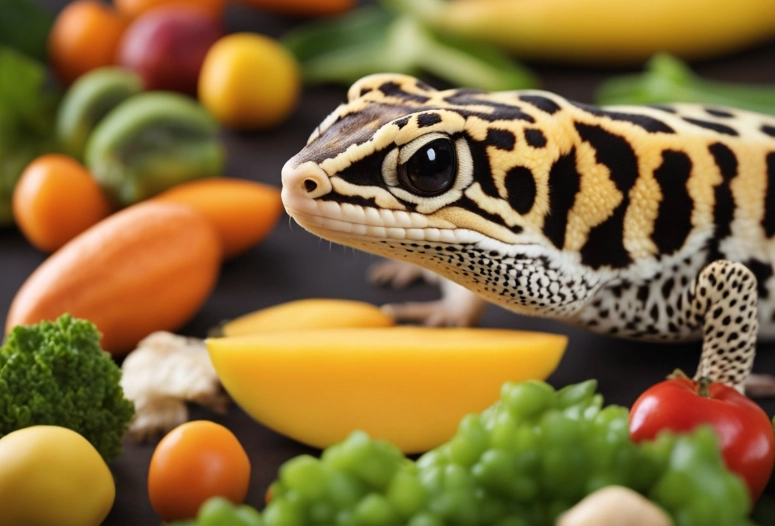
Their entire digestive system is a short, acidic pipeline designed for one job: breaking down chitin (insect exoskeletons) and animal protein. They lack the elongated colon and complex gut flora that herbivores and omnivores use to ferment and break down cellulose (plant fiber).
The Enzyme Problem: This is the subtle detail most care sheets miss. Mammals produce an enzyme called cellulase to start breaking down fiber. Leopard geckos produce zero. When plant matter enters their gut, it just sits there. It doesn't get digested; it just takes up space and starts to dehydrate, becoming a perfect plug for impaction.
Their teeth tell the same story. They're small, pointed, and perfect for grabbing and puncturing wriggling prey, not for grinding tough plant material.
The Real Dangers of Feeding Veggies
So what actually happens if you ignore the biology? It's not pretty.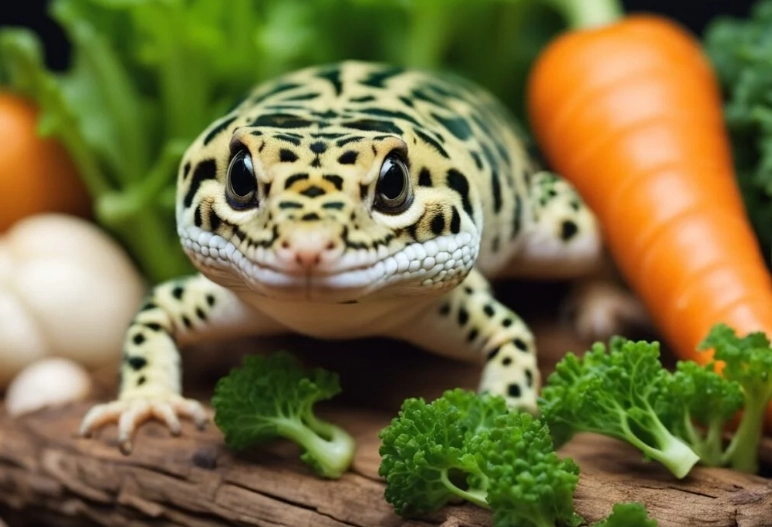
Impaction: The Silent Killer
This is the biggest risk. That undigested plant matter, mixed with substrate like sand (another common mistake), forms a hard, cement-like mass in the intestines. It blocks everything.
Symptoms: A swollen belly, loss of appetite, lethargy, and eventually, no bowel movements. It's painful and, without veterinary intervention, often fatal. An impacted gecko is an emergency.
Nutritional Dilution and Deficiencies
Imagine filling up on bread before a steak dinner. If a gecko fills its tiny stomach with water-heavy, nutrient-void lettuce, it has less room for the nutrient-dense insects it actually needs. This can lead to deficiencies in critical nutrients like calcium and vitamin A over time, causing Metabolic Bone Disease (MBD) and eye issues.
A Personal Observation: I once helped rehome a gecko whose previous owner insisted on "supplementing" with spinach. The gecko was lethargic and had a slightly deformed jaw—early signs of MBD—despite being fed crickets. The spinach wasn't toxic in the classic sense, but it had displaced the space needed for properly gut-loaded and dusted insects, creating a slow-moving deficiency.
Digestive Upset and Diarrhea
For fruits or sweeter veggies, the high sugar and water content can overwhelm their system, causing bacterial imbalances and runny stools. Chronic diarrhea leads to dehydration and weight loss.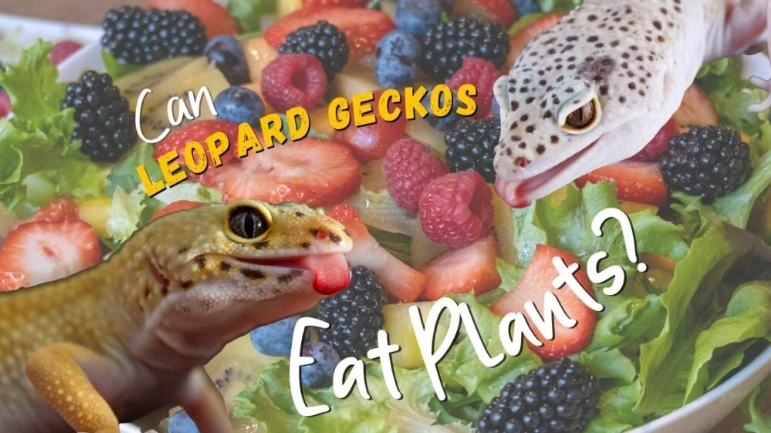
The Complete Safe Diet Guide
Now that we've cleared what not to do, let's build the perfect leopard gecko menu. It's all about variety, preparation, and timing.
| Insect Feeder | Nutritional Profile | How Often to Feed | Pro Tip |
|---|---|---|---|
| Dubia Roaches | High protein, low fat, excellent meat-to-shell ratio. | Staple (2-3 times a week) | My top recommendation. Easy to gut-load, don't chirp, less likely to bite. |
| Crickets | Good protein, stimulates hunting instinct. | Staple (2-3 times a week) | Remove uneaten ones—they can nibble on your gecko. Buy small quantities. |
| Mealworms | Higher fat, moderate protein. Tough chitin. | Treat / Mix-in (once a week) | Don't make them the only feeder. Their hard shells can contribute to impaction if overfed. |
| Black Soldier Fly Larvae (Calciworms/Nutrigrubs) | Exceptionally high calcium, low fat. | Excellent staple or regular addition | You often don't need to dust these with calcium. A fantastic natural source. |
| Silkworms | High protein, low fat, very soft bodies. | Treat (occasionally) | Great for geckos with a history of impaction or older animals. Can be pricey. |
The Non-Negotiables: Gut Loading & Dusting
This is how you safely get plant nutrients into your gecko. You feed the veggies to the insects 24-48 hours before feeding time—a process called gut loading.
Great gut-loading foods: Sweet potato, carrots, leafy greens (kale, collard), squash, and commercial gut-load diets. The insects become living, breathing vitamin capsules.
Then, just before offering the insects to your gecko, you dust them.
- Calcium Powder (without D3): Light dusting at almost every feeding if you don't have UVB lighting.
- Calcium with D3 / Multivitamin: A light dusting once or twice a week, following product guidelines. D3 is crucial for calcium absorption.
This two-step process delivers a complete, balanced nutrient profile perfectly suited to their insectivore digestion.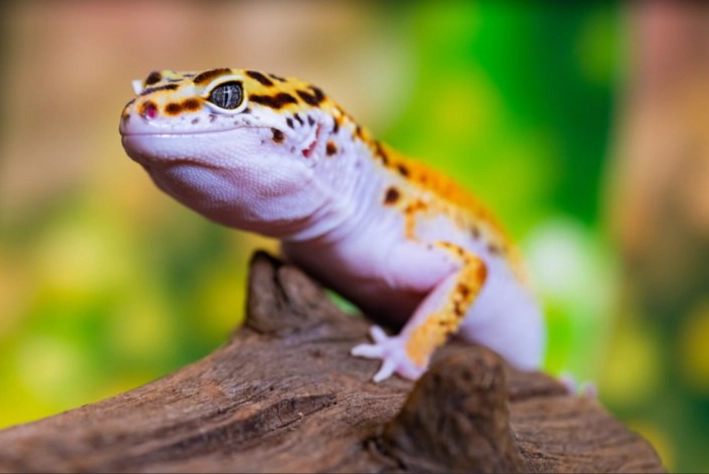
Common Feeding Mistakes to Avoid
Even with the right insects, it's easy to slip up. Here are the pitfalls I see most often.
Feeding insects that are too large. The rule is: no insect wider than the space between your gecko's eyes. Larger prey can cause choking or impaction.
Offering only one type of insect. Just like you wouldn't eat only chicken every day, variety prevents gaps in nutrition and keeps your gecko interested.
Skipping supplements. Even the best gut-loaded insects in captivity can't replicate the wild variety. Dusting is non-optional for long-term health.
Feeding dead or wild-caught insects. Dead insects lose nutritional value fast. Wild insects can carry pesticides or parasites.
Leaving uneaten insects in the tank. Crickets and mealworms can turn on a sleeping gecko and cause nasty bites. Always supervise feeding and remove leftovers.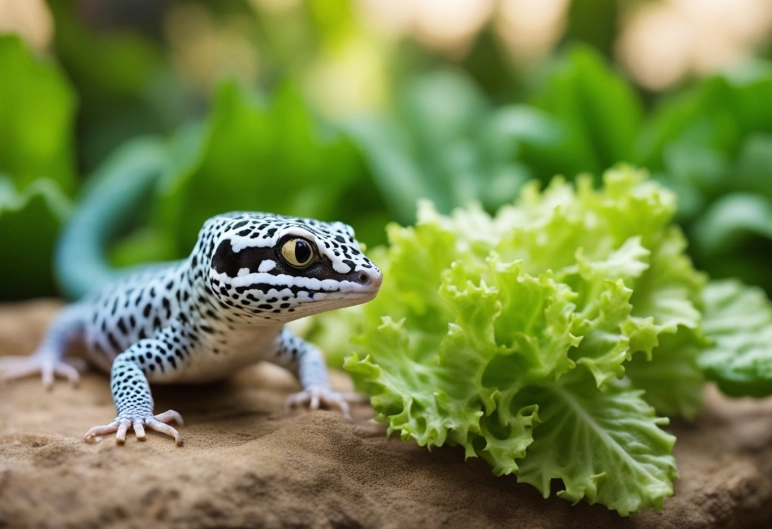
Your Questions, Answered
The bottom line is simple but critical. Respect your leopard gecko's design. Their beauty and longevity come from a diet built for a hunter, not a grazer. By providing a varied menu of appropriately-sized, well-prepared insects, you're giving them the foundation for a healthy, active life that can span over 20 years. Skip the salad bowl, master the feeder insect care, and watch your gecko thrive.
Reader Comments