If you're staring at a full dish of uneaten crickets and a seemingly indifferent leopard gecko, panic starts to creep in. How long is too long? Let's cut straight to the point: a healthy adult leopard gecko can safely go 10 to 14 days without eating, sometimes longer during specific life stages. But that's just the headline. The devil is in the details—age, health, and why they stopped eating change everything.
I've kept and bred these lizards for over a decade. I've seen plump adults snooze through winter fasts and watched helplessly as a juvenile crashed in just three days. The generic "one to two weeks" advice you find everywhere is dangerously incomplete. It misses the critical nuance that separates a normal fast from a medical emergency.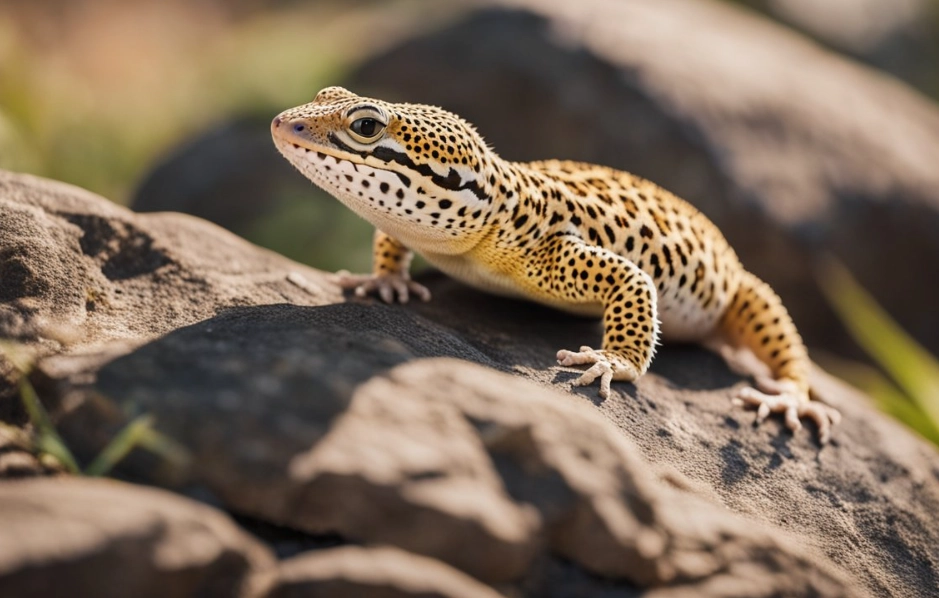
What You Need to Know
How Long Is Too Long? The Critical Timeline
You cannot apply one rule to all geckos. Their ability to fast is directly tied to their fat reserves, which are stored in their tails. A fat tail is a lifeline.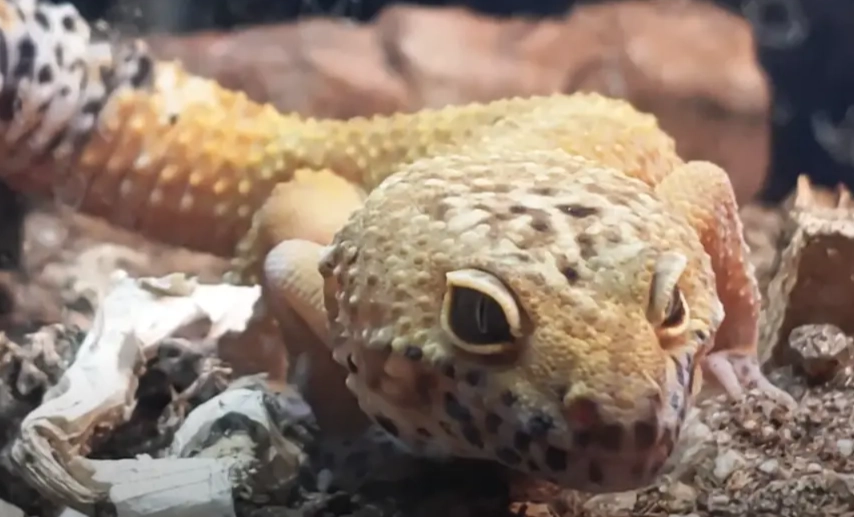
The Adult Leopard Gecko (6+ months)
With a plump, full tail, a mature gecko is built for periods of scarcity. In the wild, food isn't a daily guarantee. Their biology expects this.
10-14 days is the general safe window for a healthy adult with no underlying issues. During brumation (a reptile's version of hibernation, often triggered by cooler winter temperatures), this can extend to several weeks or even a couple of months with minimal activity. Their metabolism slows way down.
But here's the non-consensus part: even during a fast, they still need fresh water daily. Dehydration will kill them long before starvation. Check that water dish.
The Juvenile or Sick/Underweight Gecko
This is where the standard advice fails. A gecko under 6 months, or one with a skinny tail, has no safety net.
3-5 days is the maximum you should wait before serious intervention. For a hatchling, even 24-48 hours of not eating is cause for concern. Their primary job is to grow, and they burn energy at a staggering rate.
| Gecko Status | Safe Fasting Period (Approx.) | Key Consideration |
|---|---|---|
| Healthy Adult (Fat Tail) | 10 - 14 days | Normal during seasonal brumation or stress events. |
| Adult in Brumation | 2 weeks - 2 months | Ensure proper cool-down temps (68-75°F) and water access. |
| Juvenile (Under 6 months) | 3 - 5 days MAX | Requires immediate troubleshooting after 24 hours. |
| Underweight/Sick Gecko | Consult a vet after 3-4 days | Fasting accelerates health decline; tail reserves are low. |
| Gravid (Egg-carrying) Female | May eat sporadically | Needs high calcium; refusal close to laying is normal. |
See the difference? Treating a juvenile like an adult is a classic, often heartbreaking, mistake.
Why Your Leopard Gecko Might Stop Eating
Finding the "why" is more important than marking days on a calendar. Let's run through the list, from most common to most serious.
Environmental Stress: This is culprit number one. A new enclosure, a recent move, loud noises, or too much handling can shut down their appetite. They need to feel secure.
Incorrect Temperatures: If the warm hide isn't between 88-92°F (31-33°C) on the surface, they can't digest. I can't stress this enough. People measure air temp, not the ground temp where the gecko's belly sits. Get an infrared thermometer gun. A cool gecko is a hungry gecko that won't eat.
Shedding: Their skin gets tight and vision cloudy. They feel vulnerable and often won't eat until the process is complete. Provide a humid hide.
Brumation: In cooler months, with shorter daylight hours, they may slow down and eat little to nothing for weeks. This is natural if they are healthy going into it.
Diet Boredom or Feeder Issues: Imagine eating only mealworms for months. Try offering crickets, dubia roaches, or black soldier fly larvae. Also, are your feeders gut-loaded? A nutrient-poor insect is barely worth the energy to catch.
Parasites or Illness: Internal parasites (like pinworms or coccidia) are common and can destroy appetite. Other signs include lethargy, runny stools, or weight loss. This requires a vet visit and a fecal exam.
Impaction: Caused by eating loose substrate (like sand) or overly large feeders, blocking the digestive tract. Symptoms include no feces, a swollen abdomen, and lethargy. This is an emergency.
What to Do When Your Leopard Gecko Isn't Eating
Don't just wait. Be a detective. Follow this action plan.
First 24-48 Hours: Double-check your husbandry. Temp gun the warm hide floor. Check the cool side is below 80°F. Verify humidity (30-40% is ideal). Ensure there are at least two snug hides. Remove any obvious stressors.
Try a different feeder insect. Sometimes, a wiggling cricket stimulates a feeding response where a motionless worm does not.
Days 3-5 (Adults) / Immediately (Juveniles): If temps and setup are perfect, consider a vet visit to rule out parasites. It's the smartest money you'll spend. In the meantime, you can try offering a drop of pure, organic pumpkin puree (not pie filling) or a tiny bit of Repashy Grub Pie slurry on their nose. They might lick it off, giving them some calories and hydration.
Critical Support: Hydration is key. Offer water via a dropper on their snout if needed. Some keepers give a lukewarm, shallow bath (belly-deep only) for 10 minutes to encourage drinking and potentially help with mild impaction. Never force-feed without veterinary guidance—you can cause aspiration pneumonia.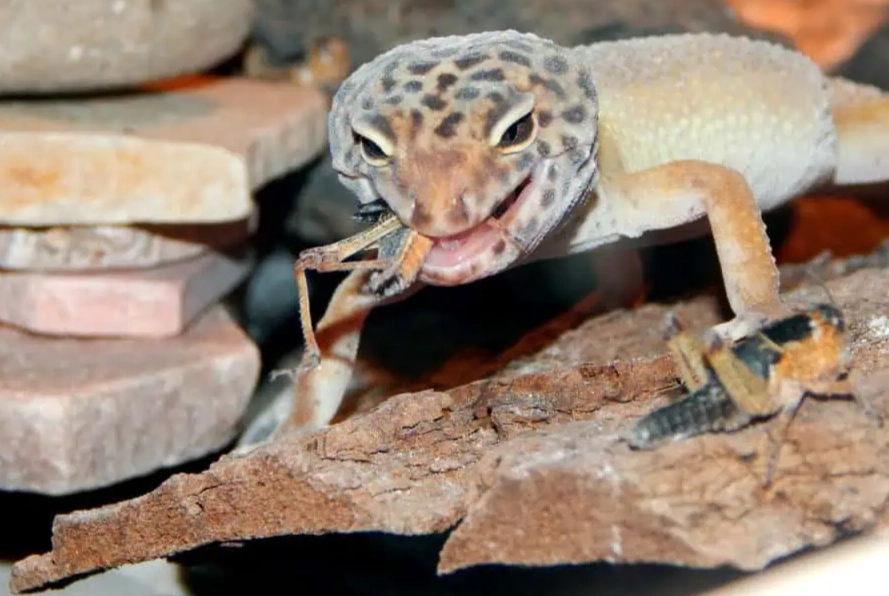
Red Flags: When Fasting Becomes Starving
Time alone isn't the best indicator. Look for these physical signs that things are going south.
Rapid Weight Loss: The tail is your fuel gauge. A healthy tail is wide and plump. If it becomes thin, narrow, and bony, the gecko is burning muscle and organ tissue. This is a major emergency.
Lethargy Beyond Normal: Every gecko is a bit lazy, but if yours stops moving between hides, seems weak, or can't hold its head up, it's critical.
Sunken Eyes or Stuck Skin: Signs of severe dehydration. The skin loses elasticity.
If you see any of these, skip the online forums and go straight to an exotic/reptile veterinarian. The Association of Reptilian and Amphibian Veterinarians (ARAV) website has a locator tool.
Your Questions, Answered
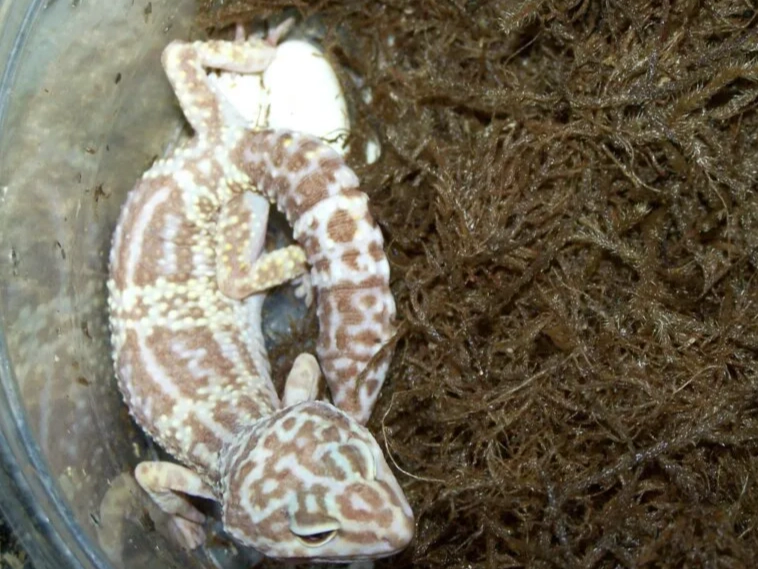 The bottom line? Context is king. A fat-tailed adult skipping meals during a cold snap is likely fine. A skinny juvenile ignoring food is a five-alarm fire. Use the tail as your guide, master your temperature settings, and don't hesitate to seek professional help. Your vigilance is what turns a potentially scary fast into a manageable part of leopard gecko ownership.
Reader Comments