Quick Guide to Striped Gecko Care
So you're thinking about getting a striped gecko. Maybe you saw a picture online of this cute little lizard with striking lines down its back and got curious. I get it, they're fascinating creatures. But here's the thing – "striped gecko" isn't just one specific animal. It's a description that fits several different species, and each has its own quirks and care needs. Jumping in without knowing which one you're dealing with is a recipe for stress, both for you and the gecko.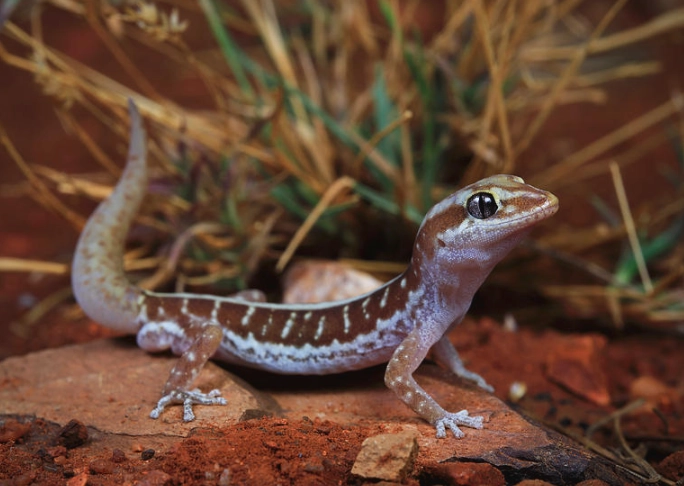
I remember when I first got into reptiles, the terminology threw me for a loop. I thought a gecko was just a gecko. Boy, was I wrong. This guide is here to save you that confusion. We're going to break down exactly what people mean when they say "striped gecko," figure out which one you might actually be looking at (or already have), and then dive deep into how to care for it properly. Because let's be honest, a pet that lives 10-20 years deserves a good start.
What Exactly Is a "Striped Gecko"?
This is where most online searches get messy. You type in "striped gecko" and get a dozen different pictures. Some are bright green, some are brown, some have bold stripes, others have faint patterns. It's enough to make your head spin. The term isn't a scientific classification; it's a common name based on appearance. It's like calling all small red birds "cardinals." Not quite accurate.
Primarily, when pet keepers talk about a striped gecko, they're usually referring to one of two main groups:
The Madagascar Day Gecko Crew
These are the showstoppers. Think vibrant green bodies with red stripes or spots. They're active during the day (diurnal), which means you actually get to watch them do their thing. The most famous member is the Gold Dust Day Gecko (*Phelsuma laticauda*). It's a classic. Bright green with red speckles and stripes on its head and back. They're stunning, but I'll be upfront – they're not the most handleable. Fast and a bit fragile, they're more of a "look, don't touch" pet. Their care is specific, needing high humidity and UVB light. Miss those, and their colors fade fast.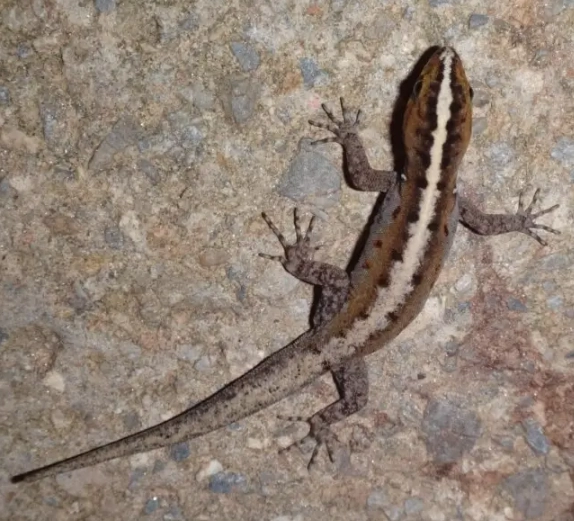
The Ground-Dwelling Striped Crew
This group is often what beginners stumble upon. They're tougher, more terrestrial, and often more tolerant of handling. The poster child here is a color morph of the ever-popular Leopard Gecko (*Eublepharis macularius*). Wild-type leopard geckos have spots, but selective breeding has produced stunning "patternless" or "jungle" morphs that sometimes express as crisp, clean stripes running from head to tail, especially as juveniles. These are fantastic first reptiles. No sticky toe pads, hearty appetites, and those cute, blinking eyelids.
Then there's the African Fat-Tailed Gecko (*Hemitheconyx caudicinctus*). Often overshadowed by its leopard cousin, this guy is a gem. It's typically more relaxed, comes in beautiful striped morphs (like the "banded" or "striped" pattern), and has that adorable, chunky tail. They prefer slightly higher humidity than leopard geckos but are otherwise similar in care.
See the problem? A care sheet for a Madagascar day gecko would be disastrous for a fat-tailed gecko. One needs high heat and intense UVB; the other needs moderate heat and lower UVB requirements. This mismatch is why so many new owners run into health issues. You have to know which striped gecko is in your tank.
Setting Up the Perfect Striped Gecko Home (The Right Way)
Alright, let's assume you've figured out your species. For the sake of covering the most common scenario, I'm going to focus this deep-dive on the care for a terrestrial, beginner-friendly striped gecko, like a striped morph Leopard or African Fat-Tailed Gecko. These are the ones most people end up with when they search for a pet.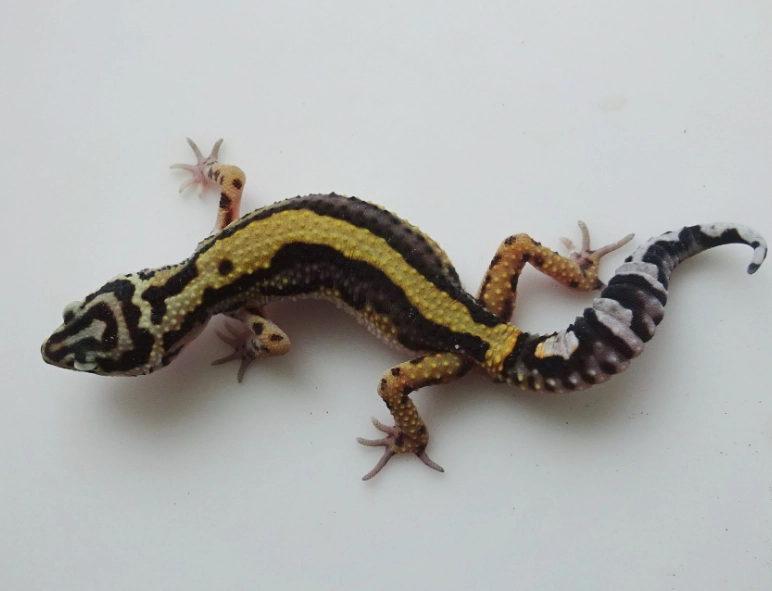
Setting up the enclosure isn't just about throwing in some sand and a rock. It's about recreating a slice of their natural environment. A stressed gecko is a hiding gecko, and you want to see your pet, right?
The Tank: Size Matters More Than You Think
A 10-gallon tank is for babies. An adult striped gecko, even a small one, needs room to explore, hunt, and thermoregulate. The absolute minimum for one adult is a 20-gallon long tank (30" x 12" x 12"). That's the floor space they need. I made the mistake of starting with a 10-gallon for my first leopard gecko, and within months I was upgrading. He became so much more active and curious in the bigger space. Go big from the start. A 40-gallon breeder is even better and gives you more layout options.
Front-opening terrariums are a game-changer. Reaching in from above feels like a predator attack to them. Front doors make maintenance and interaction less stressful for everyone.
Heat and Light: Creating a Gradient
This is non-negotiable. Reptiles are ectotherms. They don't make their own heat; they rely on their environment. You must provide a temperature gradient.
- Warm Side: 88-92°F (31-33°C). This is where you place an under-tank heater (UTH) connected to a thermostat. Yes, a thermostat. It's the most important piece of equipment you'll buy. An unregulated heat mat can and will cause severe burns. This warm spot aids digestion.
- Cool Side: 70-75°F (21-24°C). Your gecko needs a place to cool down.
- Nighttime Drop: It's okay for the temp to drop to the high 60s at night. No night lights—they disrupt their day/night cycle. Use a ceramic heat emitter if your room gets too cold.
What about UVB? For leopard and fat-tailed geckos, it's a topic of debate. They are crepuscular (active at dawn/dusk). The old school of thought said they didn't need it. The new school, supported by better research, suggests low-level UVB (a 5.0 or 2% T5 bulb, covering half the tank) can be beneficial for their overall health, calcium metabolism, and well-being. It certainly won't hurt if set up correctly. For day geckos, UVB is 100% mandatory.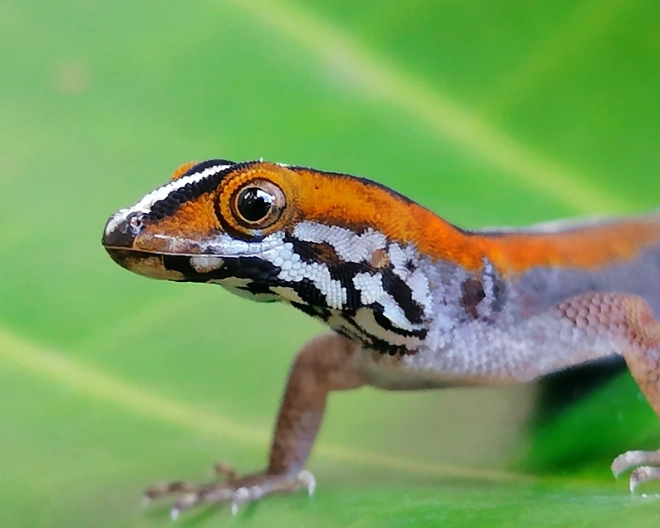
Substrate: The Flooring Debate
This is a hot-button issue in reptile communities. Loose substrate versus solid. For juvenile striped geckos, I always recommend paper towel. It's safe, sterile, and easy to monitor their droppings. For healthy adults, a loose substrate can be used if you're confident in your husbandry, but the choice is critical. Impaction (intestinal blockage) is a real risk with the wrong stuff.
| Substrate Option | Pros | Cons | Verdict |
|---|---|---|---|
| Paper Towel / Tile | 100% safe, easy to clean, cheap. | Not natural-looking, doesn't hold burrows. | Top choice for beginners and quarantines. |
| Pre-Packaged "Gecko" Sand | Looks desert-like. | High impaction risk, unnatural for species that don't live on dunes. | Avoid it. Seriously, just don't. |
| 70% Topsoil / 30% Play Sand Mix | Natural, holds burrows, safe if ingested in small amounts. | Can be messy, must be sourced carefully (no fertilizers). | Excellent for bioactive setups for experienced keepers. |
| Commercial Coconut Fiber | Good for humidity, holds shape. | Can be dusty when dry, not ideal for arid species. | Better for Fat-Tails than Leopards. |
My personal go-to for my adult leopard gecko is a simple, textured slate tile. It looks nice, files his nails down naturally, and is zero risk. Sometimes the simple solution is the best.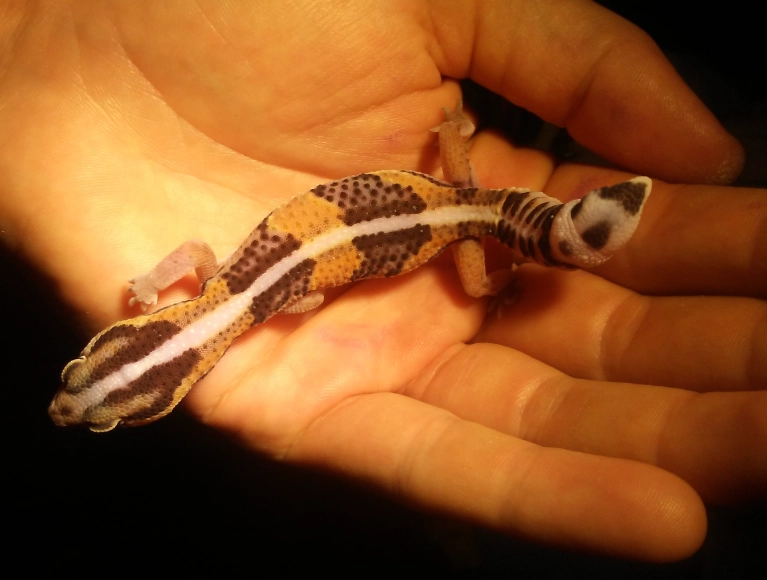
Furniture and Hides: Security is Everything
A bare tank is a scary tank. Your striped gecko needs at minimum three hides:
- A Warm Hide: Placed directly over the UTH. This is their digestion lounge.
- A Cool Hide: On the opposite side. Their chill-out zone.
- A Humid Hide: This is crucial. A small container (like a Tupperware) with a hole cut in the side, filled with damp (not wet) sphagnum moss or paper towel. It helps them shed properly. Place it in the middle of the gradient.
Add some clutter: fake plants, cork bark flats, rocks. They like to move around without feeling exposed. A shallow water dish completes the setup. Change the water daily.
Feeding Your Striped Gecko: More Than Just Crickets
You can have the perfect setup, but if the diet is off, your gecko won't thrive. These guys are insectivores. That means insects. No fruit, no veggies for our terrestrial friends.
Variety is the spice of life, and the key to nutrition. A staple of gut-loaded crickets or dubia roaches is great, but you should rotate in other feeders:
- Dubia Roaches: My favorite. Nutritious, can't climb smooth surfaces, don't chirp, and live a long time.
- Crickets: The classic. Noisy, smelly if they die, and can bite your gecko. But readily available.
- Mealworms: Fatty. Use as a treat, not a staple. Their hard chitin can be tough to digest.
- Black Soldier Fly Larvae (Calciworms): Amazing calcium content. A fantastic regular addition.
- Waxworms / Butterworms: Like gecko candy. Super fatty and addictive. Use only as a rare treat for a picky eater or to fatten one up.
Supplementation is NOT optional. You need two powders:
- A Calcium with D3 supplement: Dust on feeders at every other feeding if you are NOT using UVB.
- A Multivitamin supplement: Dust on feeders once a week.
If you are using proper UVB lighting, you can use a calcium without D3 powder in a small dish in the enclosure (they'll lick it as needed) and the multivitamin with D3 once a week. This gets complicated, so do your research. The Reptifiles care guides are an excellent, science-backed resource for nailing down these details.
How much to feed? For juveniles, offer appropriately sized insects daily. For adults, every other day is fine. A good rule of thumb is to offer as many insects as they will eat in 15 minutes. The width of the insect should be no larger than the space between the gecko's eyes.
Spotting Trouble: Common Striped Gecko Health Issues
Even with perfect care, things can go wrong. Catching a problem early is everything. Here are the big ones to watch for:
Stuck Shed: This is the most common issue, especially on toes and the tail tip. If you see bits of old, dry skin clinging to them, it's a sign your humid hide isn't humid enough. A bad shed can constrict blood flow and lead to toe loss. Increase the humidity in the moist hide. For emergency aid, give them a shallow, lukewarm "sauna" in a container with a damp paper towel for 10-15 minutes, then gently help roll the skin off with a damp Q-tip.
Metabolic Bone Disease (MBD): This is a horrible, preventable disease caused by lack of calcium, improper calcium-to-phosphorus ratios, or lack of UVB. Symptoms include a rubbery, bent jaw (the most telling sign), bowed legs, tremors, and difficulty walking. It's a death sentence if not caught early. This is why supplementation is critical. If you suspect MBD, a reptile vet is needed immediately for calcium injections and care plan adjustments. The American Veterinary Medical Association (AVMA) can help you find a qualified reptile vet in your area.
Impaction: As mentioned, this is a gut blockage, often from loose substrate or oversized feeders. Symptoms include lethargy, loss of appetite, a swollen abdomen, and no bowel movements. Warm soaks and a drop of olive oil (veterinarian advice recommended) can help mild cases. Severe cases need a vet.
Parasites: A new gecko, especially from a large-scale breeder or pet store, can have internal parasites. Foul-smelling, runny stools are a clue. A fecal exam by a vet will diagnose it, and treatment is usually straightforward.
Your Striped Gecko Questions, Answered
Wrapping It Up: Is a Striped Gecko Right for You?
Look, a striped gecko can be an incredible pet. They're quiet, don't need walks, and watching their curious behaviors is endlessly entertaining. That striped pattern, whether it's the bold lines of a jungle morph leopard gecko or the subtle bands of a fat-tail, is a beautiful thing to see up close.
But they're not zero-maintenance. They need specific heat, the right food, and careful attention to detail. The initial setup costs more than the animal itself. You have to be okay with handling insects.
If you're willing to do the research (which you are, since you're here), set up the tank correctly before bringing one home, and commit to its long lifespan, then yes, a striped gecko could be a wonderful addition. Start with a hardy species like a leopard or fat-tailed gecko from a good breeder. Master their care. Then, if you're still hooked, maybe venture into the more delicate world of day geckos.
The goal isn't just to keep it alive, but to help it thrive. Seeing a healthy, alert, well-fed striped gecko exploring its home is the real reward. It means you got it right.
Reader Comments