So, you're looking at your leopard gecko and wondering, "Are you getting old?" It's a question that sneaks up on every reptile keeper. One day they're a zippy juvenile, the next they're moving with a bit more... deliberation. For leopard geckos, hitting the senior citizen status isn't just about a number. It's a shift that demands a change in how we care for them. Based on decades of collective reptile-keeping experience and veterinary insight, a leopard gecko is generally considered old or senior around 15 to 20 years of age. But that's just the starting point. I've seen geckos act "old" at 12 and sprightly ones at 18. The real answer lies in understanding their lifespan and, more importantly, the signs of aging and the specific care they need to thrive in their golden years.
What You'll Learn in This Guide
How Long Do Leopard Geckos Really Live?
Let's bust a common myth first. The old pet store line of "they live 10-15 years" is frankly outdated and reflects average care, not optimal care. With proper husbandry—think correct heating, nutrition, and vet care—a leopard gecko's lifespan is more accurately 15 to 25 years. There are verified records of individuals reaching 30 and even beyond. A study in the Journal of Herpetology on captive reptile longevity consistently shows that reptiles with species-appropriate environments significantly outlive generalized expectations.
Think of it like this: their life is broken into stages.
- Hatchling/Juvenile (0-1 year): Rapid growth, lots of feeding.
- Adult (1-7/8 years): Prime breeding years, stable size and appetite.
- Mature Adult (8-14 years): Still very healthy, but the metabolism begins its gradual slowdown.
- Senior/Old (15+ years): This is where the focus shifts from growth to maintenance and comfort.
The jump from "mature" to "senior" isn't sudden. It's a gradient. Your gecko doesn't wake up one day at age 15 and need a complete overhaul. The changes are subtle, which is why knowing the signs is half the battle.
The Telltale Signs of an Aging Leopard Gecko
Age isn't just a number on a calendar; it's written in their behavior and body. Here’s a breakdown of what to look for, separating normal aging from potential red flags.
| Category | Normal Signs of Aging | Potential Red Flags (See a Vet) |
|---|---|---|
| Appearance | Skin may appear slightly looser, less "plump." Colors might fade a bit or become more muted. Some develop small, harmless lipomas (fatty lumps). | Rapid weight loss, sunken eyes, visible spine/hip bones, open sores, large or growing lumps. |
| Behavior & Activity | More time spent sleeping or basking. Less intense hunting behavior (may wait for food). Movements are slower, more deliberate. | Complete lack of movement, constant hiding with no basking, circling, head tilting, inability to walk properly. |
| Eating & Digestion | Reduced appetite. May eat smaller meals less frequently. Digestion can be slower. | Complete refusal of food for weeks, regurgitation, persistent diarrhea, or no bowel movements. |
| Health & Senses | May develop mild cataracts (cloudy eyes). Shedding might take longer or require more assistance. | Thick, retained shed, eye infections, labored breathing, persistent stuck shed on toes. |
One subtle sign almost no one talks about? Change in vocalization. An older gecko might squeak or chirp more frequently when handled, not out of fear, but because arthritic joints or thinner skin makes them more sensitive to touch. It's a cue to handle them even more gently and support their entire body.
Arthritis: The Silent Ache
This is huge. Reptile arthritis is under-diagnosed. You might notice your old leopard gecko:
- Struggling to climb into their favorite hide. >
- Walking with a slightly stiff, stilted gait.
- Reluctant to extend their legs fully.
- Choosing to sleep in open, flat areas instead of elevated hides.
I once had a gecko named Spot who started sleeping in his water dish. Took me a while to realize the smooth, flat, slightly warm (from the under-tank heater) ceramic was easier on his joints than his rough-textured hide. The fix? I gave him a flat slate tile under his heat source. Problem solved.
Senior Leopard Gecko Care: Adjusting Your Routine
Caring for an old leopard gecko isn't about doing more; it's about doing things differently. The goal is to reduce stress and make life easier.
1. Environmental Tweaks for Comfort
Heat & Humidity: Their metabolism is slower. They can't regulate heat as efficiently. Ensure a consistent, gentle heat gradient. Avoid overly hot basking spots. A under-tank heater on a thermostat set to 88-90°F (31-32°C) on one side is often better than a scorching overhead lamp. Keep humidity around 40-50% to aid those slower sheds.
Cage Furniture: Think accessibility.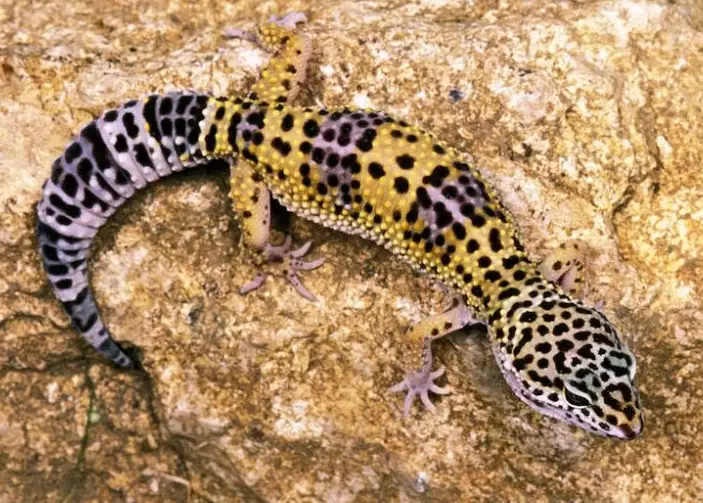
- Low-Entry Hides: Replace tall hides with ones that have a very low lip or ramp.
- Substrate: Swap loose substrate for something solid and easy to walk on. Paper towel, slate tile, or non-adhesive shelf liner are perfect. They provide traction and eliminate ingestion risk.
- Water Dish: Use a shallow, heavy dish they can't tip over. Dehydration is a major risk for seniors.
2. Dietary Shifts for the Golden Years
This is where most people get it wrong. The old adage "feed less" is too simplistic.
Prey Choice: Ditch the giant mealworms and hard-shelled beetles. Offer softer, more digestible insects: silkworms, hornworms, black soldier fly larvae, and well-gut-loaded crickets. Mealworms should be a treat, not a staple, due to their high chitin.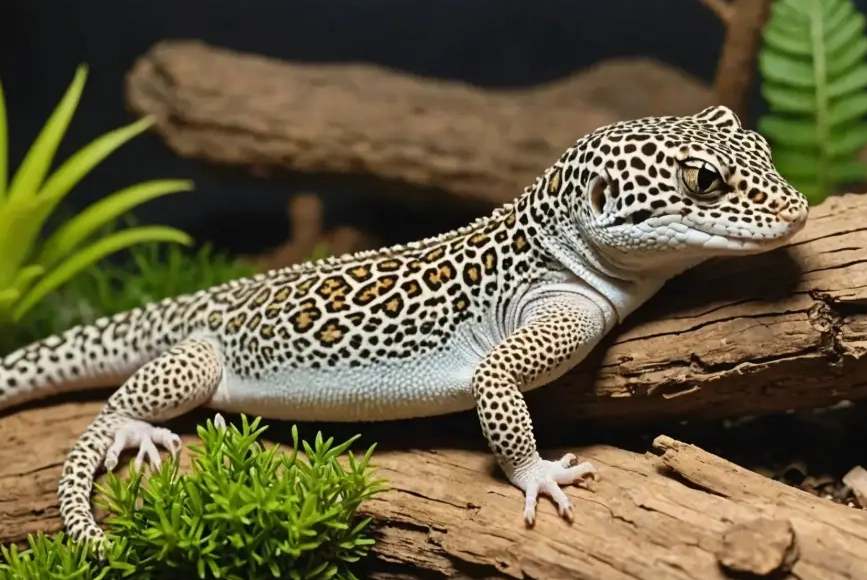
Supplement Strategy: Calcium is still critical for preventing metabolic bone disease, but go easy on synthetic Vitamin D3. Aging kidneys struggle to process excess. Use a pure calcium powder (without D3) lightly on most feedings. Use a multivitamin with D3 only once every 10-14 days. Consider providing a low-level UVB light (like a ShadeDweller or 5.0 T5 tube). It allows them to produce their own D3 naturally, which is far gentler on their system. The Association of Reptilian and Amphibian Veterinarians (ARAV) has noted the benefits of appropriate UVB for all reptiles, including nocturnal/crepuscular species.
Feeding Frequency: Offer smaller, more manageable meals. Instead of 8 large crickets twice a week, try 4-5 smaller ones three times a week. Watch their tail. It should remain plump, not fat or thin.
3. Health Monitoring & Vet Visits
Bi-annual vet check-ups become non-negotiable. Think of it as a senior wellness visit. A reptile vet can check for early signs of kidney disease, arthritis, and dental issues (yes, they can get gum problems).
At home, be a poop detective. Note the frequency, consistency, and presence of undigested insect parts. Changes here are often the first sign of internal trouble.
How Can I Help My Leopard Gecko Live Longer?
Longevity is built on decades of good care, not just a few changes in old age. But if you're starting with a senior, you can still significantly impact their quality of life.
Common Longevity Mistakes:
- Oversupplementing: More is not better. It's toxic.
- Incorrect Heat: Too hot or too cold stresses their system chronically.
- Chronic Dehydration: Always have fresh water. Consider weekly lukewarm soaks (shallow, supervised).
- Ignoring Dental Health: Feeding only soft, mushy prey can lead to tartar buildup. The occasional cricket with a bit of crunch helps.
Positive Steps for a Longer Life:
First, mental stimulation. A boring tank is a depressing tank. Rearrange decor safely every few months. Introduce new smells (like a clean leaf from a safe plant). Offer food in different ways—in a bowl, with feeding tongs, or let them "hunt" a single cricket.
Second, stress minimization. Handle them less frequently but more gently. Protect their enclosure from loud noises and vibrations. Provide multiple secure hiding places.
Finally, be their advocate. Learn what's normal for YOUR gecko. You are the one who notices the slight limp, the half-hearted strike at food, the extra nap. That observation is the most powerful tool you have to keep your old leopard gecko comfortable.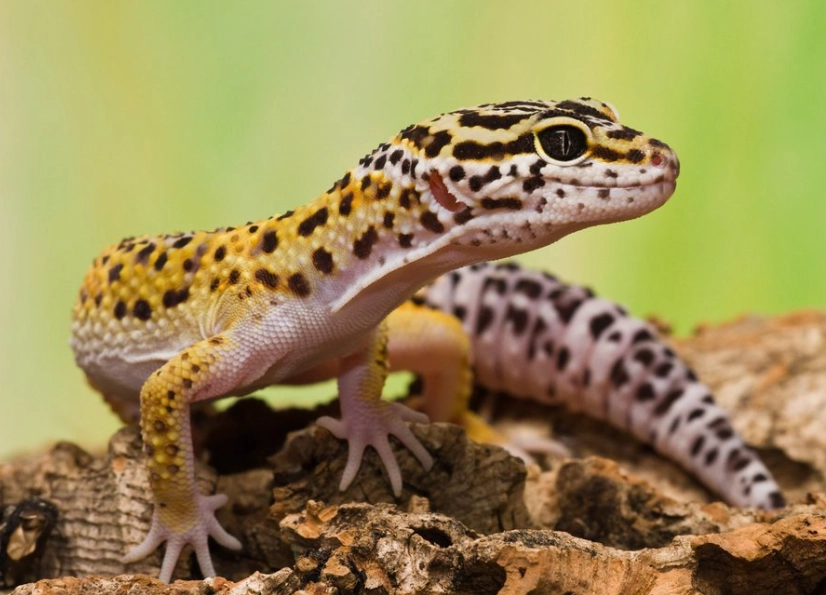
Your Senior Leopard Gecko Questions Answered
My old leopard gecko is losing weight. What should I do?
First, consult a reptile-savvy vet to rule out parasites or illness. If health is clear, focus on appetizing food. Try offering different insects like silkworms or hornworms, which are softer and often more enticing. Gut-load feeders with high-quality greens and dust lightly with calcium. Gently warming the food item under a lamp before offering can also stimulate appetite. Sometimes, a shallow, lukewarm soak (no deeper than the elbows) for 10-15 minutes can aid hydration and kickstart digestion.
Do senior leopard geckos need special supplements?
The supplement regimen shifts focus. While calcium remains crucial, over-supplementing with synthetic Vitamin D3 can strain aging kidneys. I lean towards using a plain calcium powder (without D3) more frequently, and a multivitamin with D3 less often—maybe once every two weeks instead of weekly. The goal is to support bone health without overloading their system. Getting D3 from proper UVB lighting is a gentler, more natural method for older geckos.
Is it normal for my old leopard gecko to be less active?
Yes, a general slowdown is expected, but complete lethargy is not. Your gecko might bask more and hunt less. The red flag is if they stop exploring their enclosure entirely, show no interest in food, or seem unable to move comfortably. Arthritis is common and under-discussed. Providing low-entry hides, gentle heat (not intense basking spots), and a substrate that's easy to walk on (like paper towel or slate tile) can make a world of difference for their mobility and comfort.
How can I improve my old leopard gecko's quality of life?
Focus on comfort and engagement. Ensure their heat is consistent and not too intense. Provide a variety of textures—smooth tile, a soft reptile carpet area, a dig box with coconut fiber (supervised). Even an old gecko enjoys a gentle "explore" on your lap on a warm towel. Pay attention to their personal quirks. One of my seniors loved having his head gently stroked with a soft paintbrush during shedding. Small, thoughtful adjustments that reduce effort and increase comfort are the key to a happy golden year.
Reader Comments