Getting your leopard gecko's diet right feels like a puzzle at first. You see charts online saying "feed 5 insects daily" or "feed once a week," and it's confusing. Which one is right? The truth is, they both are – just for geckos at different life stages. A one-size-fits-all approach is the biggest mistake new owners make. I've seen too many obese adults from overfeeding and stunted hatchlings from underfeeding. This guide cuts through the noise. We'll build a feeding schedule based on age, growth, and metabolism, not guesswork.
What's Inside This Guide
How to Feed a Baby Leopard Gecko (0-4 Months)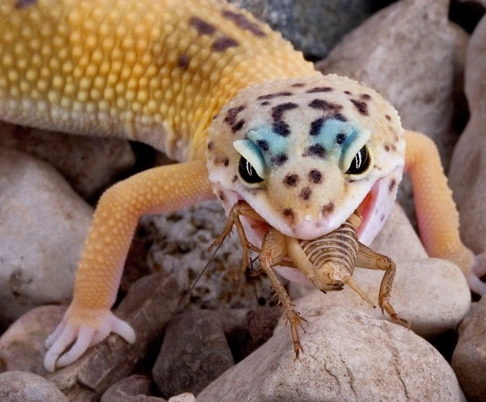
This stage is all about rapid growth. Think of a human toddler – they need constant fuel. Your hatchling's main job is to grow bone and tissue, and it needs protein and calcium to do that.
Feeding Frequency: Every single day. No exceptions, no skipping days. Their stomachs are tiny but their metabolism is on overdrive.
Portion Size: Offer as many appropriately-sized insects as they will eat in a 10-15 minute period. This usually translates to 4-8 small insects.
Here’s a typical week for a 2-month-old gecko:
- Monday: 5 small dubia roaches, dusted with calcium + D3.
- Tuesday: 6 small crickets, dusted with calcium + D3.
- Wednesday: 4 small dubia roaches and 2 small mealworms, dusted.
- Thursday: Repeat Monday.
- Friday: 5 small crickets, dusted with a multivitamin.
- Saturday: Variety day – maybe black soldier fly larvae or small silkworms.
- Sunday: Repeat Tuesday.
Notice the variety? That's key. A common error is sticking only to mealworms because they're easy. Mealworms have a higher chitin content and are fattier. Diversifying early prevents picky eating and nutritional gaps.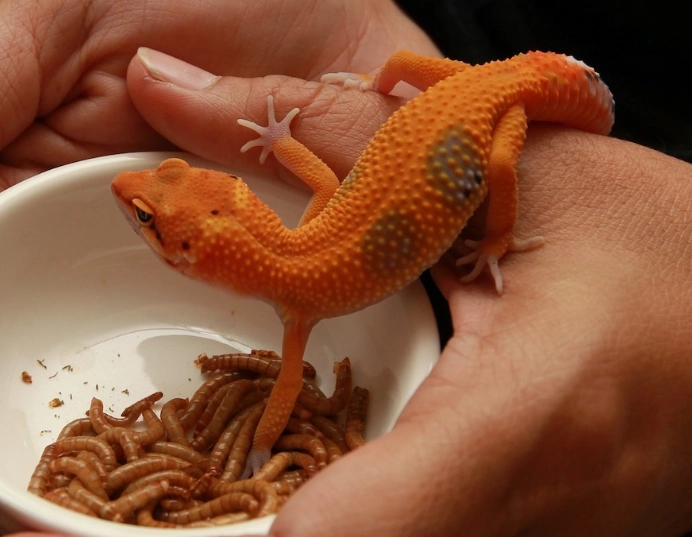
The Biggest Hatchling Mistake (I See This All the Time)
Owners panic when a hatchling doesn't eat for the first two days after bringing it home. They start force-feeding or changing everything. Stop. Hatchlings are stressed. Give them 3-5 days to settle in with proper heat (a must for digestion) and quiet. Leave food in a shallow dish overnight. Most will start eating when they feel safe. If they don't eat after a week, then you investigate.
The Juvenile & Sub-Adult Transition (4-10 Months)
Growth is still happening, but it's starting to slow. Your gecko's appetite might seem insatiable, but this is where you start to exert some control to prevent obesity later. Their tail should be filling out nicely, looking plump but not bulbous.
Feeding Frequency: You can begin to skip days. I recommend transitioning to an every-other-day schedule around the 5-6 month mark. Watch their body condition – if the tail starts looking skinny, go back to daily for another few weeks.
Portion Size: At this stage, you can move to medium-sized insects. Offer 6-10 insects per feeding session. They might not eat all of them, and that's okay. You're learning their appetite.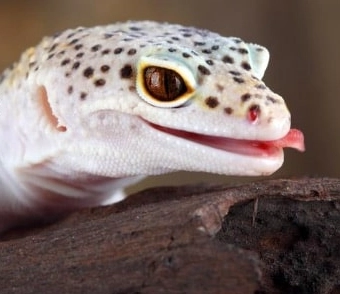
| Age | Feeding Frequency | Insect Size | Key Focus |
|---|---|---|---|
| 0-4 months | Daily | Small / Pinhead | Maximum growth, daily calcium |
| 4-6 months | Daily to EOD* | Small to Medium | Monitor tail growth, transition schedule |
| 6-10 months | Every Other Day (EOD) | Medium | Preventing overfeeding, establishing routine |
*EOD = Every Other Day
The Adult Leopard Gecko Feeding Schedule (10+ Months)
Your gecko is now sexually mature. Its primary goal is no longer growth, but maintenance. This is the schedule they'll be on for most of their life. The most frequent question I get is, "How often should I feed my adult leopard gecko?"
The standard answer is 2-3 times per week. But that's too vague.
You need to tailor it. A highly active, lean male might do well with 3 feedings of 6-8 insects. A larger, less active female might only need 2 feedings of 4-6 insects. The portion control is critical. An adult gecko can easily become overweight, leading to fatty liver disease – a serious and common killer in captive geckos.
Sample Adult Weekly Plan:
- Tuesday: 5 medium dubia roaches, dusted with calcium (no D3 if using UVB).
- Friday: 4 medium crickets and 2 superworms (as a treat), dusted with multivitamin.
- Sunday: 6 dubia roaches, dusted with calcium.
See how the staple is dubia roaches or crickets? Superworms and waxworms are treats, given once a week at most. Think of them as candy.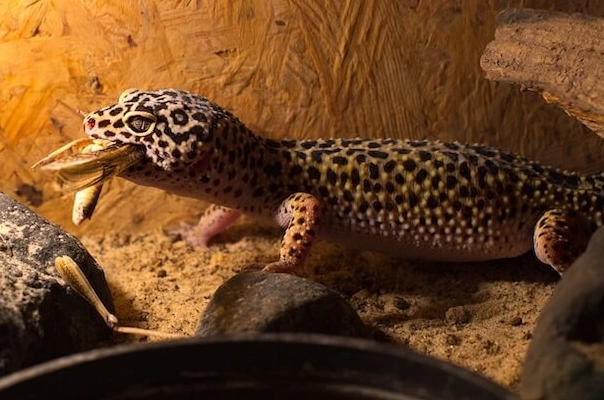
Adjusting for Senior Geckos (8+ Years)
Metabolism slows down. You might notice less interest in food, weaker jaw strength, or weight loss. The schedule needs gentleness.
Feeding Frequency: Might stay at 2 times a week, but portions could be smaller. Or, you might switch to smaller, more frequent meals (3-4 times a week with 2-3 insects).
Food Choices: Offer softer-bodied insects. Small hornworms are fantastic for hydration. Softer dubia nymphs are better than hard-shelled adults. You can even offer repashy grub pie or other insect-based gels from a dish if live prey becomes difficult. The Association of Reptilian and Amphibian Veterinarians (ARAV) notes that dental and metabolic issues become more prevalent in older reptiles, so adapting the diet is crucial.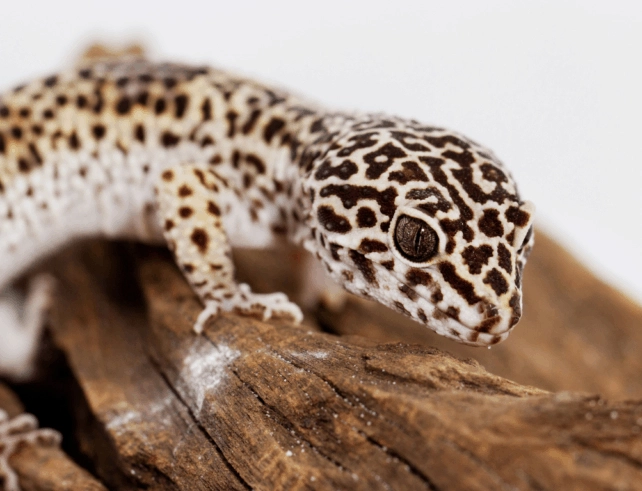
Supplements: Dusting and Gut-Loading Explained
Feeding the right insects is only half the battle. The insects are merely a vehicle for nutrients.
Gut-loading means feeding your feeder insects nutritious foods (like carrots, sweet potato, collard greens, and commercial gut-load formulas) 24-48 hours before feeding them to your gecko. A cricket fed cardboard is nutritionally worthless.
Dusting is coating the insects with powder supplements right before feeding.
Here’s a simple supplement schedule that works for most:
- Calcium (without D3): Light dusting at almost every feeding if you are not using a UVB light. If you are using proper UVB lighting (which allows them to synthesize their own D3), use this plain calcium more often.
- Calcium (with D3): Light dusting once a week if no UVB light. With UVB, use it only once every 2-4 weeks as a backup.
- Multivitamin: A quality reptile multivitamin containing vitamin A (from beta-carotene) and other trace minerals. Dust once a week.
Shake insects in a baggie with a tiny pinch of powder. They should look like they walked through a fog, not a blizzard. Over-supplementing can be as harmful as under-supplementing.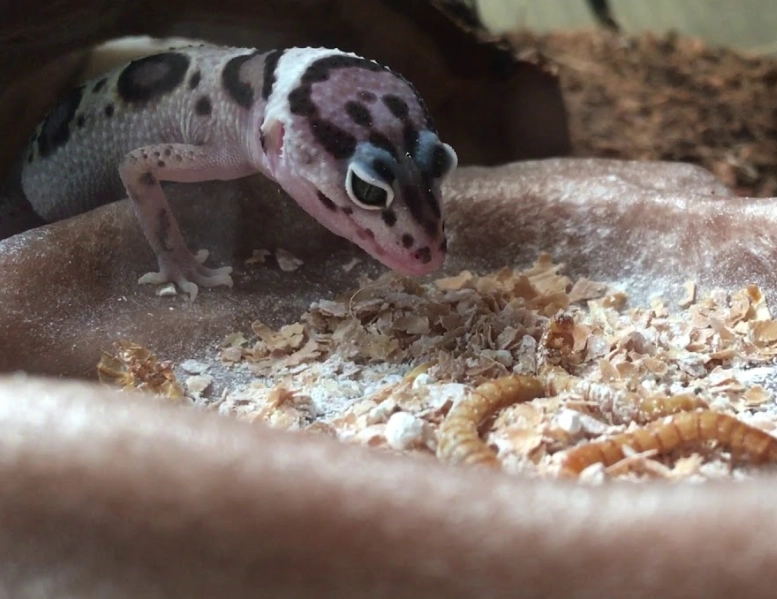
Common Pitfalls and Pro Tips
Let's tackle the stuff that often gets missed.
Bowl feeding vs. hand/tong feeding: I recommend bowl feeding for staple insects like dubia roaches and mealworms. It's less stressful and allows you to monitor exact intake. Use a smooth-sided ceramic bowl they can't climb out of. Hand or tong feeding is great for treats and bonding, but don't make it the only method.
The "Hunger Strike": A healthy adult gecko can go a week or two without eating, especially in cooler months (a brumation-like slowdown). Don't panic and offer waxworms. Check temperatures first – that's the culprit 90% of the time. Then, try a different, enticing feeder like a hornworm or silkworm.
Water: A shallow, always-full water dish is non-negotiable. Change it daily. They drink more than you think.
Feeding your leopard gecko isn't complicated once you understand the logic behind the schedule. Watch your gecko more than the calendar. A fat tail and clear, bright eyes are your best guides. Adjust as you go, and you'll have a healthy, thriving companion for decades.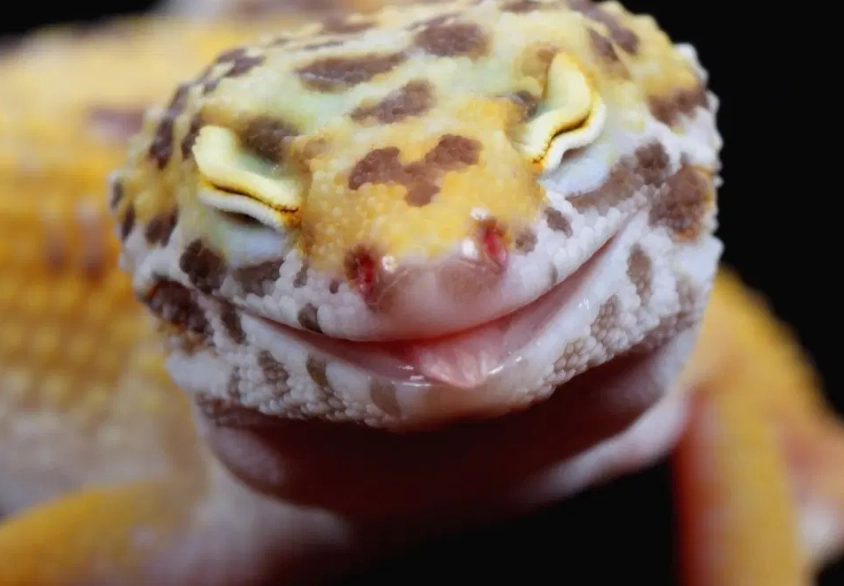
Reader Comments