Explore This Guide
- What Exactly Is a Yellow-margined Box Turtle?
- Where Does the Yellow-margined Box Turtle Live? (And Why It's Getting Harder)
- A Day in the Life: Behavior and Ecology
- Keeping a Yellow-margined Box Turtle: The Honest Care Guide
- The Hard Truth: Conservation Status and Threats
- Your Yellow-margined Box Turtle Questions, Answered
Let's be honest, the first thing that grabs you about the Yellow-margined Box Turtle (scientists call it Cuora flavomarginata) is that shell. It's like a little dome of polished wood, often with a striking yellow border that looks like it was painted on. But I've learned over the years that focusing just on the looks does this creature a massive disservice. There's a whole world of fascinating behavior, delicate ecology, and frankly, a pretty sad conservation story behind that beautiful carapace.
I remember the first time I saw one in person, not in a pet store, but in a reputable conservation breeder's facility. It wasn't just sitting there. It was observing. Its eyes were bright, and it moved with a deliberate, thoughtful pace that you don't see in more common pet turtles. That's when I got hooked. This isn't your average backyard pond slider.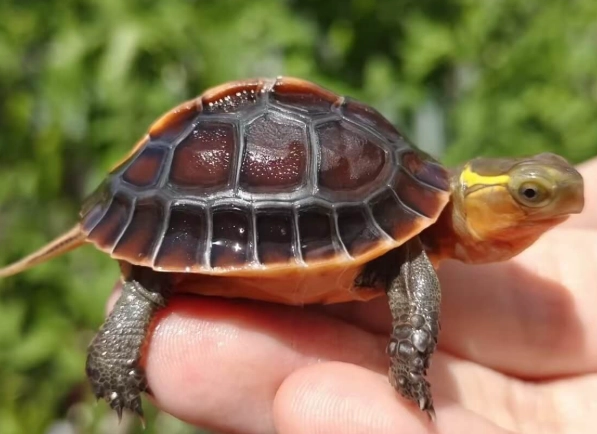
What Exactly Is a Yellow-margined Box Turtle?
Before we dive into care sheets and habitat setups, let's get our facts straight. Knowing what you're dealing with is half the battle.
The Name Game: Taxonomy and Naming
Its scientific name, Cuora flavomarginata, tells a story. "Cuora" is the genus for Asian box turtles, and "flavomarginata" is Latin for "yellow-margined" or "yellow-edged." Pretty straightforward for once. It belongs to the family Geoemydidae, a big group of turtles mostly found in Asia and Europe.
Sometimes you might hear them called the "Chinese Box Turtle," but that's a bit misleading. While they are found in China, they also call Japan and Taiwan home. Using the specific name helps avoid confusion with other Asian box turtles, which is crucial because their care can differ. For accurate species description and taxonomy, resources like the Reptile Database are invaluable for cross-referencing.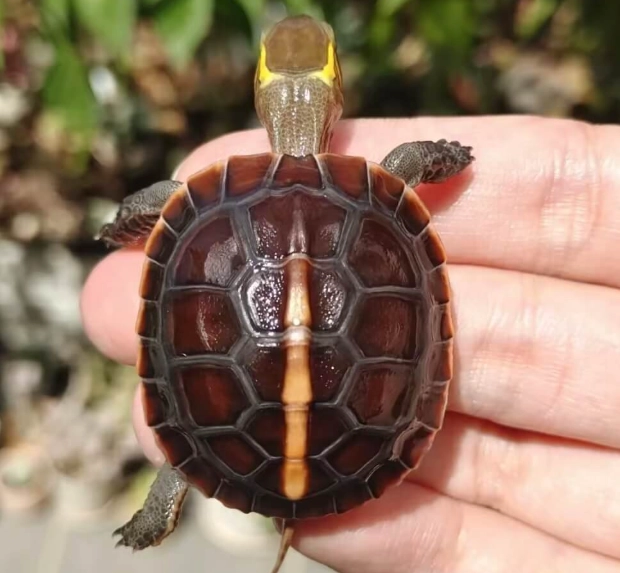
Spotting One: Key Identification Features
So, how do you know you're looking at a Cuora flavomarginata and not a cousin? Here’s a quick breakdown of the tell-tale signs:
- The Signature "Box": Like all box turtles, they have a hinged plastron (the bottom shell). They can close up so tightly that a fingernail can't fit in. It's an incredible defense mechanism against predators.
- The Yellow Margin: This is the star of the show. A bright, yellowish band runs along the rear edge of the carapace (top shell) and often the front edge too. The intensity can vary between individuals.
- Carapace Color and Shape: The top shell is usually a rich brown, sometimes leaning towards reddish or olive. It's highly domed, much more so than a water turtle's shell.
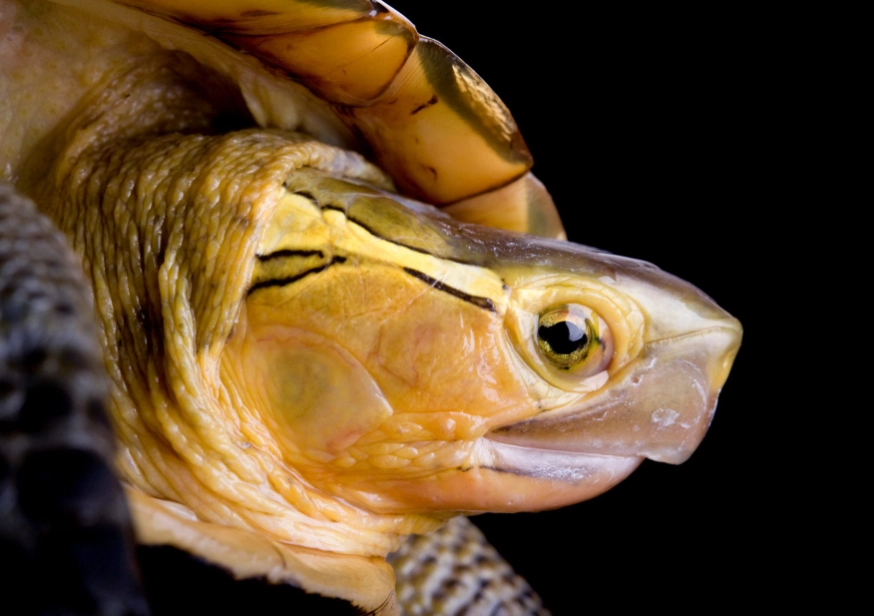
- Head and Legs: Their skin is typically a mottled brown, grey, or olive. Look for yellow stripes on the head and neck, especially behind the eyes. Their legs are sturdy, built for walking rather than swimming.
Males and females are similar, but males often have a slightly concave plastron and a thicker, longer tail. Females tend to be a bit wider in the body.
| Feature | Description | Why It Matters |
|---|---|---|
| Plastron Hinge | A flexible ligament allows the front and rear lobes to close tightly against the carapace. | Defense against predators; indicates it's a true "box" turtle. |
| Carapace Dome | Highly arched, not flattened. | Adaptation to terrestrial life; less streamlined for water. |
| Limb Shape | Stout, columnar legs with only slight webbing on hind feet. | Shows they are walkers, not swimmers. They prefer shallow soaks. |
| Eye Color & Stripe | Eyes are often dark with a prominent yellow or cream stripe directly behind them. | A key visual identifier for the species. |
Where Does the Yellow-margined Box Turtle Live? (And Why It's Getting Harder)
This is where things get interesting, and a bit concerning. The native range of the Yellow-margined Box Turtle is fragmented. We're talking about central and southern China (provinces like Anhui, Henan, Hubei), Taiwan, and the Ryukyu Islands of Japan (specifically the islands of Ishigaki and Iriomote).
They aren't creatures of deep forest or open plains. They're edge-dwellers. Think:
- Hillsides with plenty of cover.
- Forest edges and brushy areas.
- Grassy meadows near water sources.
- Agricultural land, like rice paddies and tea plantations (though this is now a dangerous place for them).
Their habitat is always, always associated with moisture. They need high humidity and ready access to shallow, slow-moving or still water for drinking and soaking. They are not aquatic, but they are not desert animals either. They're the Goldilocks of the turtle world when it comes to dampness.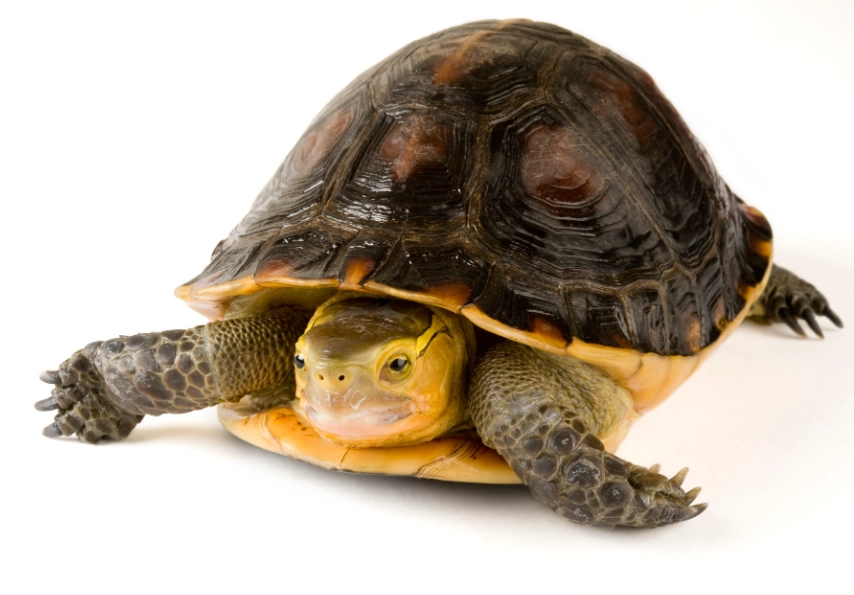
Now, here's the critical part. This specific type of habitat—lowland, moist, often near human agriculture—is under immense pressure. It's being cleared for development, polluted, or converted into monoculture farms. This direct habitat loss is a primary driver of their decline. It's not just that we're taking turtles; we're erasing their homes.
A Day in the Life: Behavior and Ecology
Understanding how a Yellow-margined Box Turtle spends its day is key to caring for one properly. They're crepuscular, meaning most active at dawn and dusk. During the heat of the day or the cool of the night, they burrow. Oh, do they love to burrow.
They'll use their strong legs to dig into soft soil, leaf litter, or under roots. This behavior helps them regulate temperature and humidity and stay hidden. In captivity, if you don't provide a substrate deep enough for burrowing, you're causing stress. It's a non-negotiable need.
Their diet is omnivorous but leans heavily towards the carnivorous side, especially as adults. In the wild, they're opportunistic feeders:
- Protein: Earthworms, slugs, snails, insects, grubs, and even carrion.
- Plant Matter: Fallen fruits, mushrooms, tender leaves, and berries.
They are slow, methodical foragers. They don't chase prey. They ambush it or stumble upon it. This is important for feeding in captivity—live, wiggly food like worms often triggers their feeding response best.
Brumation, Not Hibernation
In the cooler parts of their range, Yellow-margined Box Turtles undergo brumation (reptile dormancy) during winter. They dig down deep below the frost line and slow their metabolism. This is a natural, healthy cycle for them. In captivity, if you can safely replicate the cool-down period, it's beneficial for their long-term health and can stimulate breeding behavior. But it must be done correctly—a sick or underweight turtle should never be brumated.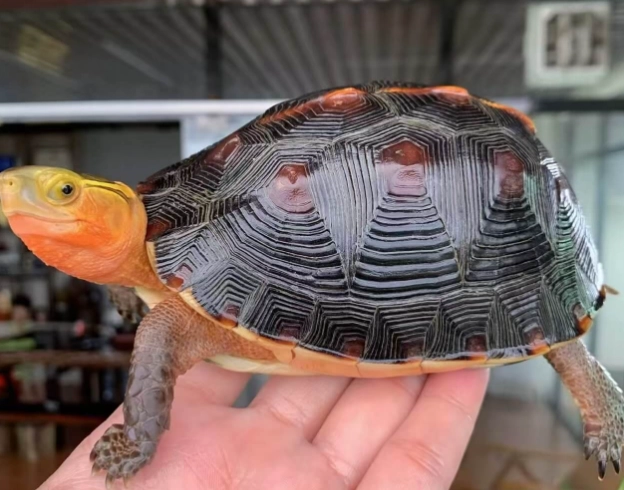
Keeping a Yellow-margined Box Turtle: The Honest Care Guide
Alright, let's talk about captivity. This is a big commitment. We're talking about an animal that can easily live 30, 40, even 50 years with proper care. You're getting a lifelong companion that will likely outlive many of your other pets.
First and most important rule: Only ever acquire a turtle from a reputable, captive-bred source. The wild populations cannot sustain collection for the pet trade. Ask for proof of captive breeding. A real breeder will have records, maybe even photos of the parents or hatchlings. If a seller is vague, walk away. You don't want to be part of the problem.
Building the Perfect Enclosure
Forget the tiny plastic tubs. A single adult Yellow-margined Box Turtle needs a spacious terrarium or, even better, a custom-built turtle table or greenhouse-style enclosure. Think floor space, not height. A good minimum for one adult is a 4ft x 2ft footprint, but bigger is always, always better.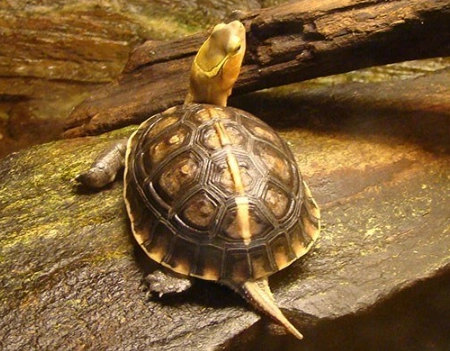
The setup isn't complex, but it has to be just right. Here’s the breakdown:
| Enclosure Component | Recommendation & Options | My Personal Take / Pitfall to Avoid |
|---|---|---|
| Substrate | Deep (4-6 inches), moisture-retaining mix. Topsoil (no fertilizers), coconut coir, cypress mulch, sphagnum moss. Mix them! | Sand alone is terrible. It's abrasive and holds tunnels poorly. I use a 50/50 topsoil and coir mix and keep it damp to the touch. |
| Humidity | 70-80% consistently. Use a digital hygrometer. Achieve with deep substrate, large water dish, misting, and/or a fogger. | This is the #1 struggle for new keepers. Low humidity leads to chronic dehydration and pyramiding of the shell. A glass or PVC enclosure holds humidity better than screen. |
| Water Area | A large, shallow dish big enough for the turtle to sit in fully. Water depth should be no more than chin-height. Easy in/out ramps are a must. | They defecate in their water. You will be cleaning this dish daily. Use a heavy ceramic dish they can't tip. |
| Heating | Create a thermal gradient. A basking spot of 85-90°F (29-32°C) at one end, cooling to 70-75°F (21-24°C) at the other. Use a ceramic heat emitter or deep heat projector over a basking platform. | Avoid hot rocks! They cause burns. Overhead heating is natural and safe. Always use a thermostat. |
| Lighting | Essential: A full-spectrum UVB light (5.0 or desert 10.0 strength, depending on distance) for 10-12 hours a day to synthesize Vitamin D3 and metabolize calcium. | UVB bulbs lose strength long before they burn out. Replace them every 6-12 months as per manufacturer instructions. This is non-negotiable for shell and bone health. |
| Hides & Décor | Multiple hides on both warm and cool ends. Cork bark rounds, half-logs, plastic plant pots on their side. Live or fake plants for cover. | They need to feel secure. A stressed turtle that can't hide will stop eating. More clutter is better. |
See what I mean? It's a complete ecosystem you're building. It's not just a box with a heat lamp.
What to Feed Your Yellow-margined Box Turtle
Feeding is where you can really see their personality. A varied diet is crucial. Here's a sample feeding schedule for an adult:
- Staple Protein (3-4 times a week): Earthworms (nightcrawlers), snails (from pesticide-free sources), slugs, canned low-fat dog food (as an occasional treat), high-quality low-fat cat food (occasional), lean cooked chicken or turkey (rare treat).
- Live Feeders (1-2 times a week): Mealworms, superworms, waxworms (fatty, use sparingly), crickets, roaches. Gut-load feeders first.
- Plant Matter (always available): Chopped dark leafy greens (collard, mustard, dandelion), grated squash, sweet potato, mushrooms, berries, melon. Offer a small salad daily.
Supplements are critical: Dust food with a high-quality calcium powder (without D3 if using UVB) 2-3 times a week. Use a multivitamin powder once a week.
Common Health Issues to Watch For
Even with perfect care, things can go wrong. Being observant is your best tool.
| Issue | Symptoms | Likely Cause & Action |
|---|---|---|
| Respiratory Infection (RI) | Wheezing, bubbly discharge from nose/mouth, lethargy, open-mouth breathing. | Often due to low temperatures or humidity. Requires an immediate exotic vet visit. Antibiotics are usually needed. |
| Shell Rot | Soft, discolored (white, yellow, black) patches on shell, foul smell. | Bacterial/fungal infection from dirty, wet substrate or injuries. Needs vet care for debridement and topical/oral meds. |
| Metabolic Bone Disease (MBD) | Soft, rubbery shell, deformed jaw, swollen limbs, difficulty walking. | Severe lack of calcium, Vitamin D3, or UVB. This is a husbandry failure. Preventable with proper UVB and diet. Advanced cases are tragic and often fatal. |
| Parasites | Weight loss despite good appetite, abnormal feces, lethargy. | Internal parasites (worms, protozoa). A fecal exam by a vet can diagnose. Deworming medication is effective. |
| Eye Issues | Swollen, shut eyes, discharge. | Vitamin A deficiency (hypovitaminosis A) or irritation from substrate. Diet correction and vet-prescribed eye drops. |
The bottom line? Find an experienced reptile/exotic veterinarian before you have an emergency. Not all vets know turtles.
The Hard Truth: Conservation Status and Threats
This is the most important section. The International Union for Conservation of Nature (IUCN) lists the Yellow-margined Box Turtle as Endangered. Their population is declining rapidly. You can read the full assessment on the IUCN Red List.
Why? It's a perfect storm of threats:
- Habitat Loss & Fragmentation: As mentioned, their preferred lowland habitats are prime targets for urban and agricultural expansion.
- Overexploitation for the Pet Trade: For decades, their beauty and novelty made them a target for collectors. While international trade is now restricted under CITES (Appendix II), domestic trade and illegal smuggling persist.
- Traditional Medicine and Food: In parts of Asia, turtles are used in traditional practices. This creates a significant market demand that drives poaching.
- Road Mortality: As habitats are cut by roads, turtles attempting to cross are killed by vehicles.
- Pollution: Pesticides and herbicides from adjacent farmland can poison their food and water sources.
So, what's being done? Organizations like the Turtle Survival Alliance are on the front lines. They work on habitat protection, anti-poaching patrols, and, crucially, assurance colonies—captive breeding programs that maintain genetically diverse populations as a safety net against extinction. Many of the captive-bred turtles in the responsible pet trade today descend from these conservation programs.
What can you do?
- Support Conservation: Donate to or volunteer with reputable organizations focused on Asian turtle conservation.
- Be a Responsible Keeper: If you choose to keep one, commit to its lifelong care and only buy captive-bred. Educate others.
- Spread Awareness: Talk about the plight of the Yellow-margined Box Turtle. Many people have no idea these beautiful animals are in such trouble.
Your Yellow-margined Box Turtle Questions, Answered
Wrapping this up, the Yellow-margined Box Turtle is a captivating reptile that embodies both the wonder of nature and the fragility of it. They are complex, intelligent creatures that deserve our utmost respect, whether in a carefully managed conservation breeding program or in a thoughtfully prepared home terrarium.
The goal isn't just to own one. The goal, for any of us fascinated by Cuora flavomarginata, should be to ensure these remarkable animals with their distinctive yellow-margined shells are still around, thriving in the wild and in responsible captivity, for generations to come. That starts with knowledge, which I hope this guide has provided in spades.
Reader Comments