Let's cut to the chase. The Blazing Blizzard leopard gecko is a reptile that stops you in your tracks. It's not your typical spotted gecko. This morph is a stunning, often pure white creature with piercing red or pink eyes that looks like it stepped out of a fantasy novel. But here's the thing everyone forgets to mention upfront: that breathtaking beauty comes with a specific set of care rules and genetic quirks you absolutely need to know. I've kept and bred leopard geckos for over a decade, and I've seen too many Blazing Blizzards suffer because owners treated them like any other gecko. This guide will walk you through everything—from their unique biology to the subtle mistakes even experienced keepers make.
What's Inside This Guide
Understanding the Blazing Blizzard Morph
First, let's decode the name. "Blizzard" refers to a recessive gene that removes all pattern—no spots, no bands, just a solid color. "Blazing" is the term for the albino version of that. So, a Blazing Blizzard is an albino gecko with the pattern-stripping Blizzard gene. The result is usually a clean, creamy white to pale yellow lizard. Their eyes lack dark pigment, showing the blood vessels underneath, giving them those ruby-red or pink peepers.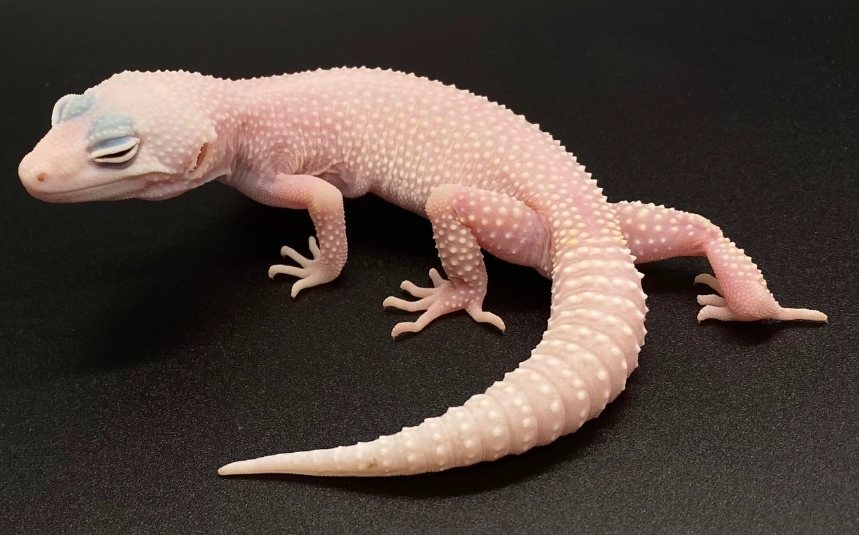
But they're not always snow-white. Hatchlings often have a faint yellow stripe down their back that mostly fades with age. Some keep a soft, buttery yellow hue, especially along the spine. This is normal. What's not normal is dark grey or brown splotches appearing later in life—that can signal a health issue, often related to temperature.
I need to address a common point of confusion. Many beginners think all white leopard geckos are Blazing Blizzards. They're not. A "Mack Snow Blizzard" or "Super Snow Blizzard" can also be very light but aren't albino. The eye color is the dead giveaway. If the eyes are black or solid, it's not a Blazing.
Specific Care Needs: Beyond the Basics
General leopard gecko care advice will get you 80% of the way, but that missing 20% is critical for a Blazing Blizzard. Their albinism and genetics make them slightly more sensitive.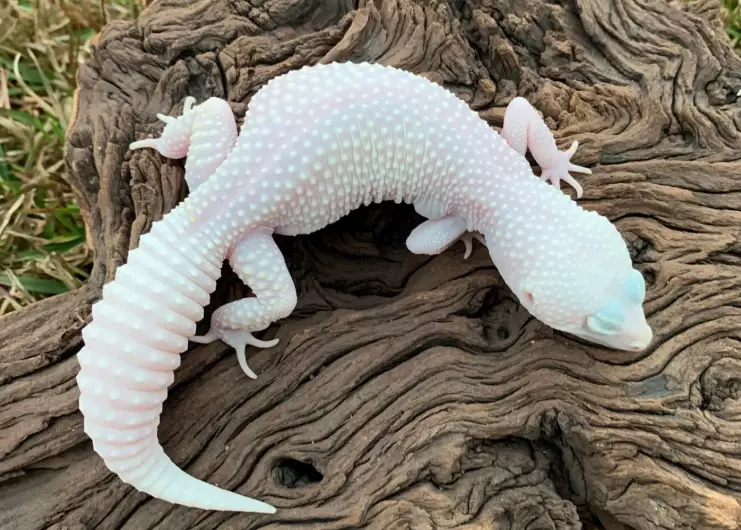
Habitat Setup: The Foundation
A 20-gallon long tank is the minimum for one adult. They're terrestrial, so floor space beats height. The substrate choice is a big debate. I strongly advise against loose substrates like sand or calcium sand for this morph. Their bright coloration makes it harder to spot if they've accidentally ingested substrate, which can lead to impaction. Safer options are:
- Paper towel: Boring but ultra-safe, especially for juveniles.
- Slate or ceramic tile: Easy to clean, files down nails, and retains heat well.
- Non-adhesive shelf liner: Another simple, washable choice.
Provide at least two hides: a warm, dry hide on the heated end and a humid hide in the middle or cool end. The humid hide (with damp sphagnum moss or paper towel) is non-negotiable for clean sheds.
Temperature, Lighting, and the Albinism Factor
This is where I see the most mistakes. Being albino, Blazing Blizzards are more sensitive to bright light. They may squint or hide if the enclosure is too brightly lit. Avoid intense, full-spectrum UVB bulbs placed close to the basking spot. A low-output UVB light (like a 5.0 ShadeDweller by Arcadia, placed at the correct distance) can be beneficial for their metabolism, but it's not strictly required if their diet is properly supplemented. The key is providing plenty of shade and clutter so they can choose their exposure.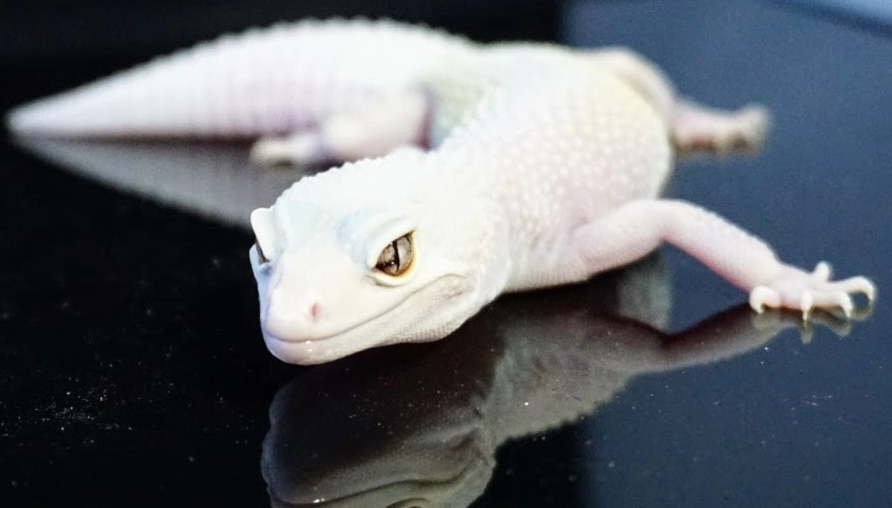
Heat should come from an under-tank heater (UTH) on one side of the tank, regulated by a thermostat. This is vital. The warm side floor temperature should be 88-92°F (31-33°C), and the cool side should be around 75-80°F (24-27°C). Never use heat rocks. Measure the temperature at the floor level where your gecko sits.
| Care Parameter | Blazing Blizzard Specifics | Why It Matters |
|---|---|---|
| Lighting | Low-level or indirect UVB; avoid bright basking spots. | Albinos have reduced eye pigment and are photophobic (light-sensitive). |
| Substrate | Solid substrates only (tile, paper towel, liner). | Prevents impaction; easier to monitor health and cleanliness. |
| Humidity & Shedding | Humid hide is essential; monitor sheds closely. | All-white geckos can have retained shed on toes, which is hard to see and can cause loss of digits. |
| Diet Variety | Gut-loaded crickets, dubia roaches, mealworms. Dust with calcium + D3 & multivitamin. | Albinos may have slightly higher nutritional demands for optimal health and coloration. |
Feeding and Supplementation
Their diet is standard insectivore fare: gut-loaded crickets, dubia roaches, mealworms, and the occasional treat like a waxworm. Where people slip up is supplementation. Because they might get less direct UVB exposure, ensuring their calcium has D3 is important. I use a plain calcium powder in a small dish in the enclosure at all times, and I dust feeders with a calcium+D3 powder twice a week and a quality reptile multivitamin once a week. An under-supplemented Blazing Blizzard can develop Metabolic Bone Disease (MBD), and their white color will make the early signs of tremors or soft jaws even more heartbreakingly obvious.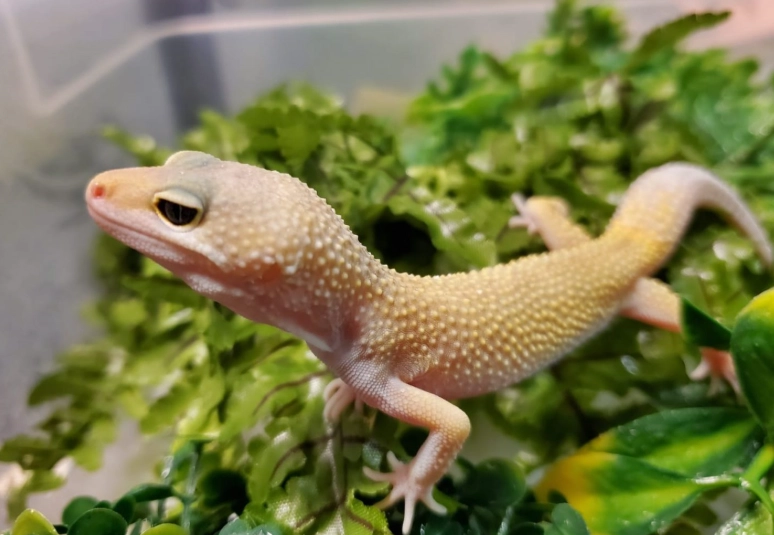
Genetics Demystified: It's Not Magic, It's Science
If you're considering breeding (which you shouldn't unless you have extensive experience and a plan for the offspring), you need to understand the genetics. The Blazing Blizzard combines two recessive traits: the Tremper Albino gene (the most common albino strain) and the Blizzard gene. Both parents must carry and pass on these genes to produce a Blazing Blizzard baby.
Here's a crucial, often-overlooked point from the Morphpedia database and breeder communities: the Blizzard gene can sometimes be linked with a higher incidence of neurological issues, sometimes called the "Enigma syndrome," though it's distinct. Not all Blizzards have it, but there's an observed correlation. This can manifest as star-gazing, circling, or difficulty righting themselves. Reputable breeders work to avoid this.
Breeding two Blazing Blizzards together is generally fine, as they are both albinos of the same strain (Tremper). Mixing different albino strains (like Tremper with Bell or Rainwater) can result in offspring that look normal but carry two different albino genes, which is a waste of the genetic potential and frowned upon in the breeding community.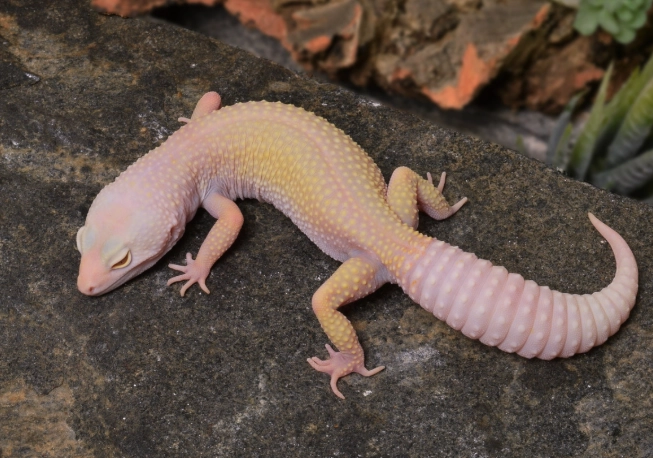
Finding and Buying a Blazing Blizzard Leopard Gecko
Don't just buy the first white gecko you see on a classifieds site. Your sourcing strategy determines your pet's health and your peace of mind.
Where to Look:
Prioritize specialized reptile expos and established online breeders with strong reputations. Websites like FaunaClassifieds have breeder reviews. Avoid big-chain pet stores; their animals often come from mass-breeding mills and can have hidden health problems.
Price Range:
Expect to pay between $75 and $200 USD. Price depends on lineage, color intensity (purer white often costs more), age, and the breeder's reputation. Hatchlings are cheaper than proven adults. Anything below $50 is a major red flag.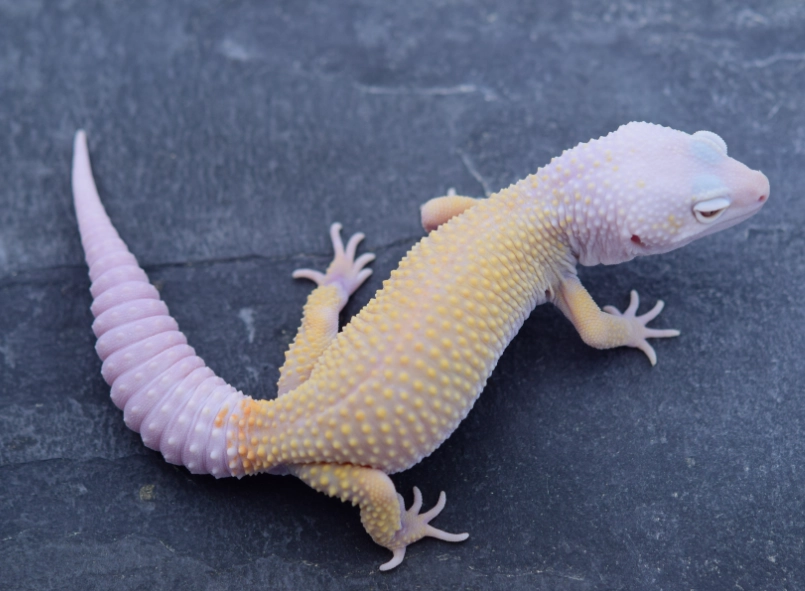
The Pre-Purchase Checklist:
When you find a potential gecko, either in person or via a breeder's detailed photos/videos, check for:
- Clear, bright eyes with no discharge or swelling.
- A plump, rounded tail (the main fat store). A skinny tail means an underfed gecko.
- All toes present and intact, with no old shed skin constricting them.
- Smooth skin with no bumps, cuts, or black spots (which could be scarring or infection).
- Alert behavior. It should be able to walk without wobbling or tipping over.
A good breeder will answer all your questions about hatch date, feeding routine, and parents without hesitation.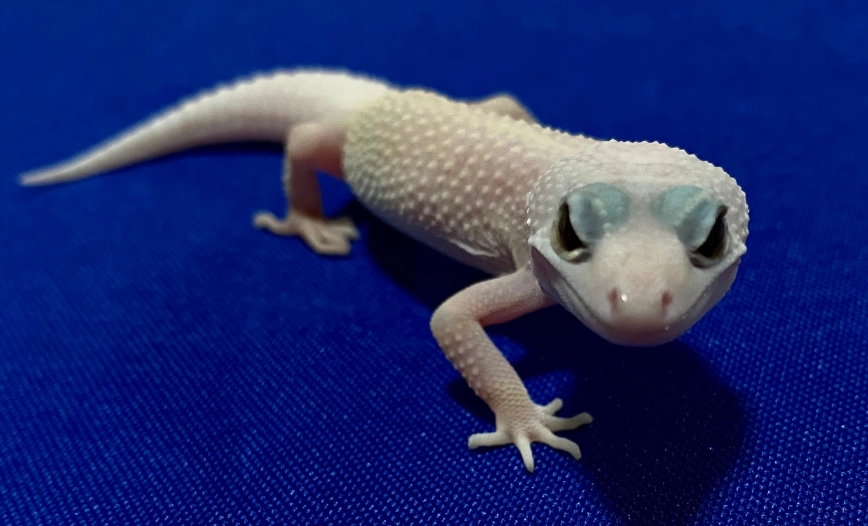
Expert FAQ: Beyond the Generic Answers
The Blazing Blizzard leopard gecko is a captivating pet that rewards attentive, informed care. By understanding its unique needs—from light sensitivity to substrate safety—you're not just buying a beautiful animal; you're committing to the well-being of a fascinating living creature. Do your homework, source responsibly, and you'll have a healthy, ghostly-white companion for 15 to 20 years.
Reader Comments