So, a ball python bit you. Or maybe you're thinking about getting one and the "what if" is holding you back. Your heart might be pounding, images of venomous snakes flashing in your mind. Let me stop you right there. Take a breath. In over a decade of keeping and breeding ball pythons, I've been tagged a handful of times. Every single time, it was my fault, not the snake's. The reality of a ball python bite is far less dramatic than the fear. This guide will walk you through exactly what happens, what it feels like, and the crucial steps to take (and not take) afterward. We'll strip away the Hollywood myths and focus on the practical, sometimes surprisingly mundane, truth.
What You'll Find in This Guide
How Likely Is a Ball Python Bite?
Let's start with the odds because they're in your favor. Ball pythons are famously docile. They're the quintessential "beginner snake" for a reason. Their primary defense mechanism is to ball up, hiding their head—hence the name. Biting is a last resort. In a typical, well-adjusted captive ball python, a defensive bite is a rare event. Most bites occur during feeding, and even those are often a case of mistaken identity (they think your warm hand is the rat). I'd estimate a well-handled pet ball python is more likely to refuse a meal for months than to ever bite its owner defensively.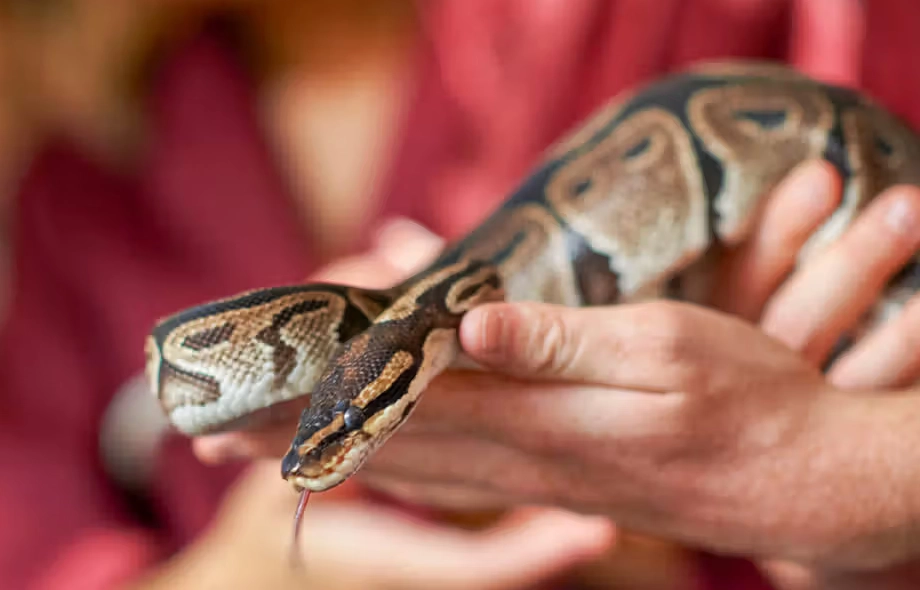
What Does a Ball Python Bite Actually Feel Like?
Forget the movies. A ball python bite isn't a searing, venomous agony. It's startling, not crippling. People describe it in a few ways:
The Pin-Prick Surprise: This is the most common for a quick defensive tag. It feels like being snapped by a dozen tiny, sharp staples or pins all at once. There's a brief sting, more surprise than pain. It's over in a second if the snake lets go immediately.
The Velcro Grip: If it's a feeding response bite and the snake holds on, the sensation changes. The initial puncture is the same, but then you feel pressure. Their teeth are curved backward, like tiny fish hooks, designed to hold onto prey. It doesn't "crush"—their jaws aren't strong enough to break human bones—but it's a firm, persistent hold. The pain here is more about the sustained pressure and the mild sting of the punctures.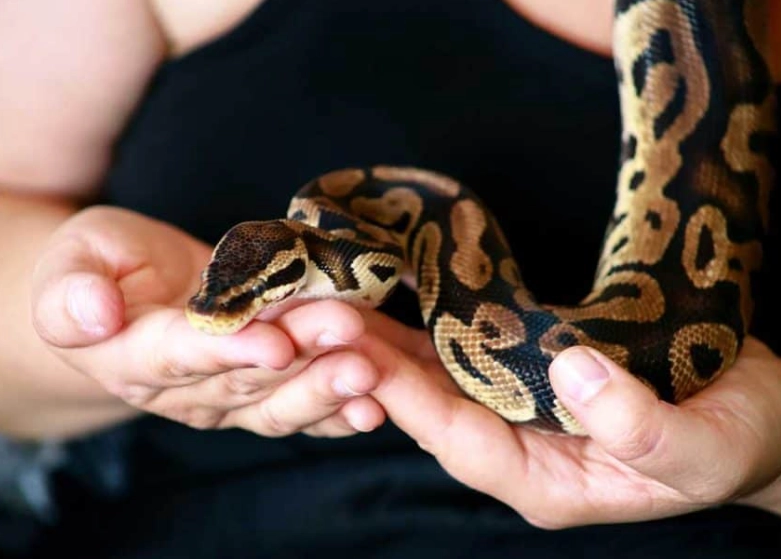
The Aftermath: You'll see small pinpricks of blood, usually arranged in a U-shape or two parallel lines from the upper and lower jaws. There might be mild swelling and redness, similar to a cat scratch. It looks worse than it feels. The biggest issue isn't the bite force; it's the potential for bacteria.
Immediate Steps: What to Do Right After the Bite
Staying calm is rule number one. Panicking will stress you and the snake. Here’s your action plan, in order.
Step 1: Secure the Snake
If it's a quick tag and release, gently place the snake back in its secure enclosure. If it's holding on, do not pull or yank. You'll tear your skin and damage the snake's teeth. Instead, use a simple trick: gently run a stream of cool water over the snake's snout, or apply a tiny drop of rubbing alcohol or mouthwash near its mouth (not in it). The unexpected sensation usually makes them release immediately. Once free, put the snake away.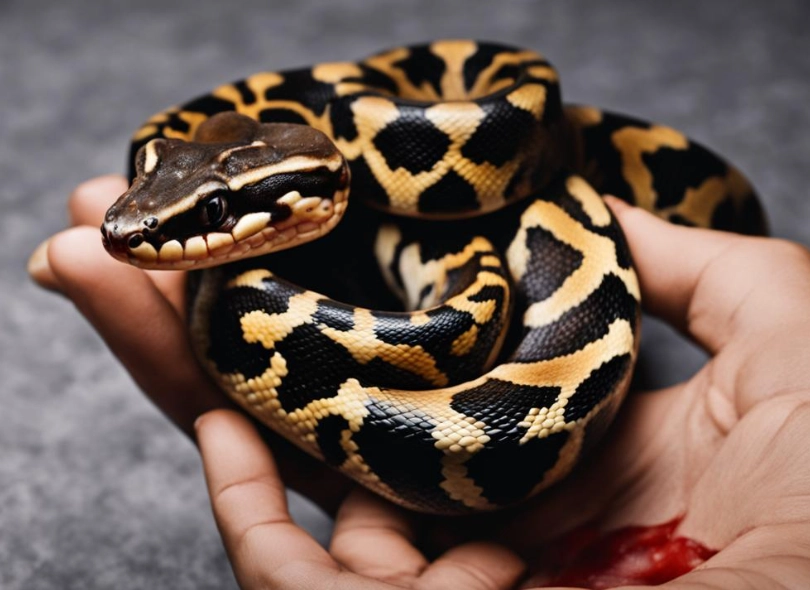
Step 2: Care for the Wound
This is the most important medical part. Ball python mouths harbor bacteria like Pseudomonas and Salmonella. Infection is the real risk.
- Wash Thoroughly: Use warm water and mild soap. Lather and rinse for a full two minutes.
- Disinfect: Apply an over-the-counter antiseptic like hydrogen peroxide or iodine (Betadine). I prefer iodine for reptile bites as it has broader antimicrobial coverage.
- Bandage: Cover with a clean bandage or sterile gauze.
Step 3: Monitor Closely
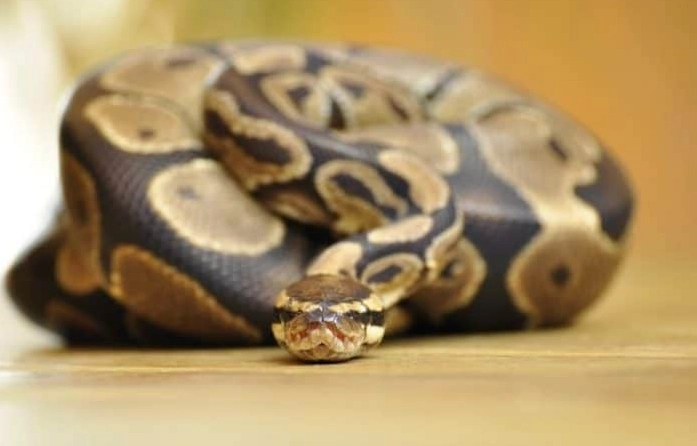
Watch for signs of infection over the next 48-72 hours. Increased pain, swelling, redness that spreads, pus, or red streaks leading from the wound are red flags. A low-grade fever is another sign.
| Type of Bite | Typical Sensation | Wound Appearance | Primary Action |
|---|---|---|---|
| Defensive "Tag" | Sharp, surprising pinch. Over quickly. | Small pinpricks, minimal bleeding. | Stay calm, wash wound, disinfect. |
| Feeding Response Hold | Initial pinch followed by persistent pressure. | U-shaped pattern, may bleed a bit more. | Encourage release (water/alcohol), then clean thoroughly. |
| Mistaken Strike (e.g., hand smells like rat) | Similar to feeding response, but snake often lets go quickly in confusion. | Like a feeding bite, but less determined. | Same as feeding response. Review handling hygiene. |
When Should You Actually See a Doctor?
Most ball python bites don't need a doctor. But know the lines that, when crossed, mean you should pick up the phone.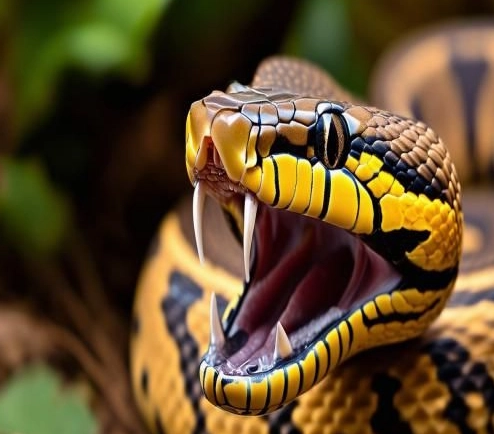
- Signs of infection appear (worsening redness, swelling, pus, fever).
- The bite is on your face, near your eyes, or on a joint.
- You have a compromised immune system (due to diabetes, chemotherapy, etc.).
- Your last tetanus shot was more than 5-10 years ago. While snake bites aren't a classic tetanus source, any puncture wound carries a risk. The CDC recommends a booster for dirty wounds if it's been a while.
- You experience an allergic reaction (hives, difficulty breathing)—extremely rare but serious.
At the doctor, be clear it was a non-venomous ball python bite. They will likely clean it again and may prescribe a prophylactic antibiotic like Augmentin to prevent infection. Don't be shy about asking about a tetanus booster if you're due.
Understanding Why It Bit: The Three Main Reasons
Prevention starts with understanding. Ball pythons almost never bite "out of spite." It's always a reaction.
1. Feeding Response: The #1 cause. Your hand smells like rat, you moved it like prey, or you reached into the cage during "feeding time." This is a mistake, not aggression. I once got tagged because I handled a mouse right before adjusting a water bowl. The scent transfer was instant.
2. Defensive Strike: The snake is scared. Maybe you approached too quickly from above (like a bird of prey), you woke it up suddenly, or it's in a new environment. A hiss or a tight ball are warnings that come before a defensive tag.
3. Stress or Overstimulation: This is the subtle one many miss. You've been handling the snake for an hour, it's getting cold, it's shedding (their vision is poor), or there's too much noise and activity. It's had enough. A bite here is a stressed "please leave me alone" signal you should have seen coming.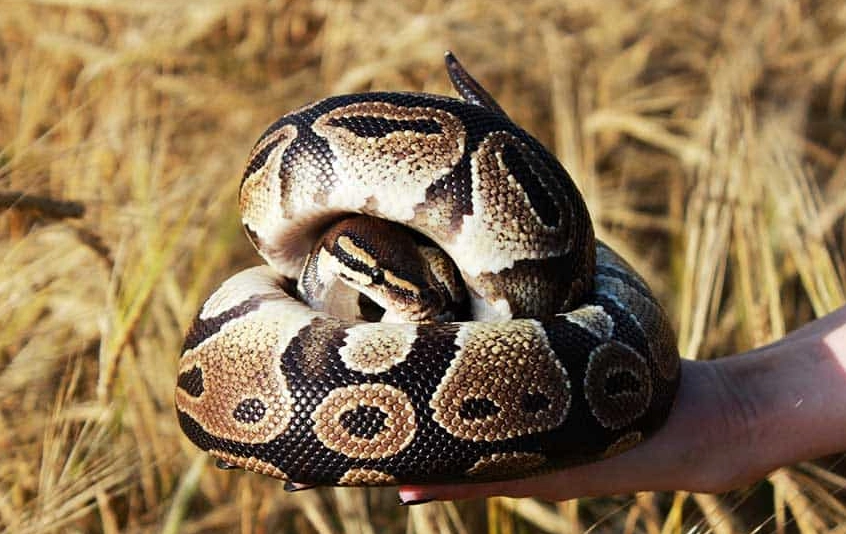
Practical Tips for Preventing Bites
This is where experience pays off. Beyond "wash your hands," here are nuanced tips you won't find in every care sheet.
Use a Hook for Cage Aggression: If your snake is often in a defensive posture when you open the cage, use a small snake hook. Gently stroke its body or lift the front third with the hook before picking it up. This tells it, "You're being handled, not eaten." It's a game-changer.
Create a Feeding Ritual: Never feed in the primary enclosure if you can avoid it. Use a separate feeding tub. But more importantly, establish a cue. I tap the feeding tub lid three times with the tongs. My snakes now associate that specific sound with food, not my hand opening their home.
Read the Body Language: A ball python that's hungry and in feeding mode will often be cruising the front of the glass, tongue-flicking intensely, head and neck in an "S" curve. A defensive snake will be balled tight, head tucked, maybe hissing. Don't handle in either state. Wait for a calm, relaxed snake.
The 48-Hour Rule: After feeding, leave the snake completely alone for a full 48 hours. Digestion is stressful, and they are more likely to regurgitate or strike if disturbed.
Your Questions, Answered
Let's wrap this up. A ball python bite is a low-risk, high-startle event. The pain is minor, the real concern is infection, and the cause is almost always a misunderstanding we can prevent. These snakes are gentle giants in the reptile world. Respect their space, learn their language, and handle with care. The bond you build with a trusting ball python is worth far more than the fleeting sting of a rare, accidental tag. Now go enjoy your snake—confidently.
Reader Comments