Dehydration in crested geckos isn't just a minor issue—it can quickly turn life-threatening if you miss the signs. I've kept these amazing reptiles for over a decade, and let me tell you, spotting dehydration early saved my gecko, Zippy, from a vet emergency last year. In this guide, I'll walk you through exactly how to check for dehydration, what to do about it, and how to prevent it from happening again. We'll cover everything from subtle symptoms to hands-on fixes, so you can keep your pet healthy and happy.
What You'll Learn in This Guide
Key Signs of Dehydration in Crested Geckos
You might think a dry water bowl is the only clue, but dehydration shows up in ways that are easy to overlook. Here are the top symptoms I've seen in my own collection and from other keepers.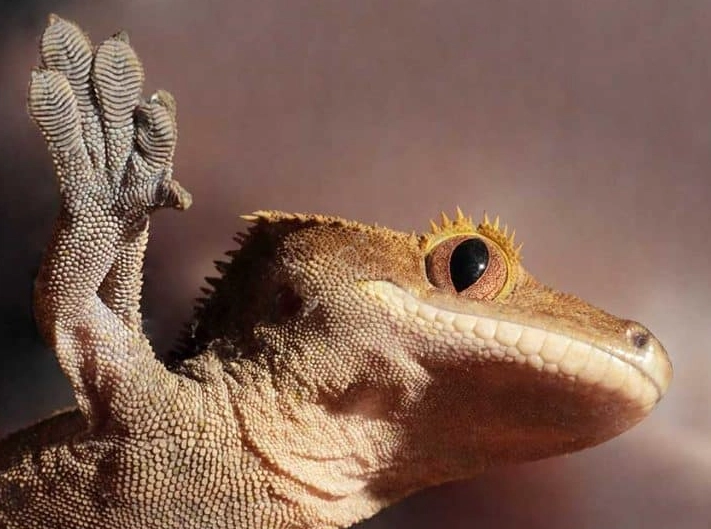
Sunken Eyes
This is often the first red flag. A well-hydrated crested gecko has plump, rounded eyes. When dehydrated, the eyes start to look recessed or hollow. It's like they're sinking back into the skull. I noticed this with Zippy—his eyes went from bright and full to slightly dimpled over two days. Don't wait for it to get worse; act fast.
Loose or Wrinkled Skin
Crested geckos should have smooth, tight skin. Dehydration causes it to become loose or develop wrinkles, especially around the neck and legs. Try the pinch test: gently pinch a small fold of skin on the back. If it doesn't snap back quickly, that's a sign of dehydration. In severe cases, the skin might stay tented for a few seconds.
Lethargy and Loss of Appetite
A dehydrated gecko often becomes sluggish. They might sit in one spot for hours, not climbing or exploring like usual. Appetite drops too—they ignore their food, whether it's commercial diet or insects. I've seen geckos that normally gobble up mealworms just stare at them when dehydrated.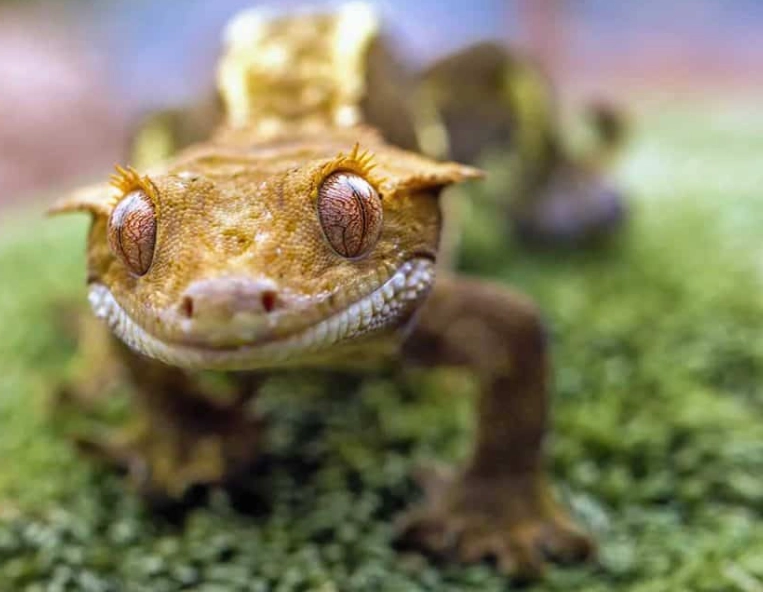
Other Telltale Signs
Look for dry mouth or gums, which can appear sticky or pale. Weight loss is another indicator, though it's slower. Some geckos might have trouble shedding, with stuck skin patches. According to the Association of Reptile and Amphibian Veterinarians, chronic dehydration can lead to kidney issues, so early detection is crucial.
Pro Tip: Many owners mistake dehydration for normal behavior. If your gecko is hiding more than usual or seems less active, don't brush it off—check for these signs immediately.
How to Check for Dehydration: A Step-by-Step Guide
You don't need fancy tools to assess hydration. Here's a simple routine I use every week for my geckos.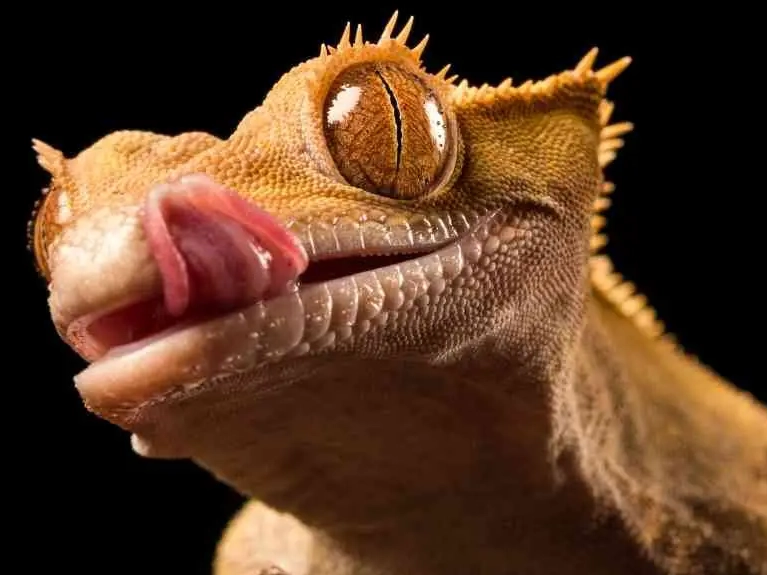
Step 1: Observe Daily Behavior
Watch how your gecko moves and eats. A hydrated one is alert, climbs smoothly, and has regular feeding times. Dehydration makes them slow and disinterested. Keep a mental note—or better, a journal—of any changes.
Step 2: Perform the Skin Pinch Test
Gently lift a bit of skin on the back or side. Use your fingers, not nails. In a hydrated gecko, the skin springs back instantly. If it takes a second or two, that's mild dehydration. Longer than that means it's serious. Do this when your gecko is calm, like in the evening.
Step 3: Check the Eyes and Mouth
Look closely at the eyes. Are they sunken? Compare to photos from when your gecko was healthy. For the mouth, you might need a soft cloth to wipe the gums—if they're dry or tacky, it's a problem.
Step 4: Monitor Weight and Shedding
Weigh your gecko weekly with a small scale. A sudden drop could signal dehydration. Also, note shedding cycles: incomplete sheds often point to low humidity and hydration issues.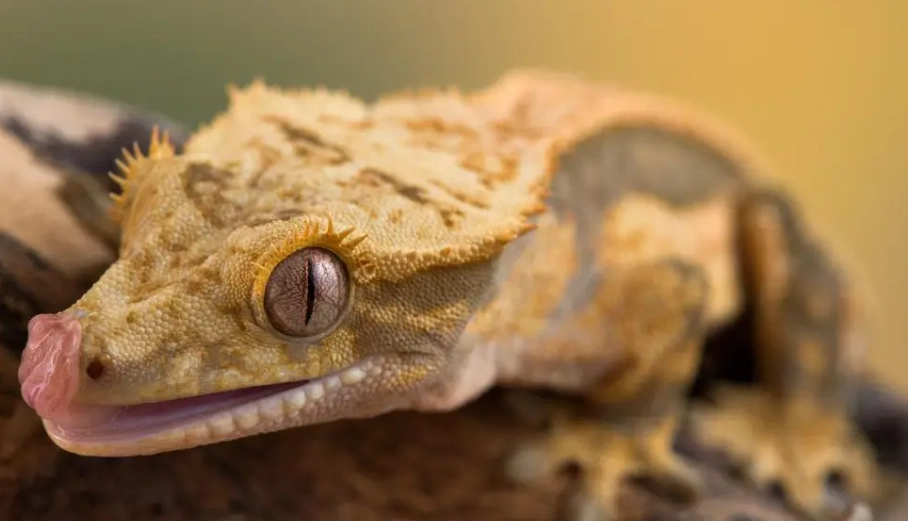
Here's a quick reference table to summarize:
| Symptom | What to Look For | Severity Level |
|---|---|---|
| Sunken Eyes | Eyes appear hollow or recessed | Moderate to Severe |
| Loose Skin | Skin doesn't snap back after pinch test | Mild to Severe |
| Lethargy | Reduced activity, hiding constantly | Mild to Moderate |
| Dry Mouth | Gums look sticky or pale | Severe |
What to Do If Your Crested Gecko Is Dehydrated
If you spot any signs, don't panic. Here's how to rehydrate your gecko effectively, based on my experience and vet advice.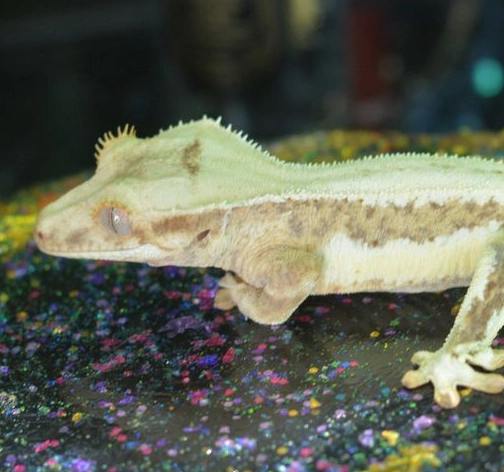
Immediate Rehydration Methods
Start with offering water. Use a shallow dish with fresh, dechlorinated water. Sometimes, geckos won't drink from bowls—try misting the enclosure heavily to create droplets they can lick off. I've had success with a spray bottle set to fine mist, targeting leaves and walls.
For more severe cases, consider an electrolyte solution. You can use unflavored Pedialyte diluted with water (50/50 mix). Offer it in a dish or dab it on their lips with a cotton swab. But here's a nuance many miss: don't force-feed liquids, as it can cause aspiration. Let them lick it voluntarily.
When to See a Vet
If symptoms don't improve within 24 hours, or if your gecko is extremely lethargic, seek a reptile veterinarian. They might administer subcutaneous fluids or check for underlying issues like infections. The Animal Health Institute recommends annual check-ups for exotic pets to catch problems early.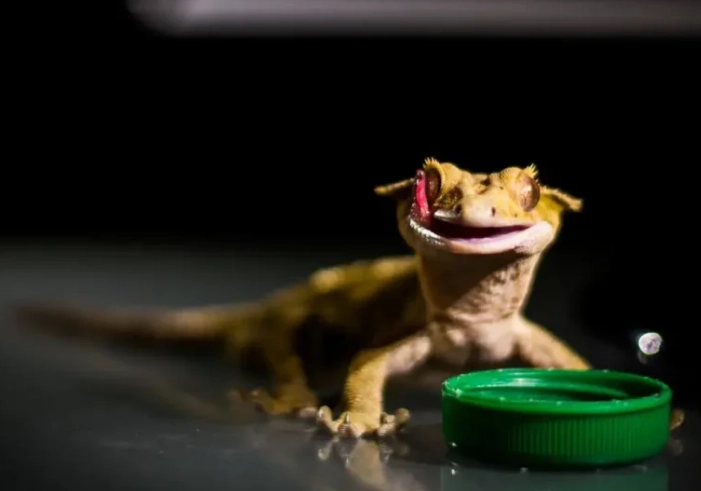
Long-Term Care Adjustments
After rehydration, reassess your setup. Is the humidity too low? Crested geckos need 60-80% humidity. Use a hygrometer to monitor. Add live plants or a larger water bowl. I switched to a bioactive enclosure, and it made a huge difference in maintaining moisture.
Diet matters too. Ensure you're offering a balanced commercial diet like Repashy or Pangea, which have high water content. Some owners rely solely on insects, which can dehydrate geckos if not gut-loaded properly.
Preventing Dehydration: Best Practices for Habitat and Care
Prevention is cheaper than a vet bill. Here are practical steps to keep your gecko hydrated.
Humidity Control
Maintain humidity levels between 60% and 80%. Mist the enclosure twice daily—once in the morning and once at night. Use a timer-based misting system if you're busy. I found that adding sphagnum moss to hides helps retain moisture.
Water Sources
Always have a clean water dish available. Change it daily to prevent bacteria. Some geckos prefer drinking from leaves, so mist foliage thoroughly. Consider a drip system for continuous water access.
Diet and Supplementation
Feed a varied diet: commercial crested gecko food mixed with water to a smooth consistency. For insects, gut-load them with watery veggies like cucumber before offering. Avoid over-relying on dry foods.
Enclosure Setup
Use a well-ventilated but not drafty terrarium. Live plants like pothos or bromeliads can boost humidity. Monitor temperature—keep it around 72-78°F (22-26°C). Too hot accelerates water loss.
I learned the hard way that a screen-top tank in a dry room sucks out moisture. Covering part of the top with plastic wrap helped stabilize humidity without sacrificing airflow.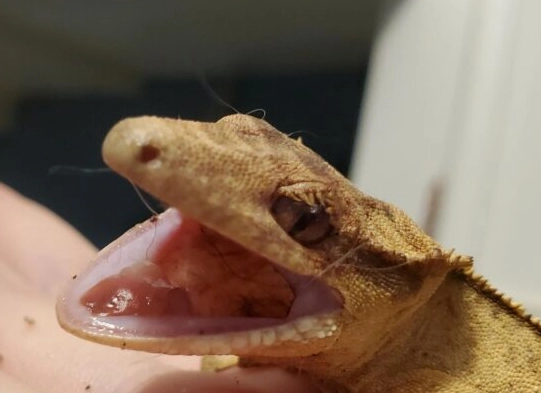
FAQ: Common Questions About Crested Gecko Hydration
Keeping your crested gecko hydrated isn't rocket science, but it does require attention to detail. Start by regularly checking for those key signs, adjust your habitat as needed, and don't hesitate to seek help if things look off. Your gecko will thank you with years of active, healthy life.
Reader Comments