Quick Guide
Let's be honest. You've probably seen them. Those big, goofy-looking frogs with a permanent smile and chunky bodies, sitting calmly in a pet store terrarium. They look like they're made of clay, not flesh and blood. That's the dumpy tree frog for you. Or the White's tree frog, if you want to be formal. Scientifically, they call it Litoria caerulea. But "dumpy" just fits, doesn't it? It's not an insult—it's a term of endearment for their adorable, portly physique.
I remember the first time I saw one in person, not just in a picture. I was at a reptile expo, and this particular frog was just... sitting. Not hiding, not jumping around frantically. Just observing the world with its big, golden eyes. It had a certain calm dignity that you don't expect from a frog. That's what hooks most people. They seem approachable, almost pet-like in their demeanor. But is that the whole story? Is keeping a dumpy tree frog as simple as it looks?
This guide isn't just a dry list of facts. We're going to dig into everything—from what they're like in the wilds of Australia and New Guinea to the nitty-gritty of keeping one happy and healthy in your living room. We'll talk about the good, the bad, and the slightly messy. Because owning any pet is a commitment, even one that fits in the palm of your hand.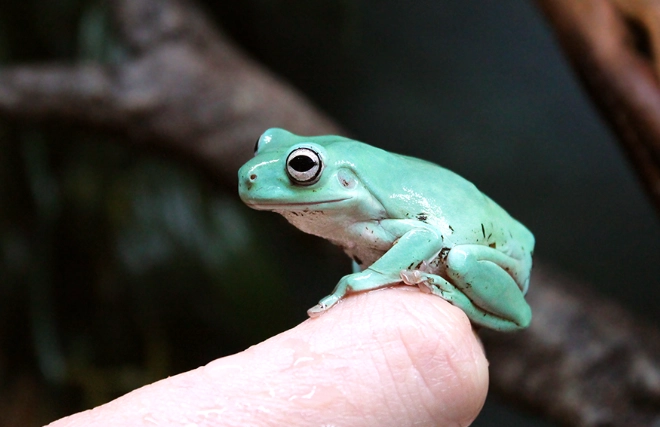
What Exactly Is a Dumpy Tree Frog?
Before we talk about terrariums, let's talk about the animal itself. Understanding where they come from tells you a lot about what they need.
The dumpy tree frog is a native of northern and eastern Australia, and also parts of New Guinea and Indonesia. They're not creatures of the dense, dripping rainforest, surprisingly. They prefer woodlands, forests near water sources, and even human dwellings. That's right—they're known for hanging around water tanks and bathrooms in Australia, which explains a lot about their adaptability. This adaptability is a big part of why they do well in captivity.
Their scientific name, Litoria caerulea, hints at their color. "Caerulea" means blue, and while adults are usually a lovely jade or olive green, they can have bluish patches, and some rare color morphs are more blue. Juveniles are often a brighter, more vivid green.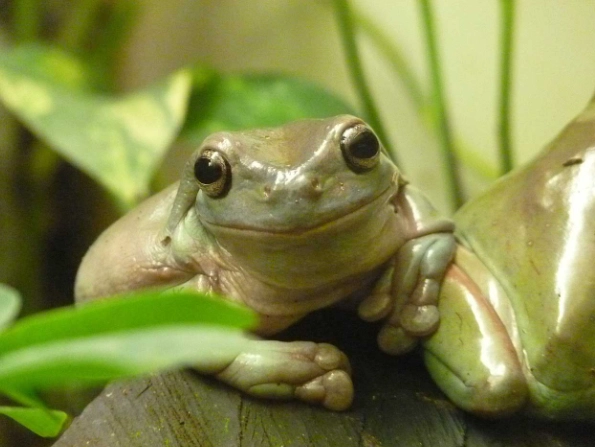
Those Iconic Features
You can't mistake a White's tree frog. They have a few key trademarks.
- The Build: Stocky. Plump. Dumpy. They have a pronounced fatty ridge over each eye, which makes them look wise or perpetually sleepy.
- The Skin: It's not slimy in the way you might fear. It's more waxy. This special secretion helps them retain moisture, a superpower for surviving in drier climates.
- The Toes: Big, round toe pads. These are their suction cups for climbing glass, leaves, you name it.
- The Personality: This is subjective, but most owners agree they are curious and bold compared to other frogs. They're not as prone to sheer panic.
I've heard people say their dumpy tree frog seems to recognize them, or at least recognizes the food bringer. Whether that's true cognition or just a food association, it makes for a more engaging pet.
Setting Up Shop: The Dumpy Tree Frog Terrarium
This is where most people get it right or wrong. You can't just stick them in a bare tank with a water bowl. Think of it as building a tiny, humid slice of Australian woodland.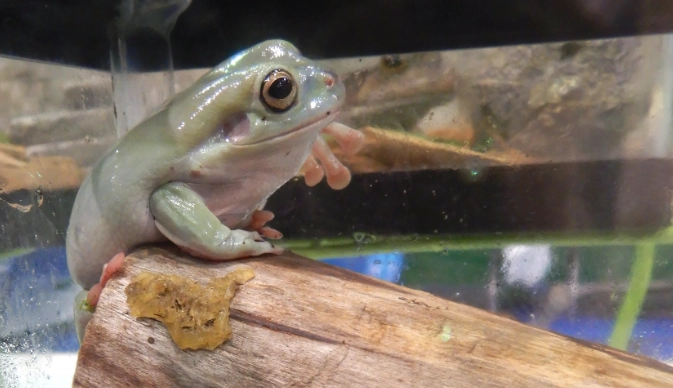
The Enclosure: Size and Type
A common mistake is going too small. While a single frog can survive in a 10-gallon tank, survive isn't thrive. I'd recommend starting at 20 gallons tall for one frog, and adding 10 gallons for each additional frog. They need height more than floor space because they climb. A screen top is essential for ventilation but be prepared for it to get a bit gunky over time.
Glass is the standard. It holds humidity well and lets you see your pet. Just make sure all openings are secure—these frogs are stronger than they look and can nudge a loose lid.
The Non-Negotiables: Heat, Light, and Humidity
Getting this trio right is 90% of success. Let's break it down in a table because it's easier to reference.
| Factor | Target Range | How to Achieve It | Common Pitfall |
|---|---|---|---|
| Temperature | 75-85°F (24-29°C) during the day. A slight drop at night is fine. | Use an under-tank heater on one side OR a low-wattage heat bulb in a dome lamp. Always use a thermostat to prevent overheating. | Overheating the whole tank. They need a gradient—a warm side and a cooler side to regulate. |
| Humidity | 50-60% normally. Spike to 70-80% for misting or during shedding. | Daily misting with dechlorinated water. A large water bowl helps. A hygrometer is a must-buy to monitor levels. | Letting humidity stay too high constantly, which leads to bacterial growth and respiratory infections. |
| Lighting | Not for heat, but for a day/night cycle. | A simple low-output UVB bulb (like a 5.0) for 10-12 hours a day is beneficial for their health, though debated. At the very least, use a regular LED for a consistent cycle. | Using bright, hot lights that stress the frog or disrupt the day/night cycle with room lights. |
You'll notice I mentioned a thermostat. That's the one piece of equipment I won't compromise on. I learned the hard way years ago with a different amphibian—a simple heater malfunction can be tragic. A $30 thermostat prevents that. Worth every penny.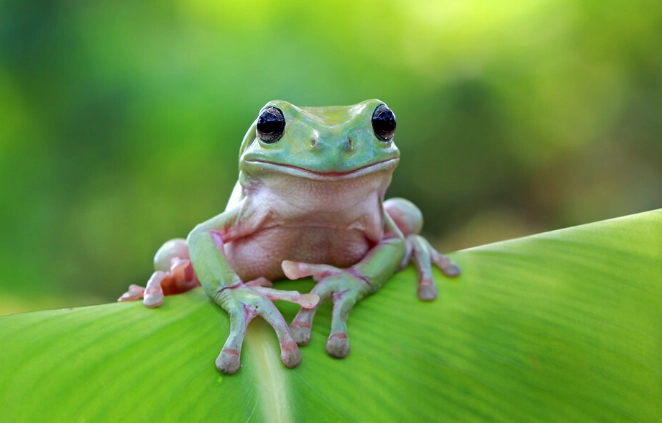
Furnishing Their Pad
Substrate, decor, plants—this is the fun part. The goal is safety, enrichment, and maintaining humidity.
- Substrate: Coconut fiber, organic topsoil (with no fertilizers), or a mix. It should hold moisture but not be soggy. Avoid small gravel or bark they could accidentally swallow.
- Climbing & Hiding: Lots of branches, cork bark tubes, and sturdy live or artificial plants. They love to hide in tight, dark spaces during the day. A simple terracotta pot on its side works great.
- Water Dish: Large enough for the frog to sit in, but not so deep it could drown. Change the water daily without fail.
Live plants like pothos or bromeliads look amazing and help with humidity, but they need plant lights. Silks are easier. Honestly, my first setup used all fake plants, and the frogs didn't mind one bit. It's more for our enjoyment.
Keeping Your Frog Fed and Healthy
Here's where the dumpy tree frog really earns its "beginner" stripes. They are famously good eaters. Sometimes too good.
The Diet: What's on the Menu?
They are insectivores. In the wild, they'll eat just about anything they can fit in their mouth—insects, spiders, even small mammals or other frogs. In captivity, we stick to safer options.
Staple Feeder Insects: Crickets, dubia roaches, and black soldier fly larvae are excellent staples. The key is gut-loading—feeding the insects nutritious food 24 hours before offering them to your frog. And then dusting them with a calcium + D3 powder supplement at most feedings, and a multivitamin powder once a week.
How often? For adults, every 2-3 days is plenty. Juveniles can eat daily. A good rule of thumb is to offer 3-6 appropriately sized insects per feeding. The insect should be no wider than the space between the frog's eyes.
Watch for obesity. A dumpy tree frog should be plump, but not so round it looks like a golf ball with legs. If the folds of skin start to bulge over the eyes and you can't see its eardrums, it's time to cut back. They will beg. They will look at you with those sad eyes. Be strong.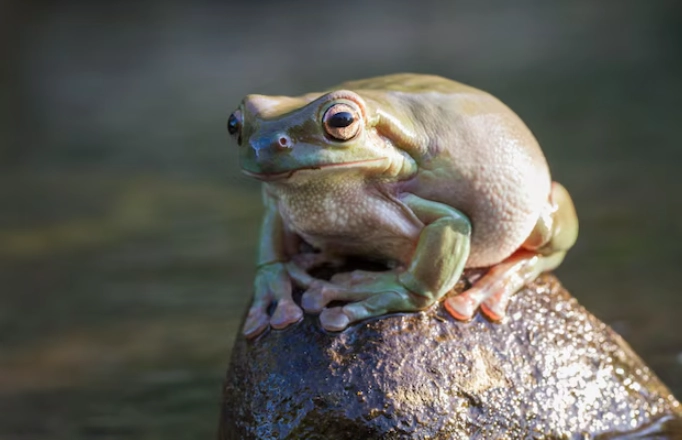
Spotting Trouble: Common Health Issues
Even with great care, things can happen. Knowing the signs is crucial.
- Red-Leg Disease: A serious bacterial infection. Symptoms include lethargy, loss of appetite, and reddening of the skin on the belly and legs. Requires immediate veterinary care.
- Ammonia Burns/Respiratory Infection: Caused by poor water quality or chronically filthy substrate. Signs are sitting in the water dish constantly, wheezing, or mucus around the nostrils.
- Parasites: Internal parasites can come from feeder insects. Weight loss despite eating, runny or odd-colored droppings are clues.
- Impaction: From swallowing substrate or too-large prey. A bloated frog that hasn't defecated in a long time.
The number one piece of advice? Find an exotics vet before you get the frog. Not all vets see amphibians. Know who to call in an emergency. It makes all the difference.
Dumpy Tree Frog Behavior: What's Normal?
They sleep during the day. Like, really sleep. They'll find a snug spot, tuck their limbs in, and close their eyes. Their color may darken to better blend in. At night, they become active—exploring, hunting, soaking in their water dish.
You might hear them call. Males are the ones who vocalize, usually to attract a mate or announce territory. It's a deep, repetitive barking or grunting sound. It's not loud like some frogs, but you'll hear it. Some people find it charming, others... not so much. It's definitely something to consider if the tank is in your bedroom.
Shedding is totally normal. They'll eat their skin (it's nutrient-rich), so you might see them contorting and pulling it off with their mouth. It looks weird but is a sign of a healthy, growing frog.
Handling? The big question.
Here's my take. They tolerate it better than most frogs, but they are not cuddly pets. Handling should be minimal, only when necessary for tank cleaning or health checks. Why? Two reasons: 1) The oils, salts, and lotions on our skin can irritate them or be toxic. 2) They can get stressed. Always wash your hands thoroughly with warm water (no soap residue) before and after. Support their whole body, don't squeeze, and keep sessions short.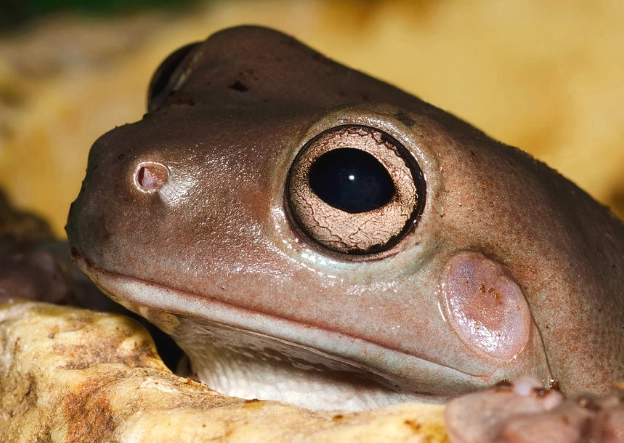
Answering Your Burning Questions (FAQ)
In captivity, with excellent care, 15-20 years is possible. I've heard of some pushing past 20. This isn't a short-term pet. It's a long-term companion. That's a big responsibility.
No. Unlike some brightly colored tropical frogs, White's tree frogs are not poisonous. Their skin secretion is mildly antimicrobial but not harmful to humans. Still, wash your hands after touching them or anything in their tank.
Yes, they can be kept in groups—this is called a "communal" setup. But there are rules. They should be similar in size to avoid cannibalism (it happens). The tank must be large enough. And you must be prepared to feed them separately to ensure each frog gets enough. Watching a group interact can be fascinating.
Reputable reptile/amphibian expos, specialty pet stores with a good herp section, or online from established breeders. Avoid big chain pet stores if you can; their animals often come from mass breeders and may have health issues. A good breeder will be happy to answer your questions and show you pictures of the parents.
This is important. According to the IUCN Red List of Threatened Species, Litoria caerulea is listed as "Least Concern." This means their wild populations are currently stable. However, habitat loss is always a threat. Always ensure any pet is captive-bred, not wild-caught. Captive breeding takes pressure off wild populations and results in healthier, hardier pets. You can verify their status on resources like the AmphibiaWeb database.
Final Thoughts: Is This the Right Frog for You?
The dumpy tree frog is a fantastic pet for the right person. That person is someone who enjoys observing more than handling, who is meticulous about temperature and humidity, and who is ready for a pet that will be around for a long time.
They're relatively low-maintenance compared to a dog, but they're not zero-maintenance. You can't skip a weekend misting if you're away. You need a pet sitter who gets the instructions.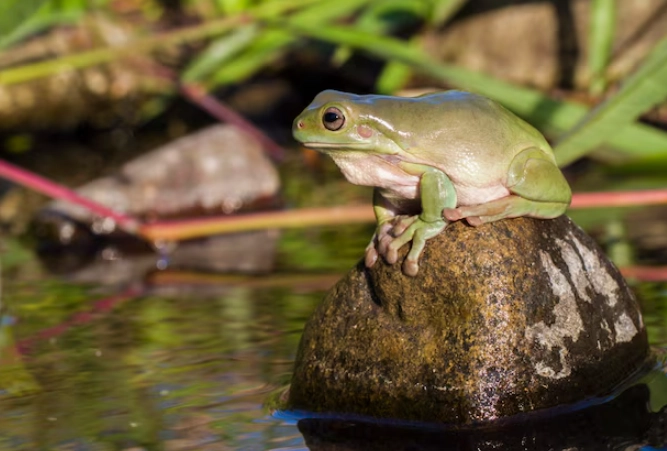
If you want a display animal with personality that's a living piece of art, a White's tree frog is a wonderful choice. If you want something to hold and play with daily, look elsewhere.
Do your research—which you're doing right now, so good on you. Set up the tank completely and let it run for a week to stabilize temperatures and humidity before you bring the frog home. That's the pro move.
And when you finally get your chunky, smiling frog settled into its perfect little world, it's a pretty cool feeling. You're not just keeping a pet; you're providing a home for a fascinating little creature. Just listen for the bark at 2 AM. You were warned.
Reader Comments