Your Quick Guide
- What Exactly Is a King Lizard?
- The King Lizard Lineup: Choosing Your Giant
- Building a Kingdom: The Non-Negotiable Enclosure
- Feeding Your King Lizard: More Than Just Crickets
- Health and Common Problems: What to Watch For
- The King Lizard Personality: Handling and Temperament
- Cost Breakdown: The True Price of a King
- King Lizard FAQ: Your Quick-Fire Questions
- The Final Verdict: Should You Get a King Lizard?
So you're thinking about getting a King Lizard. That's a big decision, literally. I remember the first time I saw a full-grown Green Iguana at a friend's house. It was perched on a branch, looking like a miniature dinosaur, and my first thought wasn't "how cute" but "wow, that thing needs its own room." That's the reality of these animals. Calling them "King Lizard" isn't just a cool nickname—it's a statement about their size, their presence, and the sheer commitment they require.
This guide isn't here to sell you on the idea. In fact, part of my goal is to talk some people out of it. A giant pet lizard is a 10 to 20-year commitment to an animal with very specific, often expensive, needs. But if you're the right person, with the right space and dedication, sharing your life with one of these prehistoric-looking creatures can be incredibly rewarding. We're going to strip away the fantasy and talk about the day-to-day reality, from choosing the right species to dealing with their sometimes grumpy attitudes.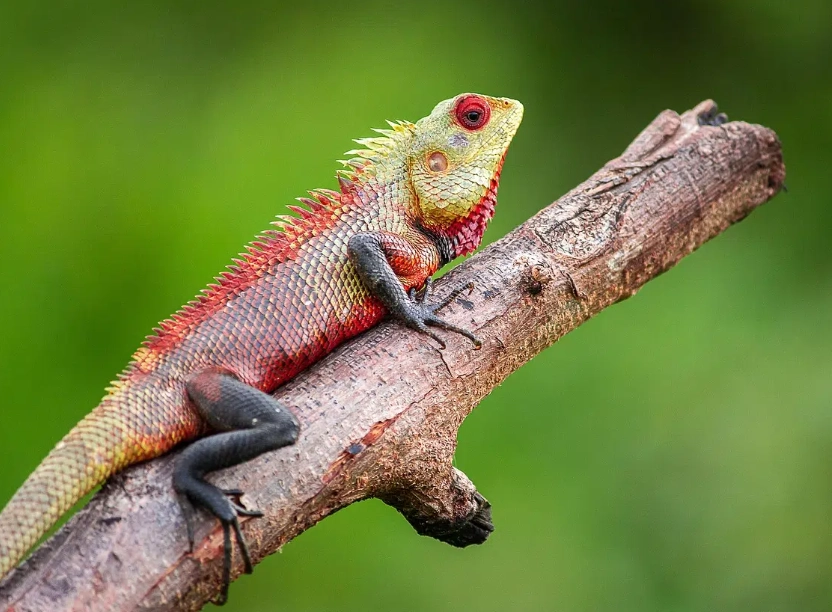
What Exactly Is a King Lizard?
When people search for "King Lizard," they're usually picturing one of a handful of giant species. It's not one specific animal. It's a category. The title of King Lizard is contested by a few regulars in the pet trade, each with wildly different personalities and care sheets.
The most common claimant is the Green Iguana (Iguana iguana). They're the classic, leafy-green, spiny-backed lizard you see in movies. Then you've got the monitors, like the Savannah Monitor or the Asian Water Monitor—more muscular, intelligent, and carnivorous. Tegus, particularly the Argentine Black and White Tegu, are the stocky, bulldog-like contenders, famous for their surprising intelligence and potential for docility. And you can't forget large skinks, like the prehensile-tailed skinks, though they're less common.
They all share one thing: they get big. Really big.
I think the confusion around the term causes the first major problem for beginners. Someone falls in love with the idea of a King Lizard, buys a cute little iguana hatchling without a plan, and is completely unprepared when it's five feet long three years later. That's how rescues end up overflowing. So our first job is to break down who these "kings" really are.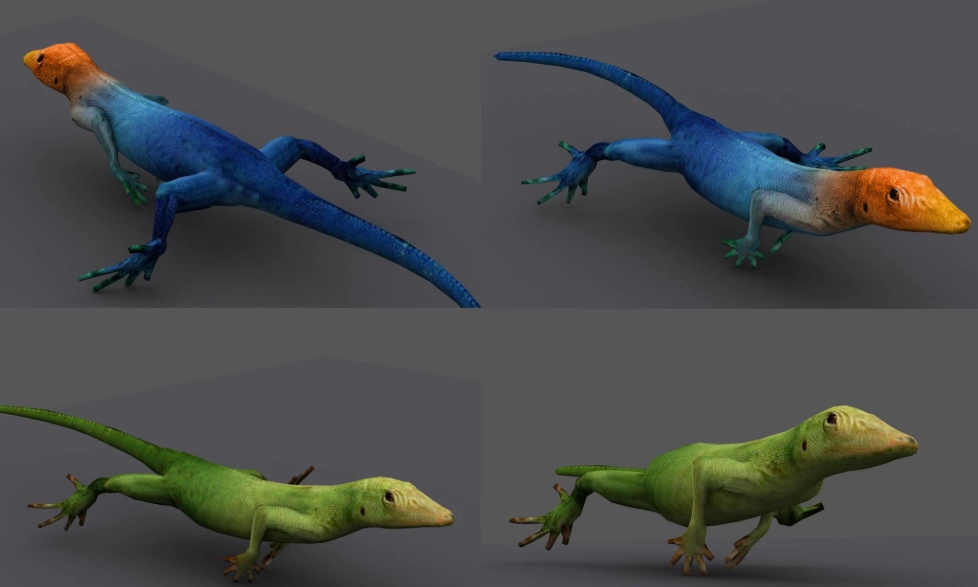
The King Lizard Lineup: Choosing Your Giant
Picking a King Lizard isn't like picking a hamster. You can't just go for the prettiest colors. You have to match the lizard's natural behavior, diet, and adult size to your lifestyle, budget, and experience. Getting this wrong is the number one reason these magnificent animals get rehomed or worse.
Here’s a blunt comparison. I wish I had seen a table like this before I got into reptiles.
| Species (Common "King" Contender) | Adult Size (Length) | Primary Diet | Temperament (General) | Key Challenge | Lifespan (in Captivity) |
|---|---|---|---|---|---|
| Green Iguana | 5 - 6+ feet | Strict Herbivore (Leafy Greens) | Often flighty, can be defensive; tail whips! | Space for vertical climbing, specialized UVB/heat, hormonal aggression in males. | 15 - 20 years |
| Argentine Black & White Tegu | 3.5 - 4.5+ feet | Omnivore (Meat, Eggs, Fruit) | Intelligent, can be very tame with handling. | Hibernation (brumation) period, powerful jaws, need for mental stimulation. | 15 - 20 years |
| Savannah Monitor | 3 - 4 feet | Insectivore/Carnivore (Insects, rodents) | Often nervous, can be defensive; rarely "cuddly." | Extremely high heat requirements, specific insect diet, prone to obesity. | 10 - 15 years |
| Asian Water Monitor | 5 - 7+ feet | Carnivore (Fish, rodents, whole prey) | Intelligent, active, powerful; for experts only. | Massive aquatic space required, immense strength, complex diet. | 15+ years |
| Rhinoceros Iguana | 4 - 4.5 feet | Mostly Herbivore | Often more stoic and less flighty than Green Iguanas. | Rare and expensive, still requires huge space. | 20+ years |
Looking at that table, which King Lizard jumps out? The tegu is often touted as the "dog-like" lizard, and while some do get remarkably tame, that's not a guarantee. It takes consistent, patient work. Green Iguanas are probably the most common "starter" giant lizard, and in my opinion, that's a tragedy. Their dietary and spatial needs are so often botched.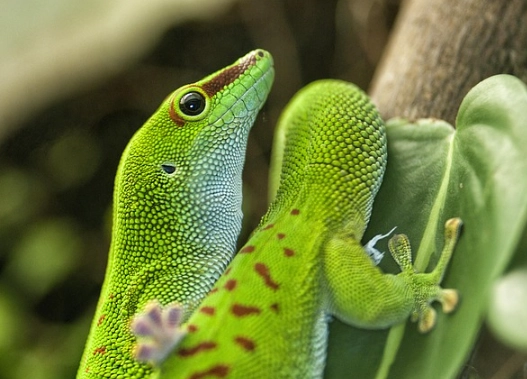
My Experience: The Iguana Reality Check
I volunteered at a reptile rescue for a few years. Guess what made up about half the large lizard surrenders? Green Iguanas. People bought a tiny, bright green baby from a pet store. It was cute for a year. Then it hit three feet, started getting territorial, and the tail—a muscular whip that can draw blood—started swinging. The owners were scared, and the lizard was stressed. The most common reason given? "We didn't know it would get this big." The information was everywhere, but they didn't look. That's the first hurdle for any potential King Lizard owner: brutally honest research.
Building a Kingdom: The Non-Negotiable Enclosure
You cannot keep a King Lizard in a fish tank. Period. For a full-sized adult, you are essentially building a room partition or dedicating a whole room. The enclosure is the single biggest investment, both in money and space.
Let's break down what a proper kingdom needs:
- Size is Everything: The rule of thumb is length should be at least 1.5x the lizard's adult length, width at least equal to its length, and height crucial for climbers like iguanas. For a 6-foot iguana, that's an enclosure 9 feet long, 6 feet wide, and 6+ feet tall. That's walk-in closet territory.
- Heat Gradient: These are tropical or desert animals. They need a precise temperature range. A basking spot of 95-110°F (35-43°C) is common, with a cooler end around 75-80°F (24-27°C). You'll need multiple high-wattage ceramic heat emitters, basking lamps, and thermostats to control it all.
- UVB Lighting: This isn't optional. UVB light allows them to synthesize vitamin D3 and process calcium. Without it, they get Metabolic Bone Disease (MBD)—a crippling, painful, and fatal condition. The tube fluorescent bulbs are expensive and need replacing every 6-12 months, even if they still shine visible light. According to the American Veterinary Medical Association's reptile care guide, proper lighting is a cornerstone of reptile health.
- Humidity & Water: Many King Lizards need high humidity (60-80%). This means misting systems, foggers, and large water basins for soaking. An Asian Water Monitor's setup is more aquarium than terrarium.
- Furnishing the Throne Room: Thick, sturdy branches for climbing (especially for iguanas), secure hiding places, and substrate that won't cause impaction if ingested. Newspaper, cypress mulch, or soil mixes are common. Avoid sand, gravel, or wood chips for most species.
Can you DIY this? Absolutely, and most serious keepers do. But the cost for materials, lighting, heating, and controls can easily run into the hundreds, if not thousands, of dollars before you even buy the lizard. I've seen beautiful custom enclosures made from converted wardrobes or framed with PVC board and plexiglass.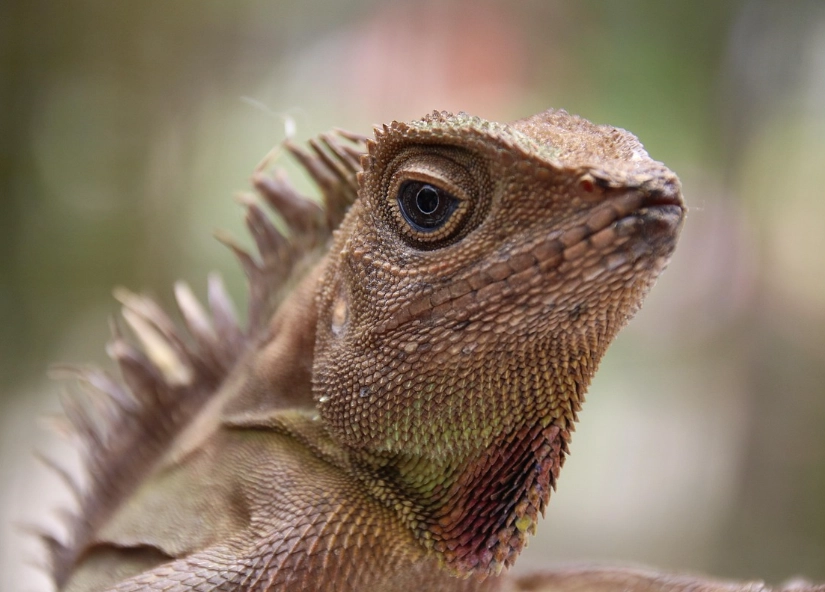
Feeding Your King Lizard: More Than Just Crickets
The diet is where people mess up constantly. You can't just feed a giant lizard iceberg lettuce and call it a day. Their nutritional needs are highly specific.
The Herbivore vs. Carnivore Divide
This is the most critical split. Getting it wrong will kill your lizard.
For Herbivores like the Green Iguana: Their diet should be primarily dark, leafy greens (collard, mustard, dandelion, turnip greens). Vegetables like squash, bell peppers, and green beans are good additions. Fruits are treats only (like 10% of the diet). The key is calcium. They need a high calcium-to-phosphorus ratio. I use a light dusting of calcium powder (without D3 if using proper UVB) on their salads most days. The comprehensive Green Iguana care guide on ReptiFiles, a highly trusted resource by veterinarians, has exhaustive food lists and ratios. Protein (like dog food or meat) is toxic to them long-term and leads to kidney failure.
For Carnivores/Omnivores like Monitors and Tegus: This is a whole-prey diet. For monitors, it's insects (like gut-loaded roaches, crickets), rodents (appropriately sized), and for water monitors, fish and shellfish. Variety is key to prevent nutritional deficiencies. Tegus are easier in some ways—they'll eat lean ground turkey, eggs, fruits, and whole prey. The common mistake here is overfeeding. Obesity is a massive killer of captive monitors and tegus. They don't need to eat daily. An adult might eat 2-3 times a week.
Feeding a Savannah Monitor? Get ready to buy insects in bulk. An adult can put away hundreds of roaches a week.
Health and Common Problems: What to Watch For
Finding a vet who specializes in reptiles (an exotics vet) is not a suggestion; it's a requirement before you get the lizard. Regular dog and cat vets often lack the training. A sick King Lizard can go downhill fast, and treatments are expensive.
Here are the big health watch-outs:
- Metabolic Bone Disease (MBD): The number one killer of poorly kept herbivorous lizards. Symptoms include soft, rubbery jaw, swollen limbs, tremors, lethargy, and fractures. It's caused by incorrect calcium, phosphorus, and/or UVB light. It's heartbreaking and entirely preventable.
- Respiratory Infections: Bubbly mucus from the nose or mouth, wheezing, open-mouth breathing. Usually caused by incorrect temperatures or humidity.
- Parasites: Internal parasites (worms, protozoa) are common, especially in wild-caught or poorly bred animals. Symptoms include weight loss, diarrhea, and lethargy. A fecal exam by your vet is a good early step.
- Egg Binding (in females): Even without a male, female lizards can lay infertile eggs. If she can't pass them, it becomes a life-threatening emergency. Symptoms include lethargy, straining, and swelling in the abdomen.
- Abscesses and Mouth Rot: Infections often from minor injuries or poor hygiene in the enclosure.
Prevention is always better than cure. A perfect environment and diet prevent 90% of these issues. That's why the setup is so critical—it's their health insurance.
The King Lizard Personality: Handling and Temperament
Do not expect a cuddly pet. Some individuals, particularly tegus raised with constant gentle interaction, can become very tolerant and even seek attention. But they are not mammals. They don't crave affection. Handling is for your benefit, not theirs. The goal should be a lizard that is calm and tolerant during necessary interactions (vet visits, enclosure cleaning).
For larger, stronger species, there's a real safety aspect. An adult iguana's tail whip can break a small bone or give you a severe laceration. A monitor or tegu's bite is serious, capable of crushing bone and causing severe laceration. You must learn to read their body language. Puffing up, hissing, flattening their body, whipping their tail, or a rapidly flicking tongue are all signs of stress or defensiveness.
I've handled "tame" iguanas that were perfectly calm one day and decided to launch themselves off me the next. It keeps you on your toes. You have to respect their power and their wild nature, no matter how long they've been in captivity.
Cost Breakdown: The True Price of a King
Let's talk money, because this is where dreams often crash. The lizard itself might cost $50 for a baby iguana or $300+ for a baby tegu. That's the cheapest part.
- Enclosure Setup: $500 - $2000+ (for custom build, lighting, heating, thermostats, decor).
- Monthly Operating Costs: Electricity for heat/light ($30-$80), Food ($50-$150 depending on species), Substrate/bedding ($20-$40).
- Veterinary Care: Annual check-up with fecal exam: $100-$200. Emergency visit or surgery: easily $500-$2000+.
- Miscellaneous: Backup bulbs, timer replacements, cleaning supplies.
You're looking at a significant initial investment and a steady monthly outlay. If that gives you pause, a King Lizard is not for you. It's a fair reason to reconsider. A smaller lizard species might be a much better fit.
King Lizard FAQ: Your Quick-Fire Questions
The Final Verdict: Should You Get a King Lizard?
If you've read this far, you're serious. So here's my final, unfiltered take.
A King Lizard is a rewarding pet for someone who is fascinated by reptile behavior, who gets joy from creating and maintaining a complex ecosystem, and who values observation over interaction. It's for someone with stable finances, a suitable home (landlords rarely approve!), and a long-term commitment.
It is a terrible pet for someone who wants something to cuddle, who is on a tight budget, who moves frequently, or who isn't prepared for a decade-plus of dedicated, specific care.
Do your research—real research, from authoritative sources like veterinary sites and dedicated care guides, not just forum posts. Talk to breeders, visit rescues (you'll learn a lot), and be brutally honest with yourself. The title of "King Lizard" owner is earned through daily effort, not just purchased at a pet store.
Maybe, just maybe, you're ready to build a kingdom.
Reader Comments