Quick Navigation Through This Guide
- What Exactly Is a Rhacodactylus Leachianus Gecko?
- Why Keep a Leachie? The Pros and the Honest Cons
- Understanding Locales: The Different Types of Leachianus Geckos
- Setting Up the Perfect Rhacodactylus Leachianus Gecko Habitat
- Feeding Your Giant: The Leachie Diet Simplified
- Health and Common Issues: What to Watch For
- Handling and Temperament: Taming Your Gentle Giant
- Frequently Asked Questions (FAQs)
- Final Thoughts: Is a Leachie Right for You?
So, you've seen a picture of a Rhacodactylus leachianus gecko. Maybe it was a chunky, wrinkly face staring back at you, or perhaps a massive gecko that looked more like a small dragon than a typical house lizard. And now you're hooked. I get it. The first time I saw one at a reptile expo, I just stood there, completely forgetting about the other animals. There's something undeniably captivating about them. They're not your average pet gecko.
But here's the thing everyone thinking about getting one needs to know right away: a Leachie (that's the common nickname) is a major commitment. We're talking about a pet that can easily live 20 to 30 years, potentially outliving your cat or dog. They have specific needs, and they aren't exactly cheap, both to buy and to house properly. This isn't a pet you impulse-buy because it looks cool. This guide is here to walk you through absolutely everything—the good, the bad, and the wonderfully weird—about keeping a Rhacodactylus leachianus gecko.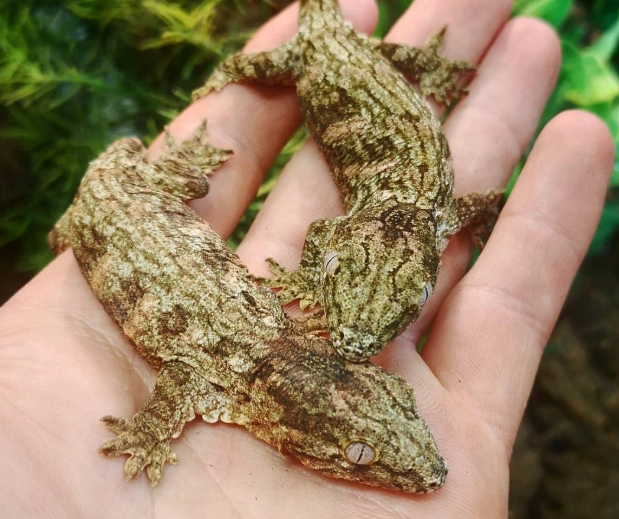
What Exactly Is a Rhacodactylus Leachianus Gecko?
Let's start with the basics. Scientifically known as Rhacodactylus leachianus, this gecko is native to New Caledonia, a group of islands in the South Pacific. They're part of the Diplodactylidae family. In the hobby, you'll hear them called Leachianus geckos, Leachies, or simply New Caledonian giant geckos.
Their appearance is what grabs you. They have loose, velvety skin that can form adorable wrinkles, especially around the neck and limbs. Their heads are broad, their eyes are large and expressive, and their toes have specialized pads and small claws that let them climb just about anything. Color and pattern vary wildly depending on their specific locale (more on that in a bit), ranging from mossy greens and greys to creams, whites, and even peach or brown, often with striking patterns of spots, stripes, or blotches.
One of the most fascinating things about them is their vocalizations. Unlike most quiet geckos, Leachies can make a surprising array of sounds—from chirps and clicks to full-on growls and barks. Hearing your gecko "talk" is a unique experience you don't get with many reptiles.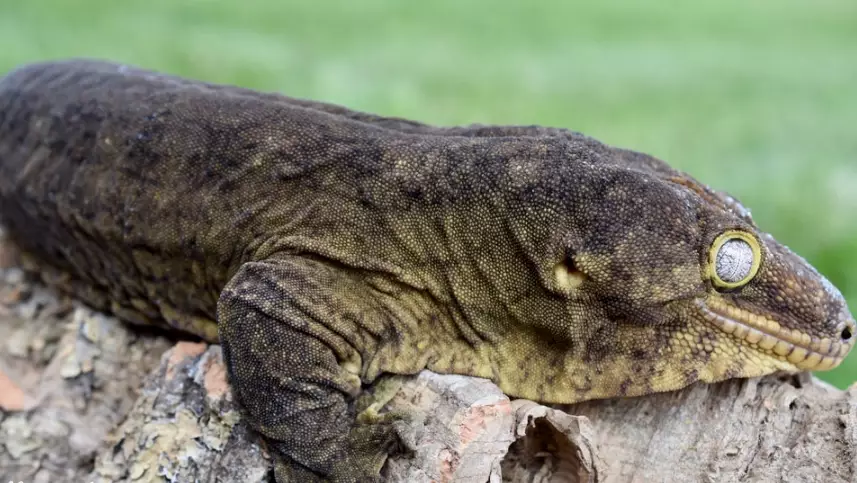
Why Keep a Leachie? The Pros and the Honest Cons
Before we dive into the nitty-gritty of care, let's talk about why you'd want one, and maybe why you'd think twice.
The Good Stuff (The Pros)
- Personality For Days: This is the big one. Rhacodactylus leachianus geckos are often described as having more personality than most reptiles. They can be curious, watchful, and some even become quite tolerant of handling (though this is individual). Watching them explore or simply sit with their unique, grumpy-old-man expression is endlessly entertaining.
- Low Activity, High Impact: They are mostly crepuscular/nocturnal, meaning they're active at dawn and dusk. You don't need to entertain them constantly. Their sheer presence in a beautifully set up terrarium is a living piece of art.
- Diet is Straightforward: Their primary diet is a powdered meal replacement mix (like Repashy or Pangea), which you just mix with water. It's nutritionally complete and mess-free compared to live insect colonies.
- Generally Hardy: When provided with proper care, they are robust animals not prone to a huge list of ailments.
The Not-So-Good Stuff (The Cons)
- The Price Tag: Let's be blunt. A baby Rhacodactylus leachianus gecko from a common locale can start around $800-$1200. Rarer locales or specific morphs can run into the thousands. Then you need a large, high-quality enclosure.
- Space Hogs: An adult needs a minimum of an 18"x18"x24" tall enclosure, but many keepers (myself included) recommend going even larger, like 24"x18"x36" for a single adult. This isn't a small tank you can tuck on a desk.
- They Can Be Moody: While some are calm, many are defensive, especially as juveniles. They may bark, lunge, or even bite if they feel threatened. A bite from a full-grown adult can draw blood. Taming requires patience and respect for the animal's boundaries.
- The Long Haul: That 20-30 year lifespan is a pro and a con. It's a major life commitment.
Understanding Locales: The Different Types of Leachianus Geckos
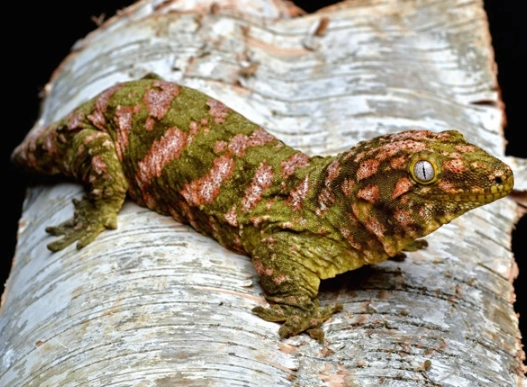
This is crucial. "Rhacodactylus leachianus" isn't just one look. They come from different islands and regions in New Caledonia, and these populations, called locales, have distinct sizes, colors, and patterns. Knowing them helps you choose and also impacts your setup (larger locales need more space).
| Locale Name | Origin Island | Typical Adult Size | Color & Pattern Notes | General Temperament Notes |
|---|---|---|---|---|
| Grande Terre (Mainland) | Main Island (Grande Terre) | Largest (Up to 17", 350g+) | Most variable: greens, greys, browns with heavy patterning. | Often more bold, can be defensive. |
| Pine Island (Île des Pins) | Isle of Pins | Medium-Large | Famous for bright green backgrounds with white or yellow spotting. | Considered one of the more docile locales. |
| Nuu Ana / Nuu Ami | Smaller Islands | Smaller Dwarf Locales (8-10") | Often high-contrast patterns, white/cream with dark blotches. | Varies, but their smaller size can make them seem less intimidating. |
| Brosse / Moro | Various Islets | Small Dwarf Locales | Rich browns, oranges, peaches with unique patterning. | Often sought after for their color and manageable size. |
When you're looking at a Rhacodactylus leachianus gecko for sale, the locale should always be specified by the breeder. Cross-locale breeding happens, but pure locale animals are typically more valued. Dwarf locales are popular for keepers with less space, but remember, "dwarf" for a Leachie is still a substantial gecko compared to a Crested gecko.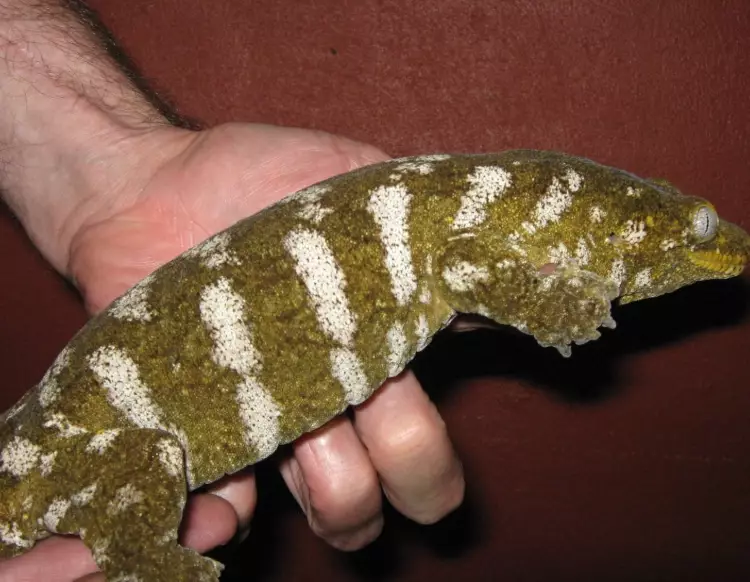
Setting Up the Perfect Rhacodactylus Leachianus Gecko Habitat
This is where many beginners slip up. You can't skimp on housing. A stressed gecko in a poor setup is an unhealthy gecko. Let's build it right from the ground up.
The Enclosure: Size and Type Matters
As mentioned, think big and think tall. These are arboreal geckos; they climb. A screen-top glass terrarium (like those from Exo Terra or Zoo Med) is the standard. It provides good ventilation, front-opening doors for easy access, and screen tops for lighting. For a single adult from a larger locale, start with at least 18"x18"x24", but 24"x18"x36" is my strong recommendation—it gives you room to create a fantastic vertical landscape.
Bigger is almost always better.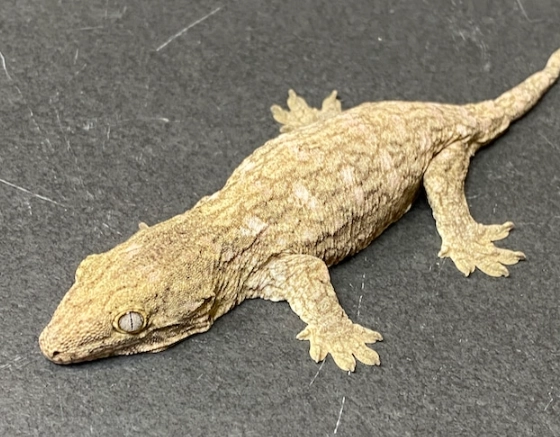
Heating and Lighting: Creating a Gradient
They do not need scorching heat. Aim for a gentle temperature gradient:
- Warm side: 78-82°F (25-28°C) during the day.
- Cool side: 72-75°F (22-24°C).
- Night drop: Can go down to 68-70°F (20-21°C).
Use a low-wattage ceramic heat emitter (CHE) or a deep heat projector on a thermostat placed on the screen top. Never use heat rocks.
While they are nocturnal, providing low-level UVB lighting (like a ShadeDweller or a 5% UVB tube) is a topic of debate but increasingly considered beneficial for their long-term health, simulating natural sunlight cycles. It helps with calcium metabolism and overall well-being. A 12-hour on/off light cycle works well.
Humidity and Hydration: The Mist of Life
Humidity is critical. You need to replicate the misty forests of New Caledonia.
- Daytime humidity: Let it drop to 50-60%.
- Nighttime humidity: Spike it to 70-80% or higher.
This is achieved by misting the enclosure heavily once or twice in the evening with a hand sprayer or an automatic misting system. The gecko will drink water droplets from leaves and glass. Always provide a shallow water dish as well, changed daily.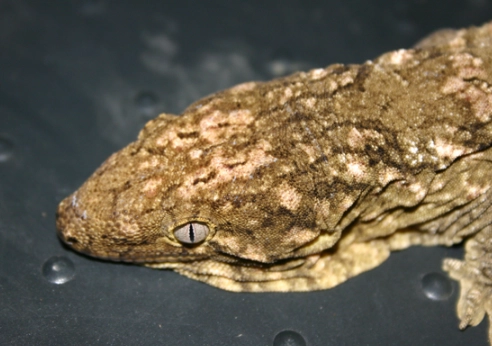
Substrate and Decor: Building a Jungle Gym
The goal is a cluttered, vertical paradise.
- Substrate: Use something that holds moisture but doesn't stay soggy. A mix of organic topsoil, coconut fiber, and sphagnum moss is great. For a bioactive setup, add a clean-up crew (springtails, isopods). Paper towel is safe for quarantine but boring and not great for humidity.
- Branches & Vines: Use plenty! Cork rounds, ghost wood, and grapewood create climbing highways. Ensure everything is secure—a falling branch can injure a heavy gecko.
- Live or Artificial Plants: Live plants like Pothos, Snake Plants, and Bromeliads thrive in the humidity and provide hiding spots. They also help with humidity. Artificial plants are easier to clean. Use both for maximum coverage.
- Hides: Provide multiple snug hiding spots at different levels. Cork bark flats leaned against the glass, coconut hides, and commercial reptile caves all work.
It's a tie between using an enclosure that's too small and not providing enough cover. A bare tank is a stressed gecko. They need to feel hidden and secure to behave naturally.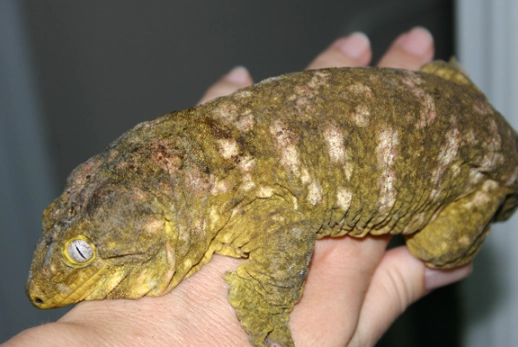
Feeding Your Giant: The Leachie Diet Simplified
Feeding a Rhacodactylus leachianus gecko is thankfully simple. Their staple diet should be a commercial Complete Diet Powder, such as Repashy's Crested Gecko Diet or Pangea's Fruit Mixes. These are powdered formulas you mix with water to a ketchup-like consistency. They contain all the necessary nutrients, vitamins, and minerals.
- Frequency: Offer fresh food every other day for juveniles. Adults can be fed every 2-3 days. Remove uneaten food after 24-48 hours.
- Variety: Rotate between different flavors (Fig & Insect, Banana, Apricot) to ensure a broad nutrient profile and keep your gecko interested.
- Insects as Treats: Once a week or every other week, you can offer gut-loaded insects like crickets, dubia roaches, or black soldier fly larvae as a protein-rich treat. This encourages natural hunting behavior. Dust them lightly with calcium powder.
I've found mine go absolutely crazy for Pangea's "Fig & Insects" flavor. It's like gecko crack. But each animal has preferences, so try a few sample packs first.
Health and Common Issues: What to Watch For
A healthy Rhacodactylus leachianus gecko is alert, has clear bright eyes, a plump tail (their fat storage), and a good appetite. Here are red flags:
- Stuck Shed: Inadequate humidity can cause shed to stick, especially on toes and the tip of the tail. This can constrict blood flow and lead to loss of the digit or tail. A proper humidity cycle and a rough surface (like cork) to rub against prevents this.
- Metabolic Bone Disease (MBD): Caused by calcium deficiency, often due to lack of proper supplementation or UVB. Symptoms include a soft or rubbery jaw, bowed limbs, tremors, and difficulty climbing. It's preventable with proper diet and potentially UVB lighting.
- Obesity: Yes, you can overfeed these guys, especially with too many fatty insects. A fat gecko is at risk for fatty liver disease. Keep them active and monitor their body condition.
- Parasites: Internal parasites can cause weight loss, lethargy, and runny stools. A fecal exam by an exotic vet is a good idea for any new gecko.
Finding a good reptile veterinarian before you have an emergency is one of the best things you can do. Check the Association of Reptilian and Amphibian Veterinarians (ARAV) directory to find a qualified professional near you.
Handling and Temperament: Taming Your Gentle Giant
This requires patience. Many juvenile Rhacodactylus leachianus geckos are defensive. They may bark (a loud, startling sound), lunge, or even try to bite.
Start by just sitting by the enclosure, letting them get used to your presence. Move slowly. When you need to interact, approach from the side, not from above (like a predator). Gently scoop them from below, supporting their full body and legs. Never grab or restrain by the tail—while they can't drop their tail as easily as some geckos, it's still stressful.
Keep initial handling sessions short (5-10 minutes) and positive. Some may never be "cuddly," but most will learn to tolerate handling. The key is consistency and respect. If they are clearly stressed, put them back and try again later.
Frequently Asked Questions (FAQs)
Final Thoughts: Is a Leachie Right for You?
Owning a Rhacodactylus leachianus gecko is a unique and deeply rewarding experience. It's not like having any other reptile. They feel more like a proper companion animal. But the commitment is real.
Ask yourself:
- Can I afford the initial cost ($1000+ for the gecko + $500+ for the setup)?
- Do I have space for a large, permanent terrarium?
- Am I ready for a pet that could be with me for 30 years?
- Am I patient enough to work with an animal that might be defensive at first?
If you answered yes, and you've done your homework, then welcome to the world of giant geckos. It's a fantastic community, and you're about to embark on a long, fascinating journey with one of nature's most incredible reptiles. Start by connecting with the community, learning from experienced keepers, and planning that perfect habitat. Your future gentle giant is waiting.
For further scientific reading on New Caledonian geckos, you can explore resources like the IUCN Red List for conservation status or peer-reviewed publications in journals such as the Journal of Herpetology. Always ensure your pet and its lineage are captive-bred to support conservation.
Reader Comments