Let's be honest, the first time you see a hognose snake, you probably laugh. That upturned snout looks like it ran into a wall. But there's so much more to these little guys than a silly nose. I've kept a few over the years, and they've got personalities bigger than some dogs I've known. If you're thinking about getting one, or just fell down a YouTube rabbit hole watching them "play dead," you're in the right place. This isn't just a quick care sheet. We're going deep.
What makes a hognose snake tick? Are they good for beginners? (Spoiler: mostly yes, but with some big caveats). How do you deal with their sometimes finicky eating habits? We'll cover all that and more. I'll even tell you about the time mine gave me a genuine heart attack thinking it was sick, when it was really just being... well, a hognose.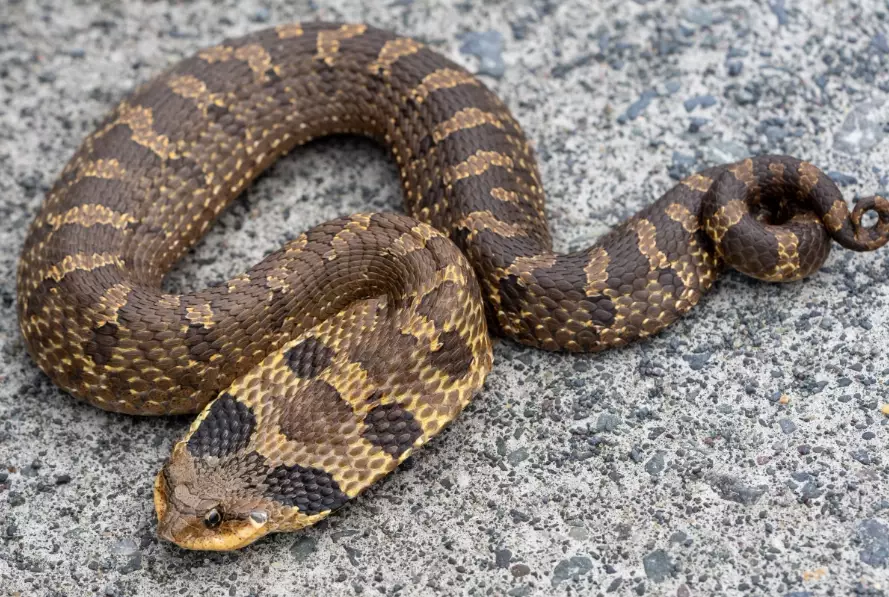
Quick Guide
- What Exactly Is a Hognose Snake?
- Is a Hognose Snake the Right Pet For You? Let's Be Real.
- Setting Up Your Hognose Snake's Home: The 80/20 Rule
- The Hognose Snake Diet: Moving Beyond Just Mice
- Handling and Temperament: From Bluff to Butter
- Common Health Issues: What to Watch For
- Morphs and Genetics: The Rainbow of Hognoses
- Your Hognose Snake Questions, Answered
What Exactly Is a Hognose Snake?
Okay, basics first. Hognose snakes are a group of snakes native to North America. The name comes from their most distinctive feature—that shovel-like, upturned rostral scale on their nose. It's not just for looks. They use it like a little trowel for digging in sandy soil, both to hunt and to hide. Pretty clever, right?
There are a few main species you'll encounter, especially in the pet trade. The Eastern hognose snake (Heterodon platirhinos) is the drama king. The Western hognose snake (Heterodon nasicus) is the one you see in pet stores most often. Then there's the Southern hognose, which is rarer. For pets, the Western is king because of its generally milder temperament and smaller size. The Eastern gets bigger and has that famous, over-the-top defensive routine.
Fun Fact: That famous "playing dead" behavior? It's called thanatosis. They flip onto their backs, mouth agape, tongue hanging out, and even might emit a musky smell to sell the act. If you flip them right-side up, they'll often flop right back over as if to say, "No, I'm definitely dead, see?" It's hilarious and brilliant.
Their taxonomy is solid. They're colubrids, non-venomous to humans (though they do have a mild, rear-fanged venom used to subdue toads, which we'll talk about). You can find solid, non-sensationalized info on their biology from places like the Animal Diversity Web, which is a great resource from the University of Michigan Museum of Zoology.
Is a Hognose Snake the Right Pet For You? Let's Be Real.
Everyone online says hognoses are "perfect beginner snakes." I think that's only half true. They're small, usually handleable, and don't need massive enclosures. But they come with a unique set of challenges that can really stress out a first-time owner if they're not prepared.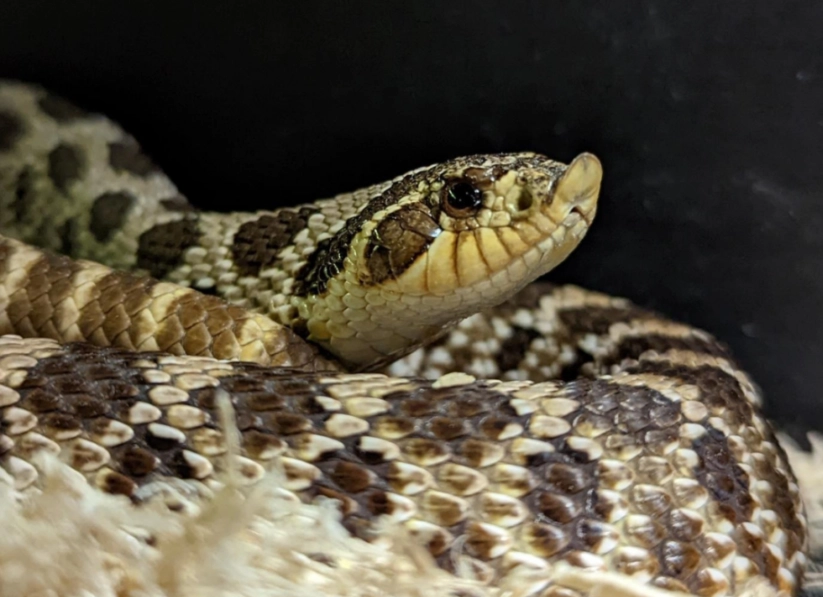
So, who should get one?
- The patient person. These snakes can be picky eaters, especially as babies. Going off food for weeks is common and nerve-wracking.
- The observer. If you just want a big snake to drape over your shoulders, get a corn snake. Hognoses are burrowers. You'll spend more time watching the substrate than the snake sometimes, and their behaviors are subtle but fascinating.
- Someone okay with "mild venom." It's a big point of confusion. They are technically rear-fanged and mildly venomous. The venom is harmless to 99.9% of people—like a bee sting at absolute worst, usually just localized itching and swelling. But you need to know it exists. The Partners in Amphibian and Reptile Conservation (PARC) has good, calm info on colubrid venoms that puts it in perspective.
Biggest Mistake I See: People buy a baby hognose snake on impulse because it's cute, then panic when it refuses frozen/thawed mice for a month. You need a plan B (like scenting with frog juice, more on that later) and a lot of patience.
If you have very small children or are severely immunocompromised, the mild venom might be a consideration. For everyone else, it's a non-issue, but you have to be honest about your comfort level.
Setting Up Your Hognose Snake's Home: The 80/20 Rule
Getting the enclosure right solves most future problems. A stressed snake is a sick snake or a non-eating snake. For a single adult Western hognose snake, a 20-gallon long tank (30" x 12" x 12") is the minimum I'd recommend. Bigger is always better. They use the floor space, not height.
The Non-Negotiables: Heat, Light, and Humidity
This is where people mess up. Hognose snakes need a temperature gradient. One warm side, one cool side, so they can thermoregulate.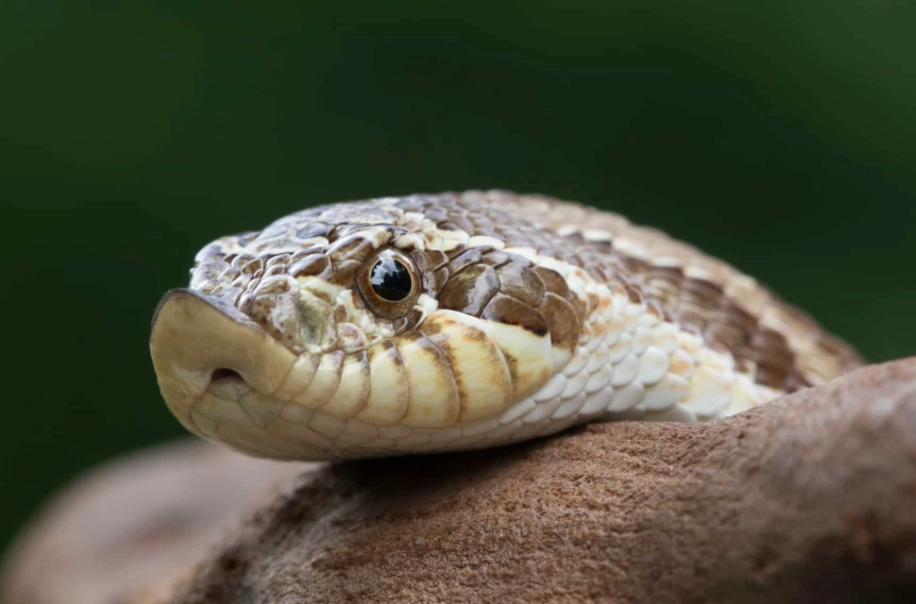
| Zone | Temperature | How to Achieve It |
|---|---|---|
| Warm Side/Basking Spot | 88-92°F (31-33°C) | Under-tank heat mat or heat tape on a thermostat. Always on a thermostat! Overhead ceramic heat emitters or deep heat projectors work too. |
| Cool Side | 75-80°F (24-27°C) | Should naturally be this temp if the warm side is correct. |
| Nighttime Drop | 70-75°F (21-24°C) | It's okay for temps to dip a bit at night. Turn off basking lights. |
| Humidity | 30-50% | Most room humidity is fine. Provide a humid hide (moss box) for shedding. |
See that thermostat mention? It's not a suggestion. An unregulated heat mat can and will burn your snake. It's the most important piece of equipment you'll buy.
Lighting is simpler. They don't need special UVB like some reptiles, but having a regular day/night cycle with room light or a low-output LED light on a timer is great for their rhythm. A hiding hognose snake still knows if it's day or night.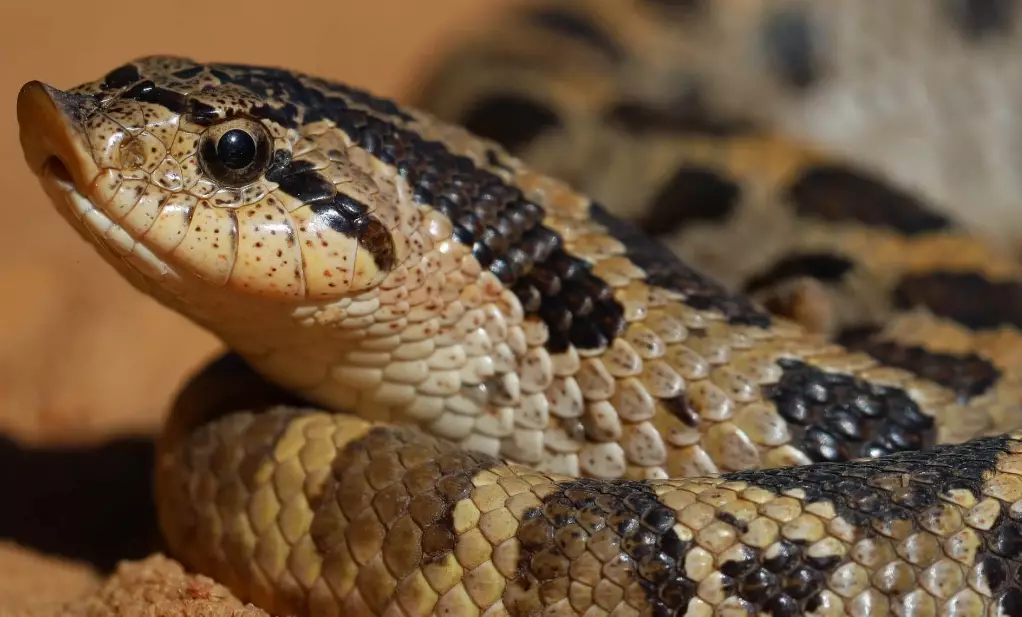
Substrate and Decor: Let Them Be a Hognose
This is the fun part. You want to encourage their natural digging behavior. Aspen shavings are the community favorite. It holds tunnel structures well, is cheap, and is safe if ingested a little during feeding. I've tried coconut fiber and cypress mulch, but aspen just works best for them to bulldoze around.
Must-have decor:
- Two hides. One on the warm end, one on the cool end. They should be snug, not cavernous. A scared snake wants to touch all sides of its hide.
- A water bowl. Heavy enough not to tip. Change the water every couple days.
- Stuff to clutter the tank. Fake plants, cork bark flats, half-logs. Empty space is scary space. A cluttered tank is a confident snake.
- A humid hide. Just a small container (like a deli cup) with a hole cut in it, filled with damp sphagnum moss. Pop it in when you see their eyes go blue (pre-shed).
My first hognose, a little normal morph Western named Nugget, spent his first week buried completely out of sight. I was convinced he'd escaped. I tore the room apart. He was just three inches under the aspen, perfectly happy. Don't panic if they disappear. That's what they do.
The Hognose Snake Diet: Moving Beyond Just Mice
Here's the big one. The number one question I get: "My hognose won't eat! What do I do?" In the wild, their diet is heavily skewed towards amphibians, especially toads. That mild venom? It's for toads. Switching them to a captive diet of frozen/thawed mice is usually successful, but not always seamless.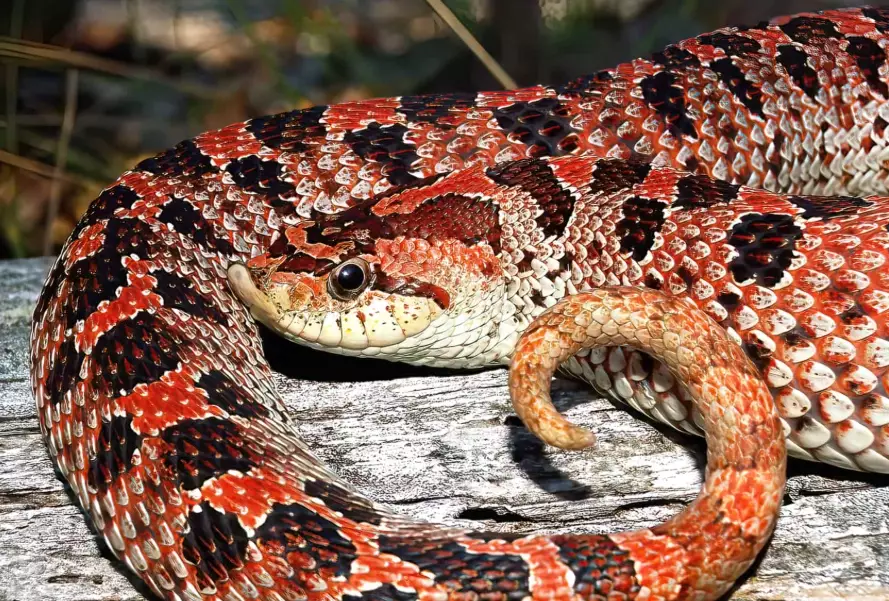
Baby hognose snakes are the most notorious for hunger strikes. Here’s a troubleshooting ladder I go through, from easiest to most drastic:
- Double-check your temps. A cold snake won't eat. This is the cause 50% of the time.
- Leave it alone. Offer a appropriately sized pinkie mouse (no bigger than the snake's widest part) in the evening, in a small, enclosed deli cup, and walk away for an hour. No peeking.
- Scent the mouse. Rub the mouse with a dead frog or toad (sold frozen as "frog juice" or "toad juice" by reptile suppliers). You can also use a bit of canned tuna water. The smell triggers their feeding response.
- Try braining. Yeah, it's gross. Poking a small hole in the pinkie's head to expose brain matter can release smells that entice them.
- Try a different color mouse. Some keepers swear their hognose prefers white mice over black ones or vice versa. It sounds silly, but it works sometimes.
Frequency? Babies every 5-7 days. Juveniles every 7 days. Adults every 10-14 days. They have slow metabolisms. Overfeeding leads to a fat, unhealthy snake. A slightly chunky triangle body shape is okay; a sausage with legs is not.
Handling and Temperament: From Bluff to Butter
Their defensive displays are legendary. When threatened, a hognose snake, especially an Eastern, will go through a whole routine:
1. Hooding. They flatten their neck like a tiny cobra. Looks scary, is all show. 2. Hissing and false strikes. They'll lunge with a closed mouth, hitting you with their nose. It's a bluff. 3. Playing dead. The grand finale. They writhe, flip, go limp, tongue out.
It's designed to scare off predators. To you, it should be a sign to back off and give them space. Never handle a snake when it's in this defensive mode. Wait for a calm day.
For regular handling, once your snake is settled and eating regularly, start slow. 5-10 minutes every couple of days. Support their body fully. Move calmly. Most Western hognoses mellow out beautifully with consistent, gentle handling. They become curious and tongue-flick everything. My current one loves to explore my desk, poking his funny nose into keyboard crevices.
But remember: they are not cuddly pets. They tolerate handling. Some learn to enjoy the exploration. But they don't feel affection. Respect that.
Common Health Issues: What to Watch For
Hognose snakes are pretty hardy if their setup is correct. But here are the big three health problems:
- Respiratory Infections (RI): Symptoms include wheezing, bubbles/mucus at the mouth or nose, and holding the head up high. Usually caused by temps being too cold or humidity too high for too long. Requires a vet visit for antibiotics.
- Mites: Tiny black or red bugs crawling on the snake or in the water bowl. Isolate the snake, clean the entire enclosure aggressively, and use a reptile-safe mite treatment. They come from other infected reptiles or substrate.
- Stuck Shed: If humidity is too low, sheds come off in pieces, often leaving caps on the eyes or tail tip. This can constrict and cause tissue death. A humid hide prevents this. For a bad shed, a warm, damp towel let them slither through can help.
Finding a good exotics vet before you have an emergency is crucial. The Association of Reptilian and Amphibian Veterinarians (ARAV) has a find-a-vet tool. Bookmark it.
Morphs and Genetics: The Rainbow of Hognoses
The Western hognose snake has exploded in the morph market. It's wild how many colors and patterns there are now, from a simple "normal" (brown, tan, and black) to things that look like they're from another planet. It's a rabbit hole. Just remember, a fancy morph doesn't make a better pet. Sometimes, the more expensive the morph, the more inbred and potentially fragile it can be. Buy from reputable breeders who prioritize health.
Some popular morphs: Albino (lacks black pigment, yellow and red), Anaconda (reduced pattern, clean background), Axanthic (lacks yellow/red, black and white), and Super Conda (a single, solid color with almost no pattern, caused by a gene that also sometimes causes a slight skull deformity—see, trade-offs).
The price? A normal might be $150. A rare, high-end morph can be $5,000+. My advice? Start with a healthy normal or common morph from a breeder who answers all your questions. The snake's personality isn't in its color.
Your Hognose Snake Questions, Answered
I'll end with some rapid-fire questions I see all the time.
So, there you have it. The hognose snake is a fantastic, character-filled pet for the right person. They're not the zero-maintenance pet some videos make them out to be, but the work is rewarding. That moment when your shy, burrowing friend finally peeks out to say hello, or confidently explores your arm, makes it all worth it. Just do your homework first, get your tank set up perfectly, and find a good breeder. Your new buddy with the funny nose is waiting.
Reader Comments