Quick Guide
- Setting Up the Pad: Your White's Tree Frog Habitat
- Feeding Your Chubby Buddy: The White's Tree Frog Diet
- Health and Common Issues: What to Watch For
- Behavior, Personality, and Noise
- Common Questions (Stuff You're Actually Searching For)
- The Real Cost (The Part Everyone Forgets)
- Final Thoughts: Is the White's Tree Frog Right for YOU?
Let's talk about White's tree frogs. You've probably seen them – those cute, chubby green frogs with the big eyes and what looks like a permanent smile. They're everywhere online, touted as the "perfect beginner frog." And honestly, they often are. But before you rush out to buy one because it looks like a living emoji, there's stuff you need to know. I've kept these guys for years, and while I adore them, calling any pet "perfect" is a bit of a stretch. They have needs, quirks, and personalities. This isn't just a care sheet; it's a full breakdown from someone who's cleaned the tank, dealt with the occasional hunger strike, and spent nights listening to their... unique calls.
Their scientific name is Litoria caerulea, but most people call them White's tree frogs or Dumpy tree frogs. The "Dumpy" part comes from their rounded, plump body, especially when they're well-fed and content. They're native to Australia and New Guinea, living in a variety of habitats from forests to suburban areas. That adaptability is part of why they do so well in captivity. But it doesn't mean you can throw them in a jar with a lettuce leaf and call it a day.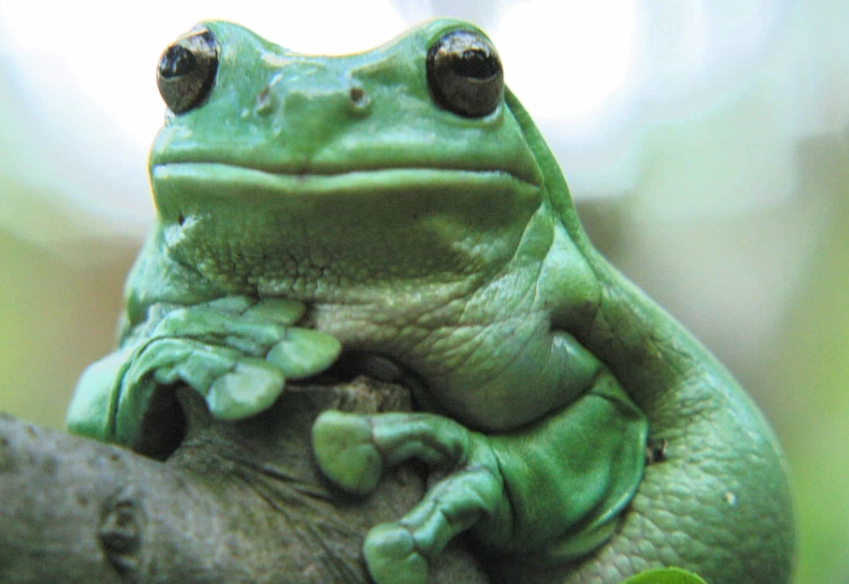
Quick Fact Bomb: They're called White's tree frogs after John White, who first described the species in 1790. And that blue-green color? It can actually change slightly based on temperature, humidity, and even mood, ranging from a bright jade to a darker olive or even a bronze-ish tone.
Setting Up the Pad: Your White's Tree Frog Habitat
This is where most first-timers slip up. The tank isn't just a container; it's their whole world. A common mistake is going too small. These frogs might not run marathons, but they are climbers and need space to move vertically.
Tank Size and Type
For a single White's tree frog, a 20-gallon tall terrarium is the absolute minimum I'd recommend. For a pair, you're looking at 30 gallons or more. Go for height over length. A screen top is crucial for ventilation but make sure it's secure – these frogs are surprisingly strong and can nudge a loose lid open. I learned that the hard way with a frog-on-the-loose incident at 2 AM. Not fun.
Glass is standard and works well. Just ensure it's not in direct sunlight, or you'll cook your frog and grow a lot of algae.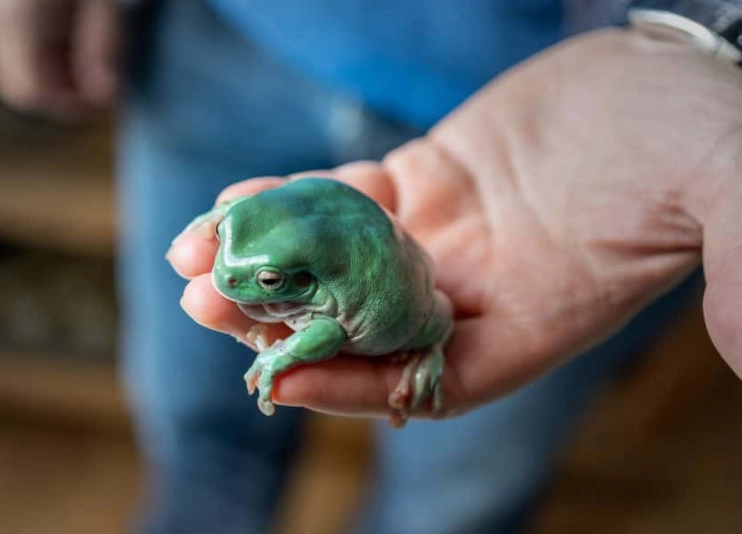
Heating and Lighting: It's Not Just About Being Warm
White's tree frogs need a temperature gradient. One side of the tank should be warmer (around 80-85°F / 27-29°C during the day) and the other side can be cooler (around 72-75°F / 22-24°C). Nighttime temps can drop to about 65-70°F (18-21°C). A low-wattage heat bulb or an under-tank heater on one side works. Never use hot rocks – they can cause serious burns.
Lighting is tricky. They don't strictly need UVB if they're fed a proper diet with supplements (more on that later), but many keepers, including myself, provide low-level UVB lighting (like a 5.0 UVB bulb) for a few hours a day. It seems to promote natural behavior and may have health benefits. It certainly won't hurt. Provide a consistent day/night cycle of about 12 hours on, 12 hours off.
Substrate, Humidity, and Decor
Humidity needs to be between 50-70%. Spray the tank with dechlorinated water once or twice daily. A hygrometer is a cheap and essential tool to keep tabs on this. Too dry, and they'll have trouble shedding. Too wet with poor ventilation, and you're inviting bacterial or fungal infections.
For substrate, you want something that holds moisture but isn't soggy and is safe if accidentally ingested. My top picks:
- Coconut fiber (eco-earth): My personal go-to. Holds moisture well, looks natural, and is safe.
- Organic potting soil (no fertilizers or perlite): Great for live plants.
- Moist paper towels: The boring but ultra-safe choice for quarantine tanks or very young frogs.
Avoid gravel, small bark chips, or anything they could swallow and get impacted on.
Now for the fun part: decorating. White's tree frogs are not avid jumpers from branch to branch like some tree frogs; they're more like deliberate climbers who like to sit and observe. Provide sturdy branches, cork bark tubes, and broad-leafed plants (real or silk). They love to hide and feel secure. A large, shallow water dish for soaking is non-negotiable. Change this water daily – they often poop in it (charming, I know).
Feeding Your Chubby Buddy: The White's Tree Frog Diet
This is where the smiling facade can crack for a new owner. They eat insects. Live insects. If you're squeamish about handling crickets or roaches, this pet might not be for you.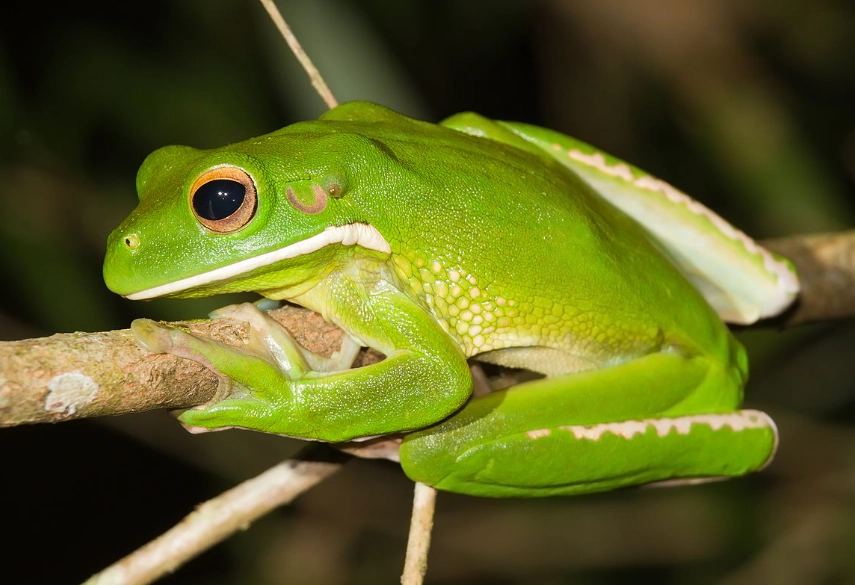
Staple Foods
Variety is key to good nutrition. Here's a good rotation:
- Crickets: The classic staple. Size should be no wider than the space between the frog's eyes.
- Dubia roaches: My absolute favorite feeder. More meat, less chitin (shell), less smell, less noise. They're superior nutritionally and easier to keep. Check your local laws, as they are restricted in some places like Florida.
- Black soldier fly larvae (calci-worms, phoenix worms): Excellent calcium content, great for variety.
Treat Foods (Feed Occasionally)
- Waxworms (very fatty, use like candy)
- Hornworms (great for hydration, but can grow huge fast)
- Silkworms (excellent nutrition, but pricey)
Never feed wild-caught insects. They can carry pesticides or parasites.
The Critical Part: Gut Loading and Dusting
You are what you eat, and so is your frog. Feeding your insects nutrient-rich foods (like commercial gut load, veggies, and grains) for 24-48 hours before offering them to your frog is called "gut loading." This passes the nutrients on.
Then, you need to "dust" the insects with vitamin and mineral powders right before feeding. This is non-negotiable for captive frogs. Here's a simple schedule: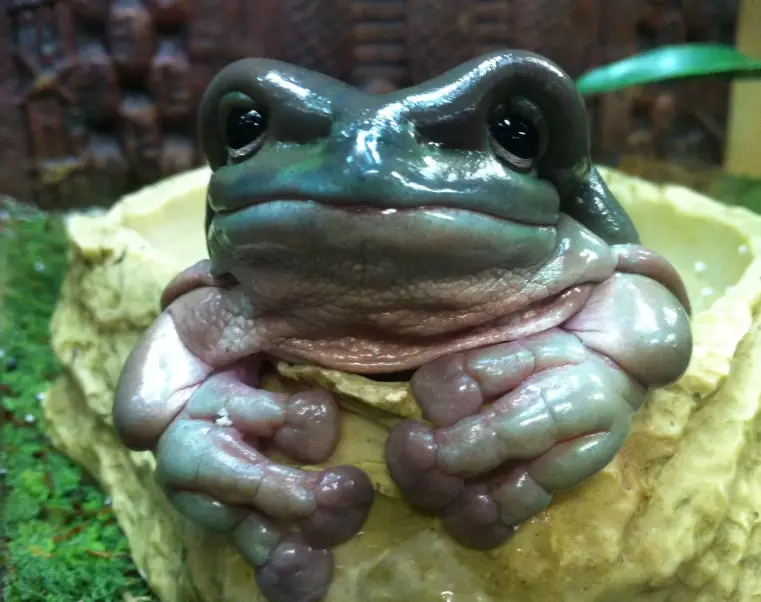
| Supplement Type | Key Nutrient | How Often to Dust | Notes |
|---|---|---|---|
| Calcium with Vitamin D3 | Calcium, D3 (aids calcium absorption) | 2-3 feedings per week | Essential for preventing Metabolic Bone Disease (MBD), a common and fatal condition. |
| Multivitamin | Various vitamins (A, E, B-complex, etc.) | 1 feeding per week | Use a reptile/amphibian-specific brand. |
| Calcium WITHOUT D3 | Pure calcium | Can be used for other feedings if using UVB light | Helps if you're worried about over-supplementing D3. |
How much to feed? An adult White's tree frog typically eats 3-6 appropriately sized insects every 2-3 days. Juveniles need daily feeding. Watch their body condition – you want them plump but not obese. A visible ridge of fat over the eyes is normal and healthy; it's where they store energy.
Watch Out: Overfeeding is a real problem. An obese frog is an unhealthy frog with extra strain on its organs. If your frog starts looking more like a green tennis ball than a frog, cut back on food frequency or switch to lower-fat feeders.
Health and Common Issues: What to Watch For
White's tree frogs are hardy, but they're not invincible. Knowing the signs of trouble can save your frog's life.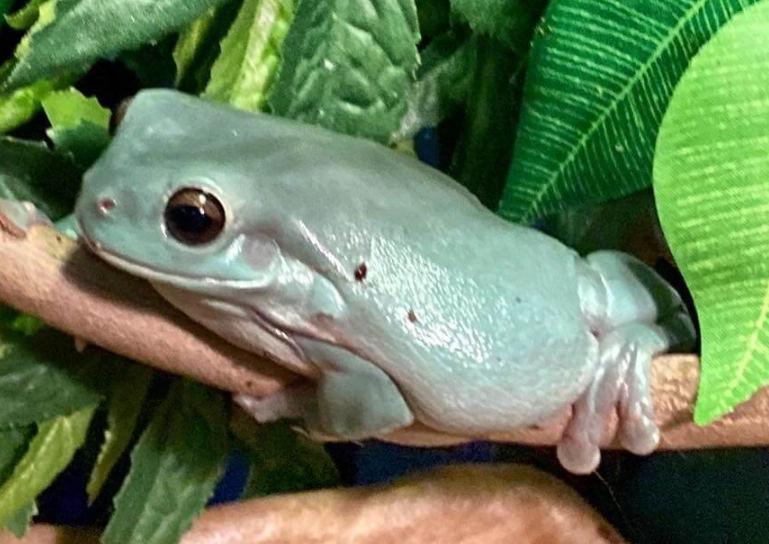
Red Flags (Time for a Vet!)
- Lethargy lasting more than a day or two: Frogs sleep a lot, but constant hiding and lack of interest in food is bad.
- Weight loss: A suddenly skinny frog is a major concern.
- Difficulty shedding (dysecdysis): Stuck shed, especially around the toes, can cut off circulation and lead to toe loss. This is almost always due to low humidity.
- Red legs or bloating: Symptoms of potentially fatal bacterial infections like Red-Leg Syndrome or edema.
- Abnormal posture (e.g., "star-gazing"), tremors, or soft jaw: Classic signs of Metabolic Bone Disease (MBD) from lack of calcium/D3.
The single most important thing you can do for your frog's health is find a veterinarian who specializes in exotic pets or herpetology before you have an emergency. Regular check-ups aren't usually needed, but having a vet lined up is crucial. The Association of Reptilian and Amphibian Veterinarians (ARAV) has a find-a-vet tool on their website.
Handling: Should You Even Do It?
Here's my unpopular opinion: you shouldn't handle your White's tree frog much at all. They are display pets, not cuddle buddies. Their skin is semi-permeable and absorbs oils, salts, and chemicals from your hands. This can make them sick.
If you must handle them (for tank cleaning, health checks), wash your hands thoroughly with warm water only – no soap. Soap residues are toxic. Handle them over a soft surface in case they jump. Keep sessions short, under 5 minutes.
They tolerate it better than many frogs, but tolerance isn't enjoyment.
Behavior, Personality, and Noise
This is the best part of keeping White's tree frogs. They have personalities. Some are bold and will come to the front of the tank when you approach. Others are shy. They learn feeding routines. They'll often pick a favorite spot and return to it nightly.
And then there's the noise. Males call, primarily at night, especially after a rain simulation (misting). The call is not a "ribbit." It's a deep, repetitive, almost mechanical-sounding "crawwwwk-craawk-craawk" or a shorter barking sound. It's endearing at first. At 3 AM, when you have to work the next day, it can be less so. If noise is a concern in your bedroom, maybe don't keep the tank there.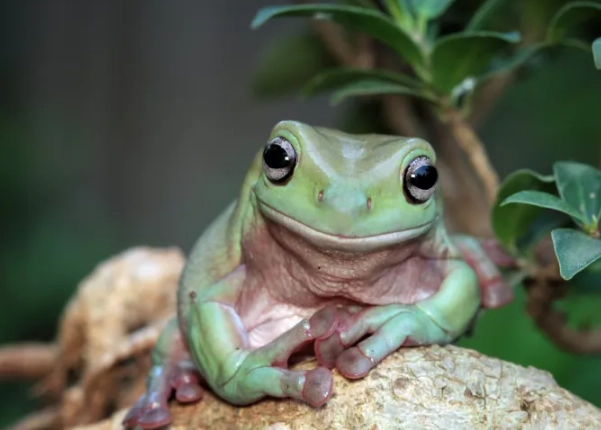
Common Questions (Stuff You're Actually Searching For)
Can I keep more than one White's tree frog together?
Yes, they can be kept in small groups, provided the tank is large enough. A 30-gallon tall for two is good. Avoid housing males of similar size together, as they may compete and call excessively. A male-female pair or a group of females usually works well. Just be prepared for more poop and ensure everyone is eating.
How long do White's tree frogs live?
With proper care, they can live a surprisingly long time – 15 to 20 years is not uncommon. Getting one is a long-term commitment, not a short-term novelty.
Why is my White's tree frog always brown or dark green?
Color change is normal. They often darken to absorb more heat or when resting. A bright green color is often seen when they are active and warm. If the dark color is accompanied by other symptoms (lethargy, not eating), then worry. Otherwise, it's just their mood ring skin.
My frog isn't eating. What's wrong?
First, don't panic. Adults can go a week or more without food without issue. Check the basics: Is the temperature too cold? Are the insects the right size? Are you moving too much and stressing it during feeding? Sometimes they just go off food for a bit. If a hunger strike lasts more than 10-14 days, or if the frog is losing weight, consult a vet.
Where should I buy a White's tree frog?
Avoid big chain pet stores if possible. Their animals often come from mass breeders and can have health issues. Seek out a reputable breeder (check forums or reptile expos) or a specialty reptile shop. A captive-bred frog is always healthier and hardier than a wild-caught one. Look for a frog with clear eyes, clean skin, and a plump body that is alert and active. The folks at MorphMarket often have listings from breeders, but do your research on the seller.
The Real Cost (The Part Everyone Forgets)
The frog itself is cheap, maybe $40-$80. The startup cost is everything else. Here's a rough, honest breakdown:
- Tank (20-30 gal tall): $100-$200
- Screen lid & clips: $30-$50
- Heating (lamp, fixture, thermostat): $60-$100
- Lighting (UVB fixture/bulb): $40-$80
- Substrate, decor, plants, water dish: $80-$150
- Hygrometer & thermometer: $20-$30
- Spray bottle: $5
Initial Setup Total: ~$335 - $610+
Then there are the ongoing costs:
- Live insects: $10-$20 per month
- Supplements: $15 per year
- Electricity: A small bump
- Unexpected vet bill: $100-$300+
See? Not exactly a $50 pet. Be ready for the investment.
Final Thoughts: Is the White's Tree Frog Right for YOU?
If you want a pet you can interact with daily, get a cat or a dog. If you want a fascinating, low-maintenance (once set up), long-lived living piece of art that teaches you about ecology and patience, then a White's tree frog might be a fantastic choice.
They're perfect for people who enjoy observing more than handling, who don't mind the routine of feeding insects and misting a tank, and who have the space for a decent-sized terrarium. They're terrible for people who want instant gratification, are grossed out by bugs, or aren't home often to maintain their environment.
Do your research.
Look at more than just this guide. Check out resources from places like the AmphibiaWeb species account for scientific background, or dedicated herpetology forums where experienced keepers hang out. The care for a White's tree frog isn't rocket science, but it does require consistent, informed effort. Get the setup right from the start, and you'll have a happy, healthy, smiling frog for a very long time.
And maybe, like me, you'll find their quiet, grumpy-faced presence in the corner of the room to be a weirdly calming part of your life.
Reader Comments