Guide Overview
So you've got this amazing little leopard gecko, and now you're staring at the pet store insect section, completely overwhelmed. I've been there. Crickets, mealworms, waxworms – what's the right mix? How much? How often? Getting the leopard gecko diet wrong is one of the fastest ways to run into health problems, but getting it right is simpler than you might think. It's not just about throwing insects in the tank; it's about nutrition, balance, and understanding what your scaly friend really needs to thrive for 15-20 years.
This guide isn't a dry list of rules. It's what I've learned from years of keeping these guys, talking to breeders, and digging into resources from places like the American Veterinary Medical Association (AVMA) for general pet wellness and reptile-specific care guidelines. We'll break it all down, from the staple foods to the tricky supplements, and tackle those frustrating moments when your gecko just looks at its food and walks away.
The Core of a Healthy Leopard Gecko Diet: Feeder Insects
Let's start with the basics. Leopard geckos are insectivores. That means no fruit, no veggies – just bugs. But not all bugs are created equal. Think of their diet like a pyramid. You need a solid base of staple feeders, a middle layer of occasional treats, and you should avoid the stuff at the very top altogether.
Staple Feeders (The Everyday Food)
These are the insects that should make up about 70-80% of your leopard gecko's meals. They're nutritious, easy to digest, and geckos usually love them.
- Dubia Roaches: Honestly, these are the gold standard if they're legal where you live (some places, like Florida, have restrictions). They're meaty, have a great protein-to-fat ratio, don't jump or climb smooth surfaces, and are less likely to carry parasites than some wild-caught feeders. My geckos go crazy for them.
- Crickets (Black Soldier Fly Larvae): A classic for a reason. They're active, which stimulates your gecko's hunting instinct. The key is to get them from a reputable source and gut-load them well (we'll talk about that next). Their downside? They smell, they can be noisy, and if one escapes, you'll hear it chirping at 2 AM.
- Mealworms: High in fat and chitin (the hard shell). Can be constipating if overfed. Best as an occasional item or mixed into a varied diet. 1-2 times per week.
- Waxworms: Extremely high in fat. Like gecko candy. Highly addictive and can cause obesity and refusal of other foods. As a rare treat only (e.g., once a month), or for underweight geckos.
- Butterworms/Superworms: High in fat. Superworms have a strong bite and should only be fed to large adults, with the head crushed first to prevent injury. Occasional treat (once every 2 weeks).
- Wild-caught Insects: Generally not recommended. Risk of pesticides, parasites, and diseases. If you must, ensure it's from an area you know is chemical-free. Avoid.
The Non-Negotiables: Gut Loading and Supplementation
This is where a good leopard gecko diet becomes a great one. You are not just feeding the insect; you are feeding your gecko what the insect recently ate. This is called gut loading.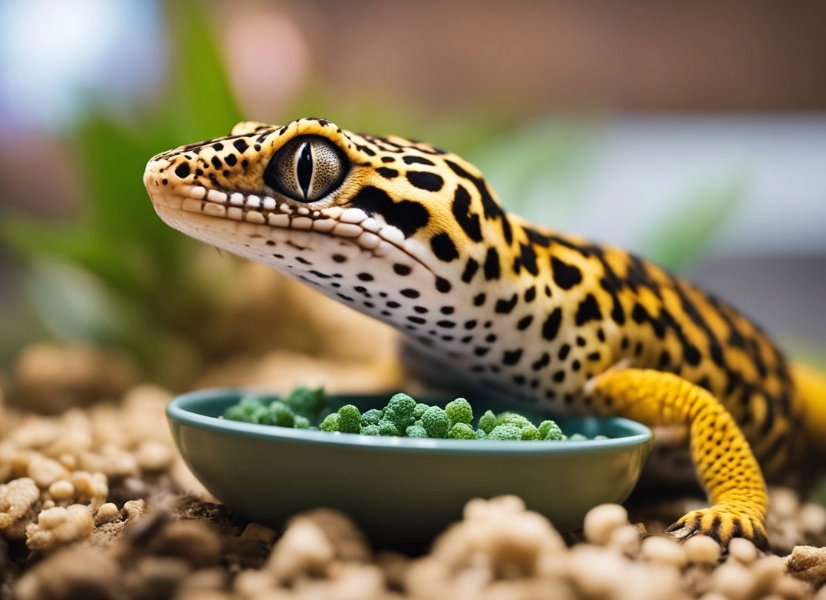
Gut Loading 101
24-48 hours before you plan to feed insects to your gecko, you need to feed the insects themselves a highly nutritious diet. Don't just throw in a potato slice. Think leafy greens (collard greens, mustard greens, dandelion greens), carrots, sweet potato, and commercial gut-load products. The USDA's food composition database can give you an idea of the nutrient content in these veggies. This process pumps the feeder insect full of vitamins and minerals that are then passed on to your pet.
The Supplement Trifecta: Calcium, Calcium with D3, and Multivitamins
Leopard geckos are prone to Metabolic Bone Disease (MBD), a horrific and preventable condition that softens their bones. Proper supplementation is your shield against it.
- Calcium (without D3): This should be available at all times in a shallow dish in the enclosure. Your gecko will lick it as needed to regulate its calcium levels.
- Calcium (with D3): D3 is necessary for calcium absorption. Since leopard geckos are crepuscular (active at dawn/dusk) and don't bask under strong UVB like some reptiles, they may not synthesize enough D3 on their own. This is dusted on insects.
- Multivitamin: Provides other essential vitamins like A, E, and B-complex.
Here’s a simple dusting schedule that has worked for me and many keepers:
- For growing juveniles (under 1 year): Dust with Calcium with D3 at almost every feeding. Dust with Multivitamin 2 times a week.
- For healthy adults (over 1 year): Dust with Calcium with D3 2-3 times a week. Dust with Multivitamin 1 time a week.
Always dust lightly – you want a light powder coating, not a frosted donut. Roll the insects in a bag or container with a pinch of powder just before feeding.
How Much and How Often? The Feeding Schedule
There's no one-size-fits-all answer. It depends on age, size, and individual metabolism.
Baby and Juvenile Leopard Geckos (0-10 months)
These guys are growing machines. They need a lot of fuel.
Frequency: Every day, or sometimes even twice a day for very small babies.
Amount: As many appropriately-sized insects as they will eat in a 10-15 minute period. This could be 5-10 small crickets or dubias. Don't leave uneaten live prey in the tank, especially crickets, as they can nibble on your sleeping gecko.
Adult Leopard Geckos (10+ months)
Growth has slowed, and their metabolism is lower. Overfeeding is a real risk.
Frequency: Every other day, or 2-3 times a week. Some keepers with very sedentary adults feed once a week, but I find every other day keeps mine more active and engaged.
Amount: 6-10 appropriately-sized insects per feeding session. A good way to gauge is to look at the base of the tail. The tail is their fat storage. You want it plump, but not wider than the gecko's head. If the tail is getting skinny, feed more. If it's becoming bulbous, feed less.
What about a "fasting" day? It's not a bad idea. In the wild, they don't eat every single day. Skipping a scheduled meal once in a while is perfectly fine and can mimic a more natural rhythm.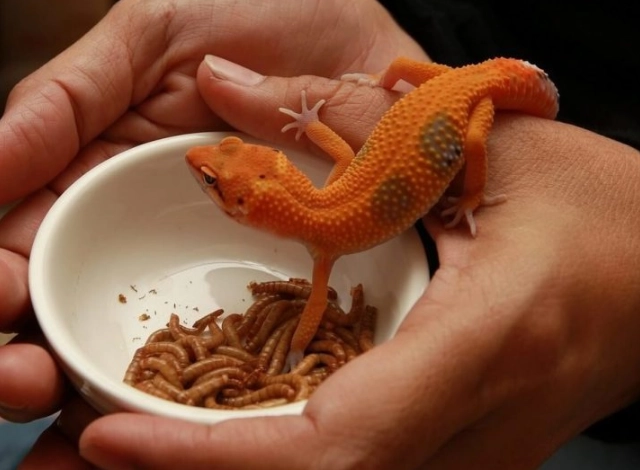
Solving Common Leopard Gecko Diet Problems
Even with the best plan, things can go off track. Here are the big issues you might face.
My Leopard Gecko is Not Eating
This is the number one panic moment for owners. First, don't panic immediately. Ask these questions:
- Is it a new gecko? Relocation stress can cause a hunger strike for 1-2 weeks. Offer food, but don't hover.
- Is it the right temperature? The belly heat from an under-tank heater on a thermostat is crucial for digestion. If the warm hide isn't around 88-92°F (31-33°C), they can't digest food and will refuse to eat. Check your temps with a digital thermometer.
- Is it about to shed? Many geckos lose their appetite in the days leading up to a shed. Their skin gets cloudy and their vision is poor.
- Have you tried a different feeder? Maybe your gecko is just bored of mealworms. Try dubia roaches or black soldier fly larvae.
- Is it breeding season? Adult males, and sometimes females, may eat less during breeding seasons.
Impaction (Bowel Obstruction)
This is a serious, life-threatening condition where the gut gets blocked. Causes include:
- Feeding insects that are too large.
- Feeding on loose, particulate substrate (like sand, calcium sand, or small bark). I strongly recommend against loose substrates for this reason. Paper towel, slate tile, or non-adhesive shelf liner are safer choices.
- Low enclosure temperatures, slowing digestion to a halt.
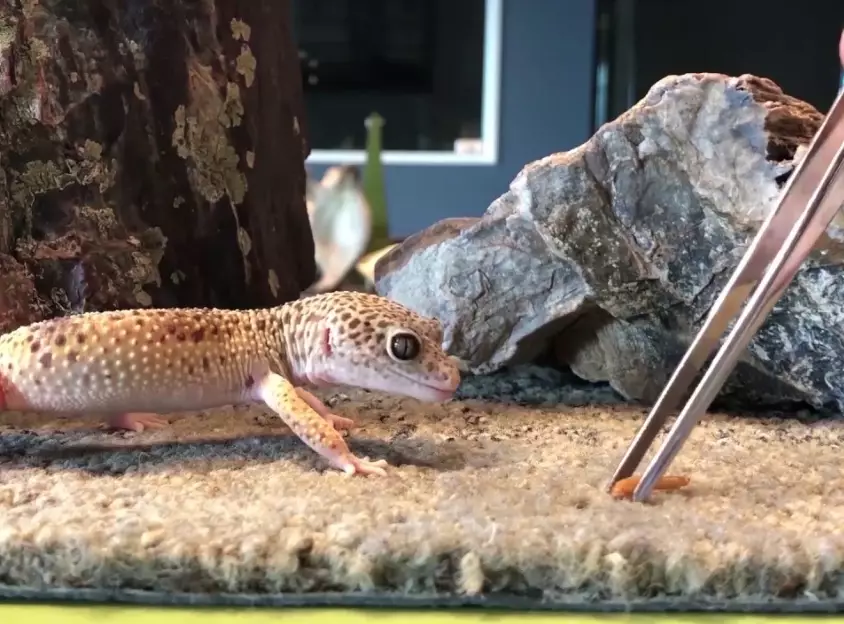
Symptoms: No feces, a swollen/bloated lower abdomen, loss of appetite, lethargy. A warm soak (shallow, lukewarm water up to the belly for 10-15 minutes) can sometimes help mild cases, but a vet is often needed.
Obesity
An overweight gecko isn't a cute one. It's a health risk. Fat deposits can form around organs, shortening their lifespan.
Causes: Overfeeding, especially with fatty insects like waxworms and superworms. Feeding too frequently for an adult's lifestyle.
Solution: Gradually reduce feeding frequency and quantity. Switch to leaner staple feeders. Encourage movement by placing food in different spots.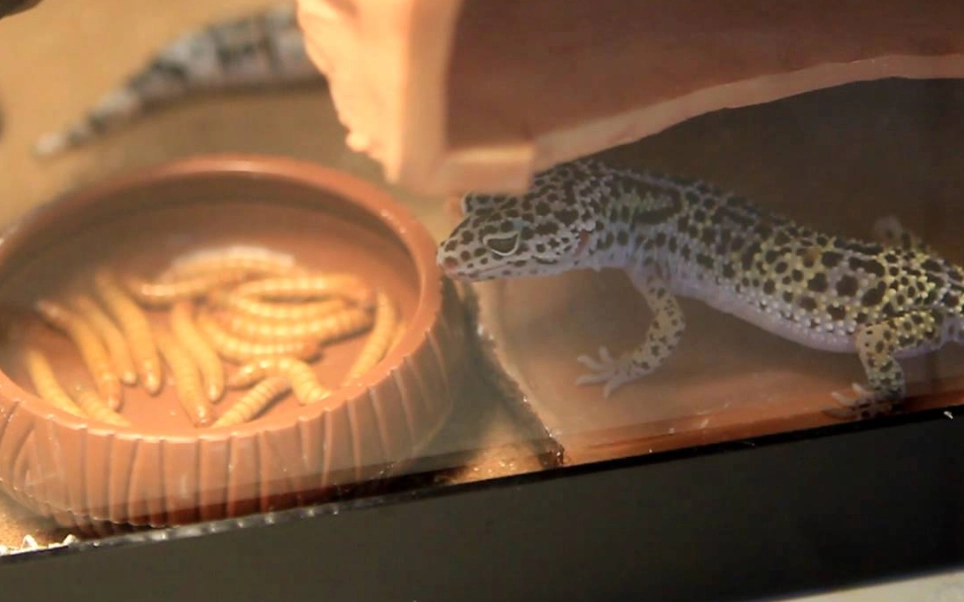
Putting It All Together: A Sample Weekly Meal Plan
Let's visualize a week for a healthy adult leopard gecko. This assumes a feeding schedule of every other day.
- Monday: Feeding day. 8 gut-loaded dubia roaches, lightly dusted with Calcium with D3.
- Tuesday: No feeding. Fresh water and calcium (without D3) dish available.
- Wednesday: Feeding day. 8 gut-loaded crickets, lightly dusted with Multivitamin.
- Thursday: No feeding.
- Friday: Feeding day. A mix of 4 dubias and 4 black soldier fly larvae, lightly dusted with Calcium with D3.
- Saturday: No feeding.
- Sunday: Feeding day. 6-8 mealworms (as a lower-fat staple option this time), lightly dusted with Calcium with D3.
See the variety? It keeps things interesting and nutritionally balanced.
Quick-Fire Answers to Common Diet Questions
Let's blast through some of the specific things people search for.
Getting your leopard gecko's diet right is the single most impactful thing you can do for its long-term health. It seems complicated at first—gut loading, dusting, schedules—but it quickly becomes second nature. You'll learn your gecko's preferences, its appetite rhythms, and what a healthy, active pet looks like.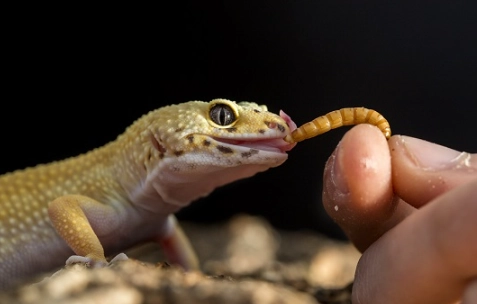
Start with a good staple insect, master the dusting schedule, and always, always pay attention to temperature. Do those things, and you'll have laid the foundation for a fantastic leopard gecko diet that will keep your little spotted friend thriving for decades. It's worth every bit of effort.
Reader Comments