What You'll Learn
Leopard geckos can live a long time in captivity—think 15 to 20 years on average, with some hitting 25 years or more. I've kept these reptiles for over a decade, and my oldest, Spike, made it to 22. But I've also seen geckos die young due to avoidable errors. Let's cut to the chase: if you want your leopard gecko to thrive for decades, you need to get the basics right from day one.
This isn't just about feeding them crickets. It's about creating an environment that mimics their natural needs while avoiding common pitfalls. Many online guides repeat the same generic advice, but I'll share some nuances that most beginners miss. For instance, did you know that the type of substrate you use can add or subtract years from their life? We'll dive into that.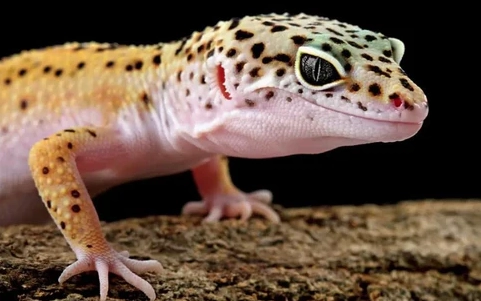
Factors That Affect Leopard Gecko Lifespan
Longevity isn't random. It's shaped by several key factors, and if you optimize these, your gecko has a shot at becoming a senior citizen. Here’s what really matters.
Housing and Habitat Setup
The tank is your gecko's world. Get it wrong, and stress will chip away at their health. A 20-gallon tank is the bare minimum for one adult, but I prefer 30 gallons to allow more roaming. Temperature gradients are critical: a basking spot of 88-92°F and a cool side around 75°F. Use under-tank heaters instead of heat lamps to avoid burns—a mistake I made early on that led to a vet visit.
Humidity should stay at 30-40%. Too dry, and shedding issues arise; too humid, and respiratory infections creep in. I use a digital hygrometer because analog ones are often inaccurate. Hiding spots are non-negotiable: provide at least two hides (one warm, one cool) plus a moist hide for shedding. Skip the fancy decor, and focus on functionality.
Diet and Nutrition
You are what you eat, and for leopard geckos, that means gut-loaded insects. Crickets, mealworms, and dubia roaches are staples, but variety is key. I rotate feeders weekly to prevent nutritional gaps. Dust insects with calcium powder (with D3) at every feeding for juveniles, and 2-3 times a week for adults. Vitamin supplements should be used sparingly—over-supplementation can cause toxicity, something rarely mentioned in pet stores.
Feeding frequency changes with age. Hatchlings eat daily, adults every other day. Obesity is a silent killer; I've seen geckos become lethargic and die early from overfeeding. Monitor their weight by feeling the base of the tail—it should be plump but not bulging.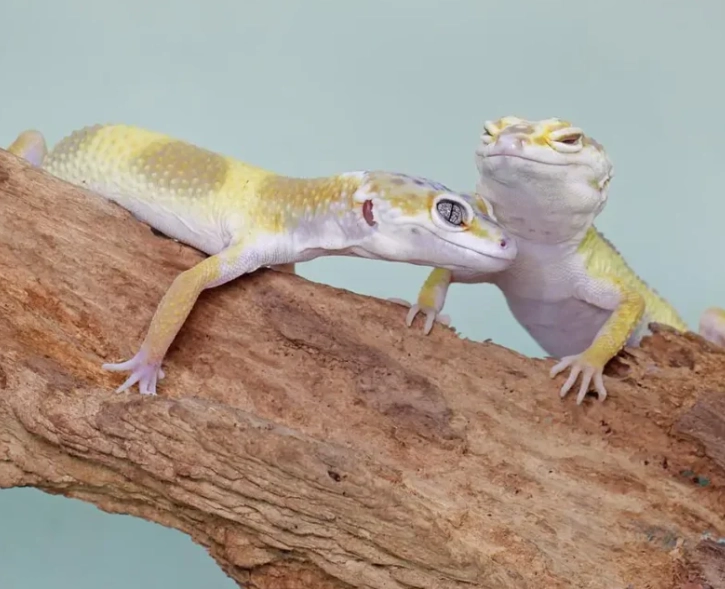
Health and Veterinary Care
Routine vet check-ups are a game-changer. Find a reptile-savvy vet through resources like the Association of Reptilian and Amphibian Veterinarians. Annual exams can catch issues like parasites or early signs of metabolic bone disease. I learned this the hard way when a gecko showed subtle weight loss that turned out to be a treatable infection.
Common health issues include impaction from substrate, respiratory infections from poor ventilation, and shedding problems. Quarantine new geckos for at least 30 days to prevent disease spread—a step many skip, risking their entire collection.
Pro Tip: Keep a health journal. Note feeding habits, shedding cycles, and weight. It sounds tedious, but when my vet asked for trends during an emergency, this log saved my gecko's life.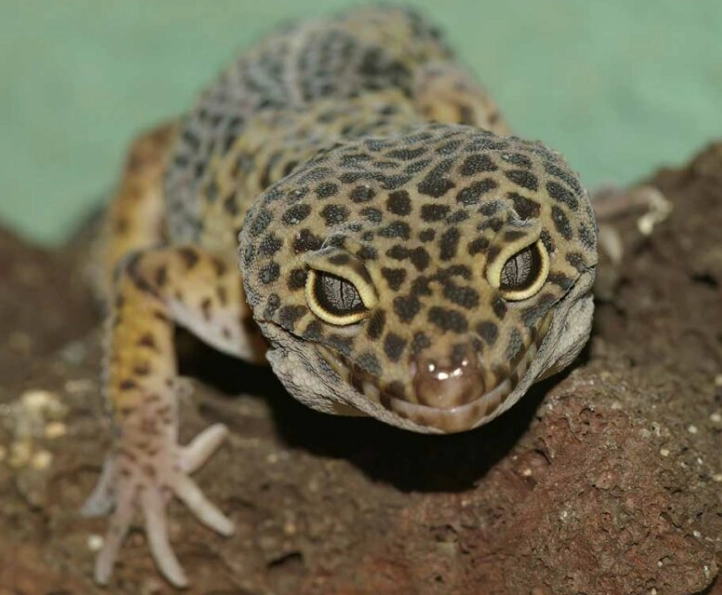
Common Mistakes That Shorten Leopard Gecko Lifespan
Why do some geckos die young? Often, it's due to repeated errors that accumulate over time. Let's break down the big ones.
Using loose substrate: Sand, walnut shells, or even some commercial mixes can cause impaction if ingested. Juvenile geckos are especially prone. I switched to reptile carpet years ago and haven't had an impaction case since. If you insist on loose substrate, use paper-based products and monitor closely.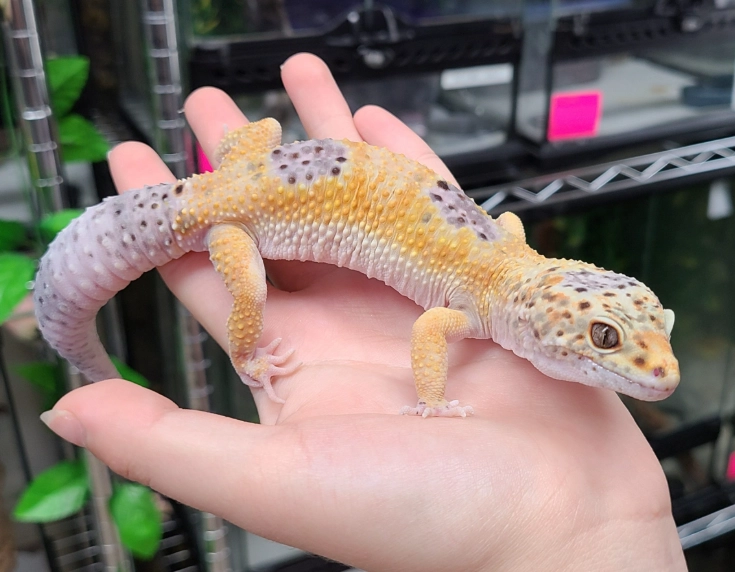
Skipping UVB lighting: Many owners think leopard geckos don't need UVB because they're nocturnal. Wrong. A low-level UVB light (2-5%) for 10-12 hours daily aids calcium metabolism and prevents metabolic bone disease. The Reptile Lighting Facebook group has great insights on this, but the core idea is simple: mimic natural light cycles.
Overhandling: Stress from excessive handling can weaken the immune system. Limit handling to 10-15 minutes a day, and always support their body. I've seen geckos drop their tails from rough handling, which is a huge energy drain.
Ignoring hydration: A shallow water dish isn't enough. Mist the enclosure lightly to aid shedding, and consider offering water via syringe if they're not drinking. Dehydration leads to kidney issues over time.
| Mistake | Impact on Lifespan | How to Fix It |
|---|---|---|
| Poor substrate choice | Can shorten life by 2-5 years due to impaction | Use reptile carpet or paper towels |
| Inadequate heating | Leads to digestive issues, reducing lifespan by 1-3 years | Use under-tank heater with thermostat |
| Lack of vet care | Undiagnosed diseases can cut life short by 5+ years | Schedule annual check-ups |
How to Extend Your Leopard Gecko's Life
Want your gecko to hit 20? It's about consistent, thoughtful care. Here’s a step-by-step approach based on my experience and cases from other keepers.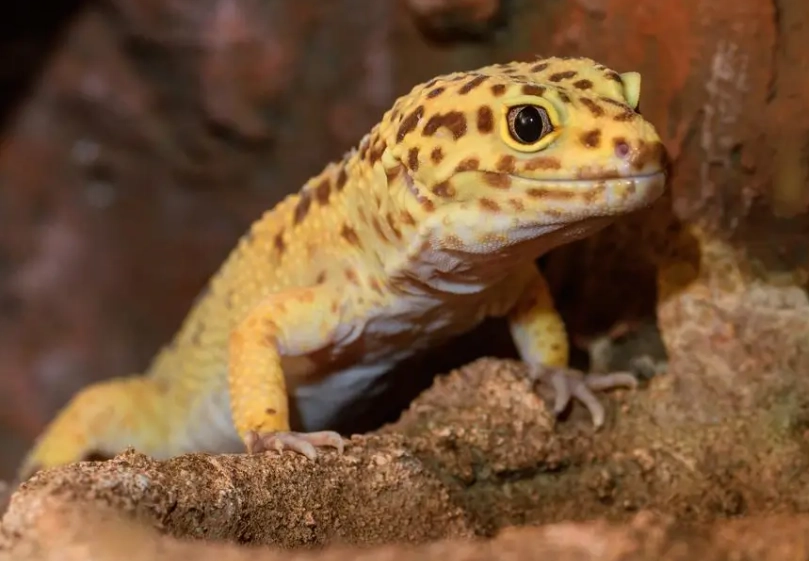
Start with the right genetics: Purchase from reputable breeders who prioritize health over color morphs. Inbred geckos often have shorter lifespans. Ask for health records—if a breeder can't provide them, walk away.
Optimize the environment: Beyond the basics, add enrichment like safe climbing branches. Change the layout occasionally to stimulate mental activity. I noticed my geckos become more active after minor tweaks, which likely reduces stress.
Feed strategically: Gut-load insects with nutritious veggies like carrots and leafy greens for 24 hours before feeding. Avoid wild-caught insects due to pesticide risks. Supplement with calcium without D3 if using UVB lighting to avoid overdose.
Monitor health proactively: Weigh your gecko monthly. Look for signs of illness: lethargy, loss of appetite, abnormal droppings. Early intervention is key. I once caught a respiratory infection just by noticing slight wheezing during handling.
Case Study: A 25-Year-Old Leopard Gecko
I met a keeper whose gecko, Luna, lived to 25. Here’s what stood out: Luna was housed in a 40-gallon tank with a consistent temperature gradient. She was fed a varied diet of dubia roaches and silkworms, dusted with calcium. The owner avoided handling during shedding periods and used a humid hide year-round. Vet visits were biannual after age 10. Simple, but disciplined.
This case shows that longevity isn't about fancy tricks—it's about avoiding complacency. Many owners get lazy after a few years, but consistency pays off.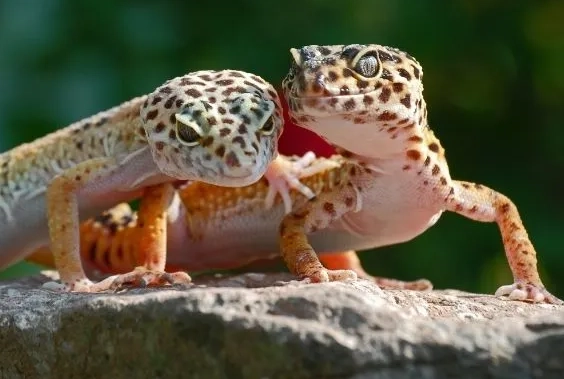
Reader Comments