Quick Guide
So you're thinking about getting a green iguana? Let me be straight with you – that image in your head of a chill, dinosaur-like buddy lounging on your shoulder is probably about 5% of the reality. The other 95% involves a lot of poop, expensive lighting, and an animal that can go from zero to defensive tail-whipping in seconds if you get it wrong. I've seen more people than I can count get swept up by the beauty of a juvenile green iguana at the pet store, only to be completely overwhelmed a year later by a four-foot-long, demanding reptile they have no idea how to handle.
Don't get me wrong, I adore them. They're intelligent, have incredible personalities, and watching a healthy green iguana bask is a thing of beauty. But they are a major commitment, often living 15 to 20 years. That's like adopting a toddler that never grows out of its scaly phase and needs its climate perfectly controlled. This guide isn't here to sell you on one. It's here to lay out the absolute, unfiltered truth about what it takes to keep a green iguana healthy and (relatively) happy. If you're still here after reading about the challenges, then you might just have the dedication this prehistoric-looking pet requires.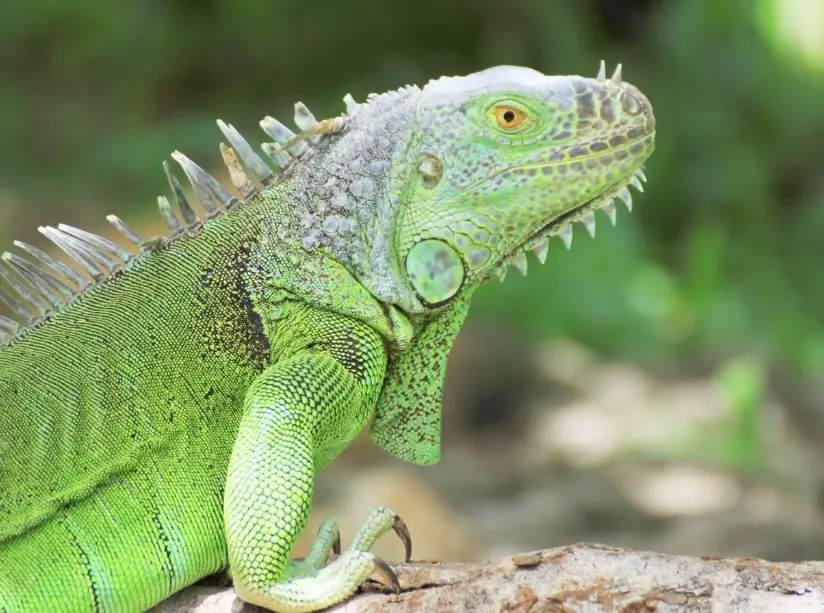
Before You Bring One Home: The Non-Negotiables
This is the part most guides gloss over. They jump right into tank size. But the first step isn't shopping; it's a serious self-check and legal check.
First, legality. In some places, like Florida, green iguanas are considered an invasive species. The Florida Fish and Wildlife Conservation Commission has specific regulations about them. Always, and I mean always, check your state and local laws. The last thing you want is a fine or having to surrender your pet.
Second, the vet. Do you have a qualified reptile veterinarian within a reasonable drive? And I don't mean a dog-and-cat vet who "sees exotics." I mean a dedicated herp vet. They are not cheap, and a sick green iguana will need one. Finding this person before you have an emergency is rule number one.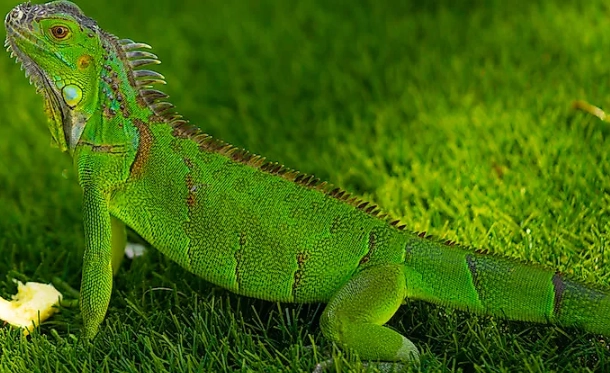
Still with me? Okay, let's talk space.
The Habitat: Think Room, Not Tank
A 40-gallon tank is fine... for about six months. A full-grown green iguana can easily reach 5 to 6 feet in length. The minimum enclosure for an adult is custom-built. We're talking something like 6 feet tall, 4 feet wide, and 3 feet deep. They are arboreal – tree-dwellers. Height is more important than floor space. They need to climb.
Quick Size Reality Check: If you cannot envision dedicating a space the size of a small closet to your pet's home, a green iguana is not for you. Many end up in rescues because people underestimate this single, massive point.
Inside this mansion, you need sturdy branches for climbing (driftwood is great), non-toxic live or artificial plants for hiding, and a basking platform up near the heat source. Avoid cedar or pine substrates; they give off fumes that can harm a reptile's respiratory system. I've had good luck with a mix of reptile-safe mulch and large slate tiles. The tiles help keep their nails filed and are easy to clean.
The Climate Control Trio: Heat, Light, Humidity
This is where the science and expense come in. A green iguana's health is directly tied to its environment.
- Heat: You need a temperature gradient. The basking spot should be a scorching 95-100°F (35-38°C). The cool end of the enclosure should be around 80°F (27°C). Nighttime temps can drop to 75-80°F (24-27°C). Use ceramic heat emitters or deep heat projectors for 24/7 heat without light, and a focused basking lamp for the hot spot. Always use thermostats! Unregulated heat sources are a fire and burn hazard.
- UVB Light: This is non-negotiable and the most common point of failure. Green iguanas require high-output UVB light (10.0 or 12% T5 HO tubes are best) to synthesize vitamin D3 and metabolize calcium. Without it, they develop Metabolic Bone Disease (MBD), a painful, crippling, and often fatal condition. The light must be replaced every 6-12 months, even if it still turns on, as the UV output degrades. The American Veterinary Medical Association stresses the critical role of proper lighting in reptile health.
- Humidity: Aim for 60-70% humidity. This is crucial for shedding and respiratory health. Use a large water bowl for evaporation, mist the enclosure 1-2 times daily with warm water, and consider a reptile fogger or humidifier on a timer for larger setups. A humidity gauge (hygrometer) is essential.
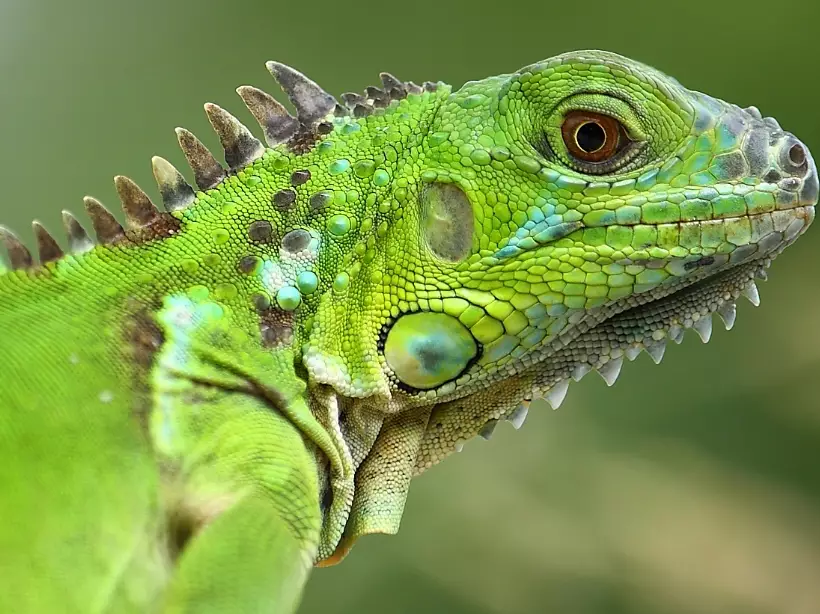
See what I mean? It's a full ecosystem you're building.
The Green Iguana Diet: It's Not Just Lettuce
This is another huge misconception. Green iguanas are strict herbivores. Not insectivores, not omnivores. Feeding them animal protein (like dog food, or insects) will destroy their kidneys over time and shorten their lifespan dramatically.
Their diet should be about 90% dark, leafy greens and 10% other veggies and fruits. I like to think of it as a daily salad bar.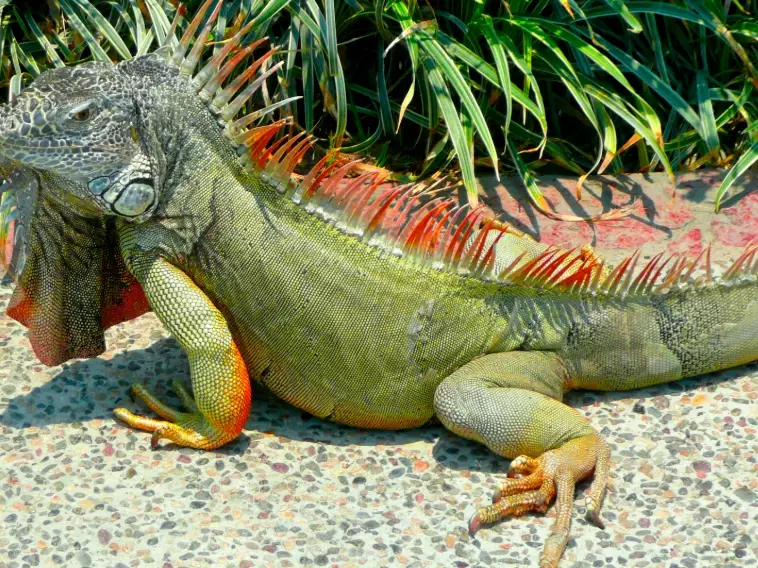
| Food Type | Examples (The Good Stuff) | Frequency | Notes & Warnings |
|---|---|---|---|
| Staple Greens (Daily) | Collard greens, mustard greens, dandelion greens, turnip greens, escarole, endive. | Base of every meal | Romaine and iceberg lettuce are mostly water and have little nutritional value. Avoid as staples. |
| Other Veggies (Rotate) | Green beans, snap peas, squash (butternut, acorn), bell peppers (all colors), grated carrot. | Several times a week | Chop to appropriate size. Variety is key for nutrient intake. |
| Fruits (Treats) | Mango, papaya, berries, figs, melon. | Once or twice a week | High in sugar. Use sparingly as a topping or reward. |
| Calcium Supplement | Plain calcium carbonate powder (no Vitamin D3 if using proper UVB). | Lightly dusted on food 4-5 times a week for juveniles, 2-3 times for adults. | Critical for preventing MBD. Phosphorus-free is best. |
| AVOID Completely | Spinach, kale, broccoli, cabbage, avocado, rhubarb, animal protein, dairy. | Never | Spinach/kale bind calcium. Avocado is toxic. Animal protein harms kidneys. |
I made the spinach mistake early on. I thought "leafy green, must be good." My iguana started showing subtle signs of stiffness. The vet asked about diet, I mentioned spinach, and he just shook his head. We fixed it, but it was a scary lesson learned from a common misconception. Always double-check your food lists.
Juvenile green iguanas need to eat daily. Adults can be fed every other day. Always offer fresh food in the morning and remove uneaten portions at night to prevent spoilage.
Handling and Taming: Patience is Your Only Tool
You can't force a relationship with a green iguana. They are prey animals by nature. That big, impressive body is wired to see you as a potential predator until proven otherwise.
Start slow. For the first week or two, just let it settle in. Don't try to handle it. Just sit by the enclosure, talk softly, move slowly. Let it get used to your presence.
Then, start offering food by hand. A piece of its favorite fruit (like a blueberry) works wonders. The goal is to associate you with good things.
Watch the Body Language: A relaxed green iguana will be still, may close its eyes while basking, and have a generally calm posture. Signs of stress or aggression include puffing up the body, dewlap extension, hissing, tail whipping (that tail is muscular and can draw blood), and opening the mouth in a defensive gape. If you see these, back off. You've pushed too far, too fast.
When you do start handling, support the entire body. Never grab by the tail – it can break off (though it doesn't regrow as perfectly as a gecko's). Start with short, positive sessions. Some green iguanas never become "cuddly," and that's okay. Respect their boundaries. The goal is a tolerant, stress-free pet, not a stuffed animal.
Which brings us to the tough part.
Common Health Issues: What to Watch For
A proactive owner catches problems early. Here are the big ones:
- Metabolic Bone Disease (MBD): The #1 killer of pet green iguanas. Symptoms include soft or swollen jaw, bowed legs, tremors, difficulty climbing, and fractures. Cause: Incorrect diet (low calcium, high phosphorus) and/or lack of proper UVB lighting. Prevention: Get the diet and lighting right from day one.
- Kidney Disease: Often a result of chronic dehydration or a diet high in animal protein. Symptoms include loss of appetite, lethargy, and swelling in the hind legs.
- Respiratory Infections: Bubbly mucus in nose/mouth, wheezing, open-mouth breathing. Cause: Usually incorrect temperatures or humidity. A vet will need to prescribe antibiotics.
- Parasites: Internal parasites (like pinworms) are common, even in captive-bred animals. Symptoms include poor growth, weight loss, and abnormal stools. A fecal exam by your vet (at least annually) is a good idea.
- Egg Binding (in females): Even without a male, female green iguanas will often lay infertile eggs. If she can't pass them, it's a life-threatening emergency. Signs include lethargy, digging, and a swollen abdomen.
Finding a good resource for reptile health is key. The Association of Zoos and Aquariums has fantastic, science-based resources on reptile husbandry that apply directly to advanced pet care like this.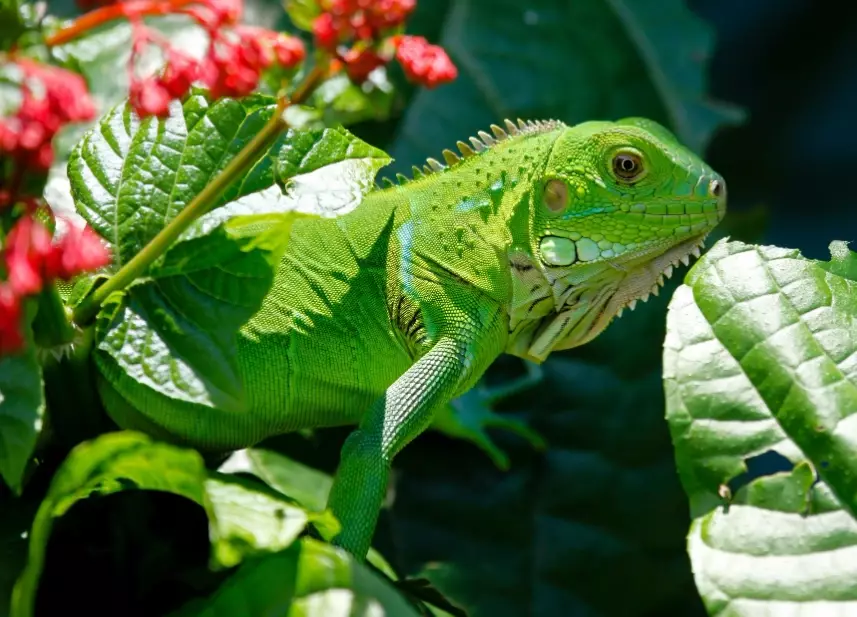
Behavior: Understanding the Dinosaur Mind
Why does my green iguana suddenly hate me? It's a seasonal thing. During breeding season (usually late fall to early spring), males can become extremely territorial and aggressive. Females may become restless as they prepare to lay eggs. It's not personal; it's hormones. You may need to reduce handling during this time.
They also communicate through color changes. A stressed or cold green iguana may turn darker to absorb more heat. A content, warm one will be a brighter green.
Brumation is another thing. In the winter, even with consistent heat and light, your green iguana may eat less, sleep more, and be generally less active. This is normal, as long as weight loss is minimal and it's still drinking.
Your Green Iguana Questions, Answered
I get asked these all the time. Let's tackle them head-on.
With impeccable care, 15 to 20 years is achievable. I've even heard of some pushing 25. The average in captivity is sadly much lower, often due to the husbandry mistakes we've covered. That lifespan is a decades-long promise.
First, rule out pain or illness with a vet. If it's healthy, it's likely one of three things: 1) It's breeding season. 2) It's reached sexual maturity (around 2-3 years old) and its personality has shifted. 3) Your handling techniques need work. Go back to basics with positive reinforcement.
Supervised, yes. Unsupervised, absolutely not. They will eat things they shouldn't (electrical cords, toxic plants), get stuck behind furniture, and find the coldest, draftiest spot in the house to settle into, which can make them sick. They also defecate… a lot. Supervised exploration in a reptile-proofed room is great enrichment, though.
In almost all cases, no. The care is too complex and the potential for injury (from both scratches/bites to the child and mishandling of the delicate iguana) is too high. This is an adult's responsibility. A child can help under close supervision, but the primary caretaker must be a knowledgeable adult.
Avoid big chain pet stores if you can. Look for a reputable breeder who can answer detailed questions about the parents' health and the hatchling's diet. Even better, consider adoption. Reptile rescues are overflowing with adult green iguanas that people could no longer care for. Adopting one gives it a second chance and you often get a pet whose personality is already known.
The Final Word
Look, the green iguana is a magnificent animal. There's a reason people are drawn to them. But they are arguably one of the most challenging reptiles to keep properly in captivity. They need space, specific and expensive equipment, a precise diet, and an owner with the patience of a saint.
If you've read this entire guide and your reaction is, "That's a lot, but I'm willing to learn and invest," then you might be on the right path. Do more research. Talk to breeders, rescuers, and vets. Build the enclosure and get it running perfectly before you bring an animal home.
But if any part of you hesitated at the cost of the UVB fixtures, the size of the cage, or the 20-year commitment, please listen to that hesitation. There are many wonderful, smaller, and more manageable reptile pets out there. Choosing a pet that fits your life is the kindest thing you can do for both of you.
A thriving green iguana is a testament to dedicated, educated care. It's not easy, but for the right person, it can be incredibly rewarding. Just go in with your eyes wide open.
Reader Comments