So, you're wondering if a leopard gecko is a good pet. The short answer is yes, for the right person, they can be fantastic. Often hailed as one of the best "beginner" reptiles, their gentle nature, manageable size, and relatively straightforward care have won over countless keepers. But "beginner" doesn't mean "no maintenance," and "good pet" is a label that depends entirely on your lifestyle and expectations. I've kept these spotted lizards for over a decade, and I've seen the full spectrum—from thriving, interactive geckos living 20+ years to neglected ones suffering from entirely preventable issues. Let's cut through the marketing and look at the real, day-to-day life with a leopard gecko.
What's Inside This Guide?
What Makes Leopard Geckos ‘Good’ Pets? (And What Doesn't)
Let's start with the good stuff, the reasons they're so popular.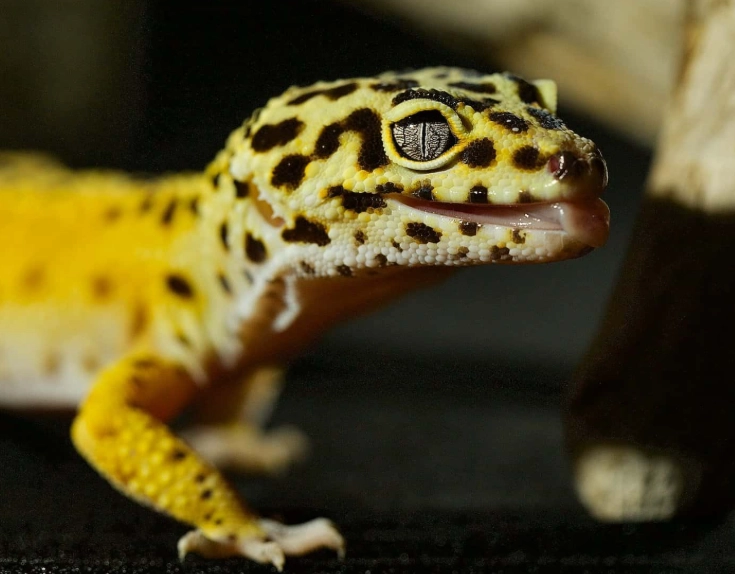
They have fantastic personalities. This isn't just hype. Unlike some reptiles that are purely display animals, leopard geckos show individual quirks. They learn routines, recognize their keeper (likely as the food source, but still), and can become remarkably calm when handled regularly. My first gecko, Speckles, would crawl out of his hide and onto the glass when he heard my voice in the evening, knowing it was feeding time.
Their care requirements are manageable. They don't need massive enclosures, complex UVB lighting (though it's now highly recommended for optimal health), or live rodents for food. Their diet consists of insects—crickets, mealworms, dubia roaches. They are terrestrial, so you don't need a towering jungle gym. A properly sized tank with a heat source, hides, and a moist box is the core of their home.
They are quiet and clean. No barking, squawking, or midnight wheel running. They are crepuscular/nocturnal, most active at dawn and dusk. Their waste is infrequent and odorless when cleaned promptly. For apartment dwellers or those with noise sensitivities, this is a huge plus.
They are long-lived. This is a pro and a con. With proper care, 15-20 years is common. You're getting a long-term companion, not a short-term pet.
Now, the other side of the coin. The stuff pet stores might gloss over.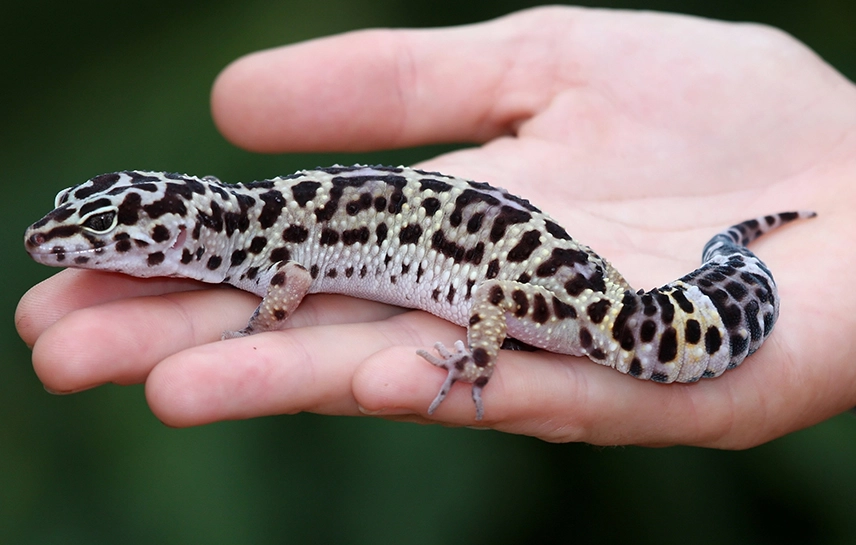
You have to deal with live insects. This is the number one deal-breaker. You must be comfortable buying, keeping, and feeding live bugs. This means having a separate container for your cricket colony or mealworm farm, feeding them nutritious gut-load food, and dusting them with supplements. It's not for the squeamish.
They require specific, consistent heat. They are ectotherms. A simple undertank heater isn't enough; you need a thermostat to control it precisely. The warm side of their tank needs to be 88-92°F (31-33°C), the cool side around 75°F (24°C). Getting this wrong leads to digestive issues and stress.
They are not cuddly or "affectionate" in a mammalian sense. They tolerate handling well, but they don't seek it out for companionship. Some days they just want to be left alone in their hide. The bond is one of quiet trust, not playful interaction.
Veterinary care is specialized and expensive. You need an exotics vet. A standard dog-and-cat vet likely won't have the expertise. Checkups and treatments cost more. Finding one nearby can be a challenge.
| The Good | The Not-So-Good |
|---|---|
| Gentle, handleable temperament | Diet requires live insects |
| Quiet and odorless (when clean) | Need precise, regulated heat sources |
| Manageable size (8-10 inches) | Not interactive or "cuddly" like a mammal |
| Long lifespan (15-20+ years) | Specialized (and costly) vet care |
| Many beautiful color morphs | Primarily nocturnal/crepuscular |
How to Set Up a Leopard Gecko Tank: A Step-by-Step Guide
Getting the setup right from day one prevents 90% of health problems. Here’s what you actually need, moving beyond the bare-bones kits sold at pet stores.
The Non-Negotiable Equipment List
- Enclosure: Minimum 20-gallon long tank for one adult. A 40-gallon breeder is ideal and becoming the new recommended standard. Front-opening terrariums are best for easy access and less stress.
- Heating: An under-tank heater (UTH) or a deep heat projector (DHP) connected to a thermostat. This is critical. The thermostat probe controls the temperature, preventing burns. Avoid heat rocks.
- Lighting: While they can survive without UVB, providing a low-output UVB light (like a ShadeDweller kit) is now considered best practice for calcium metabolism and overall health. It also creates a proper day/night cycle.
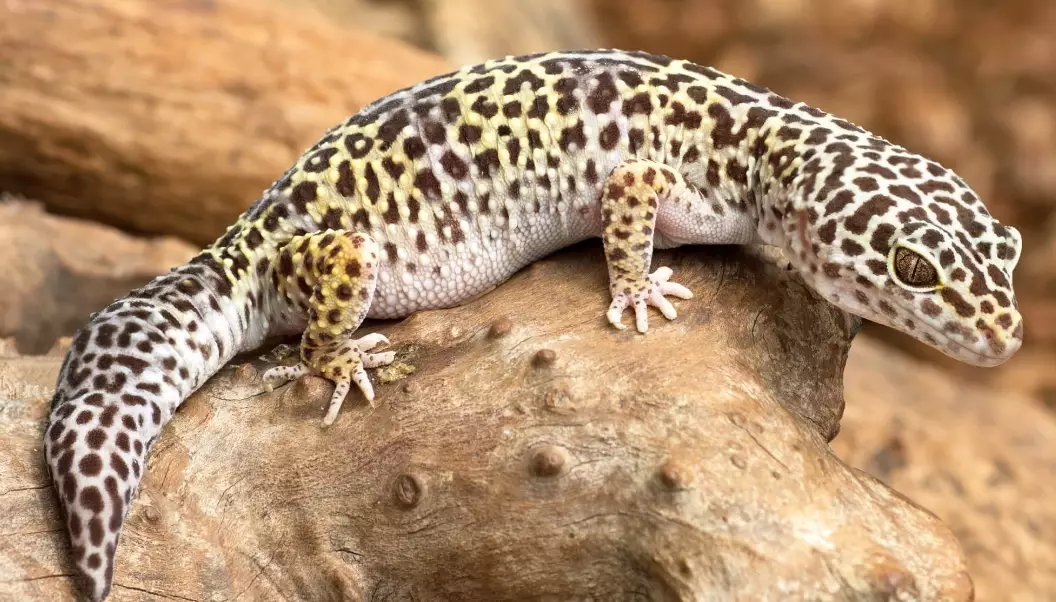
- Substrate: Paper towel is safest for beginners and quarantined geckos. For a permanent, naturalistic setup, a 70/30 mix of topsoil and play sand (no additives) is excellent. Avoid calcium sand, crushed walnut, or straight sand—they cause impaction.
- Hides: At least three: one on the warm side, one on the cool side, and a humid hide (a container with damp sphagnum moss or paper towel) in the middle to aid shedding.
- Other Essentials: Shallow water dish, calcium dish (plain calcium carbonate without D3), digital thermometer/hygrometer (not the analog stick-on kind).
The Feeding Schedule: It's Not Daily
A common rookie mistake is overfeeding. Their metabolism is slow.
- Juveniles (0-12 months): Feed daily, as many appropriately-sized insects as they'll eat in 10-15 minutes.
- Adults (12+ months): Feed every 2-3 days. 6-8 appropriately sized insects per feeding is a good average.
Always dust insects with a calcium + D3 supplement a couple times a week, and a multivitamin once a week. "Gut-load" your feeder insects by feeding them nutritious veggies (carrots, squash, greens) 24 hours before feeding them to your gecko.
The Cost Factor: Initial Setup vs. Ongoing Expenses
Let's talk money, because the $30 price tag on the gecko is the smallest part.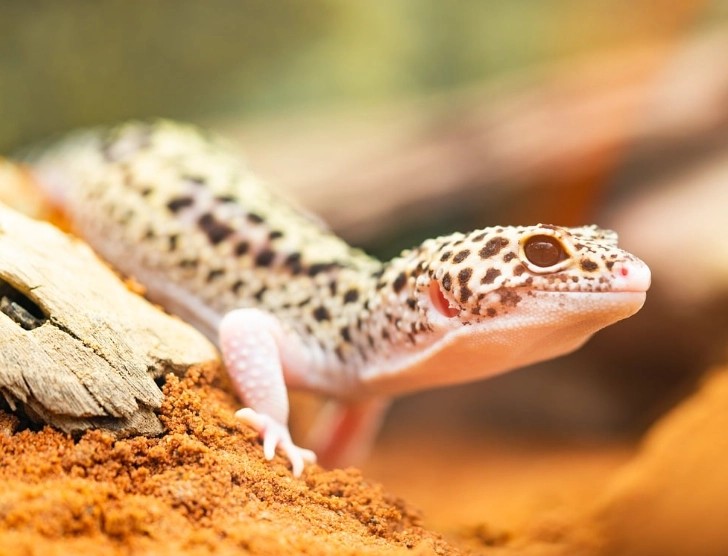
Initial Setup (One-Time Costs): This is where the investment is. For a proper setup with a 40-gallon breeder tank, quality heating/thermostat, lighting, hides, and decor, you're looking at $300 - $500 easily. Buying a cheap, small kit will cost you more in the long run when you have to upgrade everything within a year.
Ongoing Monthly Costs:
- Food: $15 - $30 for crickets, dubia roaches, mealworms.
- Supplements: $5 - $10 (calcium, vitamins).
- Electricity: A minor bump for the heat and light.
- Substrate/Bedding: $5 - $15 if using disposable liners or replacing soil mix.
Unexpected Costs: Vet visits. An initial wellness check can be $80-$150. Treatment for parasites, impaction, or metabolic bone disease can run into the hundreds. Having a vet fund is responsible pet ownership.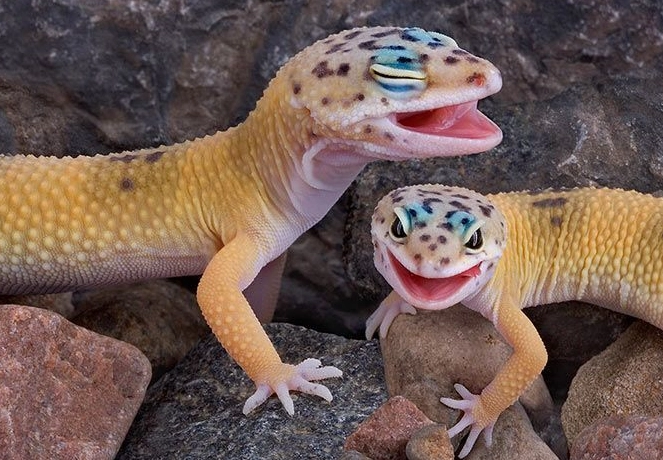
Is a Leopard Gecko Right For You? A Reality Check
Ask yourself these questions honestly.
A leopard gecko IS a good pet for you if: You want a quiet, observational pet with a calm presence. You are fascinated by reptile behavior and don't mind a pet that's more about tolerance than play. You are committed to maintaining a specific environment (heat, humidity) for over a decade. You are okay with handling and caring for live insects. You have the budget for the proper setup and potential vet bills.
A leopard gecko is NOT a good pet for you if: You want an interactive, cuddly companion like a hamster or cat. You or anyone in your household is terrified of insects. You travel frequently and don't have a reliable, knowledgeable pet sitter. You are looking for a very low-cost, low-maintenance pet. You tend to lose interest in hobbies or pets after the novelty wears off.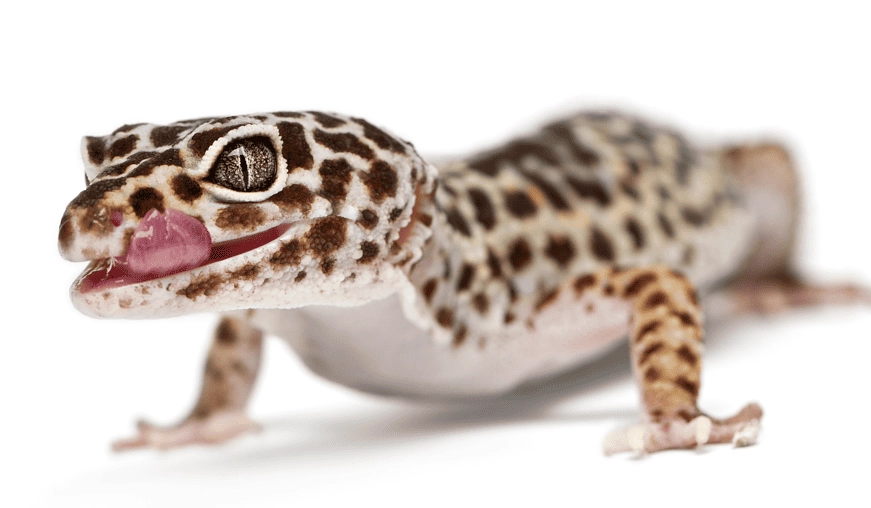
Your Top Leopard Gecko Questions, Answered
So, is a leopard gecko a good pet? For the person who does their research, invests in the right setup from the start, and appreciates the unique, quiet companionship of a reptile, the answer is a resounding yes. They are a long-term commitment with specific needs, but their gentle nature and fascinating behaviors make them one of the most rewarding reptiles to keep. The key is going in with your eyes open, ready to meet their needs, not just hoping they'll fit into yours.
Reader Comments