So you're thinking about getting a fat-tailed gecko, or maybe you just brought one home and are staring at that empty tank wondering what comes next. Good move. These little West African natives (Hemitheconyx caudicinctus) are fantastic pets. They're like the slightly more humidity-loving cousin of the leopard gecko—chill, easy-going, and full of personality once they settle in. But "easy" care doesn't mean "no" care. Getting the basics right from the start is what separates a thriving gecko from one that just survives. Let's get into it.
What's Inside This Guide
Why Choose a Fat-Tailed Gecko?
If you're new to reptiles, this species is a solid choice. They're terrestrial, which means they walk around on the ground instead of climbing glass walls all night. A healthy adult is a sturdy 8 to 10 inches long, with that characteristic chunky tail they use to store fat and water. They're crepuscular to nocturnal, so they're most active in the evening and at night. That makes them a great pet if you're at work or school during the day.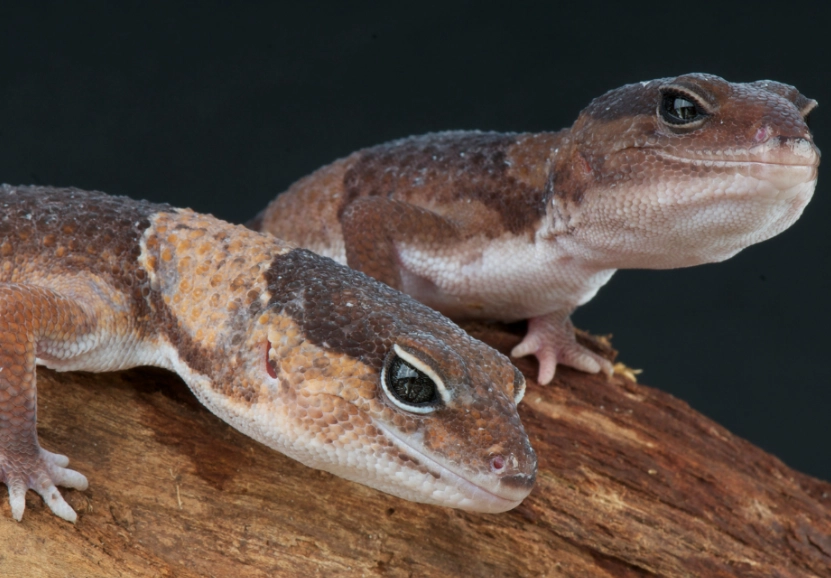
Their temperament is generally docile. I've had some that were skittish as juveniles but mellowed into complete lap-geckos (figuratively speaking) as adults. They rarely bite, and when they do, it's more of a surprised pinch than anything painful. The main thing they ask for is a proper setup that mimics the savannas and dry forests they come from. Get that wrong, and you'll see a stressed, hiding, off-feed gecko. Get it right, and you'll have a curious, interactive pet for up to two decades.
Habitat Setup: Building the Perfect Enclosure
This is where most mistakes happen. People often start with a tank that's too small or skip essential elements. Let's break down each component.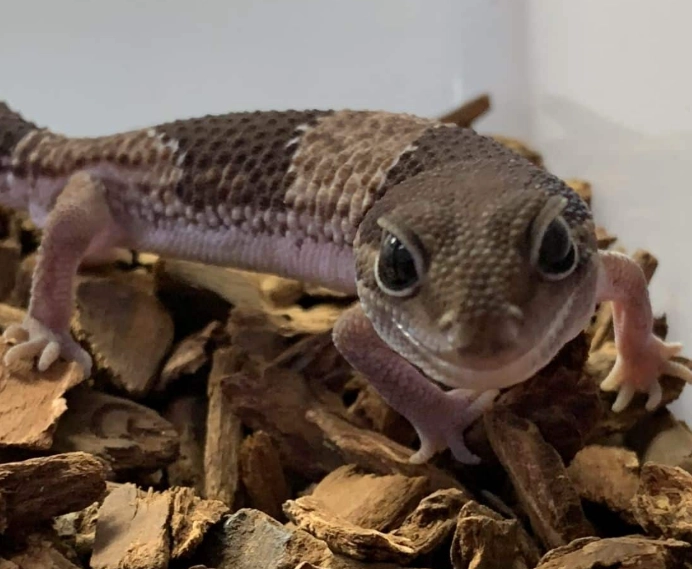
Tank Size and Type
Forget the old 10-gallon minimum you might read on some forums. That's bare survival space. For a single adult, a 20-gallon long aquarium is the absolute starting point. The "long" part is key—it's all about floor space, not height. Personally, I prefer and recommend a 30-gallon breeder or a front-opening terrarium that's at least 36 inches long, 18 inches deep, and 18 inches tall. The extra space makes it infinitely easier to maintain a proper temperature gradient, which is non-negotiable for their health.
Heating and Temperature Gradient
Fat-tailed geckos need belly heat to digest their food. An under-tank heater (UTH) attached to a reliable thermostat is the standard. The thermostat is not optional; an unregulated UTH can cause severe burns.
You need to create a gradient:
- Warm side: 88-92°F (31-33°C) on the floor surface right above the UTH.
- Cool side: 75-80°F (24-27°C).
- Ambient/nighttime temp: Can drop to the low 70s. No colored "night" bulbs are needed.
Use digital thermometers with probes to monitor both ends. The cheap stick-on dials are notoriously inaccurate.
| Parameter | Target Range | Tool Needed |
|---|---|---|
| Basking Surface Temp | 88-92°F (31-33°C) | Digital Thermometer with Probe |
| Cool Side Ambient Temp | 75-80°F (24-27°C) | Digital Thermometer |
| Nighttime Temp | 70-75°F (21-24°C) | Same as above (no heat light) |
| Humidity (Overall) | 50-60% | Digital Hygrometer |
| Humid Hide Microclimate | 70-80% | Maintained manually with damp moss |
Lighting and Substrate
They don't require UVB lighting if they're provided with proper calcium and vitamin D3 supplementation in their diet. However, low-level UVB (like a shadedweller 2.4% or 7% T5 bulb, depending on screen distance) is increasingly recommended by advanced keepers and veterinarians for potential long-term health benefits related to calcium metabolism. If you don't use UVB, you must use a calcium supplement that includes D3.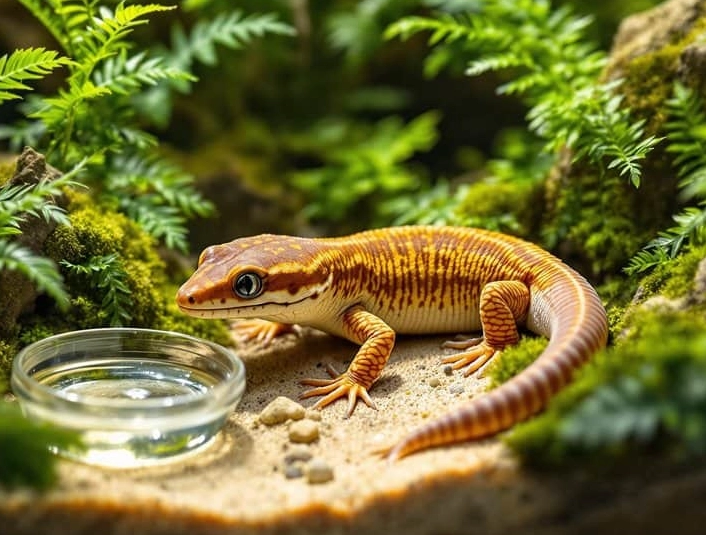
For substrate, the safest bet for beginners is paper towel, reptile carpet, or slate tile. They're easy to clean and eliminate any risk of impaction. Loose substrates like a soil/sand mix can look natural and allow for digging, but they require more management and aren't recommended for inexperienced keepers or young geckos. Avoid calcium sand or pure sand altogether—it's a serious impaction risk.
The Non-Negotiable: Hides and Humidity
You need at least three hides:
- A warm hide placed directly over the UTH.
- A cool hide on the opposite end.
- A humid hide stuffed with damp sphagnum moss or paper towels, placed in the middle or on the warm side.
The humid hide is critical for shedding. Without it, they'll often have stuck shed on their toes, which can constrict blood flow and lead to loss. I check and re-moisten the moss in my geckos' humid hides every week without fail.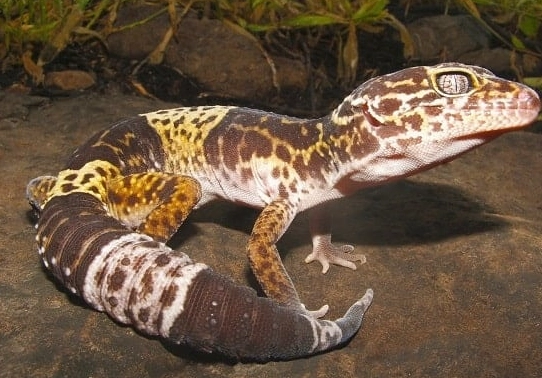
Diet and Feeding: What and When to Feed
They are insectivores. This isn't complicated, but there's a right way and a lazy way to do it.
Staple Feeders: Crickets, dubia roaches, discoid roaches, and black soldier fly larvae are excellent staples. They're nutritious and active, which stimulates hunting.
Treat Feeders: Waxworms, butterworms, and small hornworms. These are high in fat or moisture and should be given sparingly—maybe once a week or every other week.
Size matters. The insect should be no wider than the space between the gecko's eyes.
Here's the part most guides gloss over: gut-loading and supplementation. You must feed your feeder insects nutritious food (carrots, sweet potato, leafy greens, commercial gut-load) for at least 24 hours before feeding them to your gecko. A starving cricket is a nutritionally empty cricket.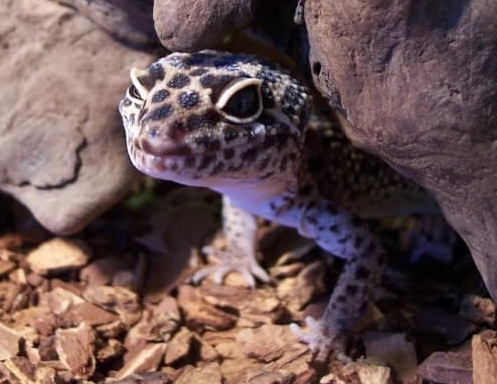
Every feeding (except treat feeds) needs to be dusted:
- Calcium without D3 (if using UVB lighting): At almost every feeding.
- Calcium with D3 (if NOT using UVB): At almost every feeding.
- Multivitamin: Once or twice a week.
Just a light dusting is enough; you shouldn't create powdered donut insects.
Feeding Schedule: Juveniles (under 6 months): Daily, as many as they'll eat in 10-15 mins.
Adults: Every other day, 4-6 appropriately sized insects per session.
Always feed in the evening when they're starting to become active.
Health and Wellness: Spotting Trouble Early
A healthy fat-tailed gecko is alert, has clear bright eyes, a plump (but not obese) tail, and sheds completely in one piece. Here are the big things to watch for:
Stuck Shed: Usually on toes or tail tip. Caused by low humidity. Soak the affected area in shallow lukewarm water and gently rub with a cotton swab. Prevent it by maintaining that humid hide.
Weight Loss/Thin Tail: The tail is their fat reserve. If it gets skinny, it's a major red flag. Causes include parasites, improper temperatures (can't digest food), or illness. A vet visit is needed.
Lethargy and Not Eating: Could be stress from a new environment (normal for a week or two), incorrect temperatures, or illness. Double-check your temps first.
Impaction: A hard belly, inability to pass waste. Caused by eating loose substrate or oversized feeders. Requires a vet. Prevent with proper substrate and feeder size.
The single best thing you can do is find a reptile-savvy veterinarian before you have an emergency. The Association of Reptilian and Amphibian Veterinarians (ARAV) website has a find-a-vet tool.
Handling and Building Trust
Give your new gecko at least a full week, preferably two, to settle in with no handling. Let it learn where its hides and food are.
Start by just putting your hand in the tank near it, not grabbing. Let it sniff. After a few days, gently slide your hand under its belly. Lift slowly, supporting its entire body and legs. Never grab by the tail—it can drop its tail as a defense mechanism, and while it will grow back, it won't look the same.
Keep initial sessions short, 5-10 minutes. Do it over a soft surface like a bed or couch in case of a fall. Most become quite tolerant of handling with regular, gentle interaction.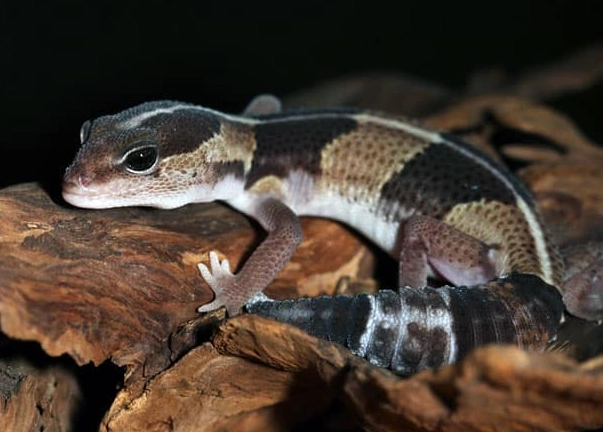
Your Fat-Tailed Gecko Questions Answered
Look, caring for a fat-tailed gecko isn't rocket science, but it does require attention to detail. It's about consistency—checking temps, offering gut-loaded food, keeping that humid hide damp. Get the fundamentals of heat, humidity, and diet locked down, and you'll have a fascinating, long-lived pet that's a joy to care for. Start with a proper-sized tank, don't rush the handling, and when in doubt, prioritize their environmental needs over your desire to interact. They'll thank you for it with years of healthy companionship.
Reader Comments