So you're thinking about getting a leopard gecko, and you've seen pictures of these stunning white and yellow geckos with pinkish eyes. Rainwater Albino is one of the most popular and distinct albino leopard gecko morphs out there. But what makes it different from a Tremper or Bell Albino? And does that gorgeous lack of pigment mean you need to treat it differently?
The short answer is yes, but not in the way most guides tell you. It's all about the light.
What's Inside This Guide?
Genetics & History: The Rainwater Story
Let's clear up the big confusion first. There are three separate, primary albino strains in leopard geckos: Tremper, Bell, and Rainwater.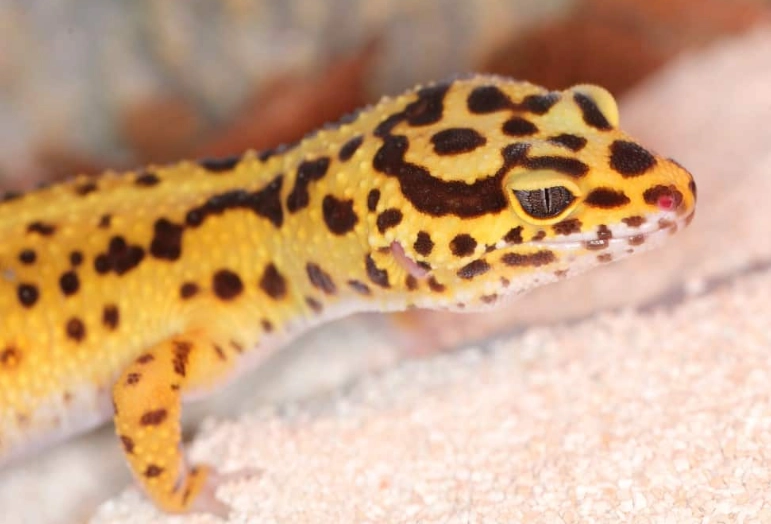
Rainwater Albinos, originally known as "Las Vegas Albinos," were first produced by Steve and Mark Rainwater in 1998. This is a recessive trait, meaning a gecko needs two copies of the gene (one from each parent) to show the albino appearance.
Here’s the thing guides rarely explain well. These three strains are mutations on different genes. They are not different intensities of the same thing. This means a gecko can be, for example, both a Rainwater Albino and a Mack Snow. That's how we get those beautiful albino snow geckos.
Key Point
You cannot visually tell if a gecko carries one copy of the Rainwater gene (is "het") unless you breed it. A het Rainwater looks like a normal gecko. This is a common source of surprise for breeders.
Identifying a Rainwater Albino
Telling them apart from other albinos, especially as hatchlings, is tricky. Breeders rely on lineage. But there are some visual cues:
- Eyes: Rainwaters often have a silver, gray, or light pink eye color with visible reddish veins. Trempers tend toward silver, Bells toward pink.
- Hatchling Coloration: Rainwater hatchlings frequently have more distinct brown banding, while other strains can be paler or more patternless.
- Adult Coloration: They often mature into a clean, creamy yellow or off-white base with pinkish hues, unlike the sometimes more orangey tones of other lines.
But honestly? If the breeder doesn't know or can't provide the lineage, be skeptical. Accidental mixing of lines happens.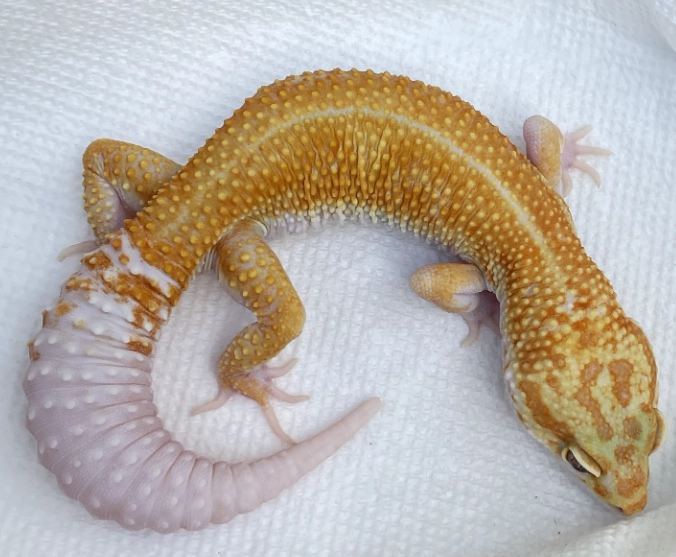
Complete Rainwater Albino Care Guide
The core care for any leopard gecko applies: a 20-gallon long tank minimum, a warm hide, a cool hide, a humid hide for shedding, and appropriate heating.
Where the Rainwater (and all albinos) truly differ is in their relationship with light.
The Critical Difference: Light Sensitivity
Melanin doesn't just provide color; it protects the eyes. Without it, albino geckos are extremely sensitive to bright light. A setup that's fine for a normal morph can stress an albino.
Here's the mistake I see all the time: Someone uses a bright white basking bulb or a strong UVB lamp because they read "leopard geckos need heat." The gecko ends up hiding all day, squinting, and refusing to come out. The owner thinks it's just shy.
It's not shy. It's uncomfortable.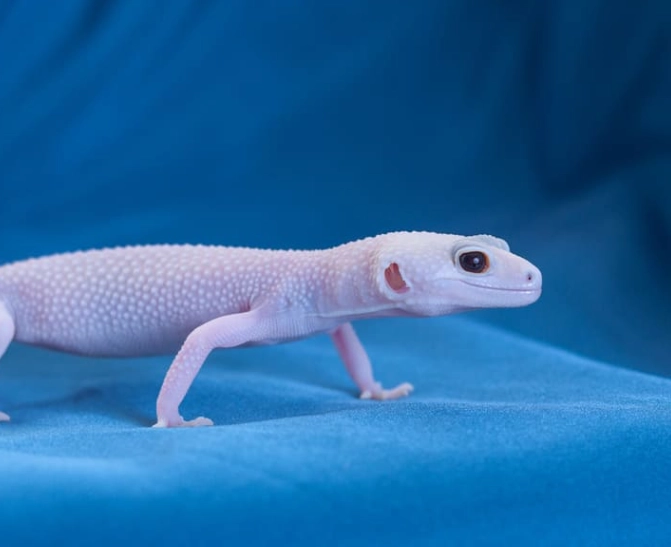
Recommended Setup
| Component | Recommendation for Rainwater Albinos | Notes & Why |
|---|---|---|
| Heating | Deep Heat Projector (DHP) or Ceramic Heat Emitter (CHE) on a thermostat. | Provides essential infrared heat without visible light. An under-tank heater can supplement but isn't sufficient alone. |
| Lighting | Low-output UVB (optional) or low-level ambient room light. | If using UVB: Use a very low level (2-5% ShadeDweller type) and ensure plenty of shaded areas. Many keepers skip UVB entirely and rely on proper dusting. |
| Substrate | Paper towel, slate tile, or a safe loose substrate mix (70% topsoil/30% sand). | Avoid calcium sand or anything dusty. Their sensitive eyes are more prone to irritation from fine particles. |
| Decor & Hides | Plenty! More than the standard three. | They need opportunities to move around without being exposed to bright light. Cork bark tunnels, plants, and rock caves create a comforting environment. |
I personally lean towards using a DHP for heating and providing very low-level ambient light from the room, or a gentle LED on a dimmer set to a 12-hour cycle, for my albinos. It simulates a natural day/night cycle without the glare.
Feeding & Diet
No different here. A staple of gut-loaded crickets or dubia roaches, dusted with a quality calcium supplement (without D3 if using UVB, with D3 if not). Mealworms, superworms, and the occasional treat like waxworms are fine.
Hydration is key. Always provide a shallow water dish with fresh water. Misting the humid hide a few times a week helps with shedding.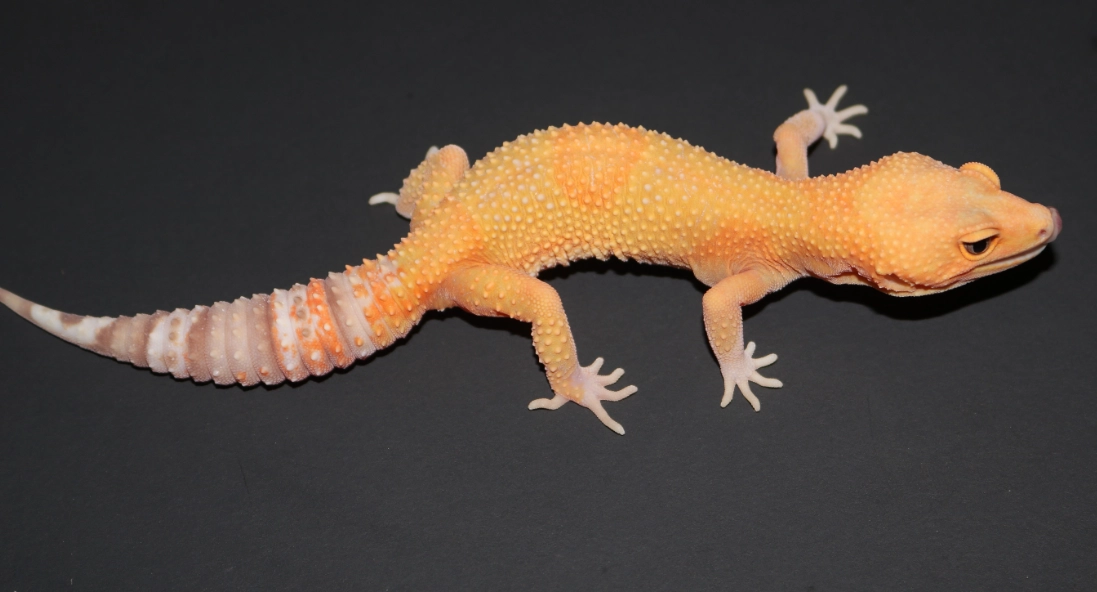
Health & Common Issues to Watch For
Generally hardy, but their albinism makes them prone to specific problems.
Eye Issues: This is the big one. Conjunctivitis, corneal ulcers, or general irritation can occur more easily. Signs include squinting, keeping the eye closed, swelling, or excess blinking. Often caused by substrate getting in the eye or lighting that's too bright.
Shedding Problems: All geckos can have issues, but ensuring a proper humid hide is non-negotiable for clean sheds, especially around those delicate toes and eyes.
Stress: Improper lighting is the number one cause of chronic stress in albinos. A stressed gecko hides constantly, eats less, and is more susceptible to illness.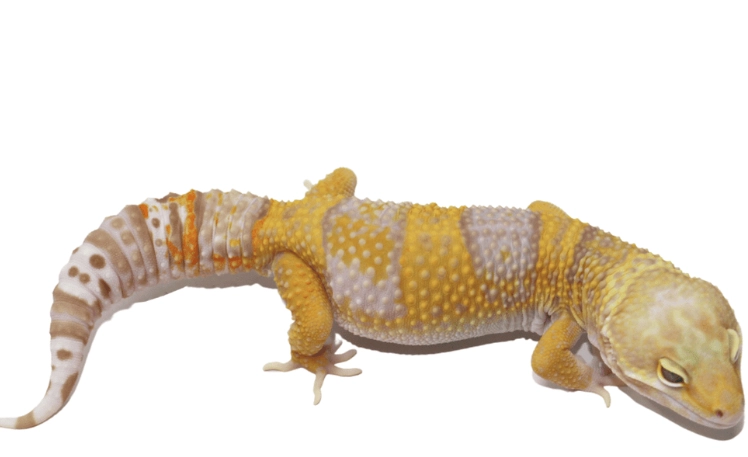
Pro Tip
Get an infrared temperature gun. Don't guess your warm side temperature. It should be 88-92°F (31-33°C) on the floor under the warm hide. An accurate digital thermometer/hygrometer is worth every penny.
Buying a Rainwater Albino: Price & Selection
You can find Rainwater Albinos from specialist breeders, at reptile expos, and sometimes online.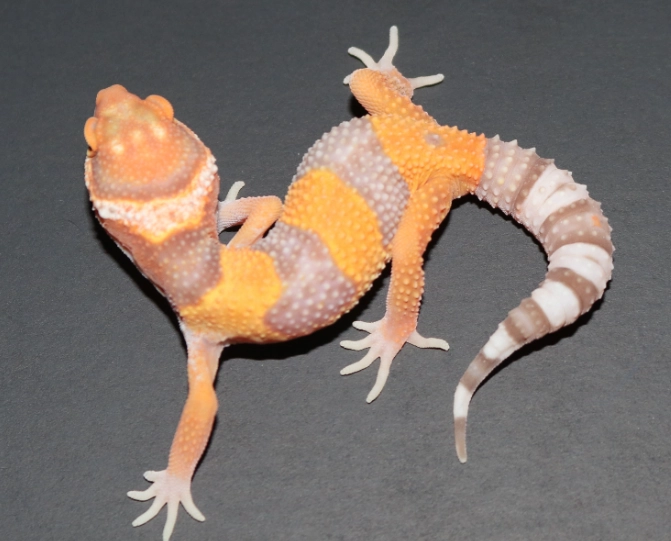
Price Range: A standard Rainwater Albino typically costs between $50 and $150. The price jumps if it's combined with other traits (Rainwater Albino Mack Snow, Blizzard, etc.). Those can range from $150 to $400 or more for rare combos.
Choosing a Healthy Gecko: Look for clear, bright eyes (no crust or swelling). The body should be plump, especially at the base of the tail, but not obese. Check the toes for retained shed. The gecko should be alert and curious, not lethargic. Ask the breeder about its feeding habits (what and how often).
A reputable breeder is your best bet. They can provide lineage, health history, and support.
Setting up the tank completely before bringing your gecko home is the single best thing you can do. It allows you to dial in the temperature and humidity without stressing the animal.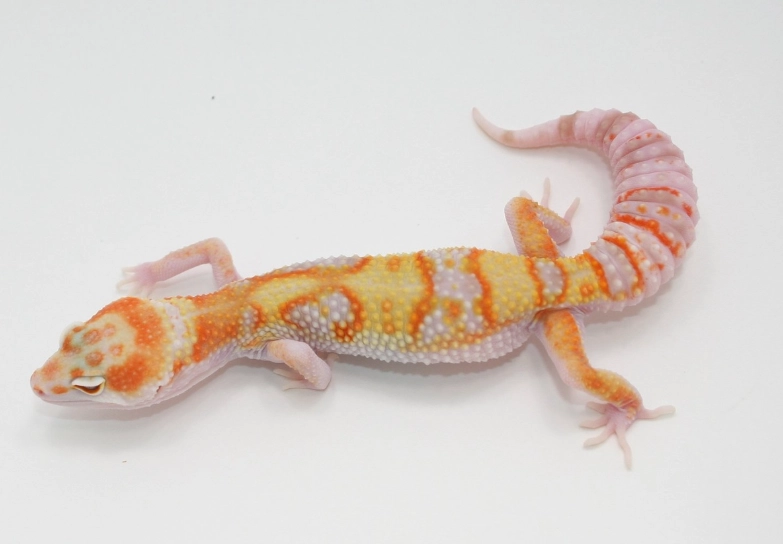
Frequently Asked Questions
What are the unique health concerns for a Rainwater Albino leopard gecko?
Their primary vulnerability is their eyes. The lack of melanin makes them extremely sensitive to bright light, particularly UVB. Using a very low-output UVB bulb (like a 2% or 5% ShadeDweller, placed at a proper distance) or opting for a lightless heat source like a deep heat projector is safer. Many keepers skip UVB entirely and rely on proper gut-loading and dusting of feeder insects with Vitamin D3. Another overlooked issue is substrate choice; fine, dusty substrates can irritate their sensitive eyes more easily than in other morphs.
How can I tell a Rainwater Albino apart from other albino leopard gecko morphs?
Eye color is the most reliable field marker for adults. Rainwaters have silver, gray, or light pink eyes with visible red veins. Tremper Albinos typically have silver or pinkish-silver eyes. Bell Albinos often have the pinkest eyes. Hatchlings are trickier. Rainwaters usually hatch with distinct brown bands or markings, while Trempers and Bells are often more patternless or highlighter-yellow. The only definitive method is knowing the breeder's lineage. Mixing albino strains can create healthy 'het' animals, but crossing two different albino lines (e.g., Rainwater x Tremper) typically results in non-albino offspring, which is a common point of confusion.
Is a Rainwater Albino leopard gecko a good pet for beginners?
Generally, yes, but with a few caveats. Their care is identical to any other leopard gecko morph, which is straightforward. The 'but' comes from their light sensitivity. A beginner who impulsively sets up a tank with a bright white basking bulb or a strong UVB lamp will cause this gecko significant stress and potential eye damage. As a first gecko, a Rainwater Albino is fine if the owner does their research and avoids intense lighting. If someone wants a setup with a bright viewing light, a different morph would be a kinder choice.
What's the most common mistake owners make with albino leopard geckos?
Over-lighting the enclosure, hands down. It's so easy to do. We think they need a 'daylight' bulb, or we use a UVB lamp meant for bearded dragons. That level of light is painful for them. They'll spend all their time hiding in the darkest corner they can find. The fix is simple: use a lightless heat source like a ceramic heat emitter or deep heat projector, and if you want a day/night cycle, use a very gentle, low-output LED light on a dimmer, or just rely on the ambient light in the room.
Reader Comments