Quick Guide to Bone-toed Gecko Care
So you're curious about the Bone-toed gecko? You've probably seen a picture of this sleek, almost minimalist-looking lizard and wondered what it's like to keep one. Maybe you're a seasoned reptile keeper looking for something a bit different from the usual leopard or crested geckos. Or perhaps you stumbled upon the name Nactus pelagicus in a scientific paper and got intrigued.
Let me tell you, these are fascinating creatures, but they're not your typical beginner pet store gecko. They have a certain... elegance. A quiet demeanor. But caring for them properly requires understanding where they come from and what makes them tick. That's what we're going to dig into here.
I remember the first time I saw a Bone-toed gecko in person. It was at a specialist breeder's place, and I was struck by how delicate and alert it seemed, perched perfectly still on a vertical branch. It wasn't flashy, but it had a purposeful look. It got me reading, talking to experts, and eventually, keeping a small group myself. It's been a learning curve, I won't lie. Some things the care sheets get wrong.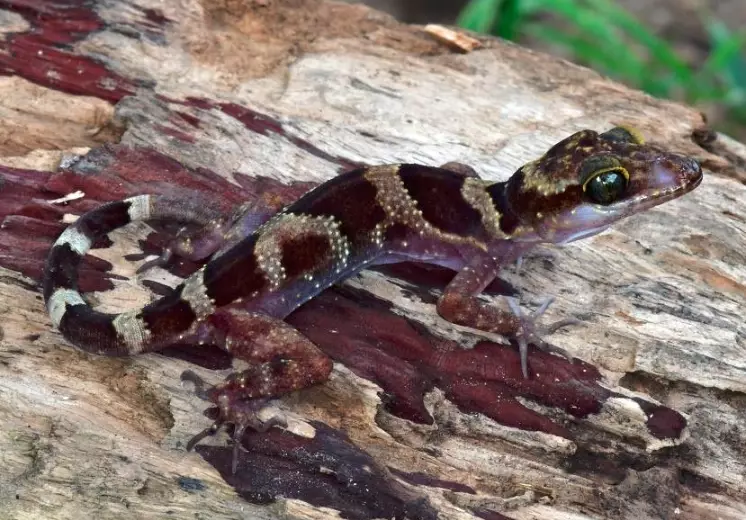
What Exactly Is a Bone-toed Gecko?
Let's clear up the names first, because it gets confusing. The Bone-toed gecko is most scientifically known as Nactus pelagicus. You might also hear it called the Pacific slender-toed gecko or the Pelagic gecko. The "bone-toed" part is the real giveaway for identification—we'll get to that in a second.
This gecko belongs to the family Gekkonidae, but it's in a different genus from the common pet geckos. The Nactus genus is interesting because it contains species that are considered more "primitive" in some aspects of their anatomy compared to other geckos. They lack the adhesive toe pads (lamellae) that let house geckos run up walls. Instead, they have slender toes with claws, adapted for climbing rough surfaces like bark and rock.
Taxonomy Snapshot: According to the The Reptile Database, a key resource for herpetologists, the full classification is: Kingdom: Animalia, Phylum: Chordata, Class: Reptilia, Order: Squamata, Family: Gekkonidae, Genus: Nactus, Species: N. pelagicus. There's some debate about subspecies, but Nactus pelagicus pelagicus is the one you're most likely to encounter.
Their natural range is a big clue to their care needs. These geckos are island hoppers. They're found across a huge swath of the Pacific, from the Philippines and eastern Indonesia, through Papua New Guinea and the Solomon Islands, and out to Vanuatu and Fiji. This isn't a desert dweller or a rainforest floor crawler. It's an animal of tropical forests, often in coastal areas or on islands.
Spotting the Key Features: The "Bone-toed" Look
So what should you look for? How do you know it's a true Bone-toed gecko and not something similar?
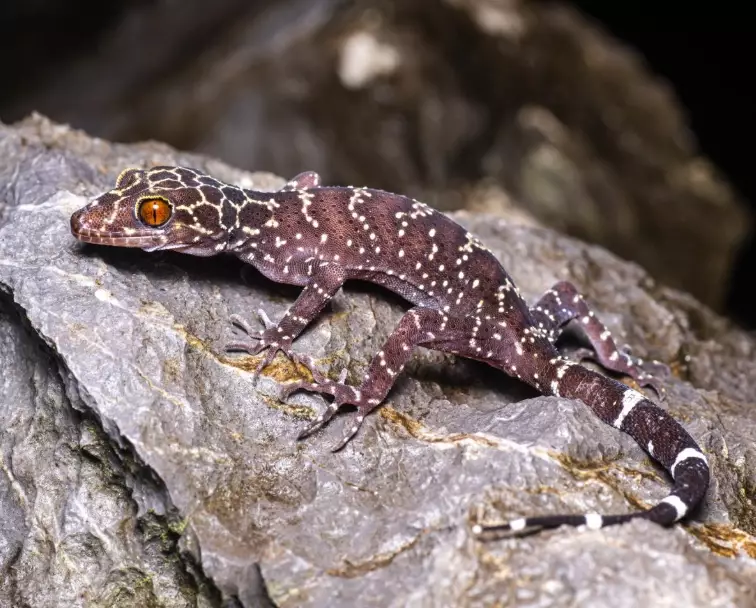
First, the body. They are moderately sized, with adults typically reaching a snout-to-vent length (SVL) of about 6 to 7.5 cm (2.5 to 3 inches), with a tail that can be roughly equal in length. The body is cylindrical and slender, not flattened. The skin has a fine granular texture, with small, scattered tubercles (little bumps) that give them a slightly rough, matte appearance. Their coloration is usually a base of brown, grey, or tan, often with darker irregular banding or blotches running down the back and tail. This provides excellent camouflage against tree bark.
Now, the toes. This is the signature feature. Their digits are long, slender, and appear almost bony (hence the name). They lack the expanded, padded tips of most geckos. Each toe ends in a small, sharp claw. This structure is perfect for gripping onto rough surfaces but means they will struggle on sheer, smooth surfaces like glass. You won't see one climbing the glass walls of its terrarium easily—they need textured climbing materials.
The eyes are another clue. They have vertical, elliptical pupils (like a cat's eye) suited for their crepuscular to nocturnal activity patterns. They also lack movable eyelids. Instead, they have a transparent scale, called a brille, that protects the eye. They clean and moisten it with their tongue.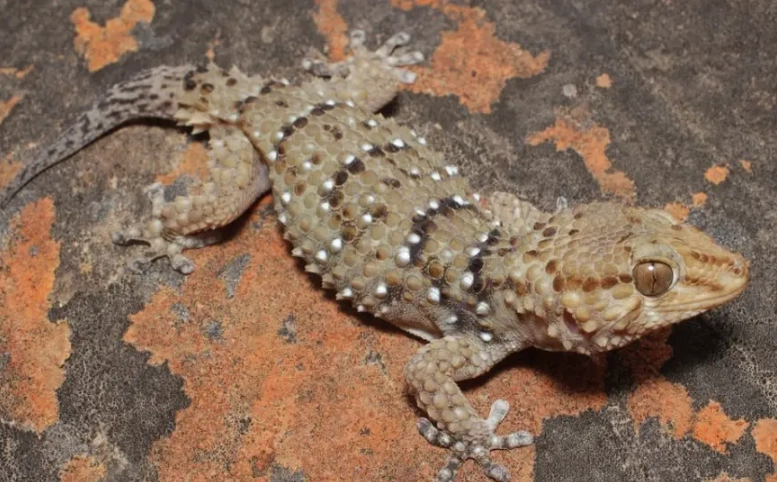
Setting Up the Perfect Home: Habitat & Enclosure
This is where many first-time keepers go wrong. You can't just plop a Bone-toed gecko into a basic fish tank with some newspaper and a hide. Their setup needs to mimic their island forest habitats. Think vertical space, humidity, and plenty of hiding spots.
I made the mistake early on of using a tank that was too long and not tall enough. They used the floor space maybe 10% of the time. They wanted to be up high. Lesson learned.
A Common Mistake: Using a "desert-style" setup with deep sand, low humidity, and heat lamps. This will stress a Bone-toed gecko immensely and lead to health problems like chronic dehydration and poor shedding. They are tropical animals.
Enclosure Size and Type
For a single adult Bone-toed gecko, a minimum enclosure size would be a 45 x 45 x 60 cm (18" x 18" x 24") tall terrarium. A pair or trio would need something larger, like a 60 x 45 x 90 cm (24" x 18" x 36") tall. Height is more important than floor space. Front-opening enclosures are fantastic as they minimize disturbance from above (which they perceive as a predator).
Ventilation is crucial. Stagnant, wet air leads to respiratory infections. You need a good cross-flow of air. Many commercially available "tropical" terrariums with screened tops and front ventilation panels work well.
The Essential Components: A Checklist
Here’s what you need to gather before bringing your gecko home. Think of it as setting up a miniature forest landscape.
- Substrate: Something that holds moisture but doesn't stay soggy. A mix of organic topsoil, coconut coir, and a bit of sand or orchid bark works wonders. It should be deep enough (5-8 cm) to support live plants if you choose. Avoid pure sand, pure moss, or gravel.
- Climbing Structures: This is non-negotiable. Use cork bark rounds/flats, driftwood, bamboo poles, and sturdy branches. Create a network of pathways at different heights. Remember, their toes need texture.
- Hiding Places: Multiple hides at different levels. Cork bark hollows, commercially available reptile hides, or even PVC pipes covered in substrate blend in well. One should be in a slightly more humid microclimate (a "humidity hide" with damp sphagnum moss).
- Live Plants: Highly recommended. They help regulate humidity, provide cover, and improve air quality. Pothos, snake plants, bromeliads, and ferns are tough choices that thrive in these conditions. They make the enclosure look fantastic and give the gecko security.
- Leaf Litter: A top layer of dried oak, magnolia, or beech leaves. This mimics the forest floor, holds humidity at the substrate level, and offers tiny insects (like springtails) a place to live, which helps clean up waste.
Climate Control: Temperature, Humidity, and Light
Getting the climate right is the single most important factor for long-term health. Here’s a breakdown of the numbers you need to hit.
| Parameter | Daytime Range | Nighttime Range | How to Achieve It |
|---|---|---|---|
| Temperature | 24-28°C (75-82°F) | 20-24°C (68-75°F) | Use a low-wattage ceramic heat emitter (CHE) or a deep heat projector on a thermostat. Place it at one end of the top to create a gentle gradient. Avoid bright basking spots—they are secretive. |
| Humidity | 60-75% | 80-90% | Use a digital hygrometer. Mist the enclosure heavily once or twice daily with a hand sprayer or use an automatic misting system on a timer. The humidity should spike after misting and then gradually fall. |
| Lighting | Low-level, indirect | None (or moonlight) | They do not require UVB for survival, but studies suggest low levels of UVB (like a shadedweller 2% or 7% UVB T5 bulb) can benefit calcium metabolism and overall well-being. Provide a normal 10-12 hour day/night cycle with no lights at night. |
The night drop in temperature and rise in humidity is critical. It simulates their natural conditions and triggers activity. A simple timer for your lights and heat source makes this automatic.
Why is humidity so vital? For one, it aids in shedding. A dehydrated Bone-toed gecko will have terrible sheds, with retained skin, especially on those delicate toes, which can lead to constriction and loss of the toe. Secondly, it supports their respiratory health when combined with good ventilation.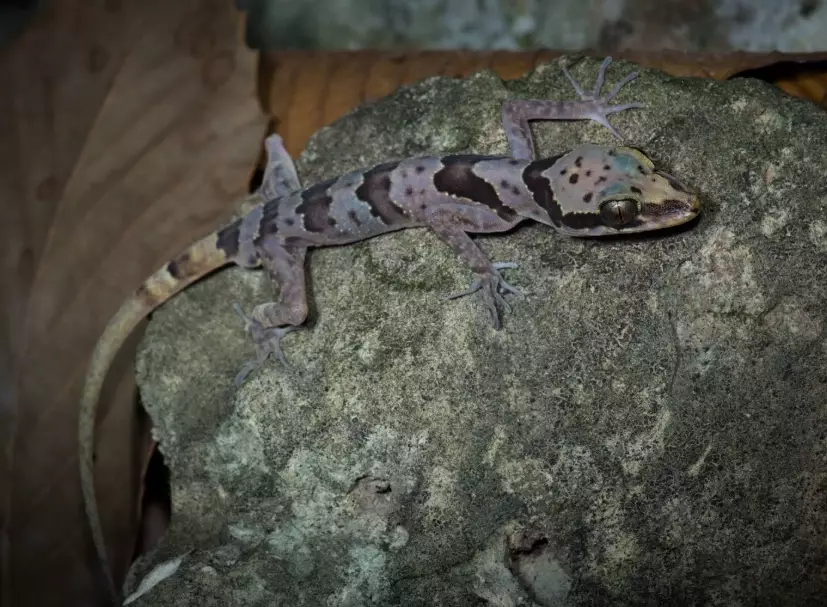
Feeding Your Bone-toed Gecko: Diet and Nutrition
In the wild, Nactus pelagicus is an opportunistic insectivore. It will eat pretty much any small arthropod it can overpower. In captivity, variety is the cornerstone of good nutrition. A monotonous diet is a fast track to health issues.
Their prey should be appropriately sized—no larger than the space between the gecko's eyes. They are not big geckos, so think small.
Small crickets, dubia roach nymphs, and black soldier fly larvae (calciworms) are excellent daily staples. Crickets should be "loaded" by feeding them nutritious greens (like collard greens, squash) 24-48 hours before offering them to your gecko—this is called gut-loading.
For variety, offer small mealworms, waxworms (very sparingly, they're fatty), silkworms, and flightless fruit flies. I've found mine go absolutely crazy for small silkworms.
Supplements: The Non-Negotiable Dusting Routine
This is where metabolic bone disease (MBD) is prevented. Insects alone are not a balanced diet. You need to dust them with supplements.
- Calcium with Vitamin D3: Use this for most feedings, about 3-4 times a week. The D3 helps them utilize the calcium if you are not providing UVB lighting. If you are using UVB, you can use a calcium without D3 more often.
- Multivitamin: Use a reptile-specific multivitamin once a week. This provides essential vitamins like A and E that aren't in the calcium powder.
The method is simple: put the insects in a small bag or cup with a pinch of supplement powder, shake gently to coat them, and then offer them immediately to your gecko.
How often to feed? Juveniles should be offered food daily. Adults can be fed every other day, or 4-5 times a week. Observe their body condition. A healthy Bone-toed gecko should have a slight "pleasing plumpness" to its tail and body, not be skinny or obese.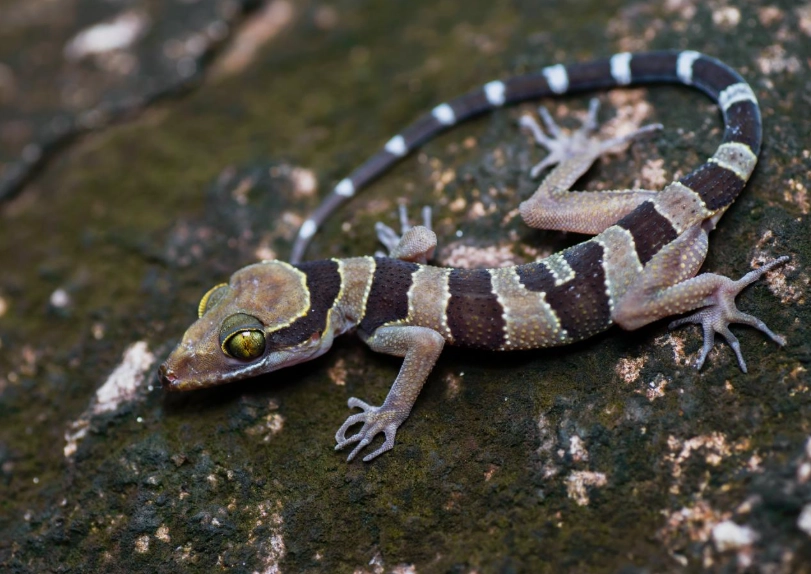
Health and Common Issues
Generally, a well-kept Bone-toed gecko is a hardy animal. But problems arise when their specific needs aren't met. Here are the big ones to watch for.
Sticky Situations: Shedding Problems (Dysecdysis)
This is the number one issue I see reported. Due to low humidity or poor health, the old skin doesn't come off cleanly. It dries out and sticks, particularly on the toes, tail tip, and around the eyes. Retained skin on the toes can act like a tourniquet, cutting off circulation and causing the toe to die and fall off.
Prevention: Maintain proper humidity, especially the nighttime spike. Provide a rough surface (like cork bark) for them to rub against. A dedicated humidity hide filled with damp sphagnum moss is a lifesaver.
Treatment: If you see stuck shed, don't pull it! Create a "sauna" by placing the gecko in a small ventilated container with a warm, damp paper towel for 15-20 minutes. The skin should soften and can then be gently removed with a damp cotton swab. For stubborn toe shed, a very brief, careful roll with the swab often works.
Metabolic Bone Disease (MBD)
Caused by insufficient calcium, improper calcium-to-phosphorus ratio, or lack of Vitamin D3/UVB. Symptoms include soft, rubbery jawbones, bowed legs, tremors, difficulty climbing, and general weakness.
Prevention: Follow the supplement dusting regimen religiously. Consider providing low-level UVB lighting. It's not just about preventing MBD; it's about promoting robust health. The American Veterinary Medical Association (AVMA) notes that proper husbandry, including nutrition, is the foundation of reptile welfare.
Parasites and Stress
Internal parasites (like pinworms) can be a problem, especially in wild-caught individuals or those kept in unclean conditions. Symptoms include weight loss despite eating, runny stools, and lethargy. A fecal exam by an exotics veterinarian is the only way to diagnose and treat this properly.
Stress is a silent killer. It suppresses the immune system. Causes include improper housing (no hides, too open), incorrect temperatures, cohabitation with aggressive tank mates, or excessive handling. A stressed Bone-toed gecko may refuse food, hide constantly, and have a darker coloration.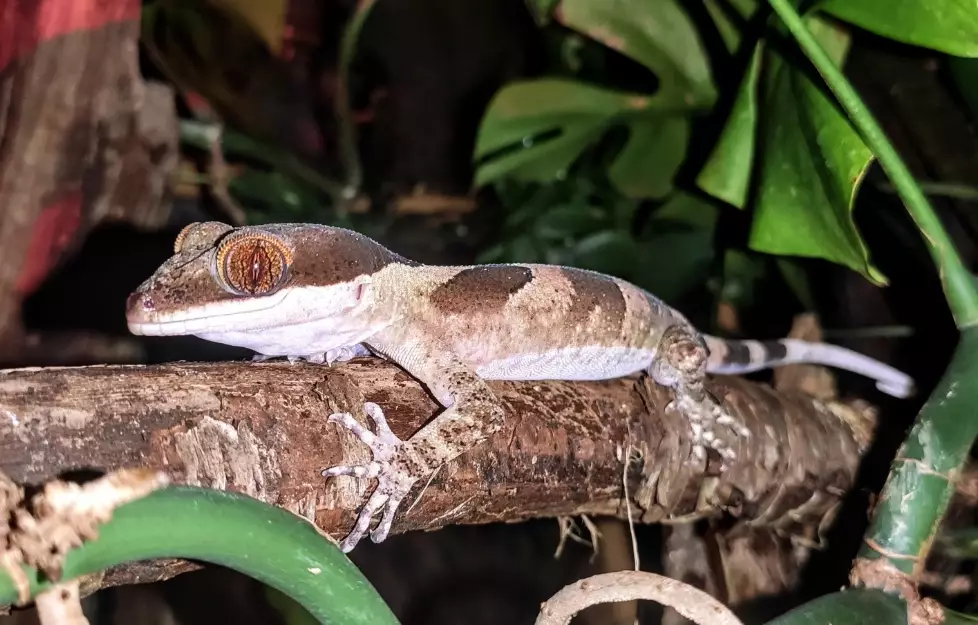
Behavior, Handling, and Enrichment
Let's be honest: the Bone-toed gecko is not a "handle me" pet. They are observational animals. They are crepuscular/nocturnal, meaning most active at dawn and dusk. During the day, they will find a secure hide and remain perfectly still.
Handling should be minimal, reserved for necessary health checks or enclosure maintenance. When you must handle them, be slow and gentle. Let them walk onto your hand rather than grabbing them. Their tails can autotomize (break off) if grabbed, and while they do regrow, the new tail is never as nice as the original.
Enrichment is about making their environment interesting. It prevents boredom and promotes natural behaviors.
- Varied Feeding: Don't just drop crickets in a bowl. Use feeding ledges, put worms in a shallow dish, or let them hunt flightless fruit flies in a planted area.
- Environmental Changes: Occasionally move a branch or add a new plant. But do it subtly.
- Exploring Textures: Provide different materials: cork, stone, bamboo, live plants. Let them choose where they want to be.
Breeding Bone-toed Geckos
Breeding Nactus pelagicus in captivity is not as commonly documented as with some other species, but it is possible with a well-established pair and careful conditioning. It's not a project for beginners.
The process generally involves a cooling period (not a true brumation, but a slight temperature drop to the lower 70s°F for 6-8 weeks) during what would be the drier season in their homeland, followed by a return to normal conditions and increased feeding. Males can be territorial, so careful introduction is needed.
Females lay one or two hard-shelled eggs at a time, often burying them in moist substrate or in a humid hide. Incubation temperature determines sex in many reptiles, but specific data for Bone-toed geckos is sparse. A stable temperature of 26-28°C (79-82°F) in a moist incubation medium (like vermiculite) seems to work, with hatching occurring in 60-80 days.
Hatchlings are tiny replicas of the adults and require even higher humidity and appropriately sized food (pinhead crickets, fruit flies).
Wrapping It Up: Is the Bone-toed Gecko Right for You?
Keeping Nactus pelagicus is a rewarding experience for the right person. It's for the keeper who finds joy in creating a beautiful, naturalistic slice of a Pacific island forest. It's for someone who enjoys observing subtle behaviors—the careful stalk of a cricket, the precise placement of a bony toe on bark, the way they clean their eyes with a quick flick of the tongue.
It's not for someone who wants a colorful, handleable lizard to show off. The beauty of the Bone-toed gecko is understated. It's in their elegant form, their perfect adaptation, and the quiet success of seeing them thrive in an environment you built for them.
If you're willing to meet their needs for vertical space, high humidity, a varied diet, and peaceful observation, then the Bone-toed gecko can be a fascinating and long-lived companion. Do your homework, set up the tank perfectly before you get one, and source your animal from a responsible breeder if possible. The United States Association of Reptile Keepers (USARK) provides resources on responsible reptile keeping and advocacy, which is worth a look for any serious enthusiast.
And remember, the goal isn't just to keep it alive, but to help it truly thrive. Good luck!
Reader Comments