What's Inside This Guide
- So, What Exactly Is a California Kingsnake?
- The Top Reasons a California Kingsnake Makes a Great Pet
- The Other Side of the Coin: Potential Drawbacks
- Choosing Your California Kingsnake: Wild Types vs. Captive-Bred Morphs
- Setting Up the Perfect Home: The California Kingsnake Enclosure
- Daily, Weekly, and Monthly Care Routine
- Feeding Your California Kingsnake: A Simple Guide
- Handling and Bonding (Yes, Bonding)
- Common Health Issues to Watch For
- Frequently Asked Questions (FAQs)
- Final Thoughts: Is the California Kingsnake Right for You?
Let's be honest. The world of pet reptiles can feel overwhelming. You see all these exotic lizards and snakes with crazy requirements, and you just want something manageable, something friendly, something that won't make you regret your life choices at 2 AM when you're trying to find escaped crickets. I've been there. I started with a grumpy bearded dragon that side-eyed me for a year before I finally got my first California kingsnake. And let me tell you, it was a game-changer.
Maybe you're a complete beginner, or perhaps you're an experienced keeper looking for a reliable, beautiful display animal. Whatever your story, the California kingsnake (Lampropeltis californiae) deserves a long, hard look. It's not the flashiest snake in the pet store (though some morphs absolutely are), but it's often the smartest choice.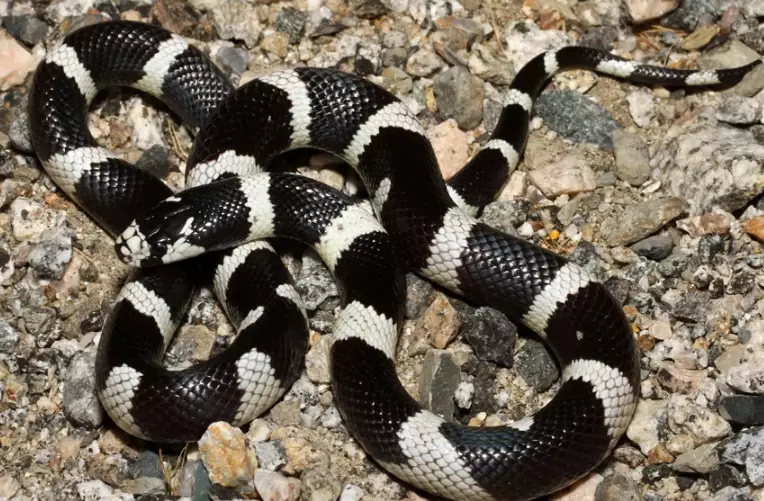
But is it really as perfect as everyone says? I'll give you the full picture, the good and the not-so-good, based on my own experience and years of talking to breeders and vets. We'll dive into everything: from picking out your first scaly friend to setting up its home, feeding it, handling it, and keeping it healthy for decades. Consider this your one-stop shop for all things California kingsnake.
So, What Exactly Is a California Kingsnake?
Before we get into the care stuff, let's understand what we're dealing with. The California kingsnake is a non-venomous constrictor native to—you guessed it—the western United States, particularly California, but its range extends into Oregon, Nevada, Arizona, and even parts of Mexico. They're habitat generalists, found in forests, grasslands, marshes, and even suburban areas. This adaptability is a big part of why they thrive in captivity.
In the wild, the classic pattern is alternating bands of black (or dark brown) and white (or cream). This banded pattern is iconic. But thanks to dedicated breeders, the captive world of California kingsnakes has exploded into a rainbow of colors and patterns called "morphs." We'll get to those in a bit.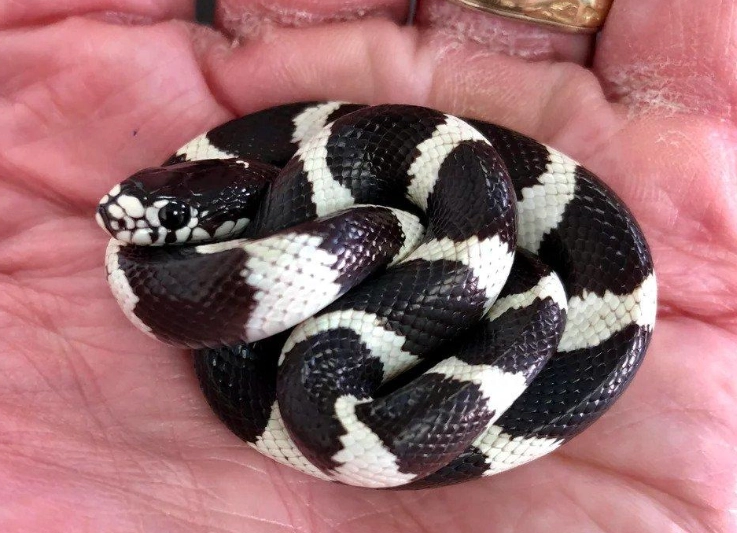
Adults typically reach a very manageable 3 to 4 feet in length, with some females getting closer to 5 feet. They have a relatively slender, muscular build. They're not a bulky snake like a boa, which makes them easy to handle for most people.
The Top Reasons a California Kingsnake Makes a Great Pet
Why does this species consistently top "best beginner snake" lists? It's not just hype. Here's the breakdown of their winning qualities.
Their Temperament is (Usually) Gold
I say "usually" because every snake has its own personality. But the vast majority of captive-bred California kingsnakes are remarkably docile. They rarely bite defensively once they're acclimated. When I got my first one, a normal banded male, I was braced for the infamous "feeding response" bites everyone warns new owners about. Sure, he'd get excited and strike at the scent of a mouse, but during handling? Calm as could be. He'd just cruise around my hands and arms, tongue-flicking curiously.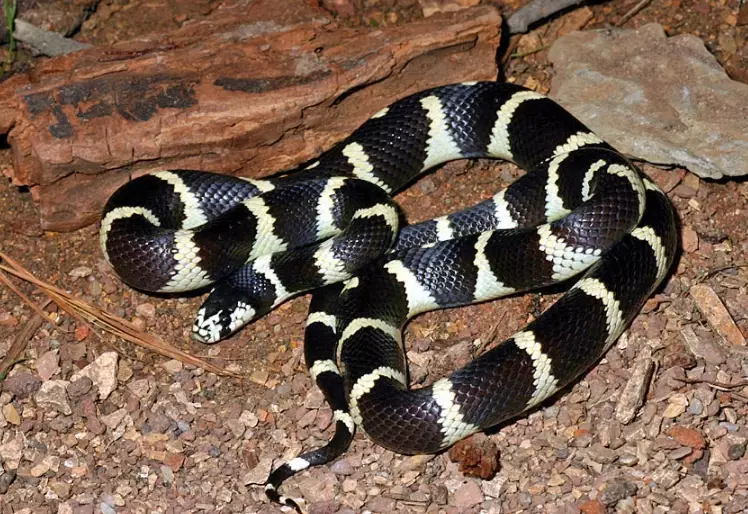
Compared to some other common beginner snakes (I'm looking at you, ball pythons with your hunger strikes), kingsnakes are predictable. They're active, curious, and seem genuinely interested in their surroundings when you take them out. That makes handling rewarding, not stressful.
They're Incredibly Hardy
This might be their biggest selling point. Remember how they're habitat generalists in the wild? That translates to being forgiving of minor husbandry mistakes in captivity. Temperature or humidity slightly off for a day? A California kingsnake is far less likely to develop a respiratory infection than a more delicate species.
They have robust digestive systems and are almost always ready to eat. I've never had one of my kingsnakes refuse a meal for no reason. This reliability is a massive relief for new owners who might panic if their pet goes off food.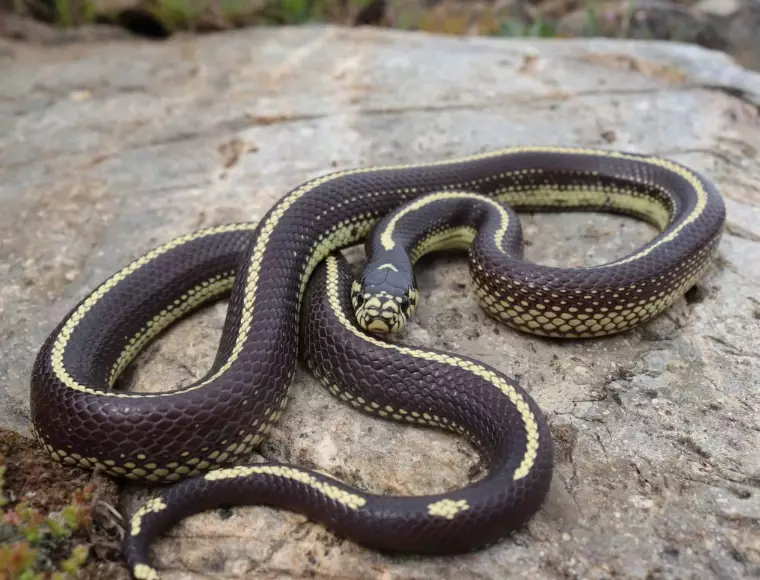
Simple Dietary Needs
No live food debates here. Captive-bred California kingsnakes do perfectly fine on a diet of frozen-thawed rodents. This is safer for the snake (no risk of injury from a prey fight) and more convenient (and less icky) for you. You can buy frozen mice in bulk online and store them in your freezer. A young snake eats a pinky mouse every 5-7 days, while a large adult might take a medium rat every 10-14 days.
Their strong feeding response means you rarely have to dance a mouse around for an hour to get them interested. Just thaw it, warm it up with warm water (never a microwave!), offer it with tongs, and 99 times out of 100, it's gone in seconds.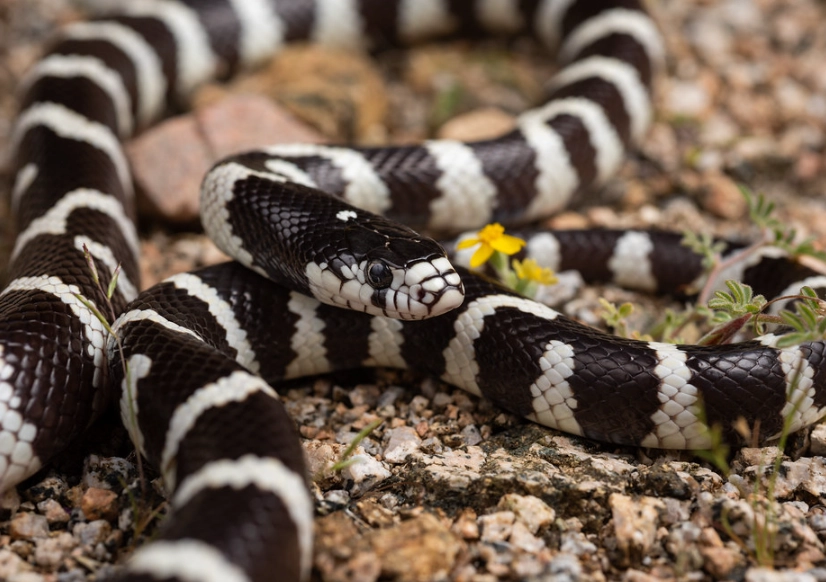
The Other Side of the Coin: Potential Drawbacks
It wouldn't be fair to paint a perfect picture. Here are some things you should be aware of before bringing a California kingsnake home.
They are escape artists. This is non-negotiable. A young California kingsnake can fit through a hole the size of a pencil eraser. They are strong, persistent, and clever when it comes to finding the tiniest gap in an enclosure lid. You must have a secure tank with locking clips or a front-opening terrarium with a solid lock. I learned this the hard way when my first snake pushed up a corner of a tank lid I thought was weighed down enough. Three panic-filled hours later, I found him coiled contentedly behind my bookshelf.
They can be musky. When frightened, especially as juveniles, they may release a musky scent from their cloaca as a defense mechanism. It's not pleasant, but it's not the end of the world. It washes off easily, and most snakes grow out of this habit with regular, gentle handling.
That strong feeding response can be a double-edged sword. Their enthusiasm for food means they might sometimes mistake your warm, moving hand for dinner. This results in a "food bite"—usually a quick strike and immediate release when they realize you're not a rodent. It startles you more than it hurts. The key is to develop a routine: never handle them when you smell like rodents, and use a snake hook or tap-train them to distinguish between handling time and feeding time.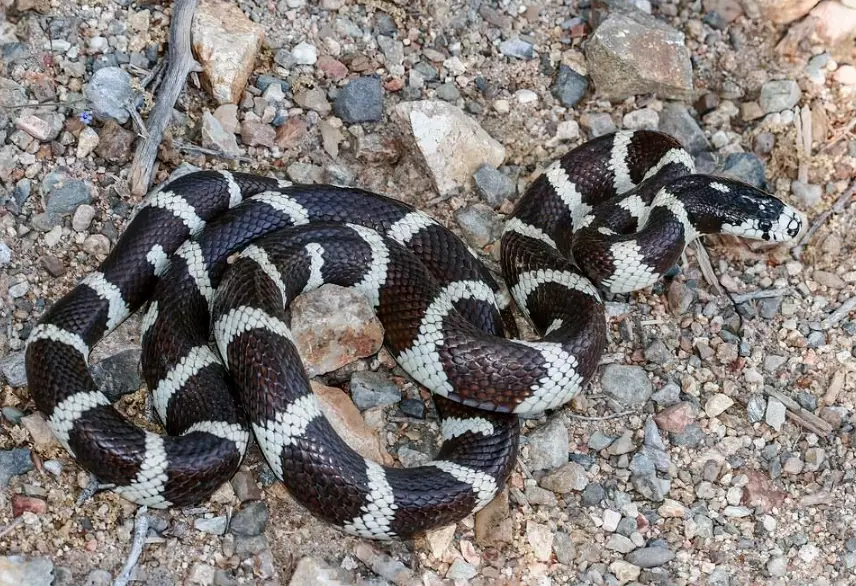
Choosing Your California Kingsnake: Wild Types vs. Captive-Bred Morphs
This is the fun part. Do you want the classic, elegant look of a wild-type banded king, or are you drawn to the dazzling colors of modern morphs? First, a critical rule: Always, always buy a captive-bred snake. Wild-caught snakes are often stressed, loaded with parasites, and less adaptable to captive life. They also make the wild populations suffer. Captive-bred snakes from reputable breeders are healthier, tamer, and ethically sound.
You can find California kingsnakes at reptile expos, from specialty online breeders, and sometimes at local pet stores (though do your research on the store's reputation).
Now, about those morphs. Selective breeding has created an incredible variety. Here's a quick look at some of the most popular and accessible California kingsnake morphs you might encounter.
| Morph Name | Description | Typical Price Range (USD) | Good for Beginners? |
|---|---|---|---|
| Normal / Wild Type | The classic black and white banding. Timeless and beautiful. | $50 - $150 | Excellent. Often the hardiest. |
| Albino | Lacks black pigment, resulting in bright yellow and white bands. One of the first morphs. | $100 - $250 | Yes. Just avoid bright lights as their eyes are light-sensitive. |
| Banana / Lavender Albino | A softer, more pastel version of albino with lavender and yellow hues. | $200 - $400 | Yes. |
| High White / Reverse Stripe | Selectively bred to have very wide white bands, sometimes almost eliminating the black. | $150 - $300 | Yes. |
| Blizzard | Completely patternless, appearing pure white or light pink as adults. | $250 - $500 | Yes, but their solid color can make seeing stuck shed or mites slightly harder. |
| Mosaic | A complex, broken pattern that looks like shattered glass. Each one is unique. | $300 - $600+ | Yes, but often pricier. |
When choosing, look for a snake with clear, bright eyes (unless it's in shed), smooth skin without retained shed, no signs of mites (tiny black/red dots moving around), and a well-rounded body (not bony, but not bulging oddly). It should be alert and curious, not lethargic.
Setting Up the Perfect Home: The California Kingsnake Enclosure
You don't need a palace, but you do need a secure, appropriately sized, and properly equipped habitat. Here's your shopping list and setup guide.
The Enclosure (Terrarium/Vivarium)
- Hatchlings/Juveniles: A 10-gallon or 20-gallon long tank is fine to start. But remember, they grow fast. You'll need to upgrade.
- Adult California Kingsnake: This is where opinions vary. The absolute minimum for an adult is a 40-gallon breeder tank (36"x18"). But honestly? Go bigger if you can. A 4-foot long enclosure (like a 120-gallon or a custom PVC cage) is fantastic. They will use the space. PVC cages are great because they hold heat and humidity better than glass and are more escape-proof.
- SECURITY: Locking screen clips for glass tanks or a front-opening terrarium with a physical lock is mandatory. No exceptions.
Heating and Lighting
California kingsnakes need a thermal gradient—a warm side and a cool side so they can regulate their body temperature.
- Warm Side: 84-88°F (29-31°C). Achieve this with an under-tank heating pad placed under one side of the tank, controlled by a reliable thermostat. This is non-negotiable—an unregulated heat mat can cause severe burns.
- Cool Side: 75-78°F (24-26°C).
- Lighting: They don't require special UVB lighting like some reptiles, but providing a low-level UVB light (like a 5.0 or ShadeDweller) for a 12-hour day/night cycle can be beneficial for their overall health and circadian rhythm. At the very least, keep them in a room with a natural day/night cycle.
- Night: Temperatures can drop to the low 70s. No colored "night" bulbs are needed; they can see red/blue light.
Substrate (Bedding)
Choose something that holds a bit of humidity, is digestible if accidentally ingested (it happens), and is easy to spot-clean.
- Best Options: Aspen shavings (my personal go-to), cypress mulch, or coconut husk fiber. Aspen is cheap, absorbent, and allows them to burrow, which they love.
- Avoid: Cedar or pine shavings (toxic oils), sand, gravel, or straight newspaper (too boring and doesn't hold humidity).
Hides, Water, and Decor
- Hides: At least TWO. One on the warm end, one on the cool end. They should be snug—the snake should touch the sides when coiled inside. This makes them feel secure. You can use commercial reptile hides, upside-down flower pots with a door chipped out, or even sturdy cardboard boxes (replace when soiled).
- Water Bowl: Large enough for the snake to soak in if it wants, heavy enough not to tip over. Place it on the cool side. Change water daily.
- Clutter: Add fake plants, branches, cork bark tubes, and rocks (secured so they can't fall). This provides enrichment, exercise, and makes the snake feel less exposed.
Daily, Weekly, and Monthly Care Routine
Once set up, the daily grind is simple.
- Daily: Check temperatures with a digital thermometer (not the stick-on kind!). Check that the snake is in its hide, not trying to escape. Spot-clean any visible waste. Refresh water.
- Weekly: Feed your snake (schedule based on its age/size). Do a more thorough clean of the water bowl and any soiled decor.
- Monthly: Do a full substrate change and disinfect the enclosure with a reptile-safe cleaner (like a diluted F10 solution or vinegar). This is when you give everything a good scrub.
Feeding Your California Kingsnake: A Simple Guide
Feeding is straightforward. Use frozen-thawed rodents of appropriate size. The prey item should be about the same width as the snake's body at its widest point.
- Hatchlings: Pinky mouse every 5-6 days.
- Juveniles: Fuzzy or hopper mouse every 7 days.
- Sub-Adults: Small adult mouse every 7-10 days.
- Large Adults: Medium rat or 2-3 large mice every 10-14 days.
Always use feeding tongs. Some people practice "tap training"—gently tapping the snake with a paper towel roll or hook before handling, and only opening the cage without tapping to feed. This helps them learn the difference.
Handling and Bonding (Yes, Bonding)
Snakes don't "love" you like a dog, but they can learn to recognize you as a safe, non-threatening part of their environment. Start handling sessions short (5-10 minutes) a couple of days after your new snake has eaten its first meal with you. Be confident and gentle. Support its body fully. Let it move through your hands. If it seems stressed (hissing, rapid tail vibration, musking), put it back and try again in a few days. Consistency is key.
Soon, you'll have a calm, curious companion to hang out with while you watch TV. It's a unique and peaceful kind of pet interaction.
Common Health Issues to Watch For
Even hardy snakes can get sick. Here are the main things to watch for:
- Mites: Tiny black or red parasites crawling on the snake or in the water bowl. Treat immediately with a reptile-safe mite spray and deep-clean the entire enclosure. Quarantine new snakes for at least a month to prevent this.
- Respiratory Infection (RI): Wheezing, bubbles in mouth/nose, mucus, open-mouth breathing. Usually caused by low temperatures or high humidity. See a vet.
- Stuck Shed: Incomplete sheds, especially around the eyes ("eye caps"). Caused by low humidity. Provide a humid hide (a hide box filled with damp sphagnum moss) during shed cycles.
- Scale Rot: Blister-like lesions or discolored scales on the belly. Caused by a wet, dirty substrate. Keep the substrate dry and clean.
Find a good exotic veterinarian who sees reptiles before you have an emergency. The Association of Reptilian and Amphibian Veterinarians (ARAV) has a find-a-vet tool on their website—a fantastic resource.
Frequently Asked Questions (FAQs)
Final Thoughts: Is the California Kingsnake Right for You?
If you're looking for a low-maintenance, fascinating, and beautiful pet that doesn't need walking or constant attention, a California kingsnake is a phenomenal choice. It teaches you the fundamentals of reptile care without the extreme sensitivities of some other species.
My advice? Go to a reptile expo. See them in person. Talk to breeders. Ask to hold one. Feel how strong and curious they are. If the idea of a long-lived, escape-proof, feeding-enthusiast companion appeals to you, then you might just have found your perfect snake.
Just remember the secure lid. Seriously. Don't be like past me.
Reader Comments