That first picture of a Harlequin crested gecko baby gets you. The wild, broken pattern of color, those big satellite-dish eyes. You want one. I did too, over a decade ago. I bought a stunning little guy, set up what I thought was a perfect tank, and then spent weeks worrying over every little thing. Was he eating? Was that spot on his side normal? This guide is what I wish I'd had back then—not just a list of requirements, but the context, the little secrets, and the honest truths about caring for these tiny, patterned jewels.
Let's be clear from the start: a baby crested gecko is not a toy. It's a fragile, live animal that depends entirely on your choices. A Harlequin baby has the same basic needs as any other crested gecko, but its value (both monetary and emotional) often makes new owners extra nervous. That's good. A little healthy fear keeps you researching.
What's Inside This Guide?
What is a Harlequin Crested Gecko? (Beyond the Pretty Pattern)
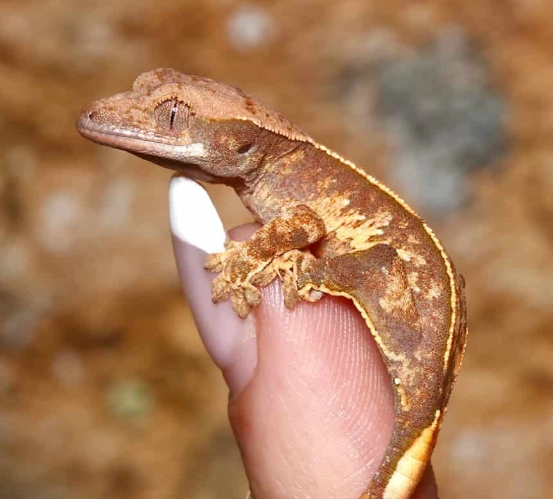
A "Harlequin" is a specific pattern morph of the crested gecko (Correlophus ciliatus). It's not a separate species. The key identifier is color on the sides and legs. While a standard crested gecko might have a dorsal pattern (on its back) and plain-colored sides, a Harlequin has distinct, often irregular patches or stripes of a secondary color (like orange, red, or yellow) running along its flanks and down its limbs. The pattern should look broken or "painted on," not like a solid line.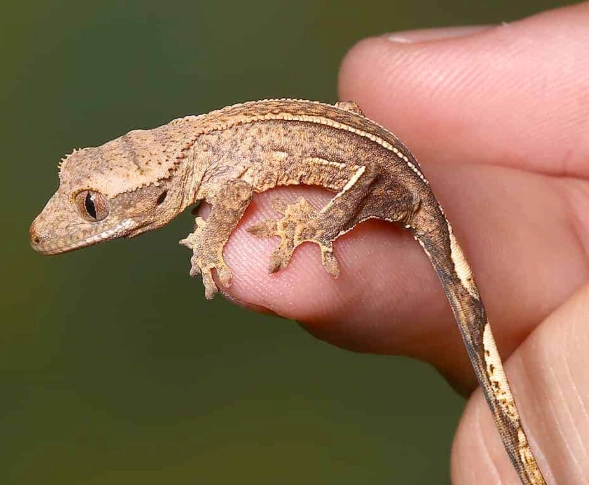
There's a spectrum. A "low-expression" Harlequin might have just a few flecks on the legs. A "high-expression" or "super" Harlequin can be almost entirely covered in a kaleidoscope of color. This is where price jumps. A baby with minimal side patterning might cost $100, while an extreme Super Harlequin from proven lineage can run $500 or more.
Here's the non-consensus bit everyone misses: Pattern changes. Drastically. That stunning, high-contrast baby can sometimes "wash out" or blend as it grows into its adult colors. Conversely, a bland-looking baby can develop incredible color. Buying based solely on baby pictures is a gamble. If pattern stability is crucial, ask the breeder for pictures of the parents. Genetics are your best clue.
How to Set Up the Perfect Tank for a Baby Crested Gecko
Think vertical. Crested geckos are arboreal—they live in trees. A tall tank is non-negotiable. For a single baby, a 12"x12"x18" tall glass terrarium is the perfect starter home. It's cozy, easy to heat and humidify, and lets you monitor the gecko closely.
The Three Pillars of the Setup
1. Substrate (Flooring): For babies, keep it simple and safe. Use paper towel, reptile carpet, or slate tile for at least the first 6-12 months. It's sterile, prevents accidental ingestion (impaction), and makes spot-cleaning poop a breeze. Loose substrates like coconut fiber can wait until your gecko is a robust juvenile.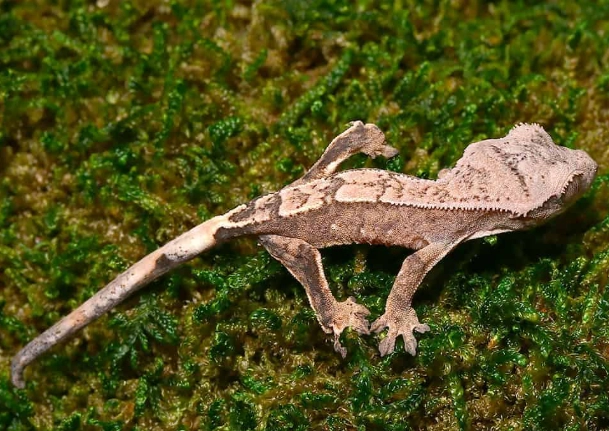
2. Climbing & Hiding: Fill the vertical space. Use a mix of:
- Branches & Vines: Create highways across the tank.
- Foliage: Fake or live plants (like Pothos or Snake Plants) provide cover and humidity.
- Cork Tubes & Flats: Essential. These are their favorite hiding spots. A baby should have at least 2-3 snug hiding places at different heights.
If the tank looks empty, add more stuff. They feel secure when they can move without being seen.
3. Heating & Lighting: Crested geckos are comfortable at normal room temperatures (68-78°F / 20-25.5°C). Do not use a heat lamp directly over a small baby tank—it can cook them. If your room drops below 65°F at night, use a low-wattage ceramic heat emitter or an under-tank heater on a thermostat on one side of the tank. No special UVB light is strictly necessary if you use a complete diet powder with Vitamin D3, but many experts, including vets from the Association of Reptilian and Amphibian Veterinarians (ARAV), now recommend low-level UVB for long-term health. A 5.0 UVB compact bulb is a safe addition.
Humidity: The Daily Ritual
Spray the tank heavily with dechlorinated water once in the evening. You want droplets on the leaves and glass for them to drink。
Feeding Your Harlequin Crested Gecko Baby
This is where most new owners get it wrong. The foundation of a baby's diet is not live insects. It's a commercially prepared, powdered Crested Gecko Diet (CGD). Brands like Repashy, Pangea, or Lugarti are complete foods—they have all the vitamins, minerals, and protein your growing gecko needs.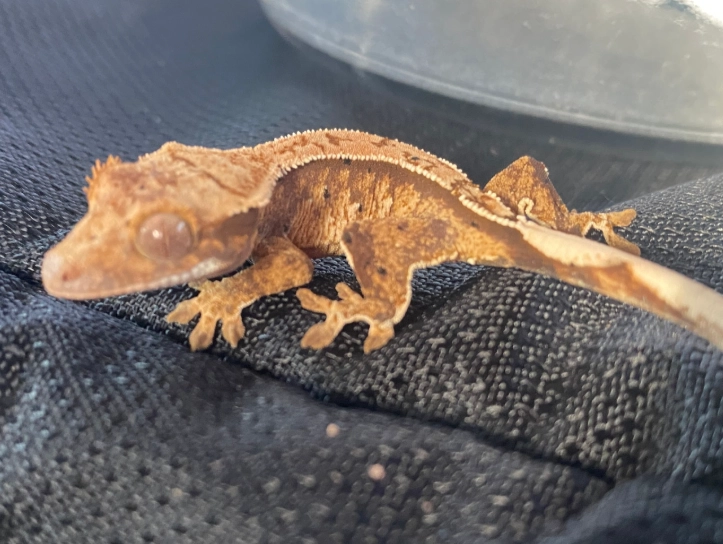
| Food Type | How Often? | Notes |
|---|---|---|
| Commercial CGD Powder | Every single night. | Mix to a ketchup-like consistency. Offer in a shallow dish placed off the ground. |
| Live Insects (Gut-loaded) | 2-3 times a week. | Small crickets, dubia roach nymphs. No bigger than space between gecko's eyes. |
| Calcium/Vitamin Dust | On insects only. | Use calcium without D3 if using UVB light. Use calcium with D3 if no UVB. |
I made the insect mistake. I was so proud watching my gecko hunt pinhead crickets that I slacked on the CGD. Within a month, his growth slowed. CGD is non-negotiable. Insects are a supplement, a treat, and enrichment.
Offer fresh food every evening. Remove uneaten food and clean the dish every morning. This prevents bacterial growth.
Handling, Health Checks, and Avoiding Tail Loss
Give them time. Don't handle your new baby for at least two weeks. Let it settle in, learn where food and water are, and de-stress. After that, start with short, 5-minute sessions a few times a week. Scoop from below—never grab from above like a predator.
Crested geckos can drop their tails as a defense mechanism. It doesn't grow back. A tailless gecko is perfectly healthy (it's called a "frogbutt"), but it's a sign of past stress. To prevent it: move slowly, support the whole body, and never hold them by the tail.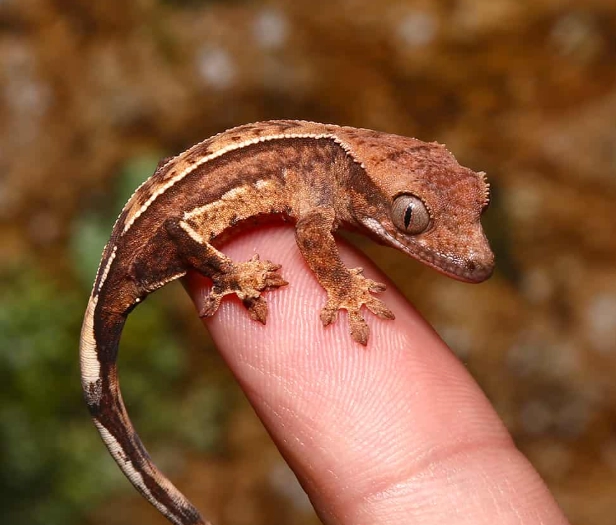
Weekly Health Check
- Eyes: Should be clear, bright, and not sunken.
- Body: Feel for a plump base of the tail and a rounded belly. Ribs should not be visible.
- Skin: Should shed in one complete piece. Stuck shed, especially on toes, is an emergency—it can cut off circulation.
- Activity: Should be alert at night. Lethargy during the day is normal; lethargy at night is a red flag.
The most common serious health issue is Metabolic Bone Disease (MBD), caused by incorrect calcium balance. Signs include a wobbly gait, a soft or crooked jaw, and tremors. It's entirely preventable with proper CGD and supplementation.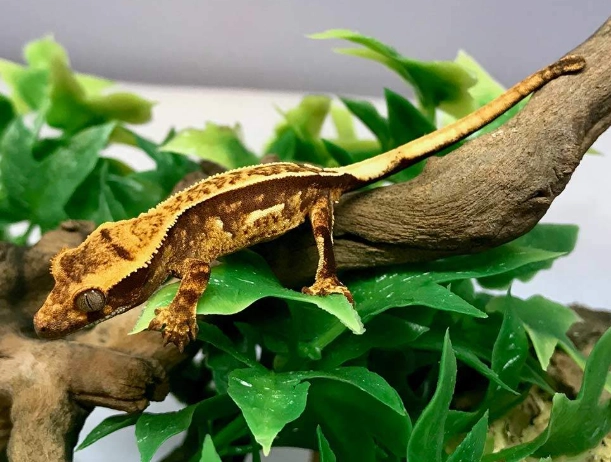
Buying a Harlequin Crested Gecko Baby: A Step-by-Step Checklist
- Source: Reputable breeder > pet store. Breeders know genetics and health history.
- Age: Aim for 2-3 months old, well-started on CGD.
- Visual Check: Active, clear eyes, full tail, no stuck shed, clean vent.
- Ask Questions: "What are you feeding it?" "Can I see pictures of the parents?" "What is its hatch date?"
- Quarantine: If you have other reptiles, keep the new baby in a separate room for 90 days.
Your Questions, Answered
My first Harlequin baby, Pixel, is now a grumpy, beautiful 10-year-old adult. He survived my early mistakes. Your care doesn't have to be perfect, but it does need to be informed and consistent. Focus on the fundamentals—the right tank, the right food, and a gentle hand. Do that, and you'll have a fascinating, living piece of art for many years to come.
Reader Comments