What You'll Learn in This Guide
I still remember the panic when my first crested gecko, Ziggy, stopped eating. The enclosure felt fine to me, but a thermometer told a different story—it was hovering at 68°F, too cold for his liking. That was my wake-up call. Temperature isn't just a detail; it's the backbone of crested gecko care.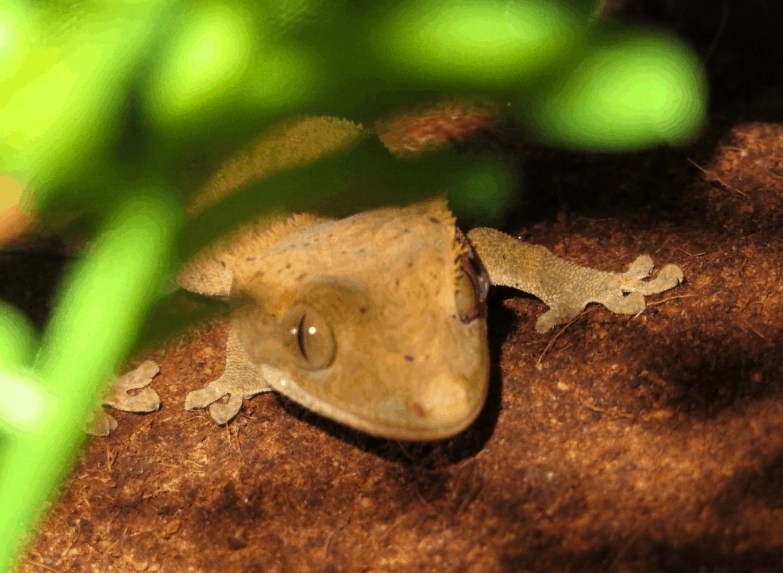
These New Caledonian natives are hardy, but they have specific needs. Get the temperature wrong, and you'll see it in their behavior and health. This guide cuts through the noise to give you practical, actionable advice based on my years of keeping and breeding crested geckos. Let's get started.
Why Temperature is Non-Negotiable for Crested Geckos
Crested geckos are ectotherms. They don't generate their own body heat like mammals do. Instead, they rely on their environment to warm up or cool down. In the wild, they move between sunny spots and shaded areas to regulate their temperature. In captivity, we have to recreate that gradient.
Too cold, and their metabolism slows to a crawl. Digestion stalls, they become lethargic, and respiratory infections can set in. I've seen geckos in cold setups that barely move, mistaking it for calmness when it's actually distress.
Too hot, and it's worse. Above 85°F, they risk fatal overheating. They might pant, hide constantly, or even drop their tail from stress. One breeder I know lost a gecko because a heat mat malfunctioned overnight—no thermostat, no backup.
The kicker? Many new owners think "room temperature" is enough. But room temperature varies. My home office drops to 64°F in winter, which is a no-go for crested geckos. You need to be intentional about it.
The Goldilocks Zone: Ideal Temperature Ranges
Here's the nitty-gritty. Crested geckos thrive in a narrow band of temperatures. Stray outside it, and problems arise.
Daytime Temperatures: Aim for 72°F to 80°F (22°C to 27°C). This is the sweet spot where they're active, hunting for food, and digesting properly. I keep mine at 75°F during the day, and they're lively without being stressed.
Nighttime Temperatures: Let it drop slightly to 65°F to 75°F (18°C to 24°C). This mimics natural cycles and helps them rest. Some sources say down to 60°F is okay, but I'm cautious—below 65°F, I've noticed reduced appetite.
Why the drop? In New Caledonia, nights are cooler. Crested geckos have evolved to handle it, and a dip can even stimulate breeding behavior. I use a simple timer on my heating setup to automate this.
Daytime vs. Nighttime: A Practical Breakdown
Don't just set and forget. Monitor both periods. During the day, I check that the warm side hits at least 72°F. At night, I ensure it doesn't fall below 65°F. A digital thermometer with memory helps track fluctuations.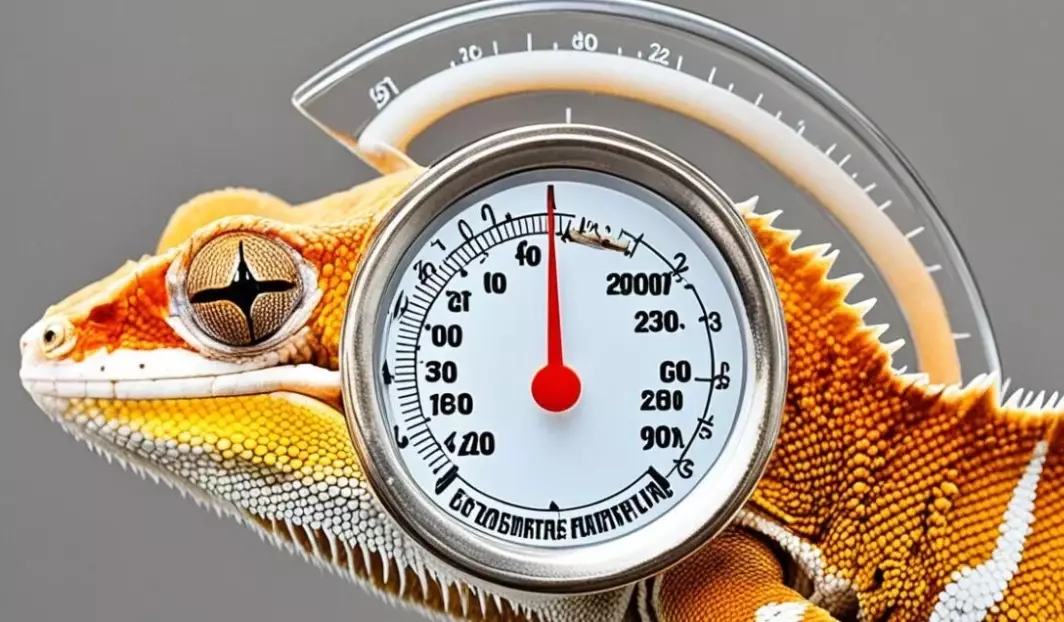
Seasonal changes matter too. In winter, some breeders simulate a "cooling period" by lowering temperatures to 70°F daytime and 65°F nighttime for a few weeks. It can encourage breeding later. For pet owners, though, consistency is key unless you're diving into breeding projects.
My rule: stick to the core ranges. If your home is drafty, insulate the enclosure with foam panels—a cheap fix I learned from a reptile forum.
Setting Up Your Heating System: A Step-by-Step Guide
Setting up heating isn't hard, but it requires thought. Here's how I do it, step by step.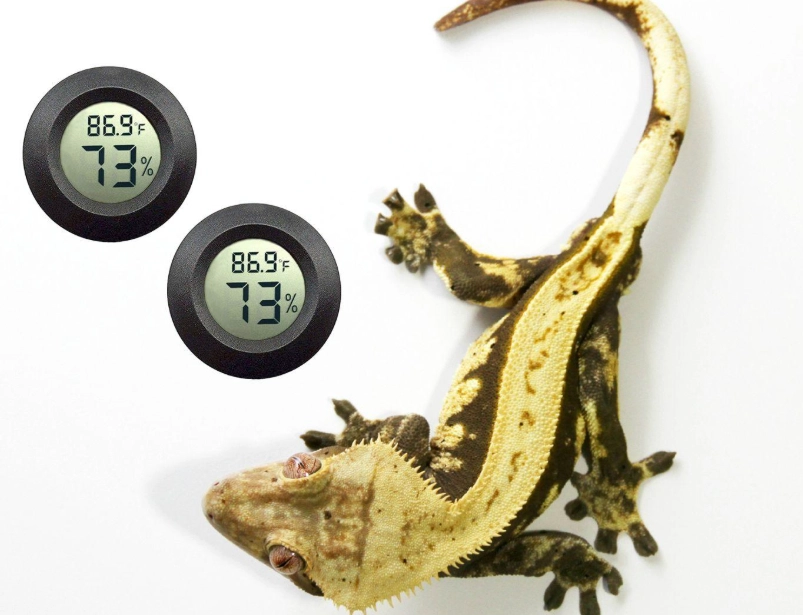
First, choose your heat source. You have options, but not all are equal.
- Heat Mats: Placed under the tank. They're cheap and easy, but they only heat the surface, not the air. I used one for a small enclosure, but it created a hot spot that scared my gecko away.
- Ceramic Heat Emitters (CHEs): These screw into a lamp fixture and emit heat without light. Perfect for 24/7 use. I switched to a 50-watt CHE, and it maintains a steady 75°F without drying out the enclosure.
- Incandescent Bulbs: They provide heat and light, but crested geckos are nocturnal—bright light stresses them out. I avoid these unless you're using a low-wattage red bulb for minimal disruption.
Here's a comparison table to help you decide:
| Heat Source | Pros | Cons | My Recommendation |
|---|---|---|---|
| Heat Mat | Low cost, easy to install | Poor air heating, risk of burns | Only for small tanks with a thermostat |
| Ceramic Heat Emitter | No light, consistent heat, safe | Requires a fixture, can be pricey | Best for most setups |
| Incandescent Bulb | Dual purpose | Too bright, can overheat quickly | Avoid unless for daytime ambience |
Next, the thermostat. This is non-negotiable. A thermostat controls the heat source to prevent spikes. Without it, you're playing with fire—literally. I use a digital thermostat with a probe placed in the middle of the enclosure. Set it to your desired temperature, and it'll turn the heat on and off automatically.
Installation tips: Place the heat source on one side of the enclosure to create a gradient. The warm side should be around 75-80°F, the cool side 70-75°F. Use a thermometer on both ends to verify. I made the mistake of centering my CHE once, and the whole tank got too warm.
For nighttime drops, use a thermostat with dual settings or a simple timer. I have my CHE connected to a timer that lowers the temperature to 70°F at night. It's seamless and mimics nature.
Common Pitfalls and How to Dodge Them
We all mess up. Here are common mistakes I've seen—and made—so you can avoid them.
Pitfall 1: Relying on Room Temperature. Your home's thermostat isn't for your gecko. Measure inside the enclosure, not the room. In summer, my living room hits 78°F, but the tank near a window was 85°F due to sunlight. Always use an enclosure thermometer.
Pitfall 2: Overheating with Direct Heat. Placing a heat source too close creates dangerous hot spots. Crested geckos need escape routes. Keep heat lamps or CHEs at least 6 inches above the tank, and use a guard if needed. I learned this after a gecko got a mild burn from a too-close heat mat.
Pitfall 3: Ignoring Humidity-Temperature Link. High heat with high humidity feels suffocating. Aim for 50-70% humidity. If your heating dries out the air, add a humidifier or mist more often. I use a CHE with a water bowl underneath to balance it out.
Pitfall 4: Skipping the Thermostat. I can't stress this enough. A $30 thermostat saved my geckos from a heat mat malfunction. It's the best investment you'll make.
One more: assuming all geckos are the same. Juveniles might prefer slightly warmer spots, while adults tolerate cooler areas. Observe your pet—if they're always on the cool side, maybe it's too hot.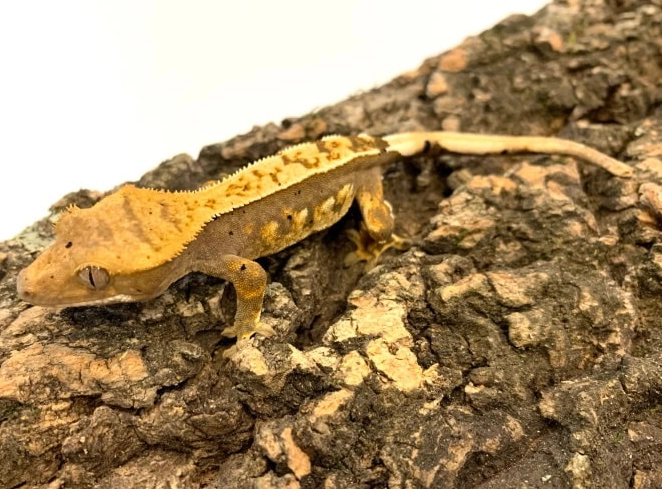
Tools of the Trade: Monitoring Temperature Effectively
You need the right tools to keep temperatures in check. Here's what I use daily.
Digital Thermometers: Get two—one for the warm side, one for the cool side. Analog ones are often inaccurate. I use cheap digital ones from Amazon, and they're reliable. Place them at gecko level, not up high.
Thermometer-Hygrometer Combos: These measure both temperature and humidity. I have one in the middle of the enclosure for an average reading. Look for models with remote sensors so you can check without opening the tank.
Infrared Thermometers: Great for spot-checking surfaces. I use mine to ensure no areas near the heat source exceed 85°F. It's also handy for checking substrate temperature.
Monitoring schedule: Check temperatures at least twice a day—morning and evening. When you first set up, check every few hours. I log readings in a notebook for the first week to catch patterns.
Pro tip: Don't rely on your hand to gauge temperature. Our skin is poor at detecting subtle changes. A thermometer is your best friend.
FAQ: Crested Gecko Temperature Queries Solved
Temperature management is a skill that improves with practice. Start with the basics: a good heat source, a thermostat, and regular monitoring. Your crested gecko will thank you with vibrant health and activity.
If you're ever unsure, consult a reptile vet or trusted breeder. But with this guide, you have the tools to create a safe, comfortable environment. Remember, every gecko is unique—observe, adjust, and enjoy the journey of caring for these fascinating creatures.
Reader Comments