If you've ever cared for a pet leopard gecko, you know they can be companions for 15, even 20 years. It's a remarkable lifespan for a small reptile. But that number creates a massive misconception. Ask anyone how long their wild cousins live, and you'll often get a guess that's wildly optimistic. The reality of a leopard gecko lifespan in the wild is a stark, brutal lesson in survival odds. It's not about years marked by birthdays, but by seasons survived.
I've kept and studied these animals for a long time, and the gap between captive and wild longevity still shocks me. We see the robust, long-lived pet and project that onto the wild animal. It's a complete misreading of their natural history. The wild lifespan is a story of constant pressure, where reaching old age is a rare triumph against a stacked deck.
What's Inside: A Quick Guide
- The Numbers Don't Lie: Average vs. Maximum Lifespan
- Why Do Wild Leopard Geckos Have Shorter Lives?
- How Specific Habitat Features Dictate Survival
- The Predator's Menu: Who's Trying to Eat Them
- Side-by-Side: The Staggering Gap Between Wild and Captive Life
- Are They Endangered? The Conservation Reality
- Straight Answers to Your Burning Questions
The Numbers Don't Lie: Average vs. Maximum Lifespan
Let's cut to the chase. In the rocky, arid foothills of Afghanistan, Pakistan, and parts of India, a leopard gecko doing exceptionally well might live 8 to 10 years. That's the upper ceiling for a true veteran.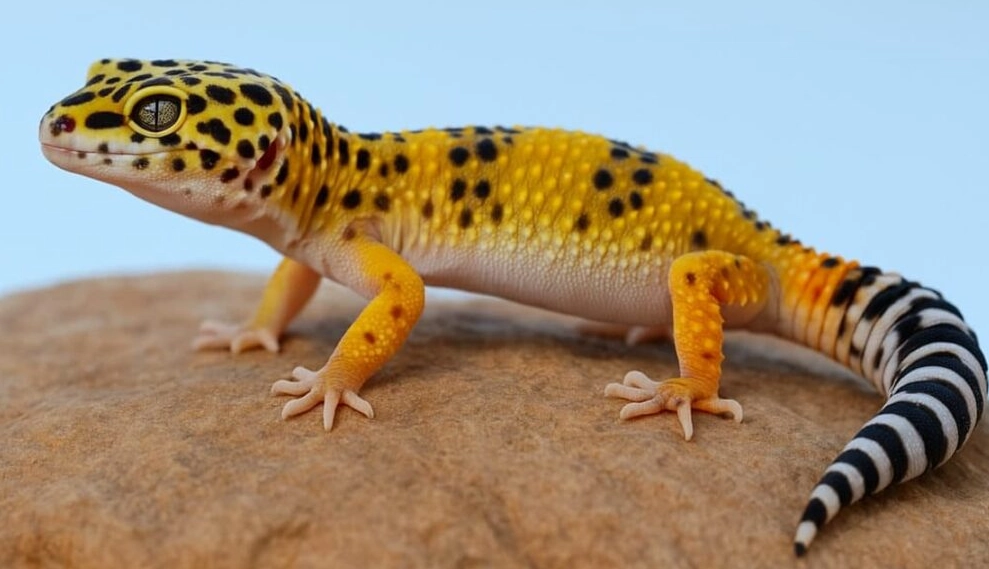
The average lifespan in the wild? It's brutally lower. Most credible field observations and ecological models suggest an average of 3 to 6 years. And that's for the ones that make it out of the juvenile stage.
The first year is a massive filter. Hatchlings, barely two inches long, are vulnerable to everything. Their survival rate is incredibly low. If a clutch of two eggs hatches, odds are high that neither will see its first birthday. This high infant mortality drastically pulls down the overall average lifespan. So when we talk about a "wild lifespan," we're often talking about the lucky few, not the typical experience.
Key Insight: The "maximum reported lifespan" you might find in old scientific papers (sometimes citing 8-10 years) is like citing the oldest human who ever lived. It's biologically possible but statistically irrelevant for understanding the daily reality of the species. The average tells the real story of pressure and risk.
Why Do Wild Leopard Geckos Have Shorter Lives?
It's not one thing. It's a perfect storm of challenges that start the moment they hatch. A pet gecko's life is defined by absence—the absence of threats. A wild gecko's life is defined by their constant presence.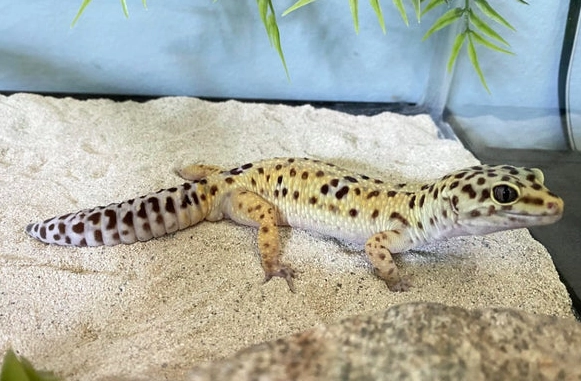
The Big Three Lifespan Shorteners
1. Predation is Job One. Every single day, a wild leopard gecko's primary objective is to not be eaten. It's not looking for the perfect mealworm; it's trying to be invisible. From birds of prey like hawks and owls during the day to snakes, larger lizards, foxes, and even large invertebrates like scorpions at night, the list of predators is long. There is no "safe" terrarium hide. Every foray for food or a mate is a calculated risk.
2. Disease and Parasites. In the wild, there's no vet. A heavy load of internal parasites (nematodes, cestodes) can sap energy and nutrients, making a gecko sluggish and an easy target. Bacterial infections from minor injuries can turn septic. These are chronic, background stressors that weaken an animal over time, making it less likely to survive the next drought or harsh winter.
3. Environmental Extremes and Food Scarcity. Their habitat isn't a consistently 88°F hot spot with a 75°F cool side. It's searing heat followed by cold nights. It's monsoon rains followed by prolonged drought. During a drought, insect populations crash. A gecko can go weeks with little to eat, burning through its fat reserves stored in its tail. A gecko entering the winter brumation period with a thin tail has poor odds of waking up. Starvation is a direct cause of death, but more often, it's the indirect cause—a hungry gecko takes more risks, ventures out in suboptimal conditions, and gets picked off.
How Specific Habitat Features Dictate Survival
This isn't abstract. Lifespan varies within the wild population based on micro-habitat quality. A gecko living in a fragmented, overgrazed rocky slope near human settlement has a fundamentally different life expectancy than one in a pristine, complex scree field.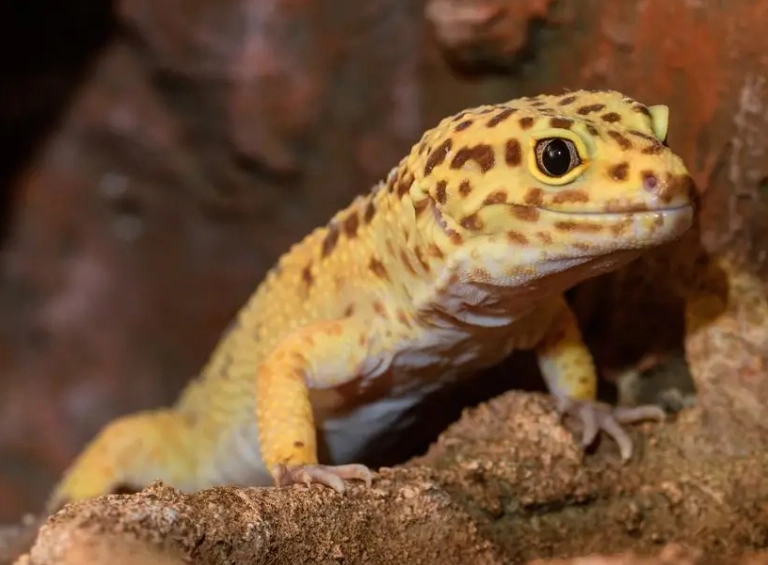
The ideal home range offers:
Complexity: Deep, interconnected fissures in rocks and abandoned rodent burrows. These provide escape routes from predators, stable temperatures for thermoregulation, and safe humid micro-sites for shedding.
Resource Density: Proximity to areas where insects congregate—near sparse vegetation, around moisture seepage, or in areas with loose soil where beetles and larvae are abundant. Less distance to travel for food means less exposure.
I recall reading a field study note (I wish I could find it again) that suggested geckos occupying old, stable rodent complexes seemed to live longer and produce more offspring. It makes sense. A pre-engineered, deep burrow system is a luxury apartment compared to a shallow rock crevice.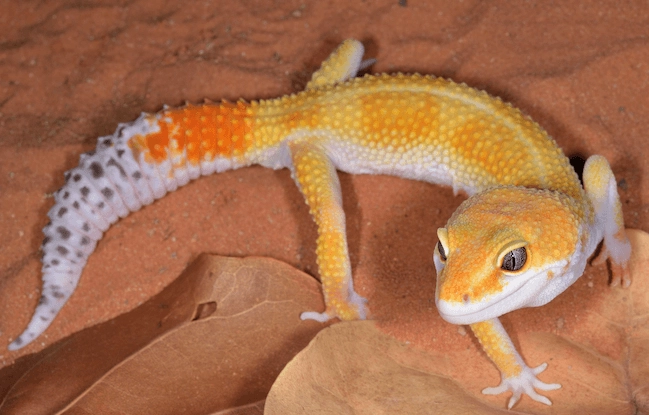
The Predator's Menu: Who's Trying to Eat Them
To understand their lifespan, you need to know their enemies. This isn't an exhaustive list, but the usual suspects:
- Diurnal Raptors: Various hawks and falcons. A gecko basking too conspicuously or caught out in the open is a quick snack.
- Owls: The primary nocturnal threat. Their silent flight is a nightmare for a gecko out hunting.
- Snakes: Both diurnal and nocturnal species, like rat snakes and cat snakes, are expert at probing crevices.
- Larger Lizards: Monitor lizards, though not always in direct range, are a formidable threat.
- Mammals: Foxes, jackals, wild cats, and even hedgehogs will opportunistically take a gecko.
- Arachnids: Large wolf spiders and scorpions can prey on hatchlings and juveniles.
Survival isn't about winning a fight; it's about never being seen. Their primary defense is their cryptic coloration and an incredible ability to flatten themselves against rocks, becoming nearly invisible.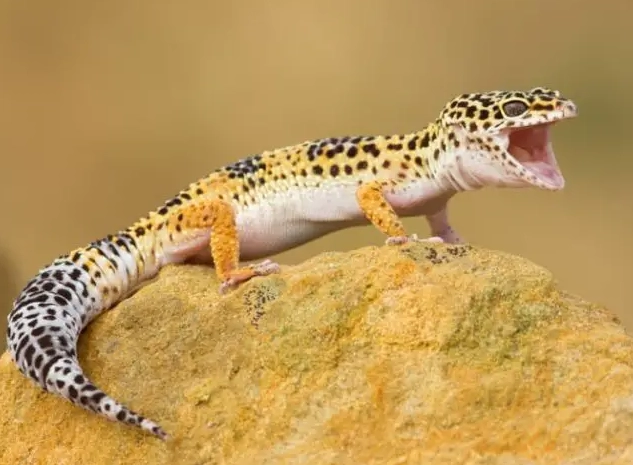
Side-by-Side: The Staggering Gap Between Wild and Captive Life
This table highlights why comparing the two is almost comparing different animals. The "species" is the same, but the life experience is worlds apart.
| Factor | Wild Leopard Gecko | Captive Leopard Gecko |
|---|---|---|
| Average Lifespan | 3-6 years | 15-20 years |
| Primary Cause of Death | Predation, starvation, exposure | Age-related illness, improper care (e.g., metabolic bone disease) |
| Food Security | Unpredictable, seasonal scarcity | Regular, nutrient-fortified meals |
| Medical Care | None; parasites/disease are chronic | Veterinary treatment available |
| Environmental Control | Exposed to droughts, floods, extreme temps | Stable, optimized temperature & humidity gradient |
| Predator Stress | Constant, life-threatening pressure | None |
| Reproductive Cost | High; egg-laying depletes female resources in harsh conditions | Managed; females are often retired from breeding, given supplements |
See the difference? Captivity removes the vast majority of mortality factors. We don't just extend their life; we create an entirely different demographic reality for the species. This is a crucial point for pet owners to grasp—your care is the only reason your gecko will live a long life.
Are They Endangered? The Conservation Reality
Given their tough life, you might think they're struggling as a species. Interestingly, the International Union for Conservation of Nature (IUCN) Red List currently classifies the common leopard gecko (Eublepharis macularius) as "Least Concern." Their populations in their native range are still considered relatively stable and widespread.
However, "Least Concern" doesn't mean no concern. The major threats aren't to the species' immediate survival but to local populations and their genetic integrity. These include:
- Habitat Degradation: From agriculture, overgrazing, and development.
- The Pet Trade: While most pet geckos are now captive-bred, historical and some ongoing collection from the wild for the trade has impacted specific local populations.
- Climate Change: Shifting rainfall patterns and increased frequency of extreme weather events could disrupt the delicate balance of their arid ecosystems.
Supporting captive breeding isn't just good for pet owners; it's a direct conservation action that reduces pressure on wild populations.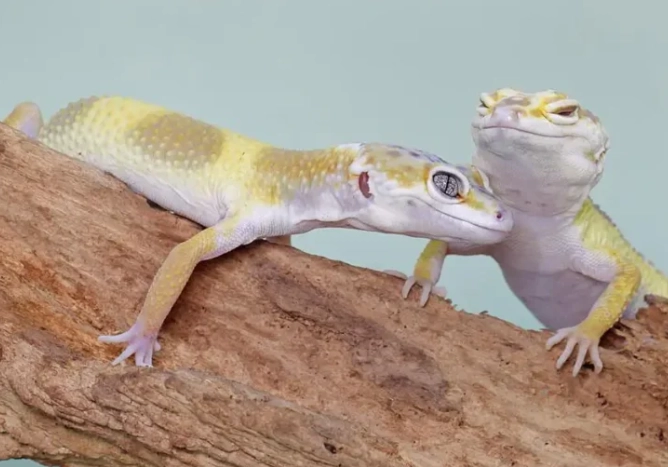
Straight Answers to Your Burning Questions
So, the next time you see your pet leopard gecko lounging contentedly under its heat lamp, remember the alternate reality. Its wild counterparts are living a life measured not in decades, but in successful escapes, survived winters, and lucky finds. Their shorter lifespan in the wild isn't a failure; it's the intense, unforgiving context of nature. Understanding this doesn't diminish the wonder of the wild animal; it deepens our respect for its resilience and clarifies our responsibility to the ones in our care. We're not just keeping a pet; we're offering a sanctuary from a world where making it to age five is a remarkable achievement.
Reader Comments