Jump Straight to What Matters
Let's cut to the chase. If you're asking how many types of tarantulas there are, you probably want a straight answer, not a vague science lecture. Here it is: scientists estimate there are over 1,000 described species of tarantulas, with more lurking in rainforests and deserts, waiting to be found. But that number is just the tip of the iceberg—it's like counting stars in a cloudy sky. I've been keeping tarantulas for over a decade, and even I get surprised by new discoveries. This guide will break down the diversity, from taxonomy to pet choices, without the fluff.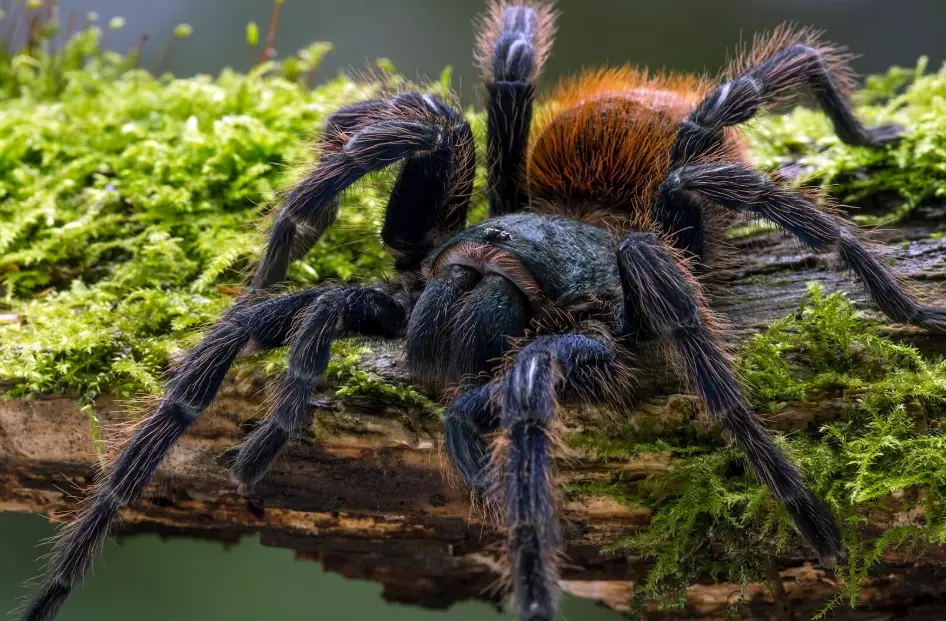
What Makes a Tarantula Species Anyway?
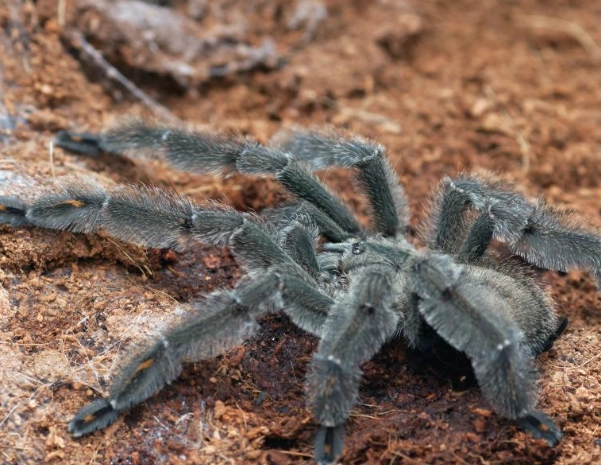
Before diving into counts, we need to understand what defines a tarantula species. It's not just about color or size; taxonomists look at things like leg morphology, hair patterns, and genetic markers. The primary family is Theraphosidae, but there are others like Dipluridae. According to resources like the World Spider Catalog, classification relies on peer-reviewed research from institutions such as the American Museum of Natural History. A common mistake? Assuming all big, hairy spiders are tarantulas—some are just look-alikes. I once misidentified a specimen because I focused on its burrow shape, not its chelicerae. Lesson learned.
The Hard Numbers: How Many Tarantula Species Exist?
So, how many exactly? As of recent updates, the World Spider Catalog lists around 1,010 described species within the Theraphosidae family alone. But that's just described species—experts believe hundreds more remain undocumented, especially in biodiverse regions like the Amazon or Southeast Asia. A study published in the Journal of Arachnology suggests the total could exceed 1,500 if we include all potential species. Here's a breakdown by region:
| Region | Estimated Species | Notes |
|---|---|---|
| Americas (New World) | ~600 | Includes popular pets like Mexican Redknee |
| Africa & Middle East (Old World) | ~300 | Often more aggressive, fewer kept as pets |
| Asia & Australia | ~200 | Many arboreal species, less studied |
| Undescribed/Unknown | ~200-500 | Based on habitat surveys and expert estimates |
Notice how the numbers aren't fixed. I recall chatting with a researcher from the Smithsonian Institution who said they discover 5-10 new species annually. That means this article might be outdated in a year—tarantula taxonomy is that fast-paced.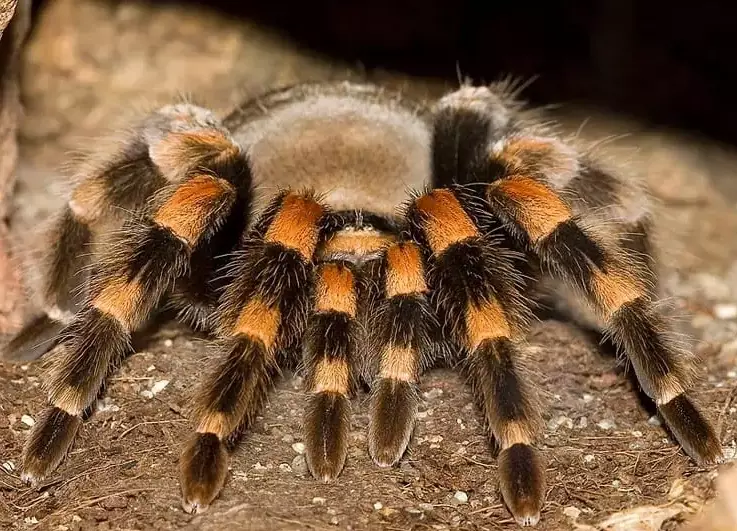
Why the Count Changes So Often
New technologies like genetic sequencing reveal hidden diversity. For example, what was once thought to be a single species, like the Brazilian Black (Grammostola pulchra), might have cryptic subspecies. Also, habitat destruction pushes scientists to document species before they vanish. It's a race against time.
Key Tarantula Families and Groups
Tarantulas aren't just one homogenous blob. They're split into families and subfamilies based on traits. Here are the major ones you should know:
- Theraphosidae: The big one—over 90% of tarantulas fall here. They're found worldwide, from deserts to jungles. Think of species like the Goliath Birdeater.
- Dipluridae: Often called funnel-web tarantulas, but they're technically separate. They have longer spinnerets and different venom profiles. Not common in pet trade.
- Paratropididae: Rare, burrowing species from South America. I've never kept one; they're too sensitive for beginners.
Within Theraphosidae, there are groups like New World (Americas) and Old World (Africa/Asia). New World tarantulas often have urticating hairs for defense, while Old World ones rely more on speed and venom. This split matters for keepers—I've seen newbies buy an Old World species thinking it's docile, only to end up with escapees.
A Closer Look at New World vs. Old World
New World tarantulas, like the Chilean Rose, tend to be calmer. Old World ones, such as the King Baboon (Pelinobius muticus), are feistier. It's not a hard rule, but a general trend. If you're starting out, stick to New World types unless you're experienced.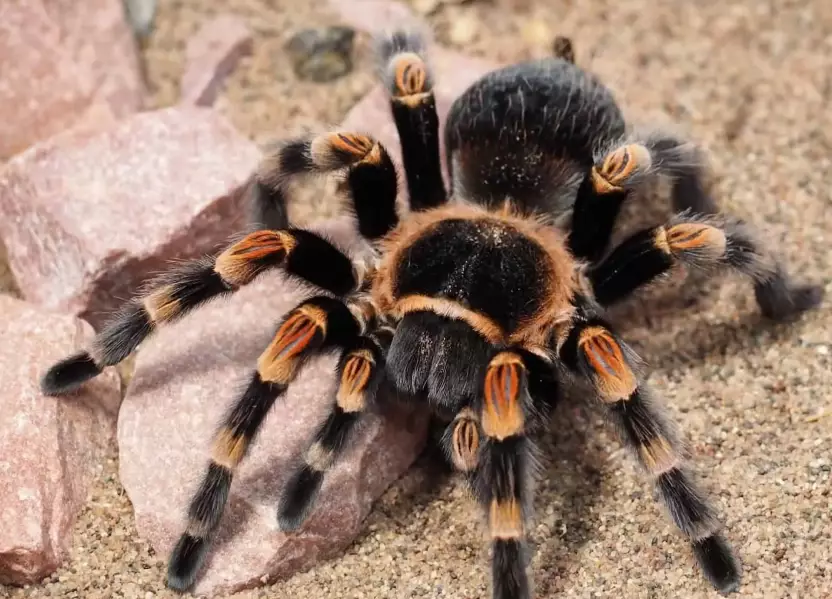
Top Tarantula Types for Pet Enthusiasts
Now, for the fun part—what types do people actually keep? Based on my experience and forums like Arachnoboards, here are the top picks for pets. I'll include why they're popular and a pitfall to avoid.
- Mexican Redknee (Brachypelma hamorii): Iconic, docile, and slow-growing. Perfect for beginners. But they need dry setups; I've seen molds kill them in humid tanks.
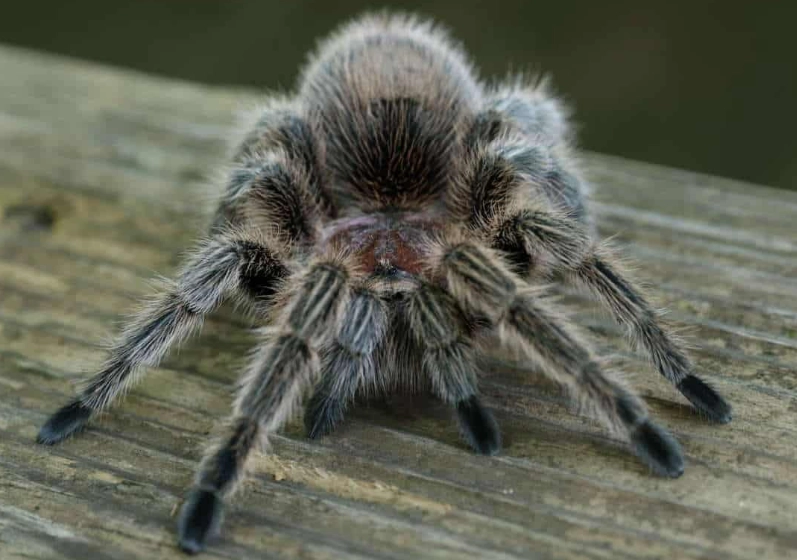
- Chilean Rose (Grammostola rosea): Hardy and affordable. However, they can go on hunger strikes for months—don't panic, it's normal.
- Brazilian Black (Grammostola pulchra): Jet-black and gentle. Requires more humidity than people think; I lost one to dehydration early on.
- Pink Toe (Avicularia avicularia): Arboreal and colorful. Needs vertical space and cross-ventilation. Many die from stagnant air.
- Goliath Birdeater (Theraphosa blondi): Impressive but demanding. They eat a lot and produce irritating hairs. Not for the faint-hearted.
Each type has quirks. For instance, the Pink Toe's webbing isn't just decoration—it's a humidity gauge. I learned that after mine dried out in a poorly designed enclosure.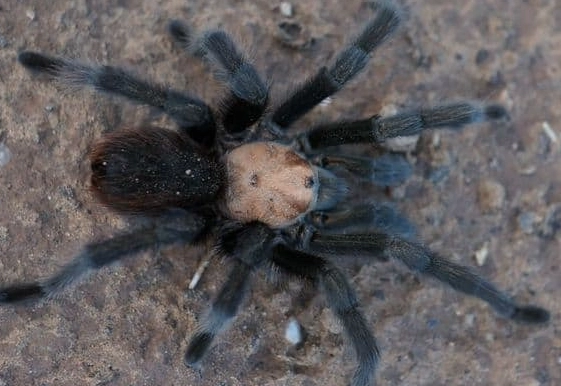
Conservation Status: Are Tarantulas at Risk?
With all this diversity, are tarantulas safe? Sadly, many species face threats. Habitat loss from deforestation is the biggest issue. The International Union for Conservation of Nature (IUCN) lists some tarantulas as vulnerable, like the Mexican Redknee due to overcollection for the pet trade. But here's a nuance: captive breeding has reduced wild harvesting for popular species. Still, obscure types from Madagascar or India are at higher risk because their habitats are shrinking fast.
Conservation efforts include protected areas and breeding programs. As a keeper, I advocate for sourcing from reputable breeders, not wild-caught specimens. It's a small step, but it helps.
Your Burning Questions Answered
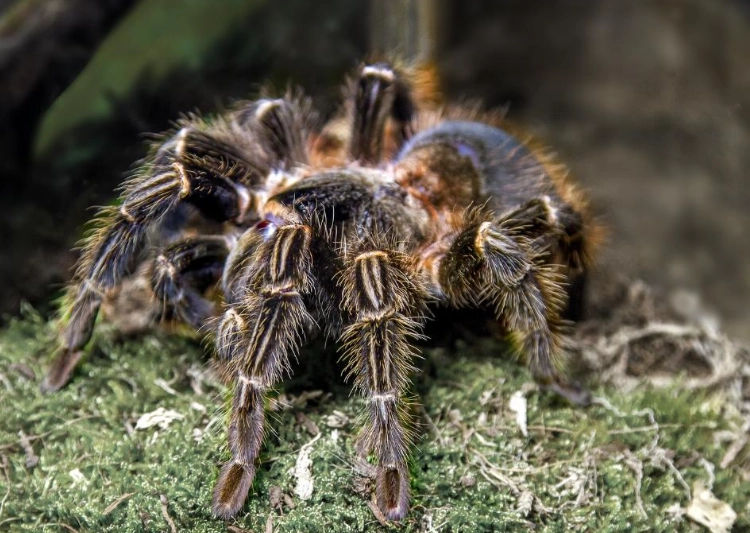
Wrapping up, the question 'how many types of tarantulas are there' opens a door to a complex, ever-changing world. Whether you're a curious reader or a potential keeper, focus on understanding the diversity rather than memorizing numbers. Dive into resources, join communities, and maybe start with a hardy pet species. The journey is as fascinating as the spiders themselves.
Reader Comments