Quick Navigation
- Meet the Neighbors: Florida's Native Tree Frog Species
- The Unwanted Guest: The Cuban Treefrog Problem
- Life as a Tree Frog: Diet, Calls, and That Sticky Magic
- Thinking of Keeping a Florida Tree Frog as a Pet?
- Frequently Asked Questions (The Stuff You Really Want to Know)
- Conservation: Are Florida Tree Frogs in Trouble?
- Wrapping It Up: Living with the Chorus
If you've ever spent an evening in Florida after a good rain, you know the sound. It starts as a few random chirps, then builds into a full-blown symphony coming from every bush, tree, and screened porch corner. That's the sound of Florida tree frogs, and honestly, it's one of the things I love most about living here. It's nature's white noise machine.
But beyond the nightly chorus, there's a whole world to these little amphibians. Most people just call them all "tree frogs" and leave it at that. I used to be the same. Then I started actually looking for them, trying to figure out who was making which sound, and it turned into a bit of an obsession. Turns out, Florida is home to several native species of tree frogs, each with its own personality, look, and preferred real estate. And then there are the non-native ones that have moved in, which is a whole other story.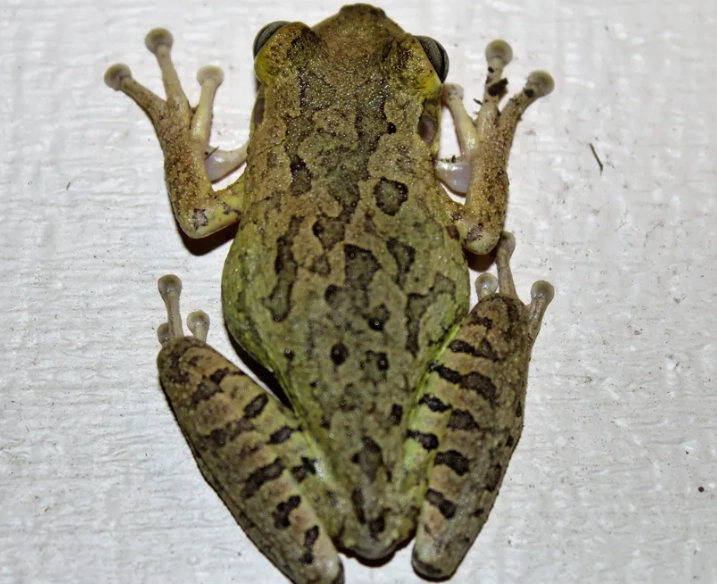
So, whether you're a curious homeowner, a budding herpetologist, or someone who just found a little green frog in their bathroom and wants to know what to do, this guide is for you. We're going to break down everything about Florida tree frogs – the good, the loud, and the sticky-toed.
Meet the Neighbors: Florida's Native Tree Frog Species
You can't talk about Florida tree frogs without knowing who's who. It's like knowing the difference between your local birds. Some are shy, some are bold, and some will sing right outside your window all night whether you like it or not.
Here’s the lineup of the most common native species you're likely to encounter. I've put together a table because it's just easier to compare them side-by-side.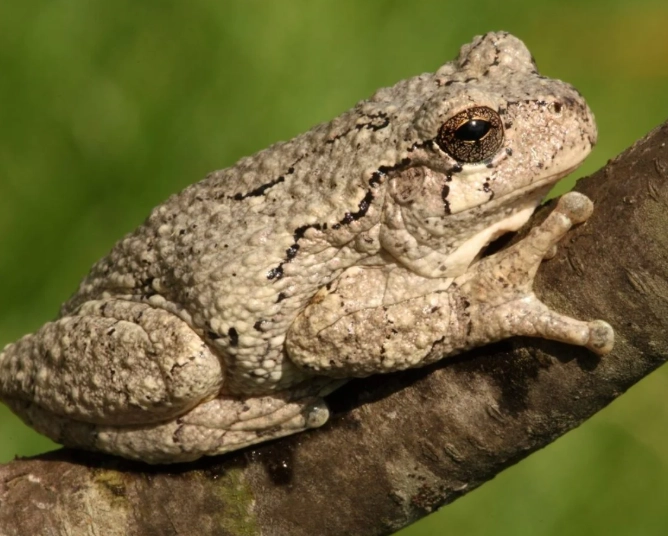
| Common Name | Scientific Name | Size | Color & Markings | Call Description | Where You'll Find Them |
|---|---|---|---|---|---|
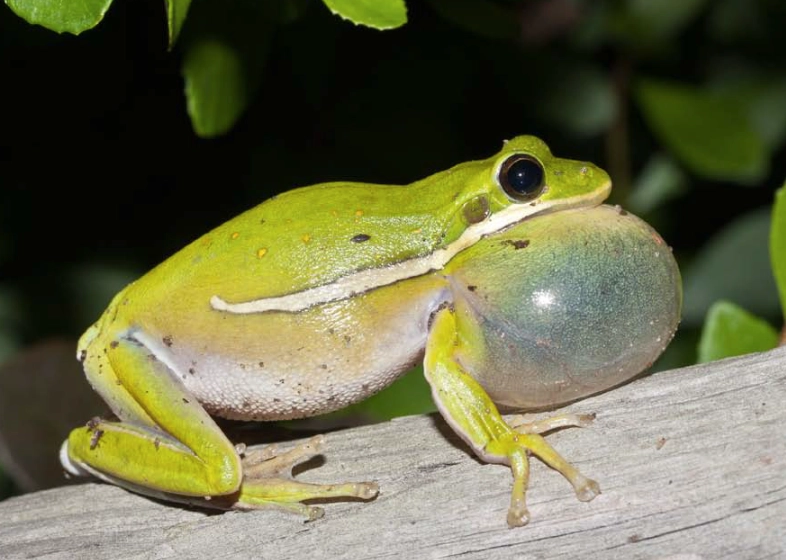
| Green Treefrog | Hyla cinerea | 1.25 - 2.5 inches | Bright green to yellowish-green, often with a creamy white or pale yellow stripe along the side from jaw to groin. | A loud, nasal "queenk-queenk-queenk" repeated rapidly. The classic Florida frog sound. | Everywhere near water. Lakes, ponds, marshes, and very fond of human structures like window frames and porch lights. |
| Squirrel Treefrog | Hyla squirella | 1 - 1.5 inches | Highly variable! Can be green, brown, yellowish, or even spotted. Often has smooth skin and a light spot under the eye. | A raspy, chattering call that sounds, well, a bit like a squirrel. A harsh, nasal quack. | Versatile. Forests, gardens, shrubs. Loves to hide in planter pots and garden hoses. |
| Barking Treefrog | Hyla gratiosa | 2 - 2.75 inches | Our largest native treefrog. Plump, with granular skin. Usually green with dark, round spots or blotches. | A loud, hollow "tonk" or "doonk" that does resemble a dog's bark from a distance. | Sandhills, pine flatwoods, and swampy areas. More terrestrial than others, often found on the ground. |
| Pine Woods Treefrog | Hyla femoralis | 1 - 1.5 inches | Brown, gray, or greenish with dark blotches. The key ID is the bright orange or yellowish spots on the inner thigh. | A series of short, staccato "chips" or "ticks," like a Morse code machine. | Dry pine forests and wiregrass flatwoods. Truly a frog of the uplands, not the swamp. |
| Cope's Gray Treefrog | Hyla chrysoscelis | 1.25 - 2 inches | Mottled gray, green, or brown with a dark blotch behind the eyes. Bright yellow-orange under the thighs. | A loud, rapid, musical trill. Faster and higher-pitched than its lookalike cousin (the Gray Treefrog, which isn't in FL). | Forests, wooded swamps, and suburban areas with lots of trees. A master of camouflage. |
Looking at that table, you can start to get a sense of the diversity. The Green Treefrog is the superstar, the one everyone pictures. But the Squirrel Treefrog is probably the champion of adaptation – that little guy can change color and live just about anywhere. I find them in my garage more than any other species.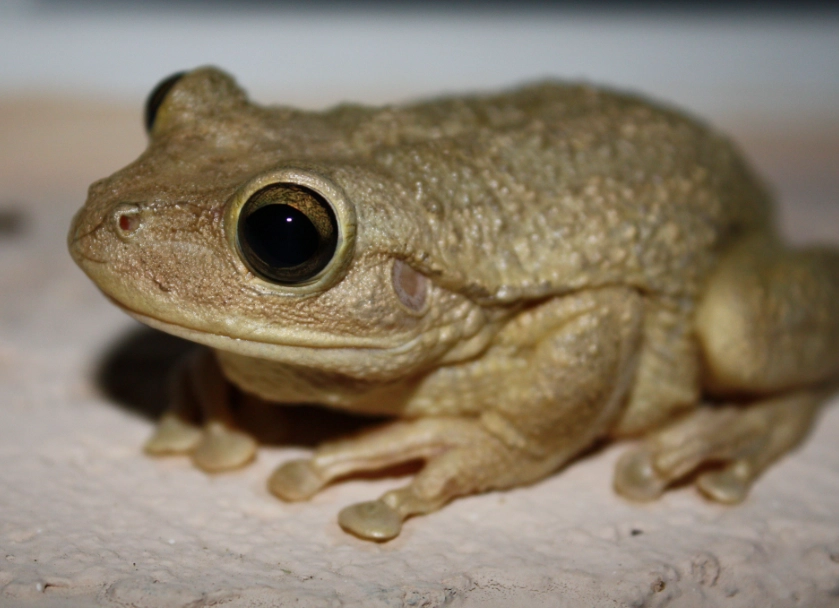
A quick, important note on lookalikes.
The Cuban Treefrog, an invasive species, often gets confused with our natives, especially young ones. We'll get to that problem child in a minute. But if you see a really large, warty-looking tree frog with big toe pads and bulgy eyes, it's probably not one of the friendly natives listed above. The Florida Museum's herpetology page has excellent side-by-side comparison photos that are a lifesaver for identification.
The Unwanted Guest: The Cuban Treefrog Problem
Okay, let's talk about the elephant in the room, or rather, the large frog in the toilet. The Cuban Treefrog (Osteopilus septentrionalis). It's not native, it's invasive, and it's a genuine issue for our Florida tree frogs.
I remember first noticing them about 15 years ago. They were just... bigger. And they had this kind of smug, lumpy look about them. They've spread throughout Florida and are known for a few not-so-great behaviors:
- They eat our natives. This is the big one. Cuban Treefrogs are voracious predators and will readily eat smaller native frogs, including the young of our Green and Squirrel Treefrogs.
- They cause power outages. Seriously. They climb into transformers and electrical switches, causing shorts. Not their smartest move, but it happens.
- They get into houses. They love plumbing vents, toilets, and sinks. Finding one staring at you from the toilet bowl is a uniquely Florida experience I could do without.
- They have mildly toxic skin secretions. It won't hurt you, but it can irritate your eyes or nose if you handle one and then touch your face. It's also a defense mechanism against predators.
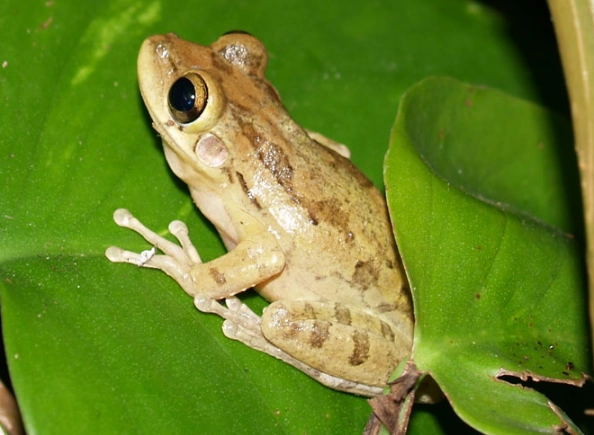
It's a tough topic. I don't enjoy it. But understanding the difference between a native Florida tree frog and an invasive one is a key part of being a responsible resident here.
Life as a Tree Frog: Diet, Calls, and That Sticky Magic
So what's it like to be a tree frog? Let's dive into the details that make these guys so fascinating.
The Menu: What Do Florida Tree Frogs Eat?
It's simple: anything they can fit in their mouths that moves. They are strict insectivores (and occasional carnivores of smaller frogs). Their diet is a who's who of backyard pests:
- Crickets, moths, and flies are staples.
- Mosquitoes and gnats are appetizers.
- Smaller beetles and spiders are on the menu.
- As mentioned, the larger Cuban Treefrog will add smaller frogs and lizards to this list.
They hunt by sight and movement. They'll sit perfectly still on a leaf or window, wait for an unsuspecting insect to wander by, and then – BAM! – that incredibly fast, sticky tongue shoots out and reels it in. It's over in a blink. Having Florida tree frogs around is one of the best natural pest control systems you can ask for. I rarely use bug zappers because the frogs are on duty.
The Nightly Symphony: Why and How They Call
The chorus isn't just for our amusement. It's all about reproduction. The males call to attract females to their breeding site, usually a pond, ditch, or even a large puddle. Each species has a distinct call so females can find the right guy.
The calls are most intense on warm, humid nights, especially after rain. The air is moist, which is perfect for their skin, and the rain often creates temporary breeding pools. It's party time in the frog world.
How loud can it get?
Really loud. A single Green Treefrog can hit 90 decibels from up close – that's like a lawnmower. A whole chorus can be overwhelming if they're right outside your bedroom window. Some people love it, some people... invest in good earplugs. I'm in the love-it camp, but I get it. If it's too much, the calls are most frequent in the spring and summer. By late fall, things quiet down considerably.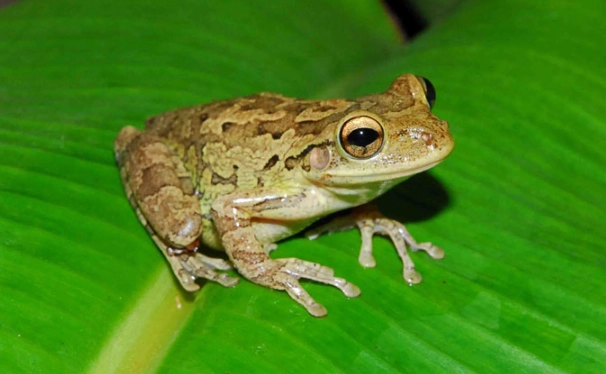
Superpower: The Sticky Toe Pads
This is the coolest part, in my opinion. How do they climb glass windows and hang upside down on leaves? Their toe pads are marvels of bio-engineering. They're not suction cups. Instead, they're covered in tiny, hexagonal-shaped cells that secrete a sticky mucus. Combined with the sheer number of these cells, it creates a molecular attraction called capillary adhesion. Basically, they're using the surface tension of water molecules to stick.
It's a passive system, too. They don't have to "activate" it. The stickiness is always on, which is why they have a distinctive, deliberate walking motion—they have to peel each foot up. Watching a tree frog climb is an exercise in slow, careful precision.
Thinking of Keeping a Florida Tree Frog as a Pet?
I get this question a lot. People find a cute little frog and think, "I'll just keep him!" It's a nice thought, but there are some serious things to consider. First and foremost, it is illegal to take most native wildlife from the wild in Florida without a permit. This includes our native Florida tree frogs. They are protected by law.
If you do go the captive-bred route, here's what you're signing up for. It's not just a jar with a leaf.
The Basic Setup (The Shopping List)
- Terrarium: A tall tank, at least 18x18x24 inches for a pair. Screen top for ventilation.
- Substrate: Something that holds moisture but doesn't mold easily. Coconut fiber, sphagnum moss, or specialized bioactive mixes.
- Heat & Light: A low-wattage heat lamp or under-tank heater to create a gradient (78-82°F warm side, low 70s cool side). UVB lighting is a hotly debated topic for nocturnal frogs; some keepers swear by low-level UVB for health, others skip it. Do your research.
- Humidity: This is CRITICAL. Florida tree frogs need 60-80% humidity. You'll need a mister and a hygrometer to monitor it.
- Decor: Lots of branches, live or artificial plants (Pothos and Philodendron are great), and hiding places. They need vertical space to climb.
- Water: A shallow, clean water dish with dechlorinated water. They will soak in it.
Feeding Your Captive Frog
Gut-loaded crickets are the staple. "Gut-loaded" means the crickets are fed nutritious food before being fed to your frog, passing on the nutrients. You'll also need to dust the crickets with a calcium + vitamin D3 supplement powder a couple times a week. Variety is good—you can occasionally offer small dubia roaches, flightless fruit flies (for tiny frogs), or waxworms (as a rare treat, they're fatty).
I tried keeping dart frogs once, which have similar requirements. Let me tell you, maintaining that humidity and hunting for escaped fruit flies at 2 a.m. was an experience. Tree frogs are a bit hardier, but it's still a daily commitment. They can live 5-10 years in captivity, sometimes more. It's a pet, not a temporary guest.
Frequently Asked Questions (The Stuff You Really Want to Know)
Are Florida tree frogs poisonous?
Our native Florida tree frogs are not poisonous to humans or pets. They are completely harmless. You can handle them gently with clean, wet hands (the oils on dry skin can irritate them). The invasive Cuban Treefrog has those mild skin irritants I mentioned, so wash your hands after touching one. But poison? No. You're thinking of poison dart frogs from South America.
How do I attract tree frogs to my yard?
You want the chorus? Create a frog-friendly habitat:
- Provide water: A small, shallow pond, birdbath, or even large saucers of water. Avoid fish that might eat tadpoles.
- Go chemical-free: Pesticides and herbicides can kill frogs directly or wipe out their food source.
- Offer shelter: Dense shrubs, native plants, and piles of leaves or logs give them places to hide during the day.
- Leave the porch light on: The light attracts insects, which attracts frogs. It's a dinner bell.
What's the difference between a tree frog and a toad?
Big differences! Toads have dry, warty skin, are chunkier, have shorter legs for hopping (not climbing), and are more terrestrial. They also tend to have parotoid glands behind their eyes that secrete a milky, irritating substance. Tree frogs have smooth, moist skin, long sticky toes, slender bodies, and are excellent climbers. They are built for a life in the trees and shrubs.
My tree frog isn't eating. What's wrong?
If this is a wild frog you're observing, don't worry. They eat when they want to. If it's a captive frog, stress is the #1 cause. New environment, wrong temperature/humidity, illness, or the food items are too big. Ensure your habitat parameters are perfect, offer appropriately sized food at night when they're active, and leave it alone to settle. If it refuses food for over a week, consult a vet who specializes in exotics.
How can I tell if it's male or female?
For most species, the male is smaller and has a darker, looser patch of skin on the throat called a vocal sac. This is what inflates like a balloon when they call. Females are often slightly larger and lack the obvious vocal sac. During breeding season, males may develop nuptial pads (dark, rough patches) on their thumbs to help grip the female.
Conservation: Are Florida Tree Frogs in Trouble?
This is the part that worries me. Our native Florida tree frogs face a pile of threats, even if some species are still common.
- Habitat Loss: The big one. Development, drainage of wetlands, and deforestation destroy the places they live and breed.
- Invasive Species: We covered the Cuban Treefrog. But also, invasive plants that change habitat structure and other predators can have an impact.
- Pollution & Pesticides: Chemicals running into waterways can kill tadpoles and adults. Frogs have permeable skin, so they absorb pollutants directly.
- Climate Change: Altered rainfall patterns can dry up breeding ponds before tadpoles mature. Extreme temperature swings are stressful.
- Disease: Chytrid fungus is a global amphibian pandemic. It hasn't devastated Florida tree frogs like some other species, but it's a constant threat.
The good news? Many of our native Florida tree frog species are still holding their own. The Green and Squirrel Treefrogs are adaptable and do well in suburban landscapes. But the Pine Woods and Barking Treefrogs, with more specific habitat needs, are more vulnerable.
What can you do? Be a friend to frogs.
- Make your yard a sanctuary using the tips above.
- Report Cuban Treefrog sightings to help scientists track their spread. The EDDMapS reporting system is a great tool.
- Support wetland conservation and responsible land development in your community.
- Educate others. Most people just don't know about the difference between native and invasive frogs, or how beneficial they are.
Wrapping It Up: Living with the Chorus
Florida tree frogs are more than just background noise. They're a sign of a healthy environment, a free pest control service, and a little bit of living magic right outside your door. From the dazzling green acrobat on your window to the tiny, color-changing squirrel frog in your flowerpot, they're an essential part of what makes Florida, well, Florida.
Sure, they can be loud. And yes, the Cuban Treefrog situation is a headache. But when I hear that first "queenk" of the evening, I don't just hear a frog. I hear an entire ecosystem saying goodnight. I hope this guide helps you hear it too, and maybe even see your backyard in a whole new way.
Now, if you'll excuse me, it just rained, and the symphony is about to begin.
Reader Comments