Let's talk about terrestrial tarantulas. If you're picturing a hairy spider living in a burrow or wandering the forest floor, you've got the right idea. These are the ground-dwellers of the tarantula world, and they make up the vast majority of species kept as pets. Unlike their tree-dwelling (arboreal) cousins who crave height, terrestrial tarantulas are all about the horizontal space. They're the quintessential "pet rock" of the arachnid hobby—often low-maintenance, fascinating to observe, and available in a stunning array of sizes and colors. But picking the right one isn't just about looks. Their care, temperament, and even life expectancy vary wildly.
Quick Navigation
What Makes a Tarantula "Terrestrial"?
It's a lifestyle, not just a preference. Terrestrial tarantulas are built for life on the ground. Their bodies are typically heavier and stockier compared to the leggy, lightweight build of arboreal species. They have a lower center of gravity. While many will dig burrows (these are the "fossorial" types), others are happy to use a pre-made hide or even wander in the open.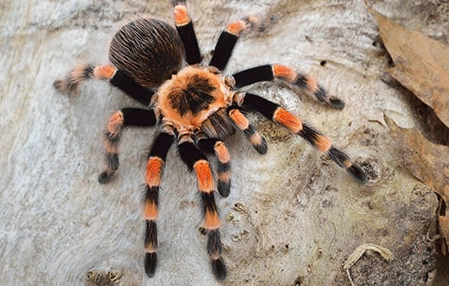
The key adaptation? Their feet. Arboreal tarantulas have dense tufts of hair (scopulae) on their feet for gripping smooth surfaces like bark. Terrestrials have these too, but they're often less pronounced. They're not built for climbing glass. This is a critical point for housing—a tall fall inside an enclosure can rupture their abdomen and kill them. Their world is wide, not tall.
I've seen too many beginners put a Chilean Rose Hair in a tall, narrow exo-terra tank meant for tree frogs. The spider tries to climb, slips, and that's a terrible risk. The enclosure should match the spider's natural behavior.
5 Popular Terrestrial Tarantula Species for Keepers
Not all ground spiders are the same. Here’s a breakdown of some of the most common types of terrestrial tarantulas you'll find in the hobby, from the beginner-friendly classics to the impressive showpieces.
| Species (Common Name) | Key Characteristics | Temperament | Care Level | Special Note |
|---|---|---|---|---|
| Grammostola rosea/porteri (Chilean Rose Hair) | Classic dusty rose/gray color. Very slow growth, long-lived (females 20+ years). | Typically extremely docile and calm. A true "pet rock." | Beginner | Can go on long hunger strikes (months), which unnerves new owners. |
| Brachypelma hamorii (Mexican Redknee) | Jet black with vibrant orange "knees." Iconic and slow-moving. | Generally calm but can flick urticating hairs if startled. | Beginner | Protected by CITES, so ensure captive-bred. Loves a dry environment with a water dish. |
| Theraphosa stirmi/blondi (Goliath Birdeater) | The heavyweight champion. Massive leg span, hefty body. Can make hissing sounds (stridulation). | Can be nervous and defensive. Not for handling. | Intermediate | Needs high humidity. Their urticating hairs are notoriously irritating. |
| Aphonopelma chalcodes (Arizona Blonde) | Beautiful golden-blonde carapace and legs. Native to the US Southwest. | Remarkably gentle and tolerant. Another great beginner option. | Beginner | Extremely drought-tolerant. Let the substrate dry out completely between slight dampenings. |
| Caribena versicolor (Antilles Pinktoe) *Juveniles | Wait, this is an arboreal! Yes, but here's the twist: slings (spiderlings) are terrestrial. | Skittish and fast as babies, becoming more arboreal and calm as adults. | Beginner to Intermediate | A perfect example of how some species change lifestyle. Start them in a terrestrial setup, then move to tall. |
That last entry is important. It shows you can't just google "types of tarantulas terrestrial" and assume every species fits neatly in a box forever. Spiderlings of some arboreal species start life on the ground. It's one of those nuances you learn after keeping a few.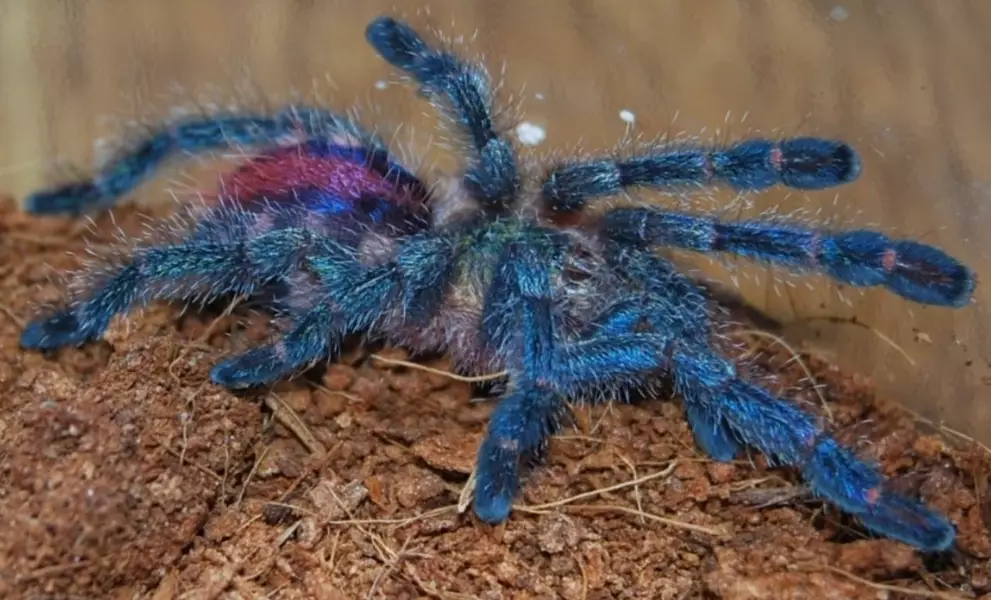
Pro Tip: When choosing your first, lean towards a New World species (from the Americas). They have urticating hairs on their abdomen which they flick as a primary defense. Old World species (Africa, Asia) lack these and rely on speed and a more potent bite. New World terrestrials like the Mexican Redknee or Arizona Blonde give you a much larger margin for error.
Beyond the Basics: Fossorial vs. Opportunistic Terrestrials
Even within terrestrial types, there's a split.
Fossorial species are the master diggers. Think Grammostola pulchra (Brazilian Black) or many Harpactira species. You'll provide deep substrate (8+ inches), and they'll often vanish for weeks or months, constructing elaborate burrow systems. Your pet becomes a beautiful piece of living decor you occasionally see at the entrance at night. It's a test of patience.
Opportunistic terrestrial species are more what people expect. They might dig a shallow scrape or simply use the hide you provide. The Chilean Rose Hair is the poster child—often found sitting placidly in the open. These are the ones that give you a daily visual.
Knowing which type you're getting changes your entire setup strategy and your expectations for viewing.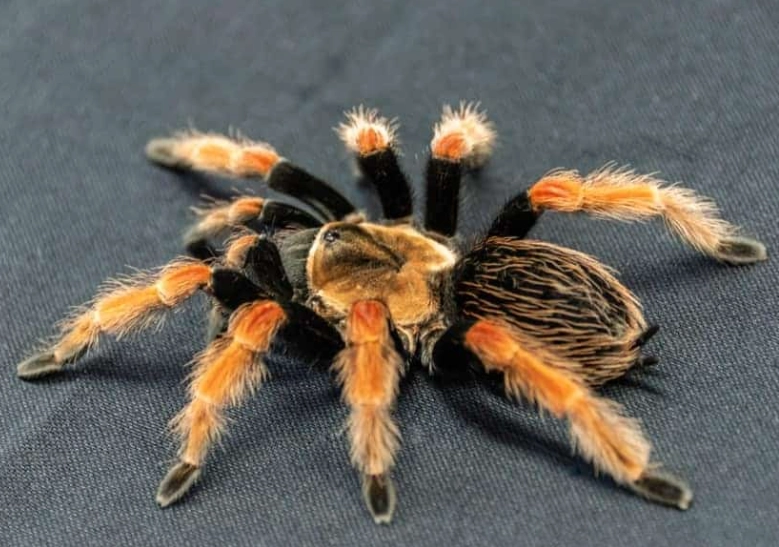
Terrestrial Tarantula Care: It's Not Just Dirt in a Box
Okay, you've picked a species. Now, how do you keep it alive and thriving? Let's get specific.
The Enclosure: Width and depth beat height every time. A 10-gallon tank on its side is better than upright. For an adult, aim for at least 2-3 times the spider's leg span in horizontal space. Ventilation is crucial to prevent stagnant, moldy air, but avoid screen tops—their tarsal claws can get stuck. Use cross-ventilation (holes on the sides).
Substrate: This is your most important element. It must be diggable, hold moisture (if needed), and be safe if ingested. Coco fiber (eco earth), peat moss, or topsoil without fertilizers/pesticides are the gold standards. I mix coco fiber with a bit of vermiculite for moisture retention for my humidity-loving species. For my Arizona Blonde, it's just bone-dry coco fiber.
The depth? For an opportunistic terrestrial, 4-6 inches is fine. For a fossorial, go as deep as the enclosure allows.
Heating & Humidity: This is where people mess up badly.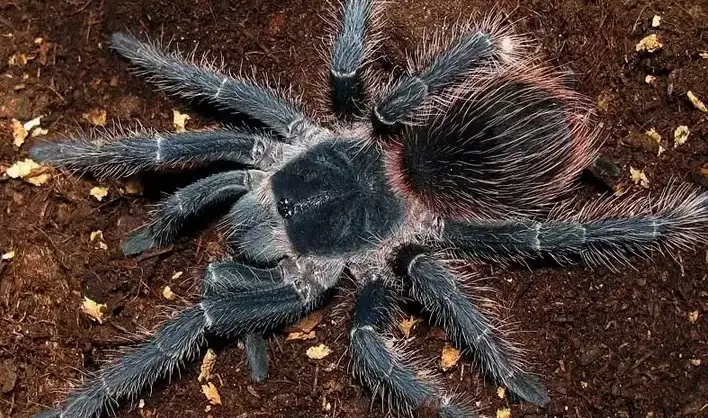
Never use a heat lamp or an under-tank heater without a thermostat. Heat lamps desiccate the air and create deadly hot spots. Under-tank heaters can cook a burrowing spider. Most do perfectly at 70-78°F (21-25°C). If your house is cold, use a small heat mat on the side of the enclosure, connected to a thermostat. Better yet, warm the room.
Humidity is species-specific. A Mexican Redknee needs it dry. A Goliath Birdeater needs it humid (75-80%). Don't spray the spider. Pour water into a corner of the substrate to create a moisture gradient, and always keep a clean, shallow water dish (with a stone or sponge to prevent drowning for smaller spiders).
Feeding: They eat live prey. Crickets, dubia roaches, mealworms. The prey should be no larger than the spider's abdomen. A well-fed adult might only eat once a week or every other week. Juveniles eat more often. If the abdomen is plump, don't offer food. Remove uneaten prey within 24 hours.
I remember overfeeding my first Redknee. Her abdomen got so huge I was terrified it would burst. I didn't feed her for over a month, and she was perfectly fine. They're built for famine.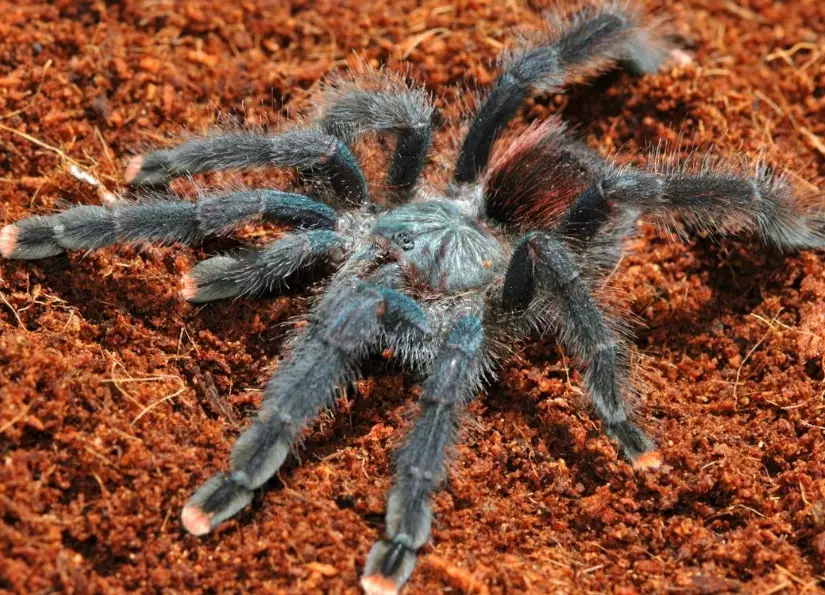
Common FAQs About Keeping Ground Tarantulas
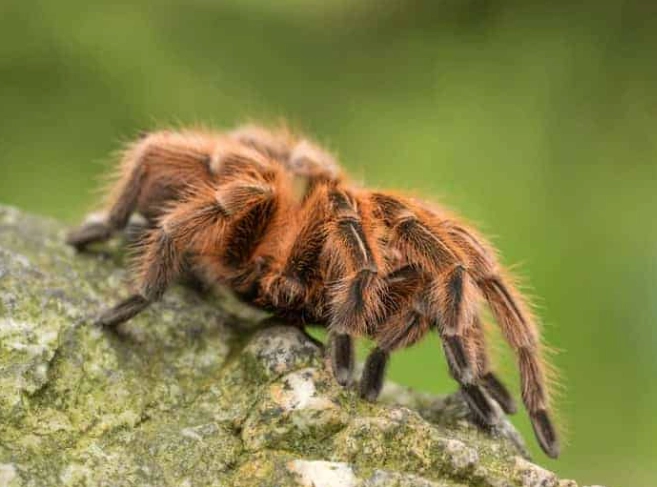
Choosing from the many types of terrestrial tarantulas is the first step into a deeply rewarding hobby. It's less about active interaction and more about creating a tiny, perfect slice of ecosystem and watching an ancient predator go about its life. Do your research on the specific species—don't just stop at "terrestrial." Check its humidity needs, its growth rate, its temperament. Resources like the American Tarantula Society website and species-specific forums are invaluable.
Start with a hardy, beginner-friendly New World species. Get the enclosure right—wide, with proper substrate depth and ventilation. Resist the urge to over-manage. Then sit back. You might be surprised at the personality that emerges from that seemingly static "pet rock" in the corner.
Reader Comments