If you ask any seasoned reptile keeper to name the most aggressive gecko, nine times out of ten, you'll get the same answer: the Tokay Gecko. It's not just a reputation; it's a lived experience for anyone who's been on the receiving end of their infamous bite. But calling them simply "aggressive" sells the story short. It's more accurate to say they are fiercely defensive, remarkably territorial, and equipped with a bite that commands respect. This isn't a pet for the faint of heart or the inexperienced. Let's get straight to the point: the Tokay Gecko (Gekko gecko) is widely considered the most aggressive gecko species commonly encountered by humans, and for good reason.
What You'll Discover in This Guide
What Does "Aggressive" Actually Mean for a Gecko?
We need to clear this up first. In the reptile world, "aggression" is almost always a misnomer. These are not predators hunting humans. What we interpret as aggression is nearly always defensive behavior. A gecko feels threatened, cornered, or its territory is invaded. Its response is fight, not flight.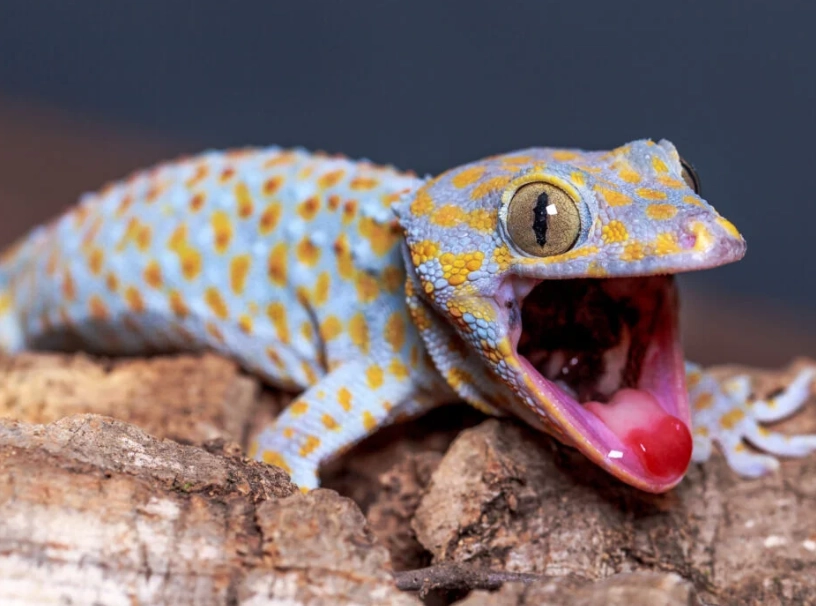
So when we rank geckos by aggression, we're really ranking them by:
Defensive Posturing: How dramatic and threatening are their warnings? Hissing, gaping, lunging, tail vibrating.
Bite Propensity: How readily will they bite when threatened?
Bite Severity: How much damage can their bite inflict?
Territoriality: How strongly do they defend their space, especially against their own kind or handlers?
The Tokay Gecko scores exceptionally high on every single one of these metrics.
The Tokay Gecko: A Case Study in Defensive Fury
Native to Southeast Asia, the Tokay is a stunning gecko—slate blue with vivid orange spots. Its beauty is a warning sign in nature. Here’s a breakdown of why its reputation is so well-earned.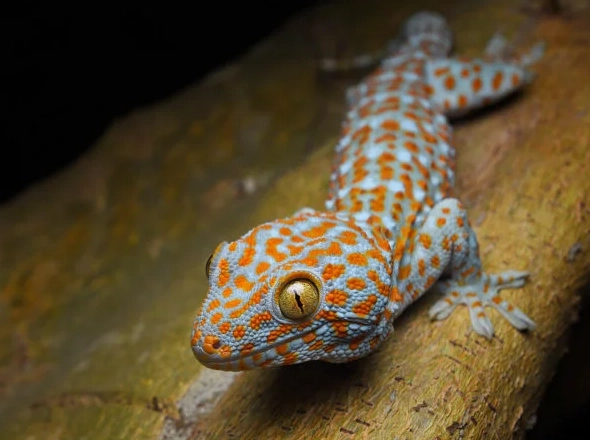
The Infamous Bite
This is the headline act. A Tokay's bite is not a quick nip. It's a clamp-and-hold strategy. Their jaw strength is immense for their size. Once they latch on, they often refuse to let go, sometimes for minutes. I've seen them hang on even when lifted completely off the ground. The bite can pierce skin easily, draw blood, and cause significant pain and bruising. It's a shockingly powerful experience from a creature that often fits in your hand.
New handlers make a critical mistake: they panic and try to pry the gecko's mouth open. This only makes the animal clamp down harder, risking injury to its jaw or your finger. The correct method is counterintuitive—we'll cover it in the bite treatment section.
Vocal and Visual Warnings
Tokays don't bite without (very loud) warning. Their namesake call, a loud "TO-KAY!" or "GECK-O!" is often the first sign of distress. If that doesn't work, they turn into a spectacle of threat displays: wide-open mouth showing off a bright blue interior, loud hissing, arching their back, and raising their body to look larger. They are screaming "BACK OFF!" in every language they know. Ignoring these signs is an invitation to pain.
Extreme Territoriality
In the wild and in captivity, Tokays are solitary and territorial. Males will fight other males viciously, often resulting in lost tails or worse. This territorial instinct extends to their enclosure. They often see the entire tank as their domain, and your hand entering it as an invasion. This is a key reason why they are less handleable than other geckos.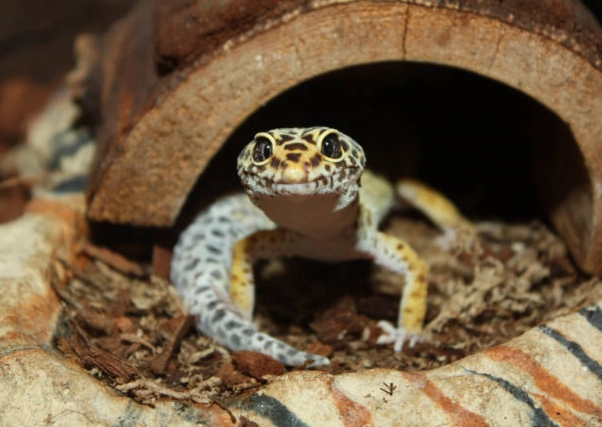
The Big Misconception: Are All Tokay Geckos Aggressive?
This is where a decade of experience gives a nuanced answer. No, not every single Tokay is a biting machine. Individual temperament varies wildly, and this is the most important thing a prospective owner must understand.
I've worked with three broad categories:
The "Demon" Tokay: Lives up to the full reputation. Hisses at movement outside the tank, bites almost every handling attempt. Often a wild-caught adult or one with minimal human contact.
The "Grumpy" Tokay: The most common. Will display and threaten but often tolerates careful handling without biting. Might give a warning nip if stressed.
The "Tame" Tokay: A rarity, but they exist. Often captive-bred from calm parents and handled consistently from a young age. May even appear curious. Never assume they are harmless, though.
The single biggest factor is origin. Captive-bred (CB) Tokay hatchlings are almost always a better bet than wild-caught (WC) adults. A WC adult comes with established survival instincts that view you as a predator. A CB baby can learn, through calm, consistent, and infrequent interaction, that you are not a threat. Even then, "tame" for a Tokay is not the same as tame for a Leopard Gecko.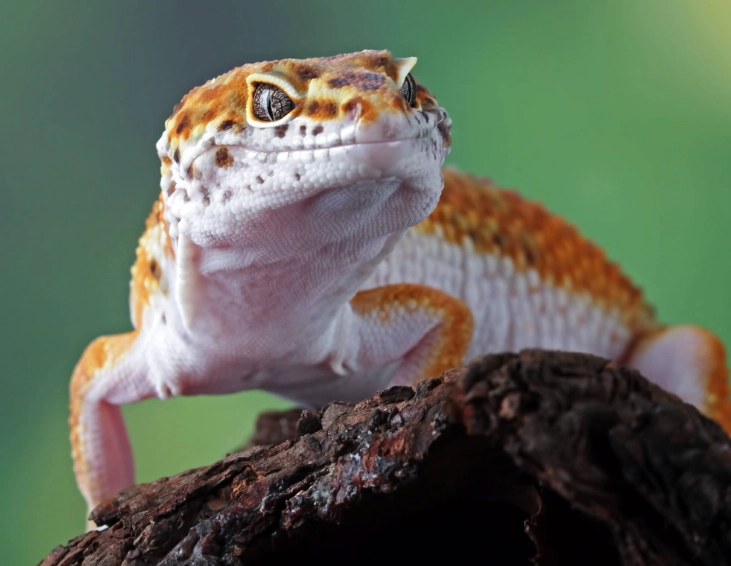
What to Do If a Tokay Gecko Bites You (Step-by-Step)
It will likely happen if you keep one long enough. Don't panic. Follow these steps.
- Stay Calm. Do not yell, shake your hand, or fling the gecko. This can seriously injure it and tear your skin.
- Do NOT Pry Its Jaws Open. You will lose. Their bite is a locking mechanism. Forcing it can break their jaw or damage your finger further.
- Place the Gecko on a Stable Surface. Gently lower it onto a table or the floor of its enclosure. Often, the feeling of secure footing will cause it to release on its own.
- The Vinegar or Lemon Juice Trick. If it doesn't let go, take a Q-tip and put a tiny drop of white vinegar or lemon juice on the corner of its mouth. The sour taste almost always triggers an immediate release. Have this ready if you plan to handle a known biter.
- Once Released: Put the gecko away calmly. Then tend to your wound. Wash thoroughly with soap and warm water. Apply antibiotic ointment and a bandage. Tokay bites, like any animal bite, can introduce bacteria. Watch for signs of excessive redness, swelling, or pus—consult a doctor if these appear.
How to Care for a Tokay Gecko Safely and Responsibly
Caring for a Tokay is about managing their environment to minimize stress (for them) and risk (for you).
The Enclosure is Their Castle: Go big. A single adult needs at least a 20-gallon tall enclosure, but 30+ gallons is better. More space means they can establish a territory and feel less cornered when you need to service it.
Furnish for Hiding, Not Handling: Load the tank with cork bark tubes, sturdy plants, and multiple secure hides. The goal is for the gecko to feel completely hidden. A hidden Tokay is a calm Tokay.
The "Hands-Off" Philosophy: Accept that this is primarily a display animal. Handle only when absolutely necessary (enclosure cleaning, health checks). When you must, move slowly and deliberately. Use a piece of cork bark or a small container to coax them in for transport rather than grabbing.
Target Feeding: Use feeding tongs to offer insects. This conditions the gecko to associate the tongs with food, not your fingers. It also prevents them from accidentally striking your hand during feeding excitement.
Other Geckos With a Fiery Reputation
While the Tokay is the undisputed champion, a few others deserve honorable (or dishonorable) mention.
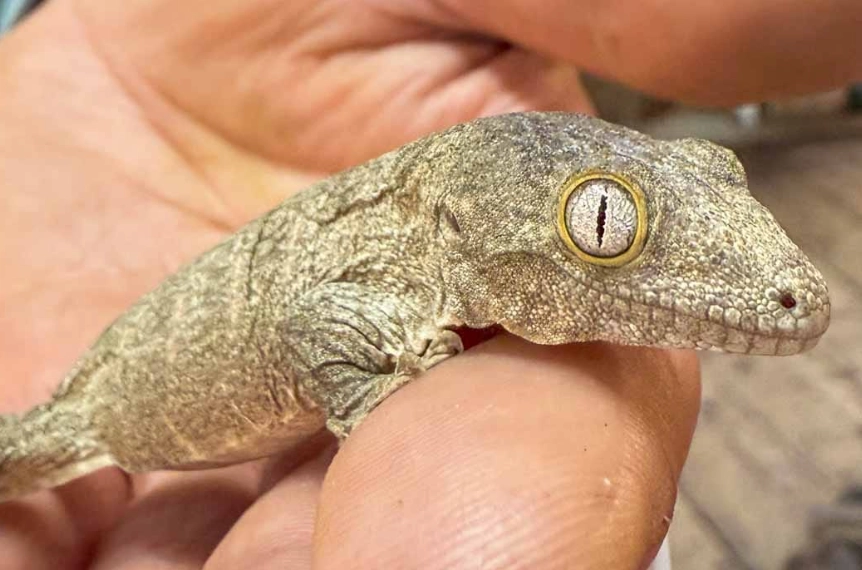
Giant Cave Geckos (Pseudothecadactylus): Australian relatives with a similar defensive mindset and a painful bite. Less common in captivity, but keepers report a comparable "don't mess with me" attitude.
Some Day Gecko Species (Phelsuma): Don't let their bright colors fool you. Species like the Giant Day Gecko can be skittish and prone to biting when grabbed. Their skin is also fragile, making handling a double-risk.
Male Leopard Geckos Housed Together: While generally docile with humans, male Leopard Geckos are highly territorial with each other. Co-habitation leads to fighting, tail dropping, and severe stress. This is a common beginner mistake with aggressive consequences for the animals.
Notice a pattern? The common thread is territoriality. The most defensive geckos are often those with the strongest instinct to guard their space.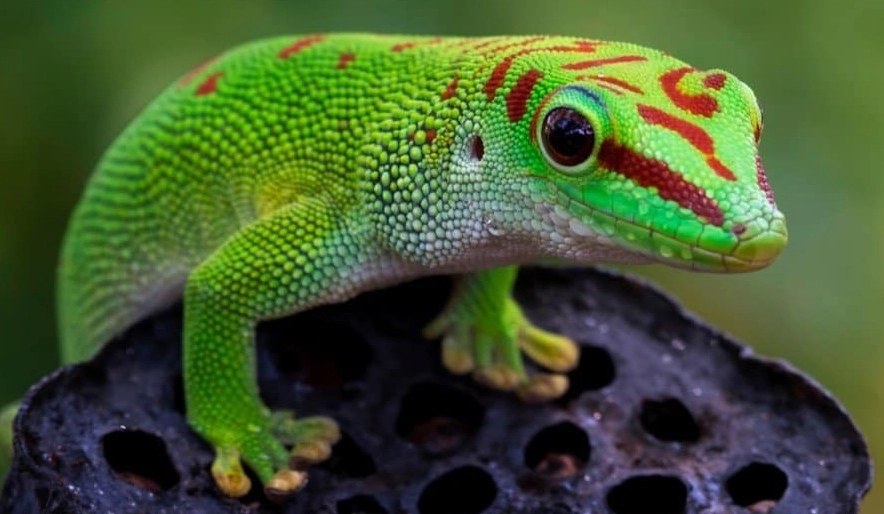
Reader Comments