Let's cut to the chase. When someone asks about the rarest leopard gecko color, they're usually picturing something wildly different from the standard yellow with black spots. And they're right to think that. The world of leopard gecko "morphs" (the term for their color and pattern genetics) is deep, complex, and for some varieties, incredibly exclusive.
I've been breeding and keeping these lizards for over a decade, and I still get a thrill seeing some of the rarest ones. The answer isn't just one name. Rarity is a moving target based on genetics, availability, and pure hype. But based on current market availability, breeder consensus, and sheer difficulty to produce, a few morphs stand head and shoulders above the rest in terms of being truly elusive.
This isn't just a list. We're going to dig into why these colors are so rare, what they actually look like, the eye-watering prices they command, and the practical reality of owning one. Because chasing rarity for its own sake is a quick way to make expensive mistakes.
What's Inside?
What Makes a Leopard Gecko Morph "Rare"?
It's not just about looking cool. Several concrete factors create rarity.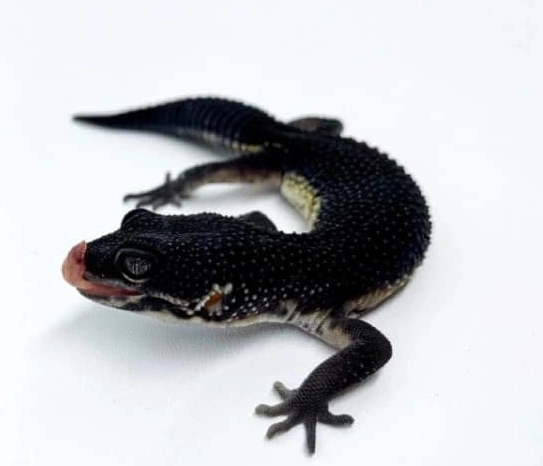
Complex Genetics: Some morphs require very specific pairings of recessive genes. To get a Black Night, for example, both parents must carry the gene, and even then, only a fraction of the babies will express the full, desired phenotype. It's a numbers game, and the odds are often low.
Limited Bloodlines: Many ultra-rare morphs started from a single, unique animal or a very small group. The Black Night's origins trace back to a specific breeder's project in Europe. When the founding population is tiny, it takes years of selective breeding to produce enough animals to even think about selling them, and the genetics remain tightly controlled.
Breeding Challenges: Sometimes, the genes that create stunning colors can also be linked to lower fertility, smaller clutch sizes, or other breeding difficulties. This naturally limits how many can be produced each season.
High Demand & Low Supply: This is economics 101. When a stunning new morph hits the scene and only a handful of breeders have it, prices skyrocket. It can take 5-10 years for a morph to go from "ultra-rare" to just "expensive-but-available."
Here's the thing a lot of new enthusiasts miss: Rarity doesn't automatically equal better health or a better pet. In fact, the intense focus on color can sometimes lead to unethical breeding practices if you're not careful about your source. A common, healthy Normal morph is a far better pet than a rare, inbred, and fragile one.
The Top 5 Rarest Leopard Gecko Colors & Morphs
Based on current availability, breeder chatter, and market listings, here are the five morphs that consistently sit on the throne of rarity. I've ranked them considering both visual uniqueness and how hard it is to actually find one for sale.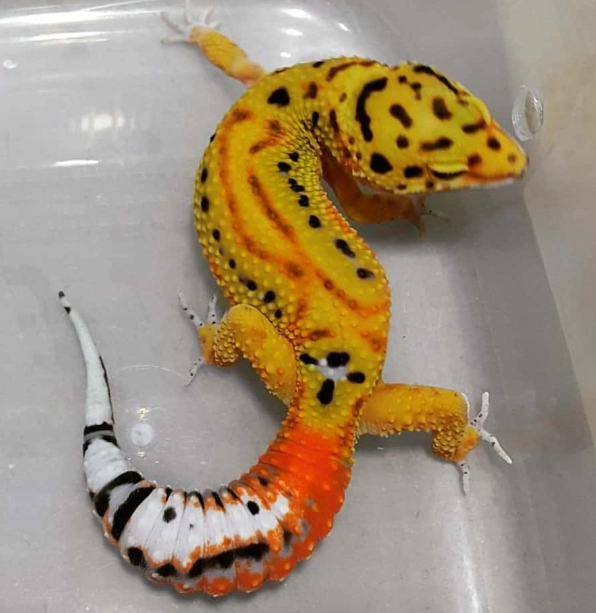
| Morph Name | Primary Color & Description | Key Reason for Rarity | Estimated Price Range (USD) |
|---|---|---|---|
| 1. Black Night | Jet black to very dark charcoal, often with a velvety texture. Little to no pattern. | Extremely complex recessive genetics; very few founding animals. Considered the "holy grail" by many. | $2,500 - $5,000+ |
| 2. Electrified Lemon | An intense, almost neon solid yellow with no pattern. The color is shockingly bright. | Result of stacking multiple pattern-suppressing genes perfectly. True, clean specimens are exceptionally hard to produce. | $1,500 - $3,000 |
| 3. Super Snow Black Pearl | A deep, dark morph with contrasting white bands and a unique "pearlized" sheen. | Combines multiple rare traits (Super Snow, Black Pearl). Breeding outcomes are unpredictable and often don't hit the mark. | $1,200 - $2,500 |
| 4. Gem Snow | Not a standard Snow. Characterized by a clean, pale background with bold, contrasting dark patterns that look "set in." | A specific, refined lineage of the Snow complex. True Gems are a niche within a niche, with strict visual standards. | $800 - $2,000 |
| 5. Super Radar (True Form) | Solid, patternless body (from Radar) combined with solid black eyes (from Eclipse). A minimalist, striking look. | Requires combining two specific recessive traits perfectly. Many "Radars" aren't the true, patternless form. | $700 - $1,800 |
You'll notice I didn't include "Albino" or "Blizzard" on here. While they were rare decades ago, they're now common foundation morphs. The ones on this list are the current pinnacle.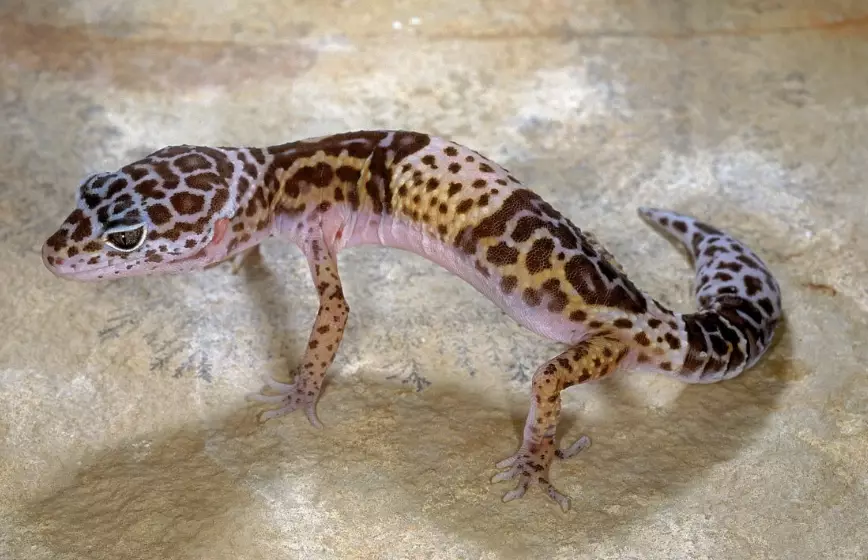
A Closer Look at the Champion: The Black Night
The Black Night deserves its own spotlight. It's not just a dark gecko. Poor lighting can make a Dark Mack Snow look blackish, but a true Black Night is different. In person, the black is profound and uniform, often with a subtle sheen that makes it look like living obsidian.
The genetics are shrouded in some secrecy, which adds to the mystique. It's believed to involve multiple recessive genes interacting in a specific way. Breeders working with them report low yields of top-quality animals. You might see "Black Night possible hets" (heterozygotes) for sale for a few hundred dollars, but a proven, visual adult Black Night is a major investment. I've only seen a handful in person at large reptile expos, usually in display cases, not for sale.
Why You Rarely See These Geckos For Sale
Finding one of these morphs on a mainstream pet site like MorphMarket is like winning the lottery. Here’s where they usually are:
Private Breeder Networks: Top-tier rare morphs often sell via word-of-mouth, through Instagram DMs, or on private Facebook groups before they ever hit a public listing. You need to be connected.
High-End Reptile Expos: Sometimes, a breeder will bring a single specimen to a major show like the National Reptile Breeders' Expo (USA) or Hamm (Germany) to showcase their program. It might be for sale, but be prepared for a bidding war or a price that makes you blink.
Holdbacks for Future Breeding: The first rule of rare morph breeding: you keep your best animals to breed more. The few that are sold are often males or females that don't fit the breeder's perfect visual standard. The absolute best are almost never sold.
This scarcity is a double-edged sword. It protects the morph's value but also means you have to be extra diligent. You can't easily compare multiple sources.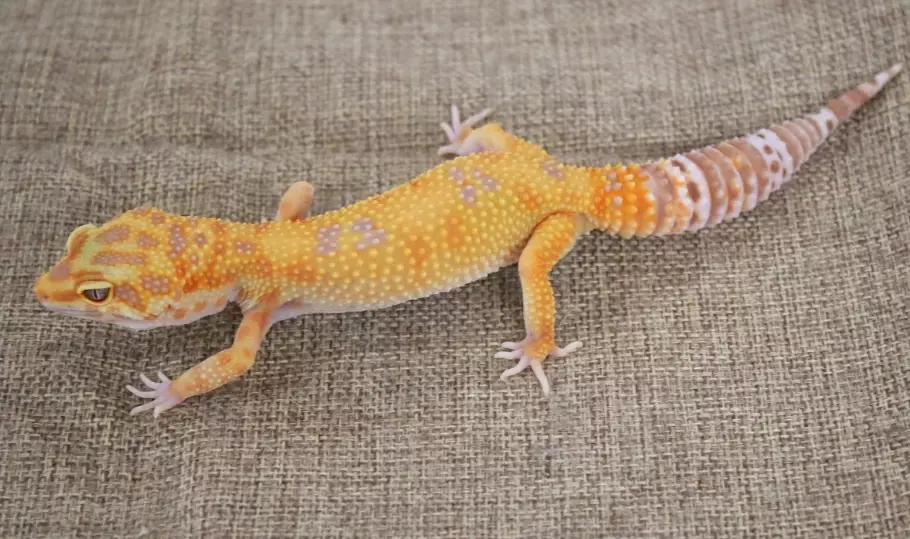
Thinking of Buying a Rare Morph? Read This First
If you're tempted by the allure of the rarest color leopard gecko, pump the brakes for a second. Let's talk reality.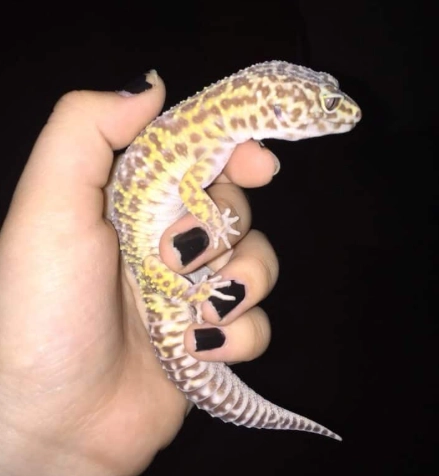
Health Over Hype: Always, always ask for detailed health records and photos. A $3,000 gecko that won't eat is a tragedy. Inquire about the parents, clutch size, and the animal's feeding response. A reputable breeder will volunteer this info.
The Source is Everything: Buying a rare morph from an unknown online seller is a massive risk. Stick to breeders with established reputations who are active in the community. Look for reviews, ask for references. Websites like MorphMarket have breeder ratings, and forums like Geckos Unlimited have community feedback.
Are You Ready for the Pressure? Owning a living creature worth thousands of dollars brings stress. Your enclosure setup needs to be flawless—proper thermostats, backups for heat sources. You'll be paranoid about escapes or injuries. It's a different level of commitment.
My personal advice? Start with a beautiful but more accessible morph like a Super Hypo Tangerine Carrot Tail or a Mack Snow. Master their care. Build a relationship with a good breeder. Then, if you're still captivated, consider stepping into the world of ultra-rare genetics. The gecko's quality of life should always come before the color in your collection.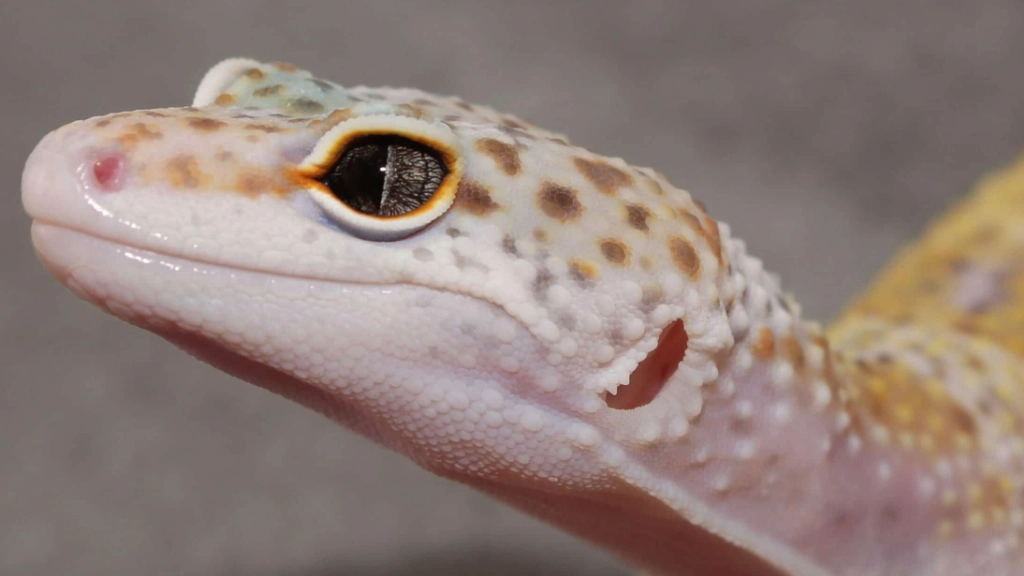
Your Rare Leopard Gecko Questions Answered
How much does the rarest leopard gecko actually cost?
For a top-quality, breeding-age animal from the most elite morphs (like a Black Night), prices range from $2,500 to well over $5,000. "Hets" (animals carrying the gene but not showing it) are cheaper, often $300-$800, but you're gambling on genetics and waiting years to breed them. Remember, the purchase price is just the start. Factor in shipping (which can be $100+ for an overnight, insured shipment), a premium enclosure setup, and ongoing high-quality food and vet care.
Why is the Black Night leopard gecko so expensive and rare?
It boils down to genetics and control. The morph originated from a limited genetic pool in Europe, and the specific combination of recessive genes needed to produce that perfect jet-black appearance is difficult to replicate consistently. Even when two Black Nights are bred, not all offspring will be visual Black Nights—some will be hets or express differently. This low yield, combined with massive demand from collectors and breeders wanting to establish their own lines, keeps the price astronomically high. It's a classic case of artisanal production versus mass market.
As a beginner, should I aim for a rare color morph?
Absolutely not. This is the most common mistake I see. Beginners are often drawn to the most exotic looks, but rare morphs are for experienced keepers. Start with a hardy, well-established morph from a responsible breeder. Learn how to identify a healthy gecko, maintain perfect temperatures and humidity, and handle common issues like shedding or refusing food. A $100 gecko that thrives is infinitely more rewarding than a $3,000 gecko you struggle to keep healthy because you're learning on the job. Build your skills first; the rare colors can come later.
Can rare morphs have more health problems?
They can, but it's not a direct rule. The risk comes from the breeding practices, not the color itself. If a breeder is solely focused on amplifying a rare color trait and uses very closely related animals (inbreeding) to do it quickly, genetic problems can pop up—weaker immune systems, neurological issues (like Enigma Syndrome), or structural problems. A truly ethical breeder of rare morphs works to expand the gene pool and prioritizes health and temperament alongside color. Always ask a breeder about their outcrossing practices and if they test for or guarantee against known genetic issues in their lines.
Where is the most reliable place to find information on rare morph genetics?
Forget general pet sites. Go straight to the specialized community resources. The book The Herpetoculture of Leopard Geckos by Ron Tremper is a foundational text. Online, the Leopard Gecko Wiki is a collaborative project with detailed morph descriptions. For real-world discussion and breeder insights, forums like Geckos Unlimited are invaluable. Finally, following respected, transparent breeders on social media (who explain their pairings and results) is a great way to learn the current state of rare morph development.
Reader Comments