You see one big, hairy spider, you've seen them all, right? That's the first misconception I need to clear up. After keeping tarantulas for over a decade, I can tell you the variety is staggering. We're talking about over a thousand species, each with its own personality, lifestyle, and care requirements. From the docile, earth-toned giants of the Americas to the lightning-fast, jewel-colored tree-dwellers of Asia, the world of tarantulas is a spectrum. This guide isn't just a dry list of names. It's a map to help you navigate the two major worlds of tarantulas, spot the perfect beginner species, and avoid the common pitfalls that send new keepers running (often while their new pet is running faster in the opposite direction).
What's Inside?
The Great Divide: New World vs. Old World
This is the single most important concept in tarantula keeping. It dictates everything—temperament, defense mechanisms, and care difficulty.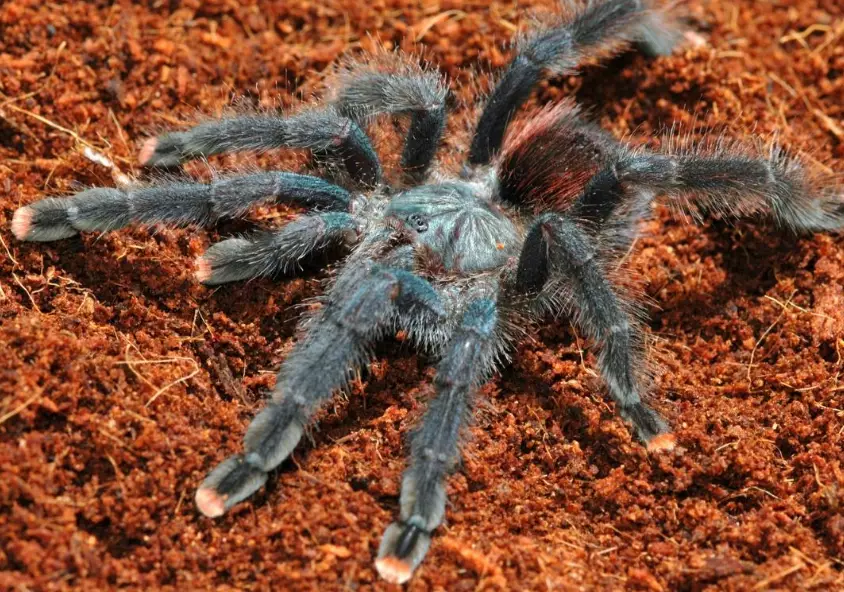
New World Tarantulas hail from the Americas. Their signature move? Urticating hairs. These are tiny, barbed hairs on their abdomen that they kick into the air with their back legs when threatened. For you, it feels like fiberglass insulation—itchy, irritating, and potentially dangerous if they get in your eyes or lungs. For the tarantula, it's a brilliant first line of defense. It means they're less likely to bite. Their venom is generally mild, comparable to a bee sting for most species. Think of them as the "show, don't throw" type. They'll warn you.
Old World Tarantulas come from Africa, Asia, and Australia. They lack urticating hairs entirely. So what's their plan? Speed, aggression, and medically significant venom. When threatened, their default is not to warn you but to bolt at lightning speed or assume a threatening posture. A bite from an Old World species like a Pterinochilus (Mombasa Golden Starburst) or an Heteroscodra (Togo Starburst) can cause severe pain, muscle cramps, and nausea for days. They are breathtakingly beautiful and incredibly fast. I've seen them move from one side of an enclosure to the other in a blur. They are not pets you handle. Ever.
| Feature | New World Tarantulas | Old World Tarantulas |
|---|---|---|
| Origin | The Americas | Africa, Asia, Australia, Europe |
| Primary Defense | Kicks urticating hairs | Speed, threat posture, potent bite |
| Typical Temperament | Generally calmer, slower | Often defensive, nervous, very fast |
| Venom Potency | Usually mild (bee-sting level) | Often medically significant |
| Recommended for Beginners? | Yes, the best choice | No, advanced keepers only |
| Example Genera | Brachypelma, Grammostola, Aphonopelma | Pterinochilus, Poecilotheria, Ceratogyrus |
Lifestyles & Habitats: Ground, Tree, and Hole
Beyond geography, tarantulas are defined by how they live. Getting this wrong means a stressed spider and a frustrated keeper.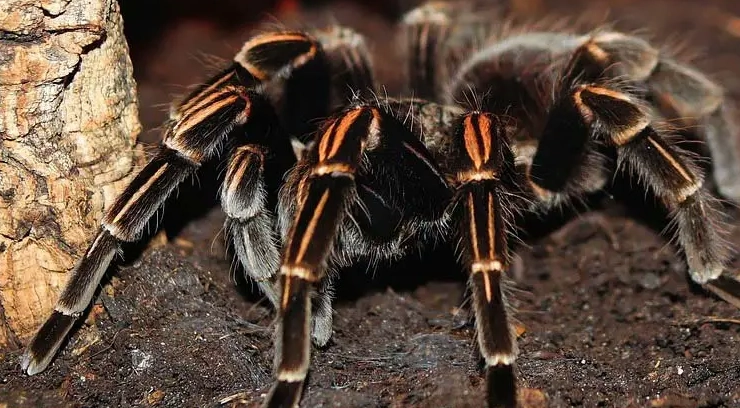
Terrestrial Tarantulas
These are the ground-dwellers. They need more horizontal space than vertical. A good rule is an enclosure that's 3 times the spider's leg span in length and 2 times in width. They appreciate a hide (like half a cork bark round) and a shallow water dish. Most beginner species, like the Chilean Rose Hair (Grammostola rosea), are terrestrial. They're often more visible and easier to manage during enclosure maintenance.
Arboreal Tarantulas
Tree-dwellers. They need a tall enclosure with plenty of vertical climbing space, anchored cork bark tubes, or plants. They're fascinating to watch build elaborate funnel webs against their perches. Species like the Pink Toe Tarantula (Avicularia avicularia) are popular New World arboreals. They can be a bit more skittish and prone to bolting. Old World arboreals, like the stunning Poecilotheria genus (ornamental tarantulas), are among the most beautiful and challenging to keep.
Fossorial Tarantulas
The master excavators. They spend most of their lives in deep, self-dug burrows. You'll need to provide a deep substrate (8+ inches of moist coco fiber/soil mix) and maybe a starter burrow. You might not see them for weeks, but watching them remodel their tunnels is a unique reward. Many Old World species, like the Cobalt Blue (Cyriopagopus lividus), are fossorial. They're a flash of incredible color you glimpse only rarely. A common beginner mistake is giving a fossorial species a shallow tank—it stresses them immensely.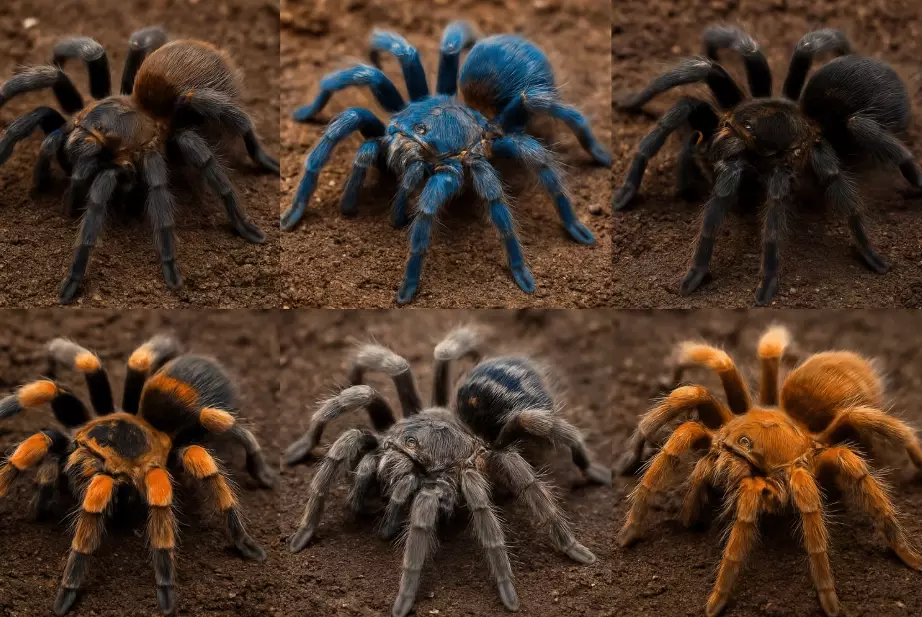
Top Beginner Tarantulas You Can Actually Enjoy
Let's get specific. Here are the workhorses of the hobby, the species that have taught countless people to appreciate spiders. I'm focusing on temperament, hardiness, and availability.
The Curator's Choice: Mexican Redknee (Brachypelma hamorii)
This is the classic tarantula, the one in all the movies. It's slow-moving, stunning with its black body and orange knee joints, and famously long-lived (females can hit 30 years). They're a bit more expensive as slings (spiderlings) but grow into impressive, docile adults. They do kick hairs if provoked, but they're rarely aggressive. A perfect display animal.
The Unkillable Legend: Chilean Rose Hair (Grammostola rosea/porteri)
For years, this was the beginner tarantula. Why? They're incredibly hardy. They can go on hunger strikes for months without issue. They tolerate a range of temperatures and are usually very calm. The downside? They can be boring. They're often called "pet rocks" because they sit in one spot for days. Some individuals can also be unpredictably defensive. But for a low-maintenance, forgiving first spider, they're hard to beat.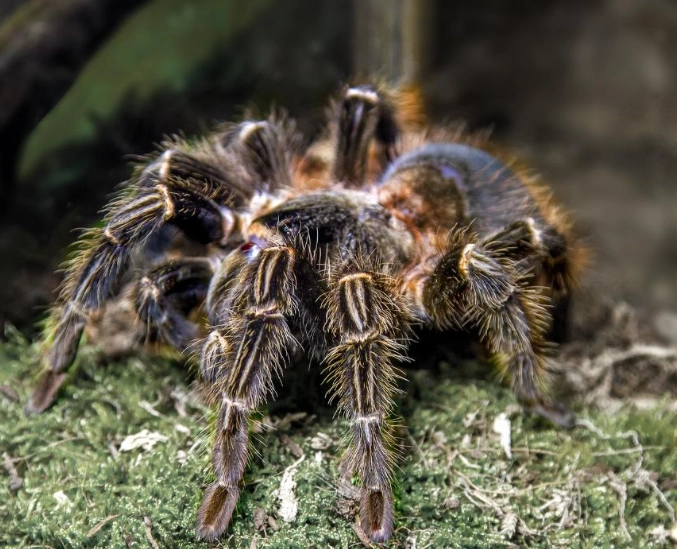
The Underrated Gem: Curly Hair Tarantula (Tliltocatl albopilosus)
This is my top recommendation for new keepers today. They're affordable, fast-growing (for a tarantula), have an adorable fuzzy appearance, and an almost always docile temperament. They're enthusiastic eaters and great webbers, often decorating their enclosures with interesting tunnels of silk and substrate. They have urticating hairs but are less prone to kicking them than a Redknee. You get more activity and personality for your dollar.
For the Adventurous Keeper: Stepping Up Your Game
Once you've mastered the basics of humidity, feeding, and safe rehousing, the hobby opens up. Here's where you find the real exotics.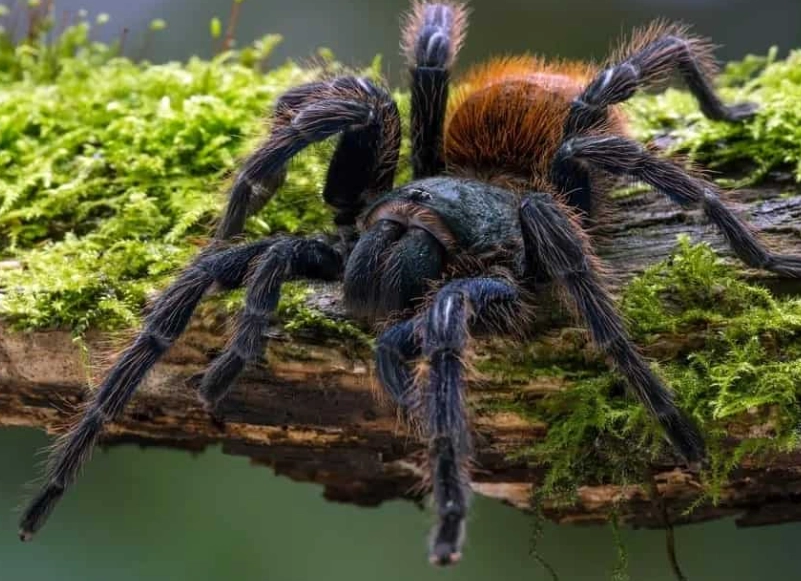
New World Arboreals: Try a Pink Toe (Avicularia avicularia) or a Trinidad Chevron (Psalmopoeus cambridgei). Psalmopoeus are particularly interesting—they're fast, New World tarantulas with no urticating hairs, acting as a kind of "intermediate" step before Old Worlds. Their venom is considered more potent than other New World species.
Old World Showstoppers: This is the deep end. The Ornamental Tarantulas (Poecilotheria spp.) from India and Sri Lanka are arguably the most beautiful, with intricate geometric patterns. They are also fast, defensive, and have potent venom. The Baboon Tarantulas, a loose grouping of several African genera like Pterinochilus and Harpactira, are known for their incredible speed, striking colors, and attitude. Keeping these requires research, confidence, and serious safety protocols (deep substrate, secure lids, working over a large bin to catch escapes).
Choosing Your First Tarantula: A Practical Walkthrough
Don't just pick the prettiest picture. Think through this process.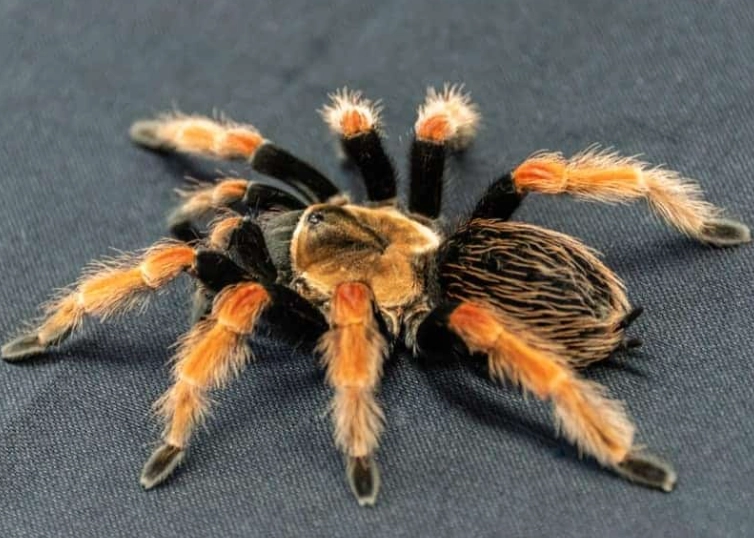
1. Set Your Budget: It's not just the spider. Factor in a proper enclosure (a 5-10 gallon tank or a specialized acrylic terrarium), substrate, hides, a water dish, long tweezers, and a small spray bottle. The initial setup for a beginner species can cost $100-$200 easily.
2. Spiderling vs. Juvenile/Adult: Slings are cheaper and let you watch the growth process, but they're fragile, can be hard to feed, and you won't know their sex for years. Buying a confirmed female juvenile is more expensive but guarantees a long-lived pet and skips the delicate baby phase.
3. Source Responsibly: Buy from reputable breeders or specialty exotic pet stores. Avoid chain pet stores for tarantulas; their stock is often misidentified and poorly cared for. Good breeders can provide specific care advice and lineage information. Check forums and reviews.
4. Have the Enclosure Ready Before the Spider Arrives: This is non-negotiable. Your tarantula will be stressed from shipping. The last thing you want is to be fumbling with substrate while it's in a deli cup. Set everything up, check temperatures, and let it settle for a day.
Common Mistakes & How to Sidestep Them
I've seen these happen again and again.
Over-misting. Tarantulas aren't tropical frogs. Most need a water dish and occasional light misting on one side of the enclosure for species-specific humidity, not a daily soaking. Wet substrate can breed mold and bacteria, and kill a terrestrial tarantula. A bone-dry enclosure for a moisture-dependent species is just as bad. Research your species' needs from sources like the American Tarantula Society or dedicated breeder care sheets.
Overfeeding. A fat tarantula is an unhealthy tarantula. It can lead to fatal falls if their abdomen ruptures. An adult terrestrial tarantula may only need one or two large crickets every 7-14 days. They can go much longer without food. When in doubt, underfeed.
Focusing Only on Looks. That electric blue Cyriopagopus lividus is stunning, but it's a pet hole that will hide 95% of the time and has a nasty bite. Are you okay with that? Choose a species whose behavior and care level match your expectations.
Improper Handling Expectations. Handling is stressful for the tarantula and risky for you. It provides no benefit to the animal. Some docile species may tolerate it, but a fall from even a few feet can be fatal. The hobby is moving towards observation-based keeping. Enjoy them from outside the glass.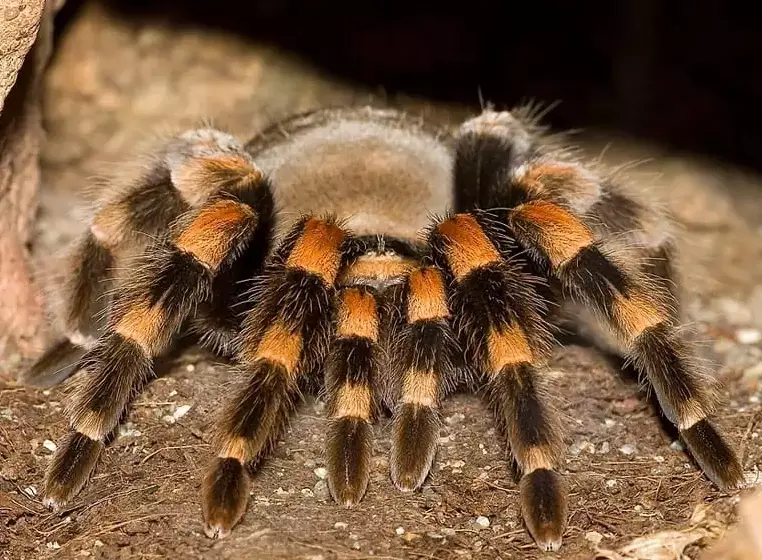
Your Tarantula Questions, Answered
What is the best type of tarantula for a complete beginner?
How many different types of tarantulas exist in the world?
What is the main difference between New World and Old World tarantulas?
Do tarantula types have different lifespans?
The world of tarantulas is deep and endlessly fascinating. It's a hobby of patience and observation, of learning to read the subtle behaviors of an ancient creature. Start slow, do your homework, and choose a spider that fits your life. You might just find yourself captivated by a pair of eight-legged eyes staring back at you from a beautifully crafted burrow or web.
Reader Comments