You know the pet. The docile, patterned lizard blinking slowly under a heat lamp. But the animal in that terrarium is a ghost of its former self. To understand what a leopard gecko truly is, you have to forget the pet store and picture the rocky, arid foothills of Afghanistan, Pakistan, and parts of India. That's where the real story happens.
I've kept leopard geckos for over a decade, and the more I learned about their wild origins, the more I realized how much we misunderstand them in captivity. Their "cuteness" is a byproduct of safety. In the wild, they are survivors of a brutal, beautiful landscape.
What’s Inside: Your Quick Guide
Home Among the Rocks: The Wild Leopard Gecko Habitat
Forget sand. The classic desert dune image is wrong for them. Their world is a rocky, semi-arid grassland or desert scrub. Think hard-packed soil, scattered boulders, and sparse, tough vegetation.
The key isn't open space—it's hiding space.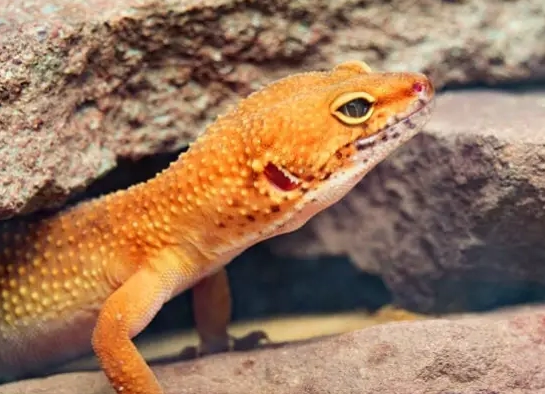
Their primary real estate is the network of cracks, fissures, and burrows under and between rocks. These aren't just hides; they're life-support systems. A study on reptile microhabitat use, like those referenced by the IUCN, shows how critical these thermal refuges are. The rock retains heat from the day, providing a warm buffer at night. It also offers protection from predators like foxes, snakes, and birds of prey.
- Region: Eastern Afghanistan, Pakistan, northwestern India.
- Terrain: Rocky foothills, arid grasslands, dry riverbeds (wadis).
- Key Feature: Abundant crevices and burrows (often originally made by other animals).
- Soil: Firm, not loose sand. Loose sand is a liability for burrow collapse.
This is the first big mistake new keepers make: using fine, loose sand substrate because it looks "desert-like." In reality, that habitat would be a death trap, risking impaction and unstable burrows. Their native ground is more like compacted earth or clay.
Master of the Micro-Climate: Daily Behavior and Survival
Wild leopard geckos are masters of energy conservation and micro-climate exploitation. They are strictly nocturnal, but their relationship with the sun is indirect and clever.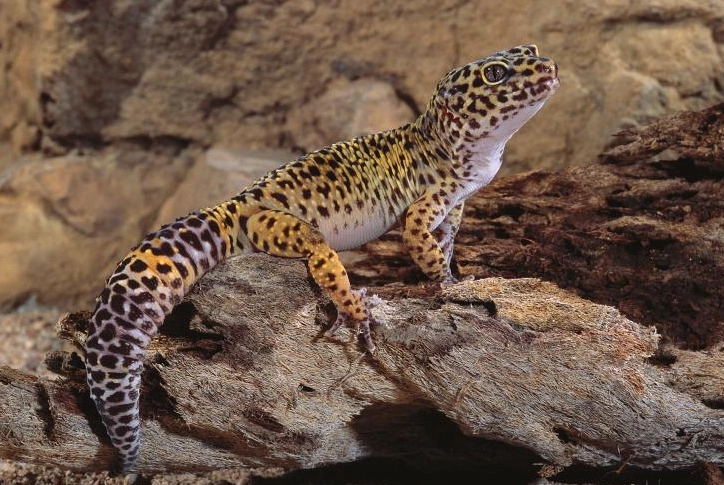
The Temperature Gradient is Everything
During the scorching day, they retreat deep into cool, damp crevices. As afternoon wanes, they might move to a shallower part of the crevice, warmed by the residual heat stored in the rock. By nightfall, they emerge to hunt, using the warm ground surface radiating the day's heat.
They don't bask under a direct light like a bearded dragon. They conductively bask by pressing their bellies against sun-warmed rocks in the late afternoon or at night. This is why an under-tank heater often works better than a heat lamp for captives—it mimics that belly heat from a warm rock.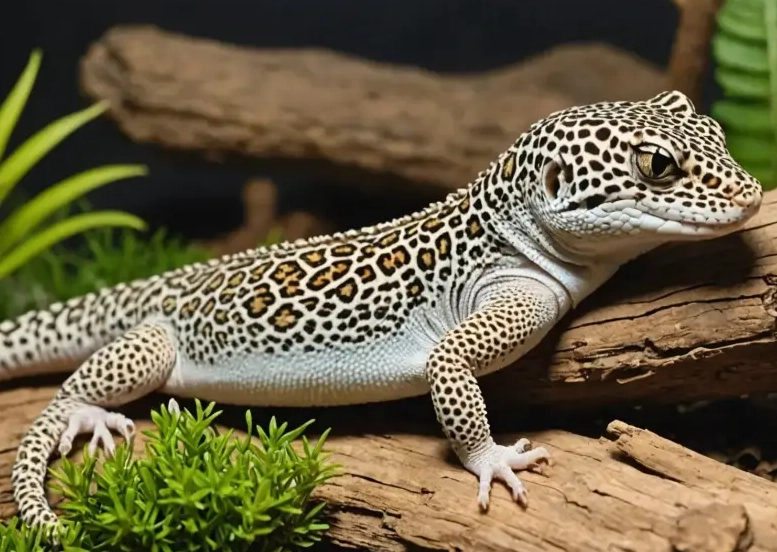
The Famous Tail Drop: A Last Resort
Autotomy (tail dropping) is a common defense. But in the wild, losing that fat-storage tail is a severe setback. It's not a party trick; it's a desperate gamble for another few weeks of life. A tailless gecko must find enough food to regrow it before winter or a lean period hits. In captivity, with constant food, regrowth is rapid. In the wild, it's a race against time.
The Wild Diet: More Than Just Crickets
Their menu is opportunistic and diverse. It's not a bowl of mealworms.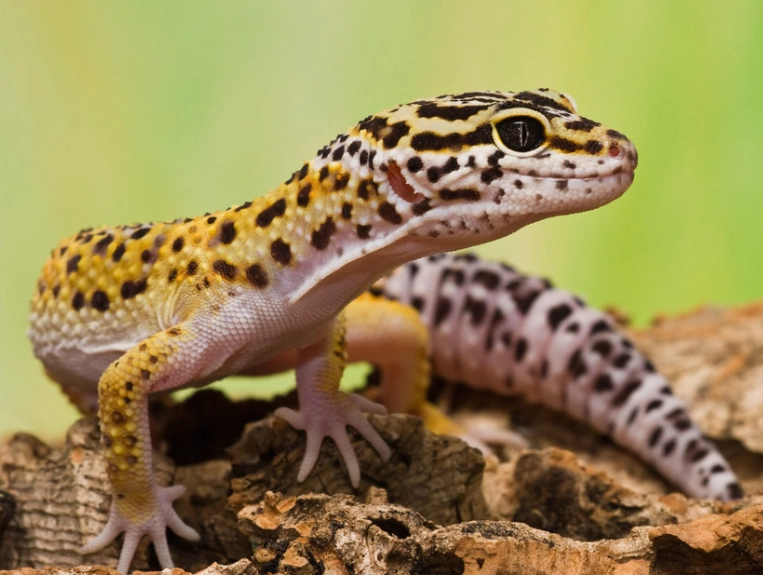
They'll eat any small arthropod they can overpower: beetles, spiders, scorpions, centipedes, and yes, crickets and grasshoppers. This variety provides a broad spectrum of nutrients. A scorpion's exoskeleton offers different minerals than a moth's wings.
This is the rationale behind "gut-loading" and varying feeder insects in captivity. You're trying to compensate for the lack of dietary diversity. Feeding only one type of insect, like mealworms, is the nutritional equivalent of a human eating only potatoes.
Water is a precious commodity. They likely get most of their moisture from prey and by licking dew or condensation that forms on rocks and plants in the cool, early morning hours.
From Wild to Wardian Case: Key Differences for Keepers
Understanding the wild counterpart makes you a better keeper. It explains their needs and quirks. Let's break down the core differences.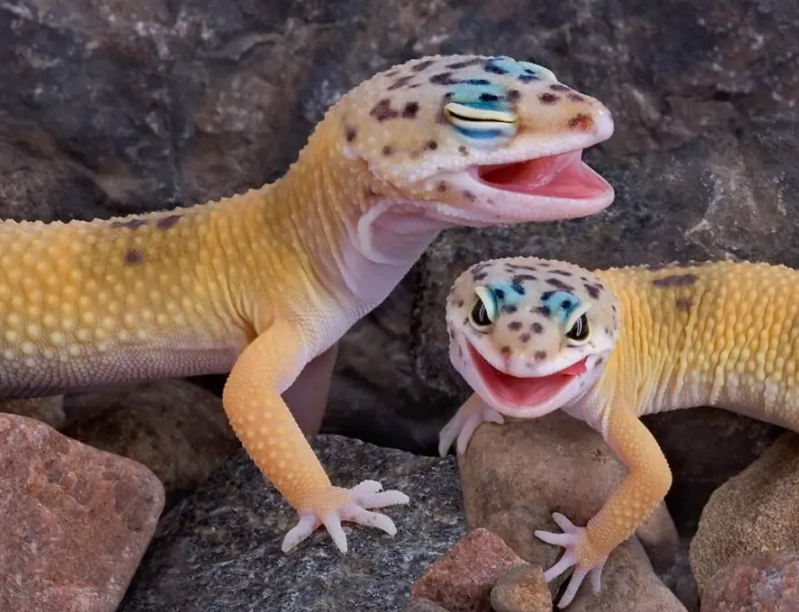
| Aspect | Wild Leopard Gecko | Pet Leopard Gecko |
|---|---|---|
| Primary Concern | Survival (predators, food, climate) | Comfort (stable heat, offered food) |
| Activity Cycle | Nocturnal, dictated by ground temperature | Nocturnal/Crepuscular, often synced with household activity |
| Diet | Extremely varied, seasonal insects/arachnids | Limited to 3-5 commercially bred feeder insects |
| Thermoregulation | Seeks micro-climates in rocks/soil over hundreds of meters | Moves between a warm hide and a cool hide in a 20-gallon tank |
| Hydration | From prey, dew, rare rainwater | From water dish and gut-loaded feeders |
| Lifespan | Estimated 5-8 years (due to predation, hardship) | Routinely 15-20+ years with proper care |
The most profound difference is psychological. A wild gecko is in a constant state of low-grade vigilance. Every movement could be a predator. The pet gecko, after generations of captive breeding, has had that anxiety largely bred out. That's why they can be so tractable. We've selected for calmness.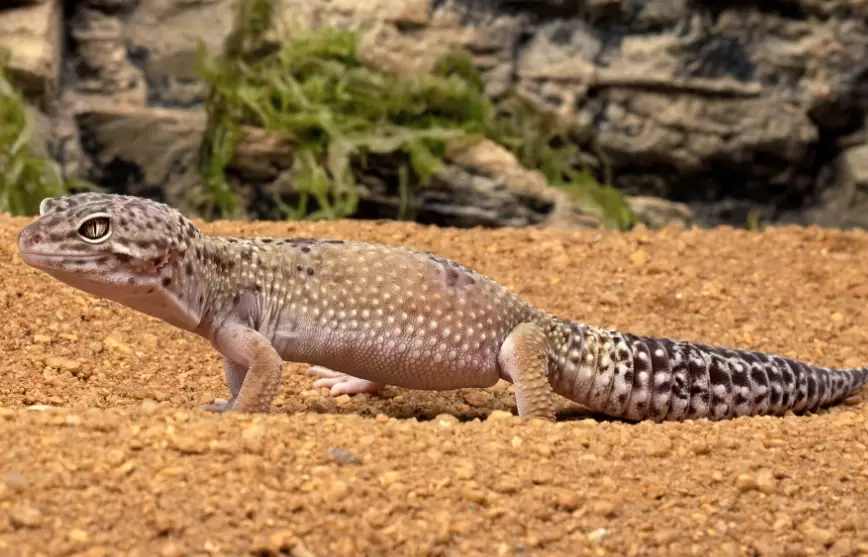
Conservation Status: Not Just a Pet
The Eublepharis macularius you own is almost certainly captive-bred, and that's a good thing. Decades ago, the pet trade relied heavily on wild-caught specimens. This put pressure on local populations.
Today, the IUCN Red List classifies the species as Least Concern. But that label needs context. It reflects a wide distribution and presumed large population. It does not mean they are free from threats.
The major threat now is habitat loss and degradation from expanding agriculture, overgrazing, and development. The rocky foothills they call home are not spared. While captive breeding has eased collection pressure, the silent erosion of their native landscape continues. Organizations like the International Union for Conservation of Nature (IUCN) monitor these trends.
Supporting ethical, captive-breeding practices isn't just about getting a healthier pet; it's a direct contribution to leaving wild populations undisturbed.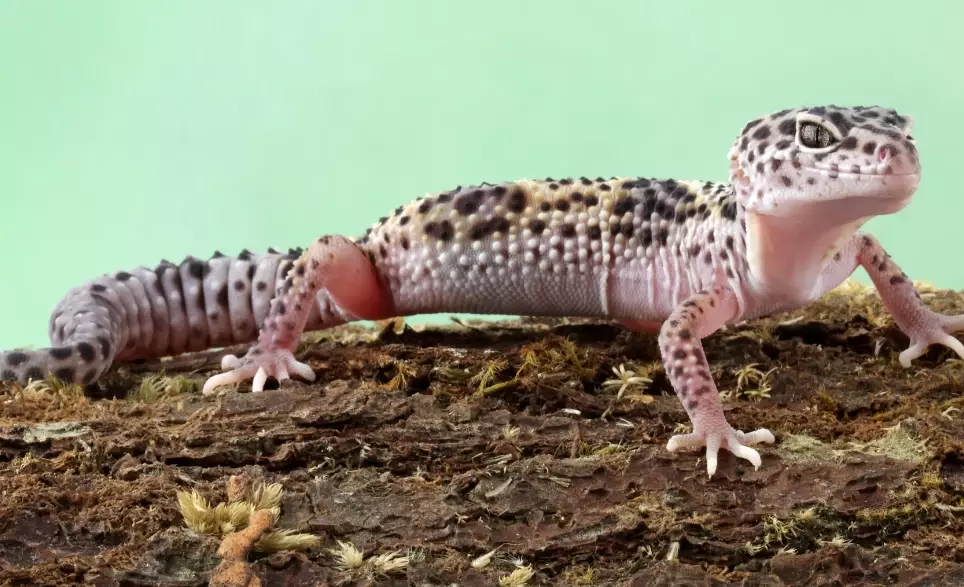
Reader Comments