Let's cut to the chase. The short, definitive answer is no, leaf-tailed geckos do not live in groups. If you're picturing a happy little colony of Uroplatus sharing a branch in a Madagascar rainforest, you need to erase that image. These are solitary, territorial, and often aggressive animals towards their own kind. Housing them together is one of the most common and serious mistakes a keeper can make, often leading to stress, injury, or death for one or all geckos involved.
I've seen the aftermath of this misunderstanding too many times. A well-meaning reptile enthusiast buys a "pair," only to find one gecko perpetually hiding, losing weight, or showing bite marks. The internet is full of conflicting advice, but from both scientific observation and decades of herpetoculture experience, the consensus among true experts is clear: leaf-tails are loners.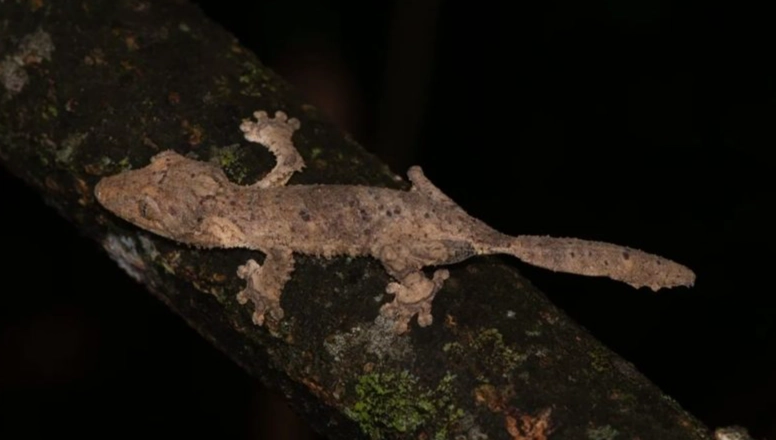
Quick Navigation: What You'll Learn
The Solitary Truth: Nature's Design
In the wild, across all ~20 species of Uroplatus—from the massive Satanic leaf-tailed gecko (Uroplatus phantasticus) to the giant leaf-tail (Uroplatus fimbriatus)—individuals maintain exclusive territories. A study published in the Journal of Herpetology focusing on Uroplatus sikorae noted extremely low encounter rates of multiple adults in the same immediate vicinity outside of the breeding season. When two were found close, it was typically a male and female during a brief courtship window, or two males displaying aggressive posturing.
Think of their habitat. They are sit-and-wait predators, masters of camouflage. Their entire evolutionary strategy is based on being invisible. Having another similarly sized, moving object nearby isn't just annoying; it blows their cover. It alerts prey and potentially attracts predators. Their survival depends on being a lone, motionless piece of bark or leaf.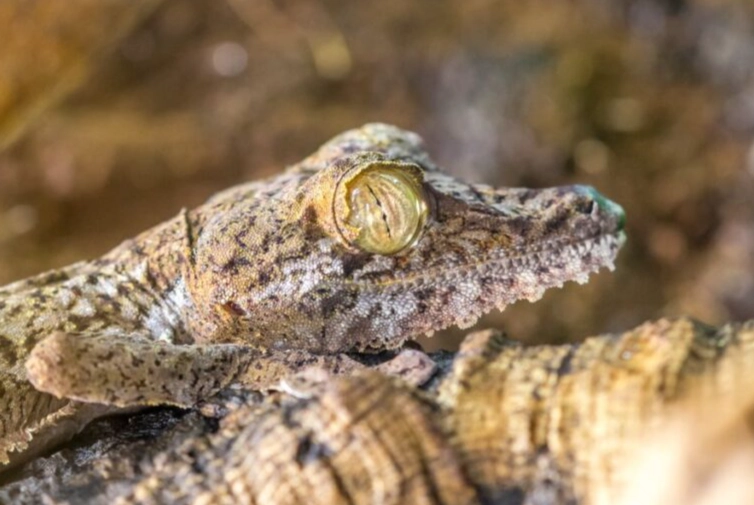
Key Takeaway: Solitary behavior in leaf-tailed geckos isn't a suggestion; it's a core component of their predatory and anti-predator biology. Forcing them into a social setting disrupts this fundamental instinct.
Why "Lone Wolf" is Their Survival Strategy
This isn't arbitrary. Several concrete, interlocking reasons make group living not just unnecessary but detrimental for Uroplatus.
Camouflage and Hunting Don't Work in Committees
A leaf-tailed gecko's primary hunting method is ambush. It finds a prime perch along a potential insect highway, flattens its body, and becomes part of the scenery. Success depends on absolute stillness and the element of surprise. Another gecko in the same hunting ground means competition for food and double the movement, which scares off prey. In captivity, even in a large vivarium, the dominant gecko will often claim the single "best" hunting spot, leaving the subordinate with suboptimal areas and less food.
Territory is Everything
These geckos don't share space. A territory provides food, shelter from the elements, and hiding places from predators (like birds and larger reptiles). In the constrained world of a terrarium, even a spacious one, establishing a territory is impossible if another gecko is present. The constant, low-grade stress of having an intruder in what should be their exclusive domain leads to chronic stress. This suppresses the immune system, reduces appetite, and shortens lifespan.
I remember a conversation with a breeder who specialized in Uroplatus henkeli. He had a simple rule: "One gecko, one enclosure. No exceptions." He recounted how early in his career, he tried housing two juvenile females from the same clutch together. They were fine for months, until one day he found one with a severely damaged tail and the other hiding in a corner, refusing to eat. The stress had built up silently until it erupted. That was the last time he ever attempted cohabitation.
The High Stakes of Group Housing in Captivity
This is where theory meets the hard reality of reptile keeping. Many care sheets online will vaguely say "can be aggressive" or "best kept singly." Let me be brutally specific about what "aggressive" actually means for a leaf-tail owner.
The risks aren't always immediate, bloody fights. More often, it's a slow, insidious decline of the subordinate animal. Here’s what you’re risking:
- Chronic Stress: The subordinate gecko lives in a constant state of fear. You'll see it hiding all the time, often in the least ideal spot (e.g., buried in substrate instead of on its preferred branch). It will eat less, be more skittish, and have a weaker immune response.
- Physical Injury: Bites are common. Leaf-tails have strong jaws for their size. Bites can cause open wounds, lead to infections, or result in lost toes or tail segments. Tail loss is a major stressor and energy drain, as they won't regenerate a perfect leaf-shaped tail.
- Resource Guarding & Starvation: The dominant gecko will monopolize food. Even if you see both eat, the dominant one may be intercepting the best prey items or intimidating the other away from feeding time. The subordinate slowly loses weight.
- Failed Breeding Attempts: A common misconception is that a "pair" can live together. Introducing a male to a female should only be done for supervised, short periods for breeding. Leaving them together leads to the female being harassed relentlessly, which can cause injury and prevent her from recovering between egg-laying cycles, drastically shortening her life.
The space argument—"but my tank is huge!"—rarely holds up. In the wild, a subordinate can flee for dozens of meters. In a tank, even a 50-gallon one, there is no true escape. The stressor is always present, visible, and inescapable.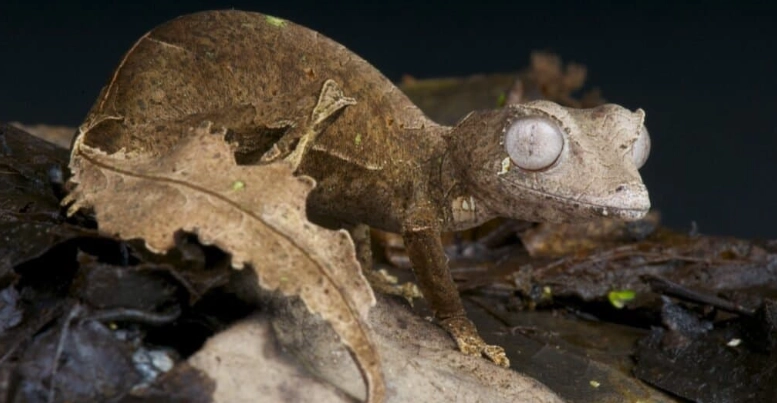
Your Questions, Answered by Experience
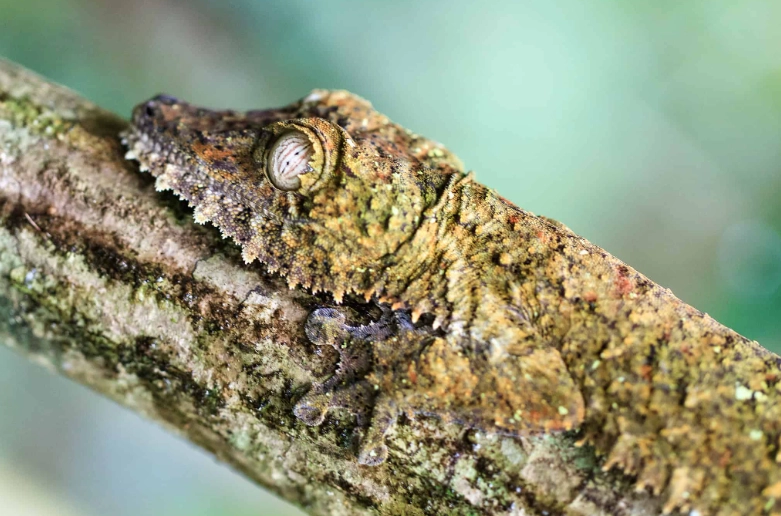 Understanding that leaf-tailed geckos are solitary creatures isn't a limitation; it's the first step to providing them with truly excellent care. By respecting their need for a territory of their own, you eliminate the single greatest source of captive stress. You give them the security to exhibit their full range of natural behaviors—incredible camouflage, patient hunting, and calm exploration—all on their own terms.
If you take away one thing, let it be this: the best thing you can do for your leaf-tailed gecko's wellbeing is to give it the gift of solitude. It's what nature designed them for.
Reader Comments