Let's talk about crested gecko food. It seems simple, right? You buy a powder, mix it with water, and you're done. If only it were that straightforward. After years of keeping these fantastic little lizards, I've seen the confusion firsthand—the overflowing bowls of uneaten mush, the geckos that seem to plateau in growth, the frantic searches online when a pet suddenly loses interest in eating. The truth is, what you put in that food dish is the single most important factor in your crested gecko's long-term health, color, and vitality. Get it wrong, and you're setting the stage for metabolic bone disease, obesity, or a lethargic pet. Get it right, and you'll have a thriving, active gecko that lives a full lifespan.
This guide isn't just a list of ingredients. We're going to dig into the why and how, compare the major brands you'll find on the shelf, and tackle the specific feeding challenges that most care sheets gloss over.
What's in This Guide?
What Should Be in Crested Gecko Food?
Crested geckos are omnivores with a strong preference for fruit. In the wild, their diet is a messy buffet of overripe fruit, pollen, nectar, and the occasional insect for protein. Our job is to replicate that nutritional profile in a stable, safe powder.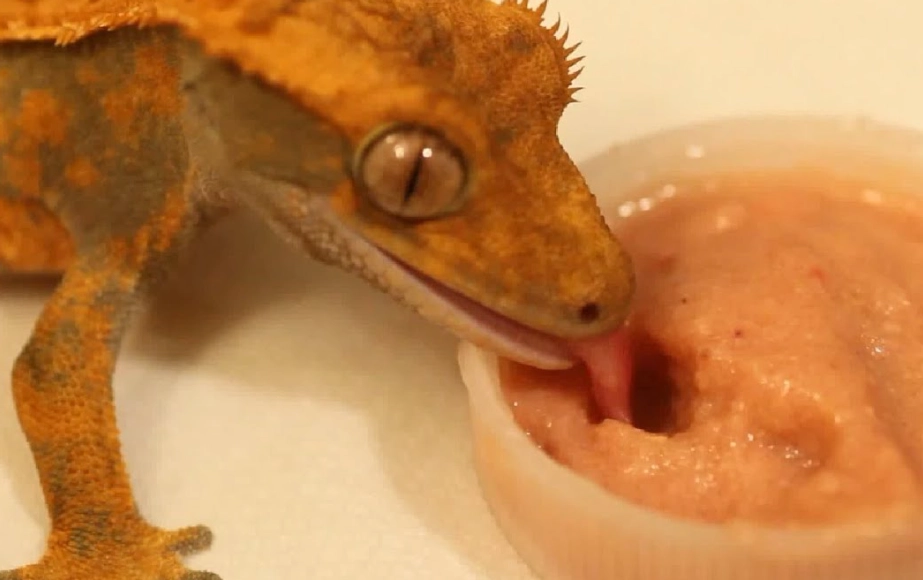
The core components are non-negotiable:
- Protein: Aim for 20-25% of the dry matter for growing geckos, 15-20% for adults. This usually comes from insect meal (like cricket or black soldier fly larvae meal). Too little protein hampers growth; too much can strain their kidneys over time.
- Calcium and Vitamin D3: This is the big one. Crested geckos are prone to Metabolic Bone Disease (MBD). Their food must have a calcium-to-phosphorus ratio of at least 2:1, and it must include a safe, balanced amount of vitamin D3 to allow calcium absorption. Never guess with supplementation.
- Fruits and Carbohydrates: This provides energy and mimics the natural fruit intake. Look for formulas with real fruit powders (fig, apricot, banana) rather than just sugar and flavoring.
- Fats and Other Vitamins: A good mix includes essential fatty acids and a full spectrum of vitamins like A, E, and B-complex.
A quick note on insects: While complete commercial diets are formulated to be... well, complete, most experienced keepers (myself included) still offer live, gut-loaded insects like small crickets or dubia roach nymphs once a week or every other week. It provides enrichment, mental stimulation, and a different texture. Think of it as a supplement to the staple diet, not the other way around.
Commercial Diets vs. Homemade Mixes: The Real Story
You'll find passionate arguments on both sides. Let's cut through the noise.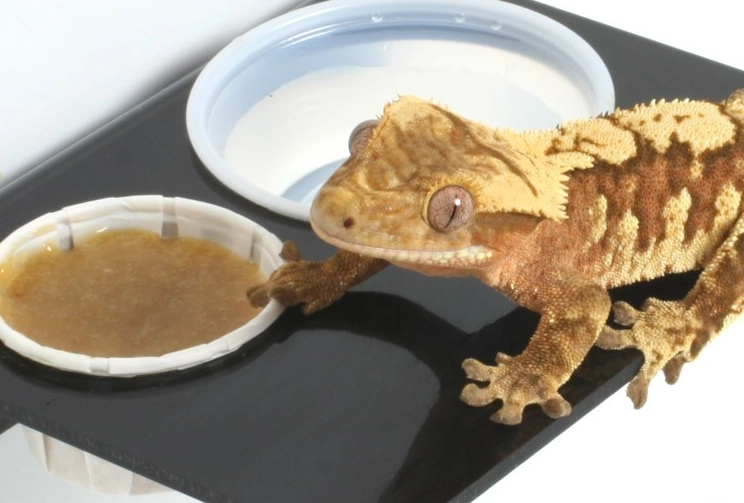
The Case for Commercial Diets
Brands like Pangea and Repashy have invested years of research into creating nutritionally complete formulas. The biggest advantage is consistency and safety. Every scoop has the exact same calcium level, vitamin mix, and protein content. You eliminate the risk of human error in balancing powders, which is a real risk with MBD lurking. They're also incredibly convenient and have a long shelf life. For 95% of keepers, a high-quality commercial diet is the best and safest choice.
The Allure (and Pitfalls) of Homemade Food
Some breeders swear by their "secret recipes" of baby food, protein powder, and supplements. The theory is control and potentially lower cost. The reality is fraught with risk.
The main issue is achieving and maintaining that perfect 2:1 Ca:P ratio. Off-the-shelf baby food is often phosphorus-heavy. Calculating the correct amount of powdered supplement to mix into a small batch is tricky. A slight miscalculation repeated over months can lead to deficiencies or toxicities. I tried a homemade blend early in my keeping days, and despite being meticulous, I noticed my geckos' growth wasn't as robust as when I switched them to a proven commercial brand. It wasn't worth the anxiety.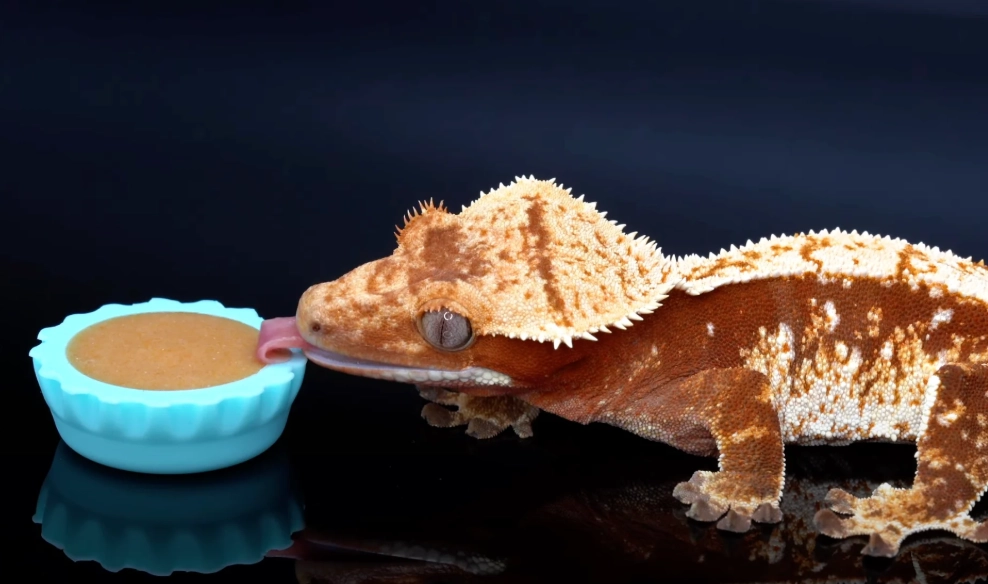
My take: Unless you are a seasoned breeder with a background in reptile nutrition and access to lab-grade ingredients and mixing equipment, stick with a reputable commercial diet. The risk of harming your gecko is not worth the marginal potential benefit of a homemade mix.
A Hands-On Review of Top Commercial Diets
Not all commercial foods are created equal. Here’s my breakdown of the three major players, based on years of use and observation of my own colony's health, growth rates, and, frankly, which ones they gobble up fastest.
| Brand & Formula | Key Features | What My Geckos Think | Best For |
|---|---|---|---|
| Pangea Fig & Insects | High protein (22%), real fig powder, includes insect meal. Often considered the "growth formula." | This is the crowd-pleaser. I've never had a gecko refuse it. It mixes to a perfect consistency and smells like fig newtons. | Growing juveniles, breeding females, picky eaters who need enticing. |
| Repashy Crested Gecko Diet (Classic) | The original. Balanced nutrition, uses fruit pulp, gels firmly. A trusted staple for decades. | They eat it reliably, though not with the same enthusiasm as Pangea Fig. The firm gel can be good for placing on ledges. | A reliable all-life-stages diet. Great for keepers who want a proven, no-fuss option. |
| Zoo Med Crested Gecko Food | Widely available in pet stores. Comes in a few fruit flavors. | Acceptance is hit or miss. Some of mine eat it, others ignore it. I find it can clump more when mixing. | An emergency or temporary option if your primary brand is out of stock. Not my first choice for a staple. |
| Pangea Watermelon / Repashy Grubs 'N Fruit | Flavor-focused formulas (Watermelon) or insect-forward options (Grubs 'N Fruit). | These are fantastic for rotation. Offering different flavors every few weeks keeps interest high and provides nutritional variety. | Rotating into your feeding schedule to prevent flavor fatigue and ensure a broad nutrient intake. |
My personal routine? I use Pangea Fig & Insects as my base staple about 60% of the time. The other 40%, I rotate in other flavors like Pangea Watermelon or Repashy's Grubs 'N Fruit. This rotation system has kept all my geckos interested and in top condition.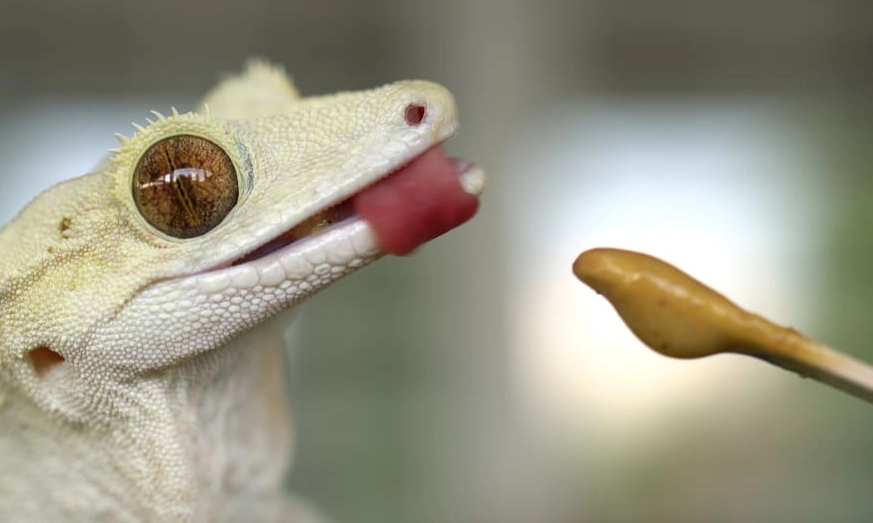
How Often and How Much to Feed: A Practical Schedule
Frequency is just as important as the food itself. A common mistake is leaving old food in the tank for days. Here's a simple schedule that works.
- Juveniles (Under 15 grams): Food should be available every night. They are growing machines. Offer a fresh, ketchup-sized smear or a small bottle cap full.
- Adults (Over 25 grams): Feed every other night, or 3-4 times a week. This prevents obesity. A blob about the size of a large pea is sufficient.
- All Ages: Remove uneaten food after 24-36 hours. It will spoil, grow bacteria, and attract fruit flies. I feed in the evening and remove the dish the following morning if it's mostly eaten, or the next evening at the latest.
Mixing Tip: Aim for a consistency similar to ketchup or a thick smoothie. Too watery and it's messy; too thick and they might not recognize it as food. Use warm (not hot) water to help it blend smoothly.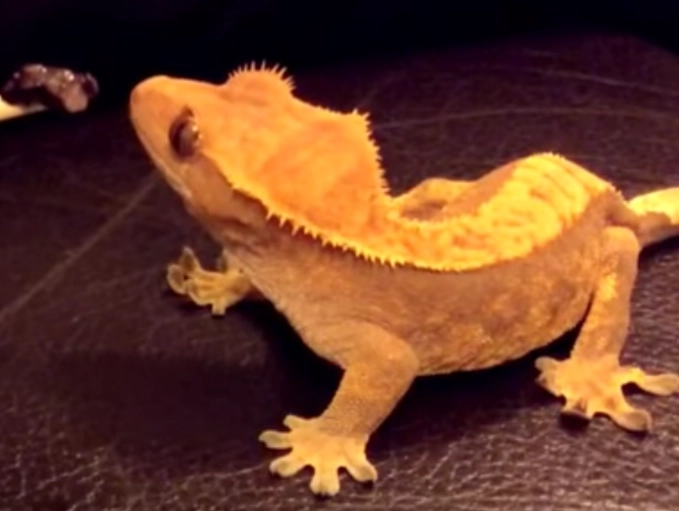
The 3 Most Common (and Costly) Feeding Mistakes
These are the errors I see repeatedly in online forums and from new keepers.
1. Relying Solely on Live Insects
This is a historic mistake. Crested geckos cannot live on crickets alone. They will develop severe calcium deficiency and MBD. Insects are a treat or supplement, never the main course.
2. "Gutting" the Food Dish Daily
You put food in, it's gone in the morning, so you assume your gecko ate a ton. More often than not, the food has just dried out or evaporated, especially under a heat lamp. Look for actual bite marks or a cleaned dish. Weigh your gecko monthly with a gram scale to track real growth.
3. Ignoring Flavor Fatigue
Crested geckos can get bored. If you feed the exact same flavor for months and they suddenly stop eating, it's not always illness—they might just be sick of it. This is why rotating between 2-3 trusted formulas is a pro-tip that prevents unnecessary vet visits.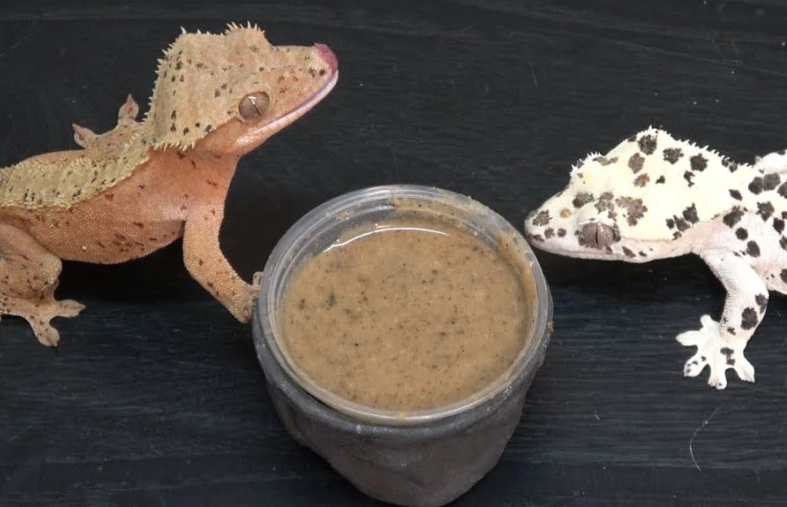
Reader Comments