You look into the enclosure and see your cat gecko, motionless in its favorite hide. Is it sleeping, basking, or something else? If you've ever found yourself puzzling over your cat gecko's seemingly endless naps, you're not alone. Understanding cat gecko sleep isn't just about curiosity—it's a direct window into their health and happiness. After keeping these unique reptiles for over a decade, I've learned that their resting patterns tell a more complex story than most care sheets let on. Let's cut through the generic advice and look at what's really happening when your cat gecko closes its eyes.
What's Inside This Guide
What Normal Cat Gecko Sleep Looks Like
First, forget mammal sleep. Cat geckos (Aeluroscalabotes felinus) are crepuscular to nocturnal. In plain English, they're most active at dawn, dusk, and through the night. Their daytime is for resting. A healthy, unstressed cat gecko will spend a significant portion of the daylight hours in a state of rest or light sleep.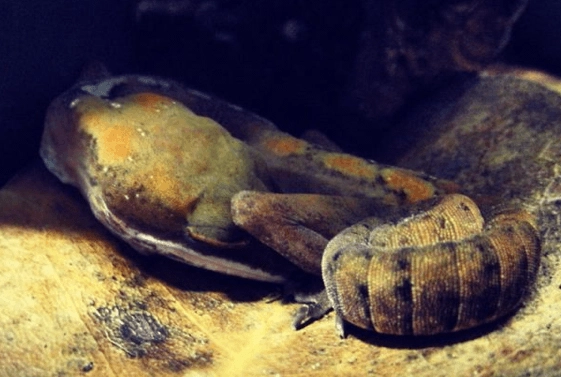
Here’s what you’ll typically observe:
- The Classic Curl: Often tucked into a tight ball, limbs folded, head tucked down. They favor enclosed spaces like cork bark tubes, dense foliage, or specialized reptile hides.
- Eyes Closed or Half-Closed: You might see a thin, translucent membrane (the nictitating membrane) partially covering the eye.
- Minimal Movement: Aside from occasional slight adjustments, they remain still. Breathing is slow and almost imperceptible.
One nuance most beginners miss is the difference between deep sleep and light rest. During deep sleep, they are completely unresponsive to minor disturbances outside the enclosure. In light rest, they are aware—you might see an eye crack open slightly if you walk by. Both are normal.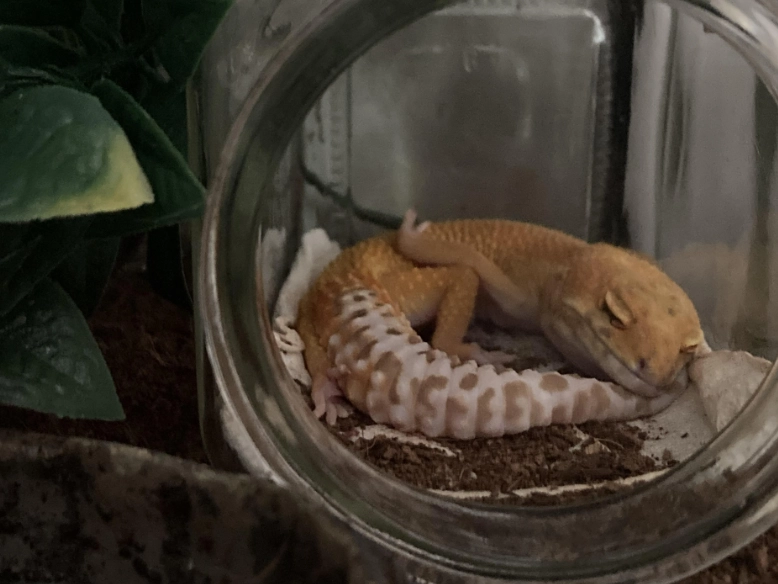
A Key Insight: Don't mistake their daytime inactivity for laziness or poor health. This is an evolved survival strategy. In the wild, being inactive during the day when diurnal predators are about is a smart way to stay safe. Your gecko is simply following its natural rhythm.
Sleep vs. Stress: The Critical Difference
This is where experience matters. A sleeping gecko and a stressed, hiding gecko can look similar to the untrained eye, but the context and subtle signs are totally different. Mistaking stress for sleep is a common error that can let health issues fester.
| Sign | Healthy Sleep / Rest | Stress or Illness |
|---|---|---|
| Timing | Primarily during the day; active at night. | Hiding constantly, day AND night; no visible nighttime activity. |
| Posture | Relaxed, curled, limbs tucked comfortably. | Body may be tense, flattened against the ground; limbs splayed awkwardly. |
| Eyes | Closed or half-closed peacefully. | May be wide open and alert even when hiding; a constant "on edge" look. |
| Response to Food | Will readily emerge and hunt at feeding time (dusk/night). | Shows little to no interest in food, even when presented. |
| Location | Seeks a secure, preferred hide. | May hide in unusual, often more exposed places (like behind a plant pot instead of inside a hide). |
I once had a gecko that started "sleeping" in a corner near the water dish instead of its usual log. It looked peaceful, but the change in location was the red flag. It turned out the humidity in its primary hide had dropped too low. They often seek specific microclimates when something's off.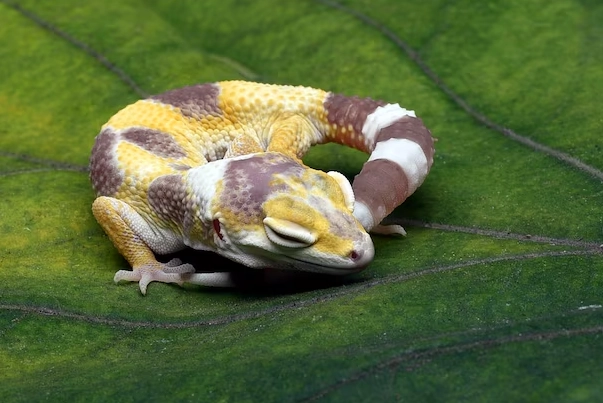
The Main Environmental Stressors That Disrupt Sleep
If your gecko isn't sleeping well, check these first:
Incorrect Temperature Gradient: Cat geckos need a cool end around 70-75°F (21-24°C) and a warm spot of about 80-82°F (27-28°C). If the whole tank is too warm, they have nowhere to cool down and rest comfortably. A common mistake is using a heat mat that's too large or not regulated by a thermostat, cooking the entire enclosure floor.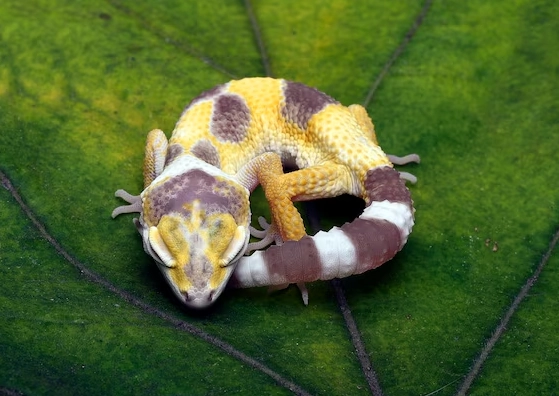
Low Humidity or Wrong Hydration: Native to humid forests, they need 70-80% humidity. Chronic low humidity doesn't just cause shedding problems; it makes them feel exposed and uncomfortable, preventing deep rest. Misting systems on timers can help, but a deep layer of moisture-retaining substrate like sphagnum moss is often more effective than frequent spraying.
Lack of Security: An enclosure with sparse decoration is an anxiety box. They need a cluttered environment with multiple snug hiding options—both on the ground and elevated. Vertical space is crucial for this semi-arboreal species. A hide that's too large won't feel secure.
Watch Out For: Constant glass surfing or frantic climbing at night isn't "playfulness." It's almost always a sign of stress, often from seeing their own reflection, an enclosure that's too small, or environmental parameters being wrong. This directly competes with their need for restful sleep.
How to Create the Perfect Sleep Environment
Think like a cat gecko. You want a safe, humid, and temperature-varied apartment. Here’s a breakdown of the non-negotiables for promoting healthy sleep cycles.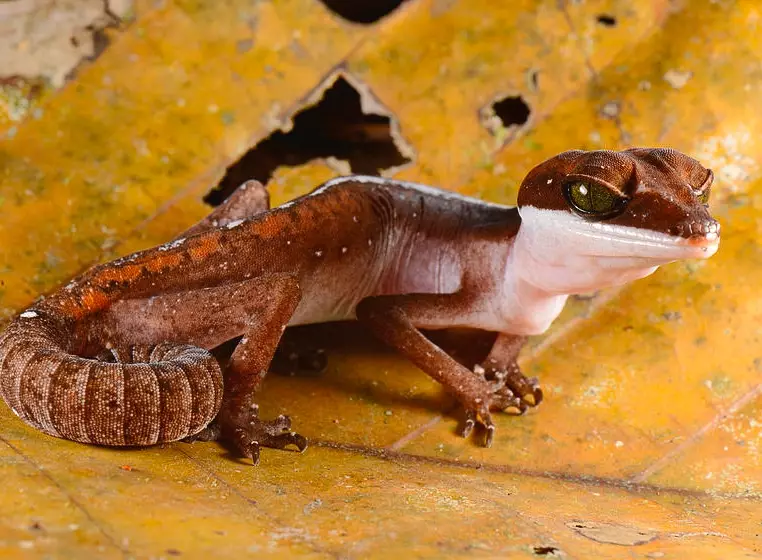
1. The Sanctuary Hide
Don't just throw in any hide. The primary sleep hide should be:
- Snug: Just large enough for the gecko to fit inside curled up, with sides lightly touching its body. This provides contact security.
- Enclosed: One small entrance. Cork bark rounds or flats are excellent.
- Moist: Place this hide over or within the moist substrate area to maintain higher humidity internally. I often pack a bit of damp sphagnum moss inside.
- Stable: Not something that gets moved during cleaning or feeding.
2. Temperature & Lighting for Rhythms
Light cycles are the primary cue for their sleep-wake cycle. Use a timer for any enclosure lighting.
- Daytime (10-12 hours): Gentle, ambient room light or a low-output LED plant light is sufficient. No bright, hot basking lights needed.
- Nighttime (12-14 hours): Complete darkness. Never use colored "night" bulbs like red or blue. Reptiles can see these spectrums, and they disrupt circadian rhythms. For supplemental heat at night if your room drops below 65°F (18°C), use a Ceramic Heat Emitter (CHE) or a Deep Heat Projector—both emit no light.
3. The Substrate Factor
A deep, bioactive-friendly substrate mix (like coconut coir, orchid bark, and leaf litter) isn't just for looks. It holds humidity at the ground level where your gecko sleeps, and it allows for natural burrowing behavior. A gecko that can slightly dig and mold its sleeping spot is a content gecko.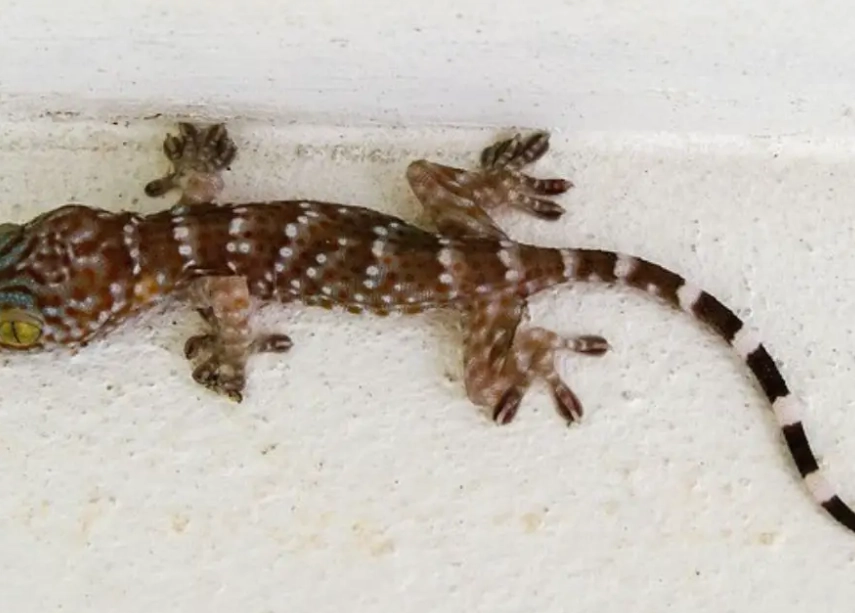
Troubleshooting Common Sleep Issues
Let's run through some specific scenarios you might face.
Scenario: "My gecko sleeps all the time, even when I take it out."
This isn't sleep; it's lethargy. A healthy cat gecko, when gently handled in a secure setting, will be curious and mobile, using its prehensile tail to explore. Constant lethargy is a major red flag for illness, improper temperatures (too cold), or nutritional deficiency. A vet visit is warranted.
Scenario: "It sleeps on the glass or in the open."
Sleeping in exposed areas usually means the provided hides are inadequate—maybe they're the wrong size, wrong humidity, or in a location the gecko doesn't like (e.g., too close to the heat source). Try adding more hides in different spots and with different orientations (horizontal vs. vertical).
Scenario: "It's active and sleeps at random times, day and night."
An erratic cycle often points to inconsistent light exposure. Is the enclosure in a room with lights or TV on late at night? Even light from a hallway under the door can be enough to confuse them. Ensure the sleep period is predictably dark and quiet.
Your Cat Gecko Sleep Questions Answered
Understanding your cat gecko's sleep is less about watching a clock and more about understanding context and rhythm. A predictable pattern of daytime rest and nighttime exploration, within a secure and properly set-up environment, is the hallmark of a thriving gecko. Pay attention to the subtleties—the choice of hide, the readiness to eat, the quality of nighttime activity. These details tell you far more than just counting hours of sleep ever could. Start by auditing their environment tonight; often, a single adjustment can transform their rest and your peace of mind.
Reader Comments