I remember the first time I heard the full scientific name for the common pet store green iguana. It was in a herpetology lecture, and the professor said "Iguana iguana" with a straight face. I thought it was a joke or a stutter. Turns out, it wasn't. That seemingly redundant name, Iguana iguana, is the official, globally recognized scientific tag for the animal many of us just call "green iguana." But here's the thing most care sheets gloss over: knowing that name isn't just academic trivia. It's the master key that unlocks a proper understanding of what this animal really needs from you. Misidentifying its needs—which often starts with not grasping what "Iguana iguana" truly represents—is why so many end up in rescues, stunted, or with metabolic bone disease.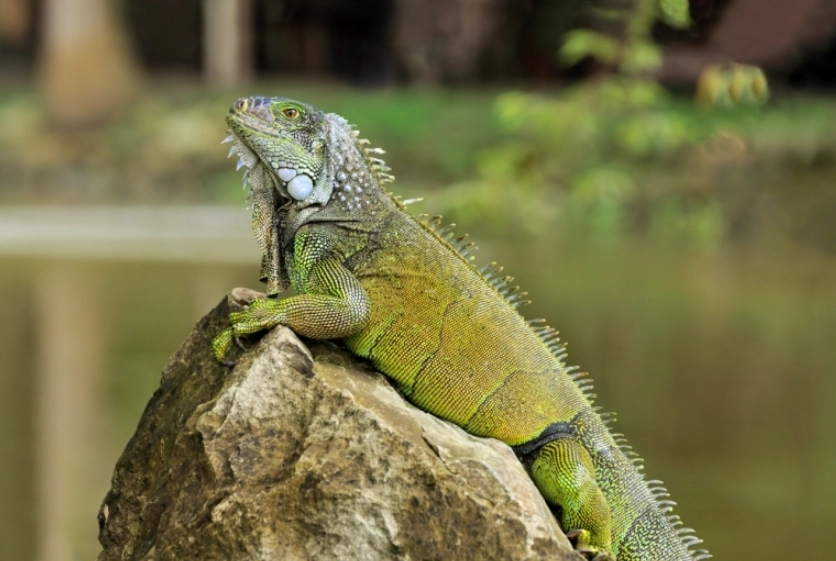
What’s Inside This Guide
Beyond Iguana iguana: A Taxonomy Breakdown
Let's crack this open. Iguana iguana follows the binomial nomenclature system (genus + species). The first "Iguana" is the genus. It's a club that includes a few other iguanas, like the Lesser Antillean iguana (Iguana delicatissima). The second "iguana" is the specific species name. So, the green iguana's full name essentially means "the iguana species within the Iguana genus." It sounds odd, but it's legitimate.
Where it gets practical is in the subspecies. Most pet trade green iguanas are Iguana iguana iguana (the nominate subspecies). There's also Iguana iguana rhinolopha, sometimes called the Mexican spiny-tailed iguana, which has more pronounced nasal horns. For the average owner, the subspecies distinction matters less than knowing your iguana's likely origin—because that hints at its climate adaptations.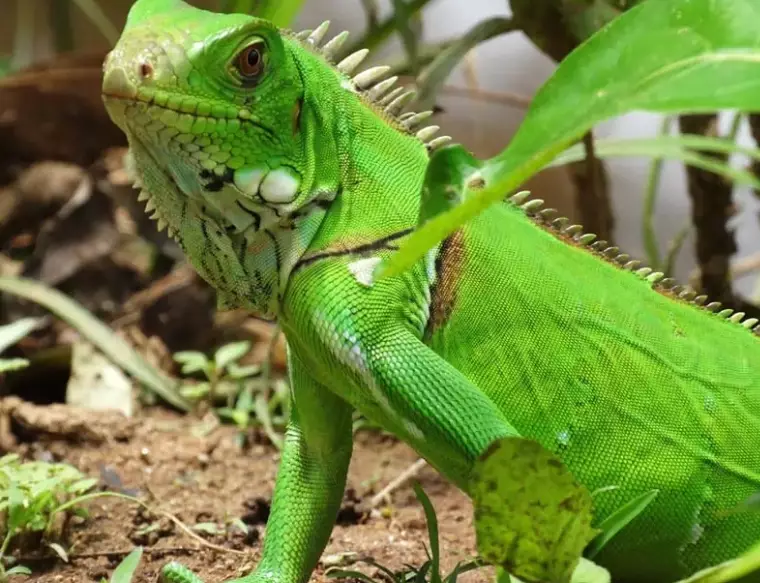
Why "Scientific Name" Beats "Common Name" Every Time
"Green iguana" can refer to several green-colored lizards. But say "Iguana iguana" to a vet, a breeder, or when searching research papers, and there's zero ambiguity. This precision is critical when you're diagnosing an illness or sourcing accurate care information. Relying on common names is how you end up following advice for a different reptile entirely.
Taxonomy isn't static. Research from institutions like the Smithsonian's National Museum of Natural History indicates there might be more genetic diversity within Iguana iguana than previously thought, suggesting possible cryptic species. For us keepers, the takeaway is that your "generic" green iguana might have subtle needs based on its specific lineage.
How Does This Scientific Name Affect Your Care?
This is where the rubber meets the road. Knowing you have an Iguana iguana tells you three non-negotiable things about its biology: it's a large, arboreal, herbivorous lizard from the neotropics. Every single care mistake stems from ignoring one of those facts.
The Size and Space Problem Nobody Wants to Talk About
A baby Iguana iguana fits in your hand. An adult male can exceed 6 feet and 15 pounds. The most common lie in pet stores is "they'll grow to the size of their enclosure." That's cruel nonsense. Stunting from cramped spaces causes severe organ damage and a miserable life.
Your enclosure must be an arboreal skyscraper, not a terrestrial ranch. The minimum for an adult is 6 feet tall, 3 feet wide, and 3 feet deep. Bigger is always better. I built my main enclosure 8ft x 4ft x 4ft, and even then, they use every inch. The vertical space is for climbing, basking at a gradient, and feeling secure. A wide, shallow tank is a prison for this species.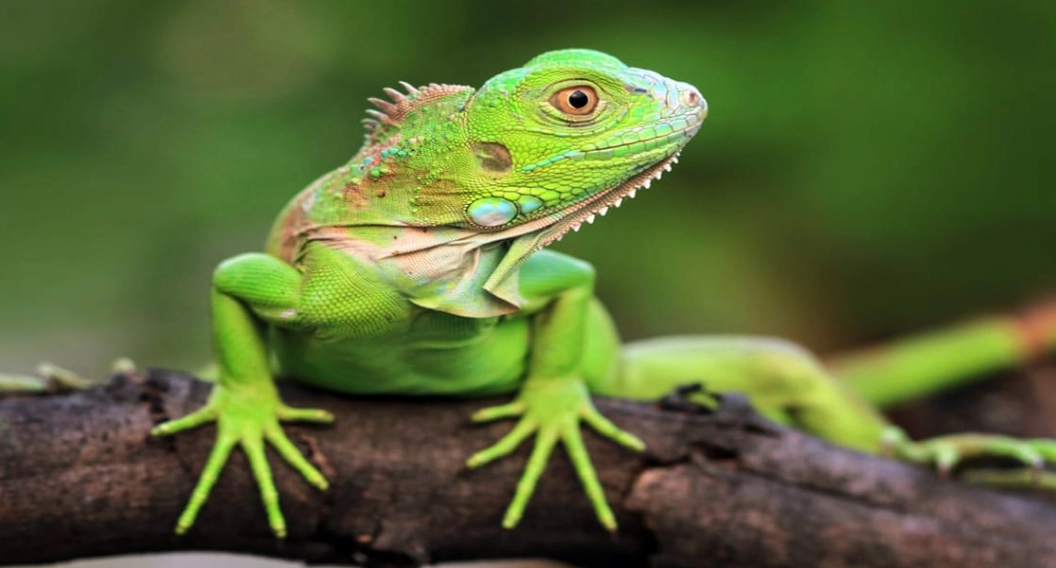
Recreating the Neotropical Canopy: Habitat Parameters
"Neotropical" means high heat, high humidity, and dappled sun. Here’s a breakdown of how to translate that:
| Parameter | Target Range | Why It's Critical for Iguana iguana | Common Pitfall |
|---|---|---|---|
| Basking Spot Temperature | 95-100°F (35-38°C) | Digestion and metabolism hinge on this core heat. | Using a weak bulb that doesn't hit target temp on the iguana's actual body. |
| Ambient Day Temperature | 80-85°F (27-29°C) | Provides a thermal gradient for regulation. | Letting the cool end drop below 75°F (24°C). |
| Night Temperature | 75-80°F (24-27°C) | A slight drop is natural; a crash is dangerous. | Turning all heat off at night in a cold room. |
| Humidity | 65-75% | Prevents chronic dehydration and aids shedding. | Misting once a day and calling it good. Use automated foggers/humidifiers. |
| UVB Lighting | 10.0-12.0 UVB T5 tube, 12-14 hours/day | Non-negotiable for calcium metabolism. Prevents Metabolic Bone Disease (MBD). | Using compact coil bulbs or placing the tube too far from the basking spot. |
The UVB point is huge. A study cited by the Association of Reptilian and Amphibian Veterinarians (ARAV) on reptile lighting consistently shows that forest-dwelling reptiles like Iguana iguana require strong, direct UVB exposure to synthesize vitamin D3. The light must be replaced every 6-12 months, even if it still turns on, as UVB output decays.
The Herbivore Diet: It's Not Just Lettuce
Another direct consequence of its scientific classification: Iguana iguana is an obligate herbivore as an adult. Juveniles may eat some insects, but adults thrive on a varied, calcium-rich, low-protein, low-oxalate diet.
Staple Greens (80-90% of diet): Collard greens, mustard greens, dandelion greens, escarole, endive, turnip greens. Romaine and iceberg are nutrient-poor and should be avoided.
Vegetables & Flowers (10-20%): Grated squash, bell peppers, green beans, hibiscus flowers, nasturtiums.
Fruits (Treat, Berries, mango, papaya. Avoid high-oxalate fruits like figs and kiwi regularly.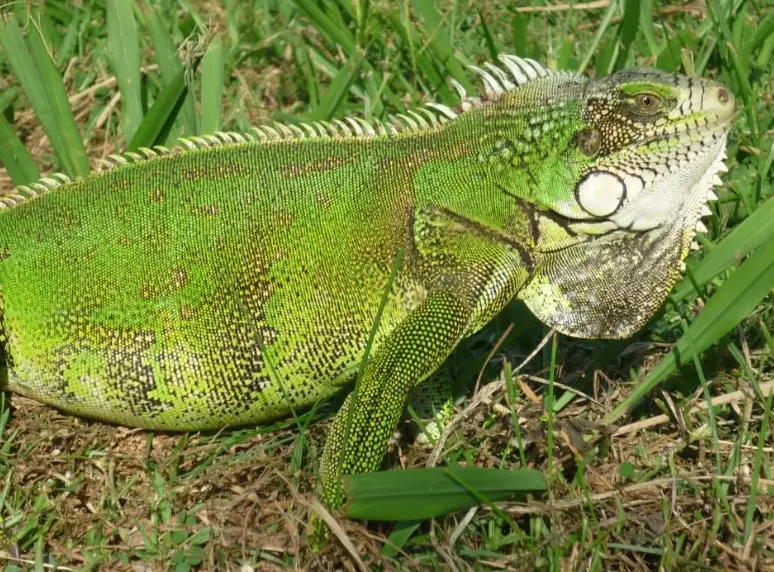
What Are the Most Common Health Issues in Green Iguanas?
Most health problems are husbandry-related. If you see these, your care parameters are off.
Metabolic Bone Disease (MBD): The big one. Soft, rubbery jaw, swollen limbs, tremors, inability to climb. Caused by insufficient UVB, low calcium, or high phosphorus in diet. It's preventable and, in early stages, treatable with drastic husbandry correction and vet care.
Kidney Disease: Often from chronic dehydration (low humidity) or a high-protein diet. Symptoms are vague—lethargy, weight loss—so blood work from an exotics vet is key for diagnosis.
Abscesses and Scale Rot: Usually bacterial, stemming from unclean enclosures, cuts from sharp décor, or persistently wet substrate.
Parasites: Even captive-born iguanas can have parasites. A fecal exam during your initial vet visit is a smart investment.
The best medicine is prevention. Find a vet who specializes in reptiles before you have an emergency. The Association of Reptilian and Amphibian Veterinarians has a find-a-vet tool.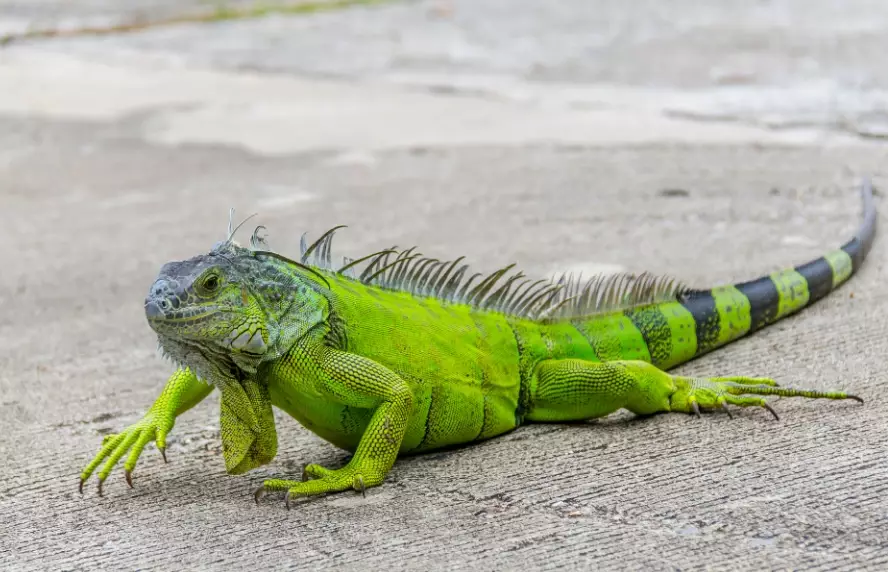
Green Iguana Owner FAQ: Answered by a Breeder
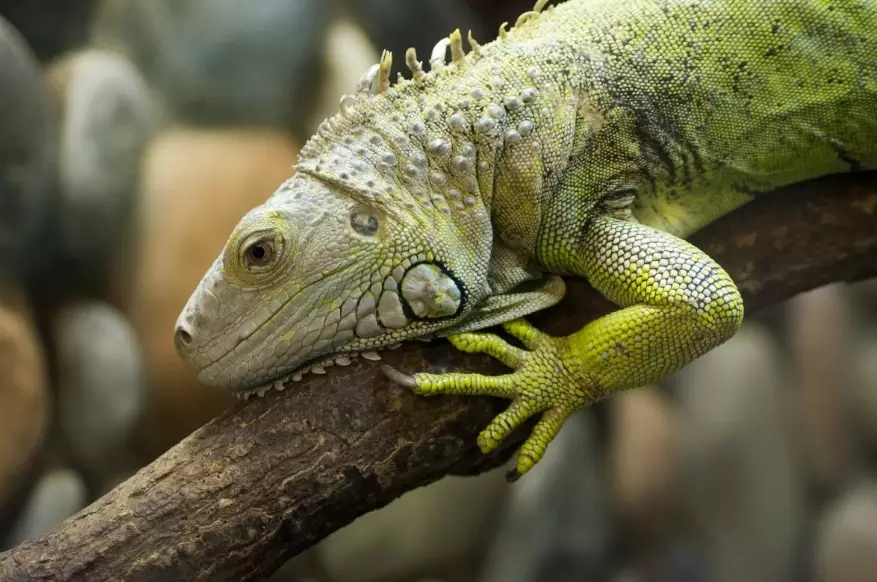 How do I tell the subspecies of my green iguana, and does it matter?
Understanding Iguana iguana is more than memorizing a name. It's committing to the reality of the animal behind that label—a demanding, magnificent, long-lived creature whose needs are specific and non-negotiable. Getting the science right from the start is the first, and most important, act of responsible care.
Reader Comments