Let's cut to the chase. No, leopard geckos are not poisonous. They are also not venomous. This is one of the biggest myths surrounding these popular pet reptiles, and it often stems from confusion with other animals. A leopard gecko's bite is a defensive pinch, not a toxic attack. The real concerns for owners aren't about venom, but about proper handling, hygiene, and creating a safe environment for both you and your gecko. I've kept these animals for over a decade, and the number of times I've been asked about "venom" still surprises me. The fear is real, but it's misplaced.
Quick Navigation
Understanding the Leopard Gecko Bite
Imagine a strong pinch from a pair of smooth, plastic tweezers. That's essentially what a leopard gecko bite feels like. Their teeth are tiny, designed for gripping and crushing insect exoskeletons, not for tearing flesh.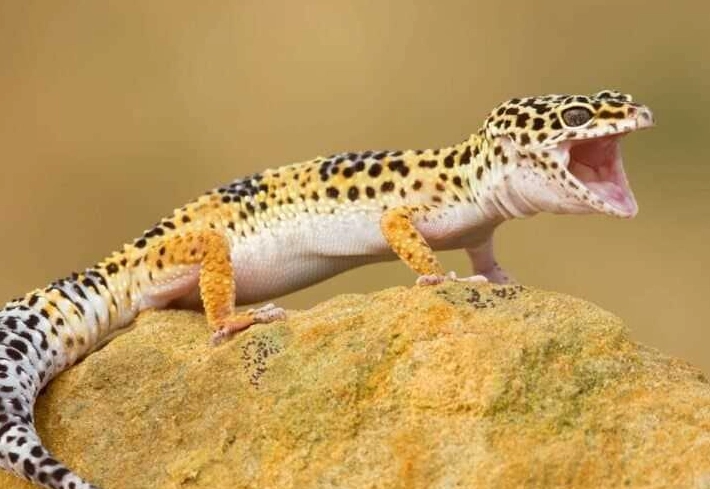
I remember the first time one of my geckos, a feisty juvenile named Ember, decided my finger looked like a worm. It was more startling than painful. There was a quick squeeze, a moment of surprise (from both of us), and then she let go. No blood, just a faint pressure mark that faded in minutes.
Bites are rare and almost always a case of mistaken identity (a wiggling finger) or a stress response from improper handling. An adult leopard gecko's jaw strength is minimal compared to other popular reptiles like bearded dragons.
What Does a Bite Look and Feel Like?
You might feel a sudden, sharp pinch. It rarely breaks the skin. If it does, it's usually a couple of tiny pinpricks, less significant than a paper cut. The primary reaction should be calmness – a startled jerk can injure your gecko's jaw or cause them to fall.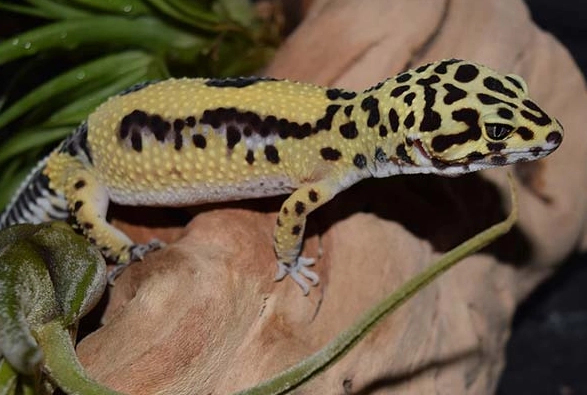
Poisonous vs. Venomous: Why Neither Applies
This is where people get tangled up. In biology, venom is injected (think snakes, spiders). Poison is absorbed or ingested (think poison dart frogs). Leopard geckos possess neither.
Some geckos, like certain species of day geckos from Madagascar, are considered mildly poisonous. They acquire toxins from their diet and sequester them in their skin as a defense against predators. If a predator licks or eats them, it gets sick. Leopard geckos (Eublepharis macularius) have a completely different biology and evolutionary path. They are desert-ground dwellers from arid regions of Afghanistan, Pakistan, and India. Their defense mechanisms are:
- Tail Autotomy: Dropping their tail to distract a predator.
- Camouflage: Their spotted pattern helps them blend into rocky substrates.
- Hiding: They are crepuscular, active at dawn and dusk, and spend most of the day in burrows.
They never evolved toxins because they didn't need to. Their survival strategy is based on evasion and sacrifice (the tail), not chemical warfare.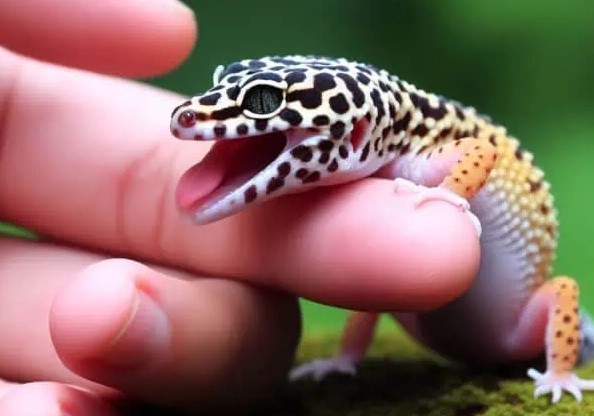
| Trait | Leopard Gecko | Poisonous Dart Frog | Venomous Snake |
|---|---|---|---|
| Defense Mechanism | Tail loss, camouflage, bite (pinch) | Toxic skin secretions | Injected venom via fangs |
| Risk to Humans | Negligible; minor pinch | High if toxins enter bloodstream | High; varies by species |
| Acquisition of Toxin | None | Dietary (alkaloids from insects) | Produced internally in glands |
The Real Safety Risks (It's Not What You Think)
Forget poison. The actual safety conversation around leopard geckos revolves around two things: bacteria and physical safety.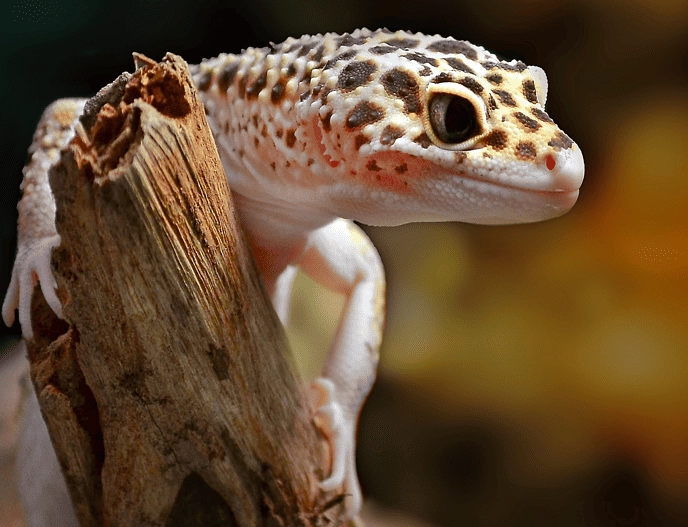
All animals, including humans, have bacteria in their mouths. Reptiles can naturally carry Salmonella in their digestive tracts. This doesn't make them sick, but it can be transmitted to humans through contact with feces or contaminated surfaces, and then from unwashed hands to the mouth.
The other major risk is to the gecko itself. A fall from even a few feet can cause severe internal injuries or broken bones. A child squeezing too hard can be catastrophic. The safety protocol is about protecting them as much as it is about protecting you.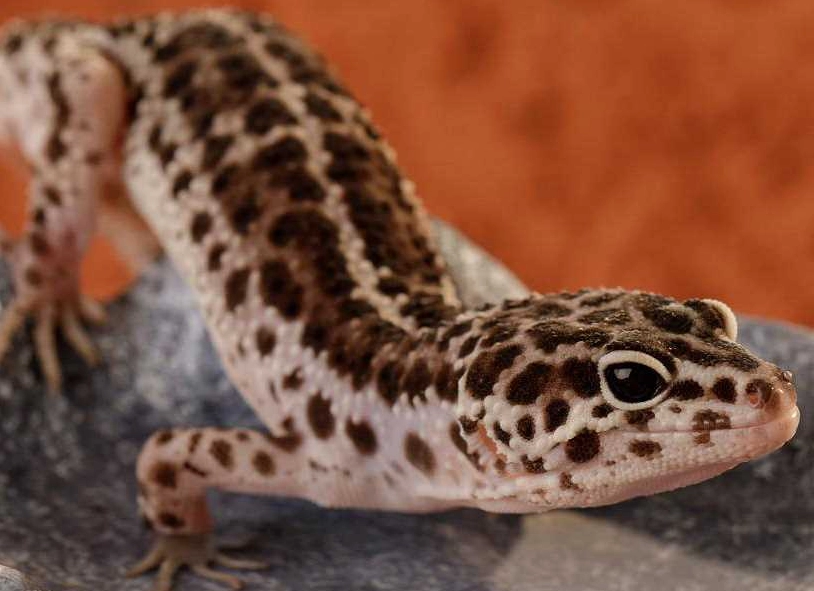
The One Scenario Where "Danger" is a Factor
If a bite does break the skin and isn't cleaned properly, you risk a bacterial infection. This isn't "gecko venom," it's a standard infection risk from any small puncture wound. Wash immediately with soap and warm water, apply an antiseptic, and monitor it. See a doctor if signs of infection (redness, swelling, pus) appear – not because it's a special reptile bite, but because it's a wound that got dirty.
A Practical Guide to Safe Handling
Safety is about practice, not paranoia. Here’s how to interact with your leopard gecko confidently.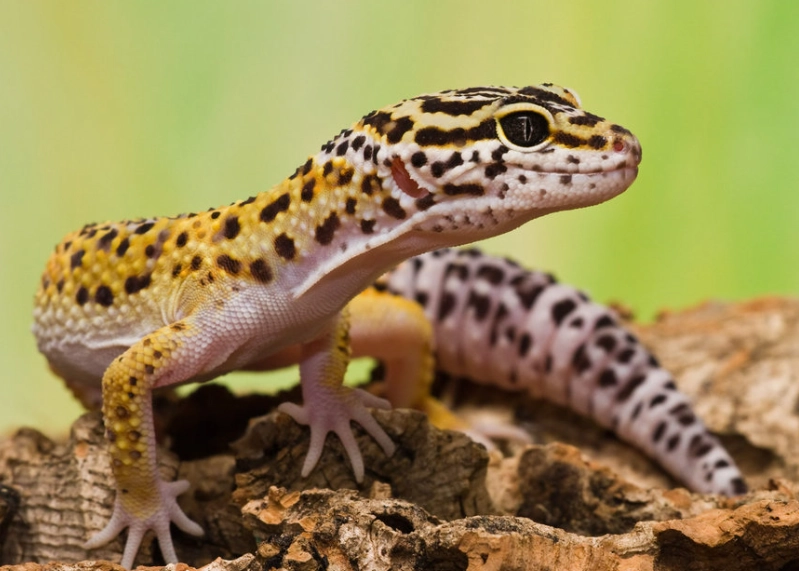
Before You Even Touch Them:
Wash your hands with soap and water. This removes lotions, food smells (your finger shouldn't smell like lunch), and protects your gecko from your bacteria.
The Approach:
Move slowly. Don't swoop from above like a predator. Slide your hand gently under their chest and front legs. Let them walk onto your hand. Support their entire body and tail. Never grab or pick them up by the tail.
During Handling:
Keep sessions short (5-15 minutes), especially for new geckos. Sit close to the ground or over a soft surface like a bed or couch. This minimizes fall risk. Watch their body language. If they seem stressed (fast breathing, trying to jump), it's time to put them back.
The Golden Rule After:
Wash your hands again with soap and water. Every single time. This simple step eliminates the vast majority of any zoonotic disease risk. Also, clean any surfaces they walked on if you had them out of the tank.
I made a mistake early on. I'd handle my gecko, then answer my phone or type on my keyboard. I wasn't thinking. Now, I treat handling like a mini ritual: wash hands, interact, return gecko, wash hands thoroughly. It becomes second nature.
Your Questions, Answered
Let's tackle the specific, gritty questions that pop up in forums and vet offices.
So, the next time someone asks you if your leopard gecko is poisonous, you can give them the confident, full answer. No, they are physically incapable of it. The real story is about being a responsible owner—practicing good hygiene, handling with care, and appreciating them for what they are: fascinating, gentle, and completely toxin-free companions.
Reader Comments