Quick Guide
- What Exactly Is a Gray Tree Frog?
- Where Do Gray Tree Frogs Live? (Hint: Maybe Your Yard)
- The Sound of Summer: Gray Tree Frog Calls
- From Egg to Frog: The Lifecycle
- What's on the Menu? (Diet and Hunting)
- Considering a Gray Tree Frog as a Pet?
- Attracting Gray Tree Frogs to Your Garden
- Common Gray Tree Frog Questions (Answered)
- Final Thoughts
You've probably heard them on a warm summer night. That short, melodic trill coming from the trees. But have you ever actually seen one? The gray tree frog is a bit of a celebrity in the amphibian world, known for its looks and its voice, yet it remains incredibly elusive. I spent years hearing them before I finally spotted my first one clinging to a window screen, looking more like a lump of lichen than a living creature.
It was a moment of pure magic. This tiny frog, no bigger than a walnut, had perfected the art of hiding in plain sight. That experience kicked off a years-long fascination. This guide is everything I wish I'd known back then – a deep dive into the life of the gray tree frog, from its science to its sounds, and even what it's like to care for one (though I'll be honest, that comes with a few headaches).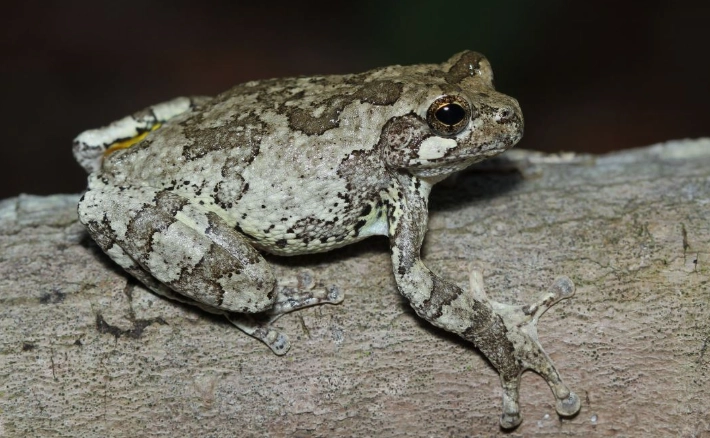
What Exactly Is a Gray Tree Frog?
Let's clear something up first. When people say "gray tree frog," they're usually talking about one of two nearly identical species found across eastern North America: the Hyla versicolor (Eastern Gray Treefrog) and the Hyla chrysoscelis (Cope's Gray Treefrog). To the naked eye, they're twins. The main difference? Their chromosomes and their calls. H. versicolor has double the chromosomes and a slower, more melodic trill. H. chrysoscelis has a faster, harsher, more rattling call.
Unless you're a biologist with genetic testing equipment, you'll likely just call them all gray tree frogs, and that's perfectly fine. Their behavior, looks, and habitat are virtually the same. They're part of the treefrog family, Hylidae, which means they have those classic sticky toe pads perfect for climbing glass, siding, and leaves.
The Art of Changing Colors
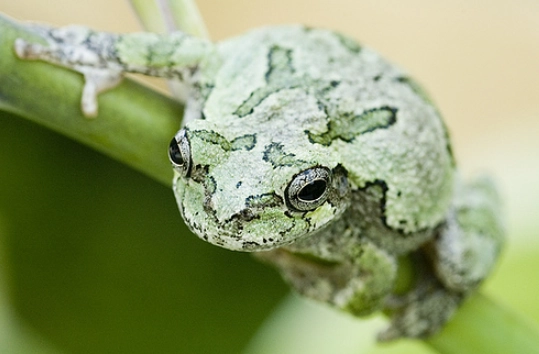
Their scientific name versicolor is a big clue. It means "variously colored." A single gray tree frog can shift its skin color based on its surroundings, temperature, and mood. I've seen the same individual go from a mottled gray (perfect for tree bark) to a startling green (ideal for a broad leaf) in a matter of hours.
It's not an instant chameleon-like change, but it's incredibly effective for camouflage. They can also show patterns of black, green, or brown. The texture of their skin helps too – it's slightly bumpy, mimicking lichen or moss. This isn't just a cool party trick; it's a survival strategy that keeps them hidden from birds, snakes, and raccoons.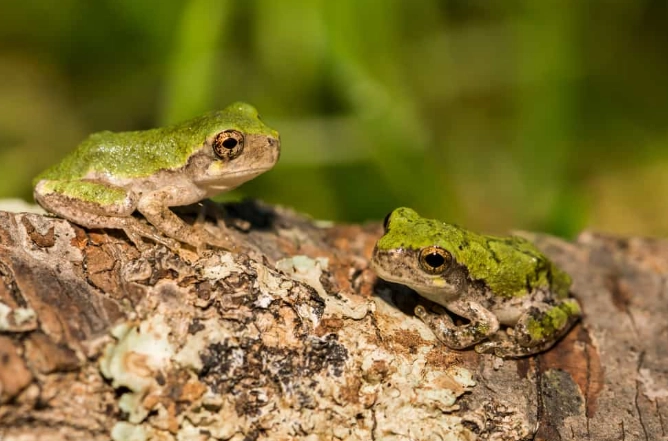
Where Do Gray Tree Frogs Live? (Hint: Maybe Your Yard)
You don't need to trek into a deep wilderness to find these frogs. They're habitat generalists, which is a fancy way of saying they're not too picky. Their range covers most of the eastern United States and parts of southeastern Canada. They need just a few key things:
- Woodlands: Forests, wooded swamps, and even your suburban backyard with plenty of trees and shrubs.
- Water for Breeding: Temporary or permanent ponds, swamps, marshes, or even large, rain-filled ditches. They avoid fish-filled lakes because fish eat their eggs and tadpoles.
- Climbing Structures: Trees, tall plants, fences, and even house walls. They are arboreal, meaning they live off the ground.
In the summer, they often wander far from water, hunting in gardens and forests. I've found them on my porch light (attracted by the bugs), inside my mailbox (a dark, damp hide), and once, memorably, stuck to my kitchen window. They're more common in suburbia than most people realize because our yards often provide a perfect mix of shelter, food, and breeding sites.
Come winter, the gray tree frog performs one of the most incredible feats in the animal kingdom. It doesn't burrow deep underground like a toad. Instead, it hibernates on the forest floor, tucked under leaf litter, bark, or logs. Here's the mind-blowing part: it allows itself to freeze solid.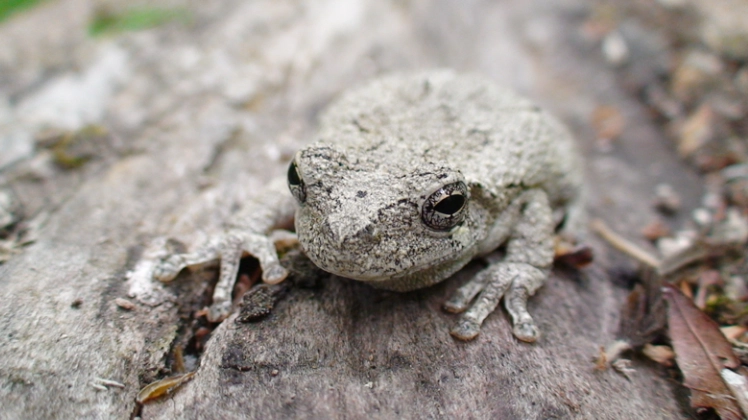
The Sound of Summer: Gray Tree Frog Calls
This is how most people know them. The call of the gray tree frog is the soundtrack to humid evenings from spring to late summer. It's a short, musical trill, usually lasting 1-3 seconds, repeated every few seconds. People often describe it as a pleasant, bird-like sound.
But why do they call? It's all about romance. Males climb into shrubs and trees near a breeding pond and sing to attract females. A large chorus on a warm, rainy night is a sign that breeding is in full swing. The call is also a "keep out" signal to other males. If you want to hear the difference between the two species, the University of Michigan's Animal Diversity Web has excellent audio recordings. The Cope's call is noticeably faster and buzzier.
From Egg to Frog: The Lifecycle
The life of a gray tree frog is a dramatic transformation. It starts when a female, attracted by a male's call, approaches the breeding pond. After mating, she lays small clusters of eggs—maybe 30 to 40 at a time—attached to vegetation just below the water's surface. A single female can lay over 1,000 eggs in a season.
Here’s a breakdown of what happens next:
| Stage | Duration | What's Happening & Key Features |
|---|---|---|
| Eggs | 3-7 days | Small, dark eggs in jelly-like clusters attached to plants. Vulnerable to predators like fish, insects, and leeches. |
| Tadpole | 6-8 weeks | The aquatic phase. They have gills, a tail, and are omnivorous, eating algae and detritus. They are a dark, mottled color, often with a metallic gold or bronze sheen on the belly—a great way to ID them. |
| Metamorphosis | A few days | The dramatic change! Legs develop, the tail is absorbed, lungs replace gills, and the body reshapes for land life. This is a highly stressful and dangerous period. |
| Froglet | Several months to 2 years | A tiny, perfect frog. It leaves the water and lives in moist, leafy areas. It takes about two years to reach full sexual maturity. |
The tadpole stage is a race against time, especially in temporary ponds that might dry up. Predation is huge. Honestly, it's amazing any survive at all. That's why they lay so many eggs—it's a numbers game.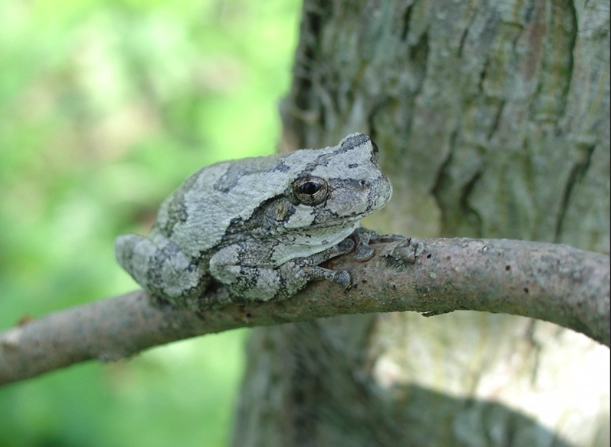
What's on the Menu? (Diet and Hunting)
Gray tree frogs are sit-and-wait predators. They don't chase food. They find a good perch, often near a light source, and wait for an unsuspecting insect to wander by. Then—snap!—out goes that incredibly fast, sticky tongue.
Their diet is almost exclusively carnivorous and includes:
- Moths, flies, and mosquitoes (a huge benefit to us!)
- Crickets and grasshoppers
- Beetles
- Spiders
- Smaller insects of almost any kind
They are excellent natural pest control. Having a few gray tree frogs around your garden can significantly cut down on the number of bothersome bugs.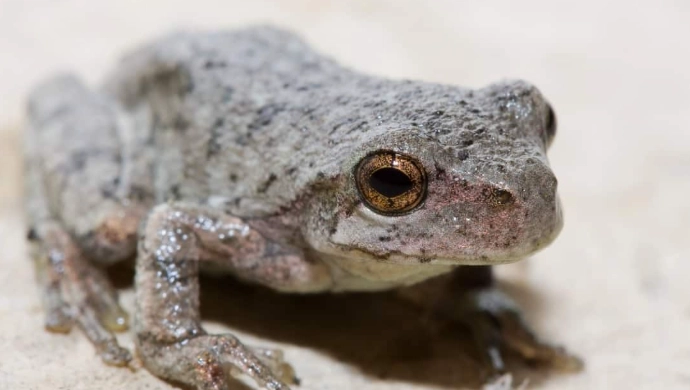
Considering a Gray Tree Frog as a Pet?
This is where I have to give some honest, and maybe unpopular, advice. I've kept gray tree frogs before. They are fascinating, beautiful creatures. Watching them hunt and change color is a joy. But.
They are not the easiest or most handleable pets. They are small, fast, and fragile. They stress easily. Their care is more specialized than many beginner reptile and amphibian guides let on. If you're still determined, here's the real-world setup you need, not just the textbook minimum.
The Non-Negotiable Enclosure
A single gray tree frog needs a tall tank, not a long one. A 18x18x24 inch tall terrarium is a good starting point for 1-2 frogs. They climb, so height is more important than floor space. It must be securely lidded—they are escape artists.
Substrate: Something that holds moisture but doesn't mold easily. Coconut fiber or a bioactive mix is great. Avoid gravel or anything they could accidentally swallow.
Climbing & Hiding: This is critical. Fill the space with branches, cork bark, and live or artificial plants (like Pothos or Philodendron). They need plenty of vertical and horizontal perches and tight, dark places to hide during the day.
Water: A large, shallow water dish for soaking. The water must be dechlorinated (use a reptile/amphibian water conditioner). Change it daily.
Humidity & Temperature: This is the tricky part. They need moderate to high humidity (50-70%), achieved by misting the tank daily with dechlorinated water. But it also needs good ventilation to prevent stagnant, moldy air. Temperature should be around 70-75°F (21-24°C) during the day, with a slight drop at night. Avoid heat lamps directly overhead; they can overheat and dehydrate the frog. Under-tank heaters or low-wattage heat pads on the side of the tank are safer.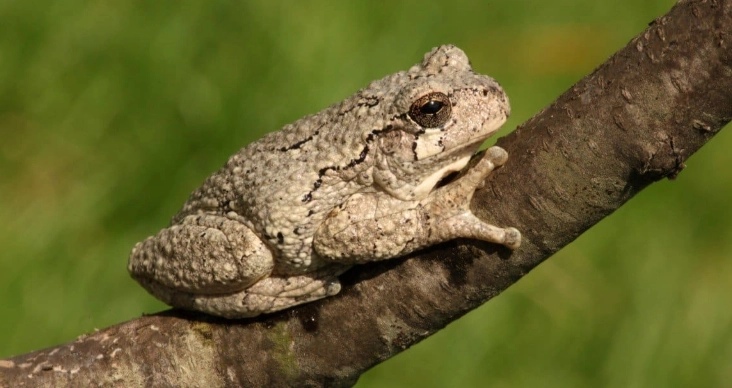
Feeding Your Pet Gray Tree Frog
In captivity, their diet is primarily gut-loaded crickets (crickets fed nutritious food before being offered to the frog). You can also offer flightless fruit flies, small mealworms, and waxworms (as a rare treat).
Dusting is mandatory. You must lightly dust their food with a high-quality calcium + D3 supplement a few times a week, and a multivitamin once a week. Metabolic bone disease is a common and fatal issue in pet amphibians caused by poor nutrition.
They are nocturnal feeders, so offer food in the evening. Remove uneaten insects by morning.
The Ethical Side & Legalities
Never take a gray tree frog from the wild to keep as a pet. It's stressful for the animal, disrupts local ecosystems, and is often illegal without a permit. Always seek out a reputable breeder. Also, check your state and local laws. Some areas have restrictions on keeping native wildlife.
My personal view? They are wonderful to observe, but they are not "cuddly" pets. They require a significant commitment to create and maintain the right environment. If you're not ready for daily misting, careful temperature monitoring, and live insect care, a gray tree frog is not the pet for you.
Attracting Gray Tree Frogs to Your Garden
This is the best way to enjoy these creatures, in my opinion. Instead of bringing one inside, make your yard a welcoming place for them. It's easier than you think and hugely rewarding.
- Provide Water: The biggest draw. A small, fish-free garden pond is perfect. Even a large, shallow container sunk into the ground can work. Ensure it has shallow edges and some emergent plants (like rushes or water iris) for egg-laying and tadpole habitat.
- Go Pesticide-Free: Chemicals kill their food (insects) and can poison the frogs directly through their permeable skin. If you want frogs, you need bugs.
- Create Shelter: Leave leaf litter under trees and shrubs. Stack some logs or rocks in a damp, shady spot. Let a part of your yard grow a little wild.
- Add Night Lighting: An outdoor light on an exterior wall will attract moths and other insects, which in turn will attract hungry gray tree frogs. It's like running a all-night diner for them.
I stopped using insecticides and put in a small pond. Within two years, I went from never seeing a gray tree frog to having a small breeding population. The chorus on summer nights is incredible.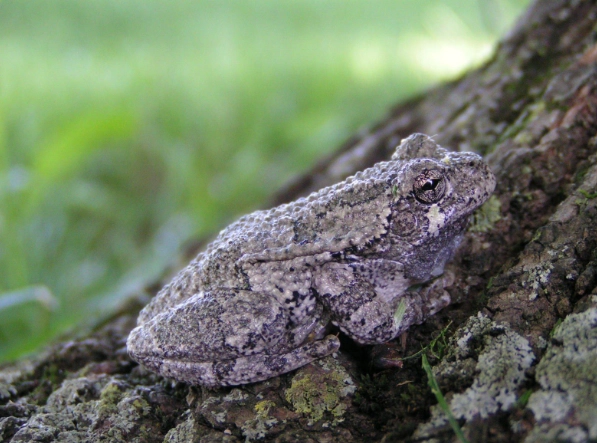
Common Gray Tree Frog Questions (Answered)
Final Thoughts
The gray tree frog is more than just a gray blob on a tree. It's a frozen survivor, a color-changing artist, and the voice of a summer night. Whether you're listening for its call, building a pond to attract it, or carefully setting up a terrarium, this little frog offers a direct connection to a fascinating part of the natural world.
My biggest takeaway after all these years? Sometimes the most extraordinary things are right outside your door, camouflaged, waiting to be noticed. Just listen for the trill.
Reader Comments