Picture a leopard gecko in your mind. You probably see it in a tidy terrarium, maybe munching on a cricket. Now, erase that. Let's transport it back home—to the rocky, arid grasslands and deserts of Afghanistan, Pakistan, and parts of India. Here, the dinner menu isn't handed out in a cup. It's a matter of survival, and it's far more fascinating and varied than most pet owners realize. Understanding the leopard gecko wild diet isn't just trivia; it's the master blueprint for keeping your pet thriving, not just surviving. I've seen too many geckos with brittle bones and dull eyes from a diet stuck in a rut. The wild diet holds the secrets to fixing that.
What's Inside This Guide
What Do Leopard Geckos Actually Eat in the Wild?
Let's get the obvious out of the way: they are strict, dedicated insectivores. No salads. But "insects" is a painfully broad term. In captivity, we often default to crickets and mealworms. In the wild, a gecko is an opportunistic gourmet of anything that crawls, scuttles, and fits in its mouth.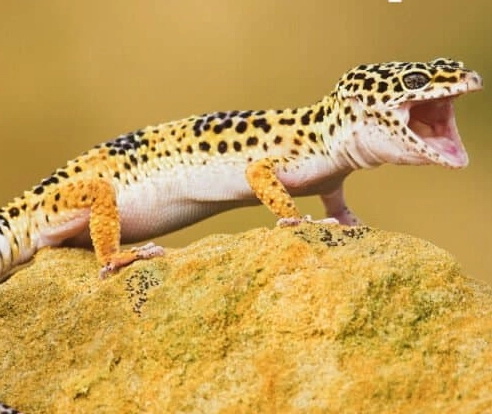
The staple prey forms the bulk of their calories. Think of these as their daily bread.
Staple Prey: The Everyday Workhorses
These are the abundant, ground-dwelling bugs. Beetles and their larvae (like small grubs) are a major hit, packed with protein and chitin. Ants and termites are like protein-packed snacks scattered everywhere. Small crickets and grasshoppers provide a good leap of nutrition. You'll also find various caterpillars and fly larvae. The key here is exoskeleton diversity. Different bugs have different levels of chitin, which aids digestion and provides fiber—something pure, soft-bodied larvae lack.
Occasional Treats: The Fatty Rewards
Not every night is a lean night. When they can catch them, fattier insects provide crucial energy reserves. Moth pupae, waxworms (the larvae of wax moths), and even small spiders fall into this category. These are the equivalent of a rich dessert—high in fat, consumed less frequently, but important for putting on weight, especially before drier, leaner seasons.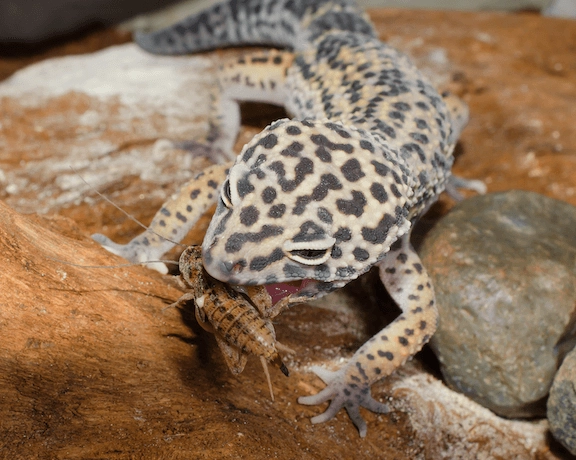
A Note on Nutrition: The beauty of this variety isn't just in avoiding boredom. Each insect type brings a different nutritional profile—varying ratios of protein, fat, calcium, phosphorus, and trace minerals. A gecko eating only one type of bug is like a human eating only chicken breast every single day. You'll get protein, but you'll miss out on everything else.
| Prey Type (Wild) | Nutritional Role | Pet-Keeper Equivalent |
|---|---|---|
| Beetles & Larvae | High protein, good chitin for digestion | Small dubia roaches, black soldier fly larvae |
| Ants & Termites | Protein, variety of exoskeletons | Difficult to replicate; emphasizes need for prey diversity |
| Crickets & Grasshoppers | Lean protein, active prey stimulates hunting | Crickets, locusts |
| Moth Larvae/Pupae | High fat for energy reserves | Waxworms, butterworms (as rare treats) |
Beyond Bugs: The Surprising Extras in a Wild Gecko's Diet
This is where it gets interesting and where most pet guides stop. A leopard gecko's natural habitat food intake isn't 100% pure animal protein.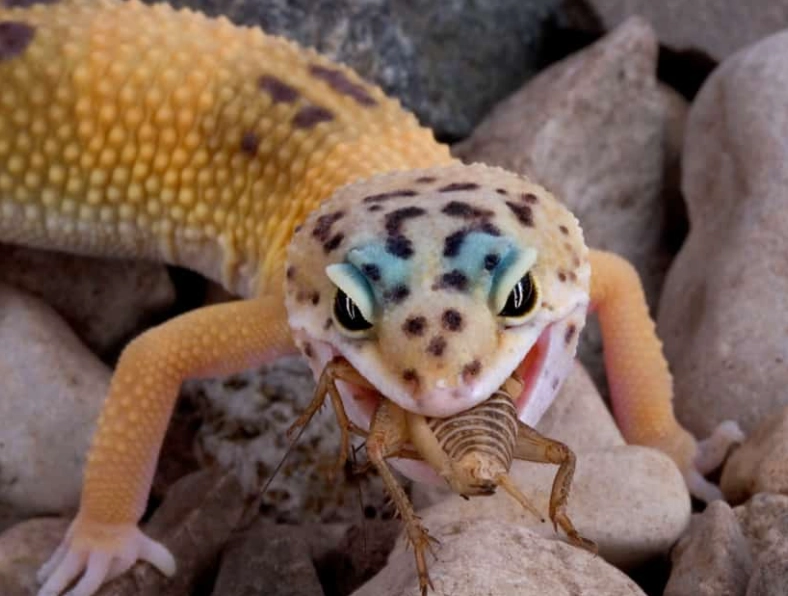
First, there's the matter of gut content. A gecko eating a grasshopper that just gorged on leafy greens is indirectly consuming plant matter. Those greens are pre-digested by the insect, making the nutrients bioavailable to the gecko. This is a critical, often overlooked, channel for micronutrients.
Second, and more contentious, is direct incidental consumption. In peer-reviewed observations, like those noted in herpetological field studies, leopard geckos have been seen occasionally nibbling on soft fruits, succulent leaves, or even their own shed skin for extra calcium. It's not a dietary pillar, but it happens. The arid environments they hail from have brief seasonal blooms or moisture that can make such items available. This isn't a recommendation to feed fruit—their digestive systems aren't built for it—but it highlights their opportunistic nature.
Seasonality dictates everything. During the hot, dry months, prey is scarcer. Geckos may eat less frequently and rely on fat stores. After rains, there's an explosion of insect life. Their feeding frequency and body condition fluctuate with these cycles, something our constantly-fed pets never experience.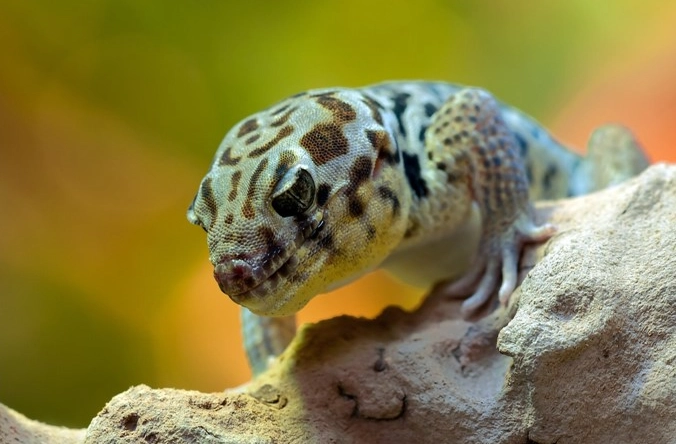
Why the Wild Diet Matters for Your Pet: It's Not Just Food, It's Medicine
So you have a pet gecko. Why should you care about beetles in Afghanistan? Because the common health problems I see in captive leopard geckos are almost always linked to dietary simplification.
Metabolic Bone Disease (MBD) is the big one. In the wild, geckos get calcium from a multitude of sources: the bones and exoskeletons of diverse prey, calcium-rich soil they might accidentally ingest, even that occasional lick of a mineral deposit. In captivity, if we only feed low-calcium insects like crickets without proper dusting, we create a severe deficiency. The gecko's body leaches calcium from its own bones, leading to deformities, paralysis, and a painful life.
The variety also supports a robust immune system and efficient digestion. Different insects have different gut flora. By consuming a range, the gecko likely maintains a healthier gut microbiome. A monoculture diet of mealworms can lead to impaction and lethargy.
Then there's behavioral health. Hunting a variety of prey—some fast, some slow, some that burrow—provides mental stimulation. A gecko that only eats mealworms from a dish is missing out on a fundamental part of its behavioral repertoire.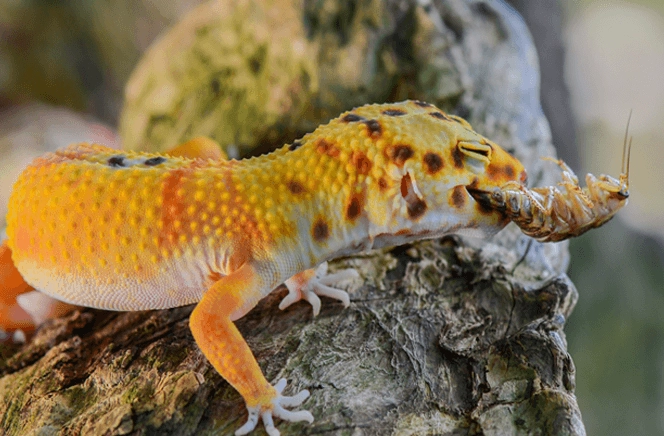
The Biggest Mistake I See: Owners find one insect their gecko "loves" (usually mealworms or waxworms) and feed it exclusively. This is the equivalent of raising a kid on nothing but french fries and chicken nuggets. Convenient, yes. A path to nutritional disaster, absolutely.
How to Replicate the Wild Diet at Home (The Practical Guide)
You can't go catch Afghan beetles. But you can absolutely mimic the nutritional principles. The goal is variety, balance, and nutrient density.
1. Create a Diverse Insect Roster
Rotate through these staples. Don't buy in bulk and feed one type for months.
- Primary Staples: Dubia roaches, discoid roaches, crickets.
- Excellent Secondary Staples: Black soldier fly larvae (nutrionally superb, high calcium), silkworms.
- Occasional Treats (once a week or less): Waxworms, butterworms, hornworms.
- To Avoid as Staples: Mealworms and superworms. They're high in fat and chitin relative to nutrients. Fine as a minor part of a rotation, terrible as a main food.
2. Master Gut Loading - This is Non-Negotiable
This is how you mimic the gecko eating a bug that just ate greens. For 24-48 hours before feeding them to your gecko, feed your insects a high-quality diet. I use a mix of organic sweet potato, carrots, collard greens, dandelion greens, and a commercial gut load formula. A well-fed insect is a multivitamin with legs. A starving insect is an empty shell.
3. Supplement Strategically
Even with perfect gut loading, supplementation fills the gaps. Use a pure calcium powder (without D3) lightly dusted on most feedings. Then, 1-2 times a week, use a high-quality calcium with D3 and multivitamin powder (containing vitamin A). The schedule depends on your UVB lighting setup, but when in doubt, the pure calcium should be the most frequent dusting.
4. Encourage Natural Hunting Behaviors
Ditch the food bowl sometimes. Use feeding tongs to wiggle prey. Release crickets or roaches into the enclosure (remove uneaten ones later) to let your gecko stalk. This provides exercise and mental engagement straight from the leopard gecko natural habitat playbook.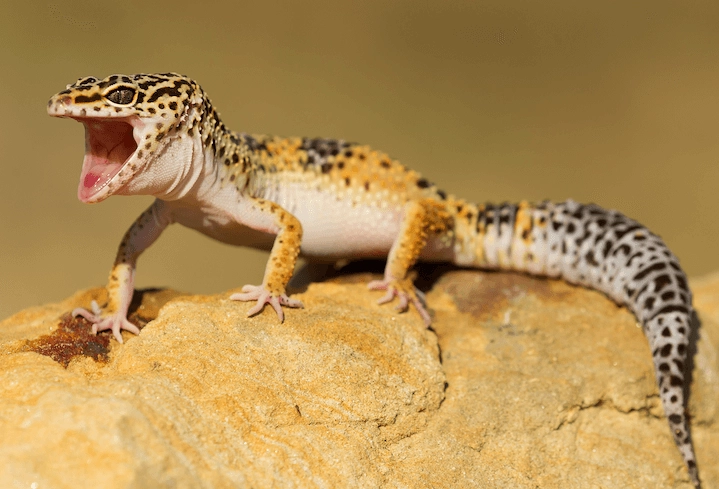
Your Wild Diet Questions Answered
Looking at your gecko through the lens of its wild diet changes everything. It's not a picky eater in a box; it's a finely-tuned desert survivor. Your job isn't to replicate Afghanistan in a tank, but to translate the core nutritional and behavioral principles of that harsh, beautiful landscape into your care routine. Offer variety, feed the feeders, supplement wisely, and encourage the hunt. Do that, and you'll see the difference—not just in their physical health, but in the alert, engaged spark in their eyes. That's the real reward.
Reader Comments