Quick Navigation
- Unraveling the History: From African Lion Hunter to Modern Guardian
- The Razorback Ridgeback Temperament: Noble, Stubborn, and Devoted
- The Physical Look: Breaking Down the "Razorback" Build
- Living with a Razorback Ridgeback: Daily Reality Check
- Is the Razorback Ridgeback the Right Dog for You? A Final Checklist
Let's get this out of the way first. If you're searching for "Razorback Ridgeback," you're probably a bit confused, and honestly, I was too when I first dug into this. You see, there isn't a formally recognized dog breed called the "Razorback Ridgeback" by major kennel clubs like the American Kennel Club (AKC) or the The Kennel Club (UK). The name is often a mix-up, a regional nickname, or sometimes used by breeders to describe a specific line or type of the well-known Rhodesian Ridgeback that might be particularly large, lean, or have a more pronounced ridge.
Think of it like this: someone might call a particularly muscular German Shepherd a "Tank Shepherd." It's descriptive, but it's not a new breed. The core breed we're talking about is the Rhodesian Ridgeback, a magnificent dog from Southern Africa with that iconic stripe of backward-growing hair along its spine—the "ridge." The "Razorback" part seems to emphasize a lean, athletic build, perhaps reminiscent of a razorback hog, implying a dog that's all hard muscle and sinew. It sounds cool, I'll give it that. But it's crucial to understand you're essentially looking at a Rhodesian Ridgeback, possibly from working or hunting lines that haven't been softened by show breeding.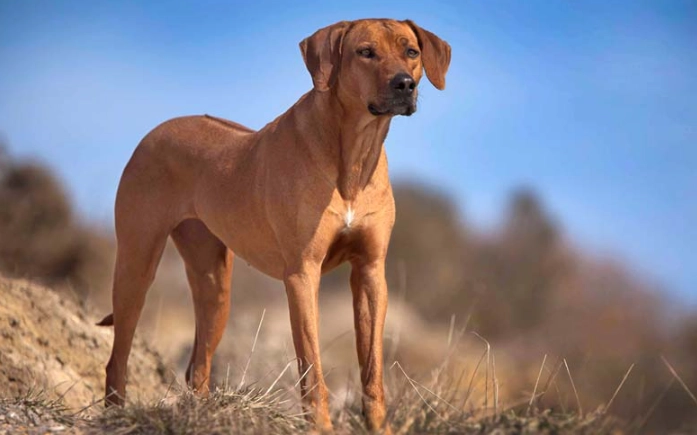
Unraveling the History: From African Lion Hunter to Modern Guardian
To understand any "Razorback" version, you have to go back to the roots. The Rhodesian Ridgeback's history is incredible. European settlers in what is now Zimbabwe (formerly Rhodesia) needed a versatile hunting dog that could withstand the brutal African heat, go long distances without water, and be brave enough to corner big game—including lions. They didn't create the breed from scratch. They took hardy, ridge-backed dogs from the indigenous Khoikhoi people and crossed them with breeds like Mastiffs, Great Danes, Greyhounds, and various terriers. The result was the "African Lion Dog," a relentless hunter that used its speed and pack mentality to harass and hold lions at bay until the hunter arrived.
That legacy is burned into the DNA of every Ridgeback, including any dubbed a "Razorback." This isn't a dog created for companionship first. It was forged for endurance, intelligence, independence, and immense courage. When you see a lean, powerful Ridgeback with an intense gaze, that's the "Razorback" image—the lion hunter staring back at you. The first Ridgeback breed standard was approved in Southern Africa in 1922, and the breed was officially recognized by the AKC in 1955.
So, where does "Razorback" fit in? It's informal. Some enthusiasts use it to describe dogs that hew closer to that original, leaner, more functional lion-hunting physique, as opposed to the sometimes bulkier, more massive show-line dogs you might see in the ring today. It's a nod to the breed's raw, untamed origins.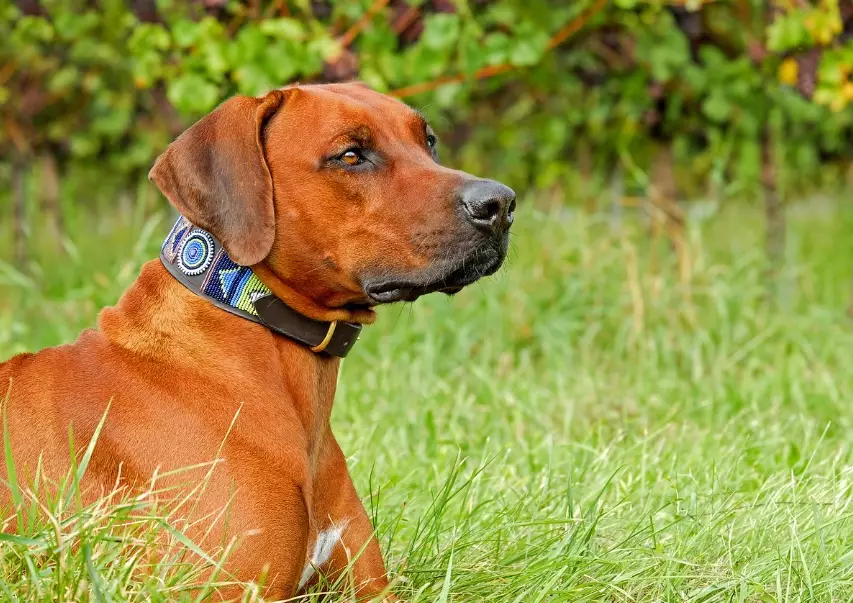
The Razorback Ridgeback Temperament: Noble, Stubborn, and Devoted
Okay, let's talk personality because this is where many people get it wrong. If you're drawn by the tough "Razorback" name imagining a mindless guard beast, you're in for a surprise. This is a thinking man's dog.
A Ridgeback is profoundly loyal, intelligent, and possesses a subtle sense of humor. They are reserved with strangers, but rarely aggressive without cause. They assess situations. In my experience with the breed, they don't bark much. They give a low, serious warning growl that means business. They are incredibly affectionate with their family, often forming a deep, almost silent bond with one particular person. They can be clownish and silly in private.
But here's the big catch, the part that makes them unsuitable for novice owners: their independence and stubbornness. Bred to think for themselves miles away from their hunter-owner while facing a lion, they are not biddable like a Golden Retriever. They will question your commands. They get bored with repetitive training. They have a strong prey drive—squirrels, cats, deer are all fair game. And they are powerful. A 90-pound dog that decides it doesn't want to come inside is a real problem.
With other dogs, they can be selective. Early and ongoing socialization is non-negotiable. With children in their own family, they are usually patient and protective, but their size and energy mean interactions with young kids should always be supervised. They are not naturally "nanny" dogs.
The Physical Look: Breaking Down the "Razorback" Build
What might make someone call a particular Ridgeback a "Razorback"? Let's break down the breed standard and see where the emphasis might lie.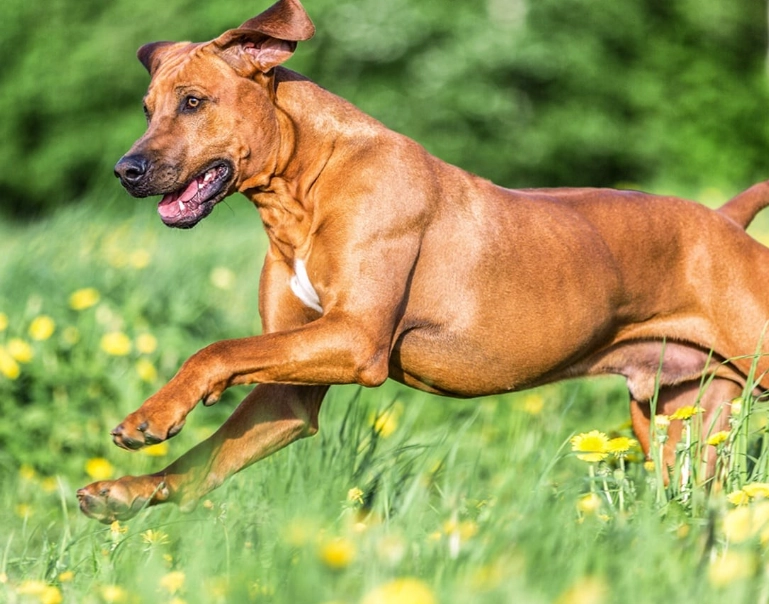
The Signature Ridge
This is the non-negotiable feature. The ridge must be clearly defined, tapering, and symmetrical. It should contain two identical crowns (whorls of hair) opposite each other. A faulty ridge is a major disqualification in the show ring. The "Razorback" ridge might be exceptionally clean and pronounced.
The Athletic Frame
The official standard calls for a dog that is "strong, muscular, and active," appearing "balanced and symmetrical." The ideal is athletic, not bulky. The "Razorback" ideal likely leans even harder into this. Think a marathon runner's build versus a powerlifter's. A deep chest for lung capacity, well-sprung ribs, a level back, and powerful, driving hindquarters. The overall impression is of a dog capable of great speed and endurance.
Size and Proportions
Males typically stand 25-27 inches at the shoulder and weigh 85-90 lbs. Females are 24-26 inches and 70-75 lbs. A "Razorback" might sit at the taller, leaner end of this scale, carrying less body fat and appearing more "wiry" or "rangy" than a typical show dog.
Head, Expression, and Coat
The head is broad and flat between the ears, with a defined stop. The expression is intelligent and alert. The coat is short, dense, and sleek, lying close to the body. It comes in light wheaten to red wheaten. A good Ridgeback coat has a gloss to it. The "Razorback" likely has a very tight, short coat that highlights its musculature.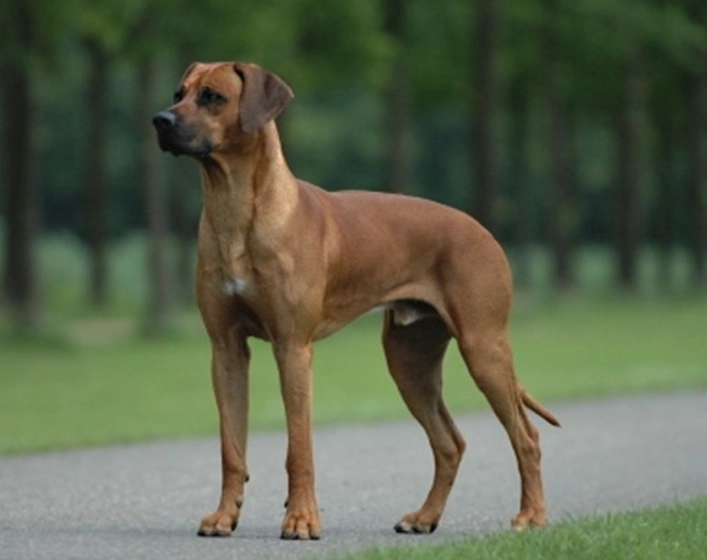
| Razorback Ridgeback (Rhodesian Ridgeback) At A Glance | |
|---|---|
| Pros for the Right Owner | Cons to Consider Seriously |
|
|
Living with a Razorback Ridgeback: Daily Reality Check
This isn't a dog you just feed and walk around the block. Living with a Ridgeback is a lifestyle commitment. Here’s what a typical day (and your life) needs to look like.
Exercise Needs: Not Just a Walk in the Park
Forget the 20-minute leash walk. A young or working-line Razorback Ridgeback needs at least 60-90 minutes of vigorous exercise daily. This isn't a suggestion; it's a requirement for mental sanity (yours and the dog's). Ideal activities include:
- Running or Jogging: They are fantastic running partners for long distances.
- Hiking: Their endurance and love for exploring make them perfect trail dogs (on a leash!).
- Secure Off-Leash Play: In a fully fenced area, letting them sprint is the best exercise.
- Canine Sports: Lure coursing, barn hunt, agility, or obedience—they need a job.
Without this outlet, they will become destructive, neurotic, and develop problem behaviors. A bored Ridgeback is a master of chaos.
Training Philosophy: Respect Over Dominance
You can't bully this dog into submission. Training must be based on mutual respect and positive reinforcement. They are highly food-motivated, which is your biggest tool. Keep sessions short, fun, and varied. Consistency is king. If you let them on the couch one day and yell at them the next, they will look at you with utter contempt and do what they want. Early puppy socialization classes and ongoing obedience training are mandatory investments.
Key commands to master early: Rock-solid recall (though never fully trusted off-leash near roads or wildlife), "leave it," and polite leash walking. Their power makes pulling a major issue if not corrected early.
Grooming and Care: The Easy Part
This is a breeze. A weekly rub-down with a rubber grooming mitt or hound glove removes dead hair and distributes skin oils. Baths are only needed a few times a year. Check ears weekly for dirt, trim nails regularly, and brush teeth. The main grooming focus is checking the ridge area for any skin issues or pimples, which they can be prone to.
Diet and Nutrition: Fuel for an Athlete
They need a high-quality diet formulated for large, active breeds. Be mindful of portions to prevent bloat, a serious condition deep-chested breeds are prone to. Feed two smaller meals a day instead of one large one, and avoid vigorous exercise right before or after eating. Consult your vet for the best plan.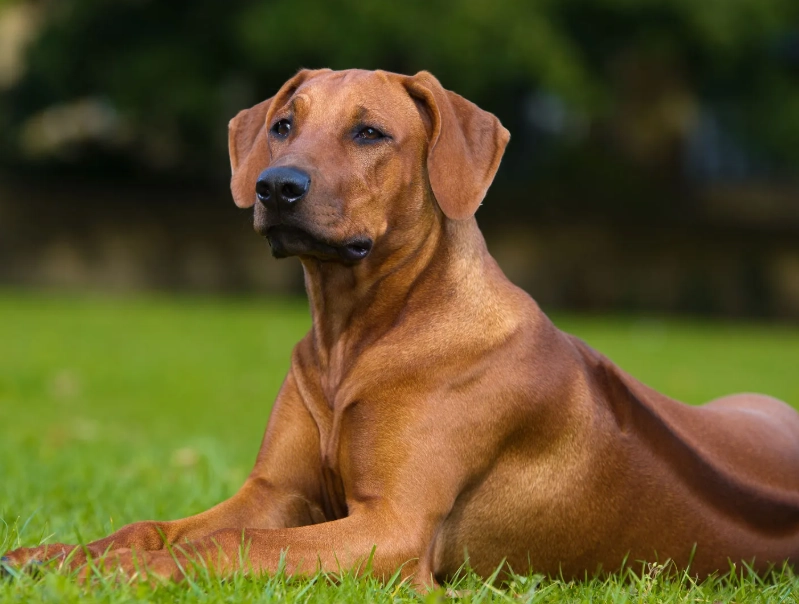
Common Questions About the Razorback Ridgeback
- Dermoid Sinus: A neural tube defect unique to ridge-backed breeds. Puppies should be vet-checked for this.
- Hip and Elbow Dysplasia: Common in large breeds. Ask breeders for Orthopedic Foundation for Animals (OFA) or PennHIP clearance certificates.
- Hypothyroidism and certain cancers (like degenerative myelopathy). Buying from a breeder who does genetic screening is crucial.
Is the Razorback Ridgeback the Right Dog for You? A Final Checklist
Let's be brutally honest. This breed isn't for everyone. Don't get one for the image. Get one if your lifestyle and personality are a perfect match. Ask yourself:
- Are you an active, outdoorsy person who can provide over an hour of hard exercise daily?
- Are you an experienced dog owner who understands how to lead with calm confidence, not force?
- Do you have a securely fenced yard (at least 6 feet tall, as they can jump)?
- Are you looking for a loyal, quiet guardian for your home, not a social butterfly?
- Can you afford potential vet bills for a large breed and invest in high-quality food, training, and insurance?
- Do you have the patience for a dog that thinks for itself and may obey on its own terms?
If you answered yes to all of these, then the magnificent Rhodesian Ridgeback—in all its forms, whether called a Razorback or not—might just be the most rewarding companion you'll ever have. You'll gain a quiet shadow, a fearless protector, and a noble friend with a history as wild and beautiful as the African veldt it came from.
But if you hesitated on any point, especially the ones about activity and experience, please listen to that hesitation. There are many wonderful breeds that would be a happier fit for you, and that would allow a Ridgeback to go to the home where it can truly thrive. The worst thing for a dog built for wide-open spaces and purpose is to end up under-stimulated and misunderstood in a home that can't meet its needs.
Do your research, meet the breed in person, talk to owners and breeders, and be honest with yourself. The right match makes all the difference.
Reader Comments