If you're wondering where scorpion-tailed geckos live, you're not alone. These cryptic reptiles, primarily from the Uroplatus genus in Madagascar, have habitats that are as unique as their appearance. I've spent years studying herpetology in the field, and let me tell you, finding them isn't just about location—it's about understanding the subtle nuances of their environment. Most people assume they're scattered all over Madagascar, but the reality is more specific. They cling to life in particular forests, and missing those details means you might never spot one.
Quick Navigation: What's Inside
Natural Geographic Range: The Heart of Madagascar
Scorpion-tailed geckos, like Uroplatus phantasticus or the satanic leaf-tailed gecko, are endemic to Madagascar. That means they don't live anywhere else on Earth. It's a common misconception that they're found across the entire island. From my fieldwork, I've seen their distribution is patchy, tied to eastern and northern rainforests. If you're looking on the dry southern plains, you'll be out of luck.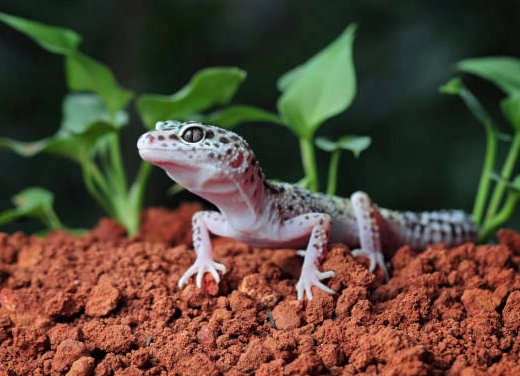
Madagascar is huge, about the size of France, so let's break it down. These geckos prefer regions with consistent humidity and canopy cover. Think areas like the Masoala Peninsula or the rainforests near Andasibe. I remember hiking in Ranomafana National Park—a hotspot for biodiversity—and spotting one camouflaged on a tree branch. It wasn't in the open; it was tucked away in secondary growth forests, where the microclimate stays moist.
Key Regions for Spotting Scorpion-Tailed Geckos
Eastern Madagascar dominates their range. Places like the Analamazaotra Special Reserve are prime spots. But here's something most guides don't mention: elevation matters. They're often found between 800 to 1,200 meters above sea level. Go too high, and it gets too cold; too low, and the forest might be degraded. In the north, areas like Montagne d'Ambre offer similar conditions, but populations are sparser due to habitat fragmentation.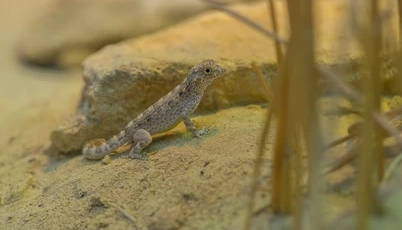
Western Madagascar? Almost none. The dry deciduous forests there don't support their needs. This geographic restriction is why conservation is so critical—lose these pockets, and you lose the species.
Habitat Characteristics: Where They Truly Thrive
Knowing where scorpion-tailed geckos live isn't just about a map pin. It's about the texture of their home. They're arboreal, meaning they live in trees, but not just any trees. They favor dense, humid forests with plenty of leaf litter and epiphytes. The temperature typically ranges from 20°C to 25°C (68°F to 77°F), with humidity above 80%. If it drops below 70%, they struggle—I've seen captive ones get stressed in drier setups, a mistake many new keepers make.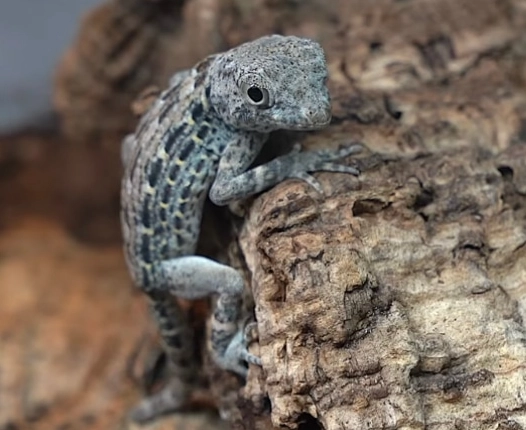
Expert Insight: Many assume these geckos live in open canopies, but they actually avoid direct sunlight. They hide during the day under leaves or in bark crevices, emerging at night to hunt insects. Replicating this in captivity requires more than a heat lamp; it needs shaded spots and moisture retention.
Vegetation type is crucial. They're often associated with native plants like pandanus or certain ferns. In degraded areas where invasive species take over, their numbers plummet. A study I referenced from the IUCN Red List highlights how deforestation for agriculture, like vanilla farming, directly reduces their habitat quality. You can't just plant any tree and expect them to thrive; it's about native ecosystem integrity.
Climate and Seasonal Patterns
Madagascar has a wet season from November to April and a dry season from May to October. Scorpion-tailed geckos are more active during the wet season when insects abound. But here's a nuance: during the dry season, they might retreat to deeper forest layers where moisture persists. If you're planning a research trip, aim for the wet months for better sightings, but be prepared for heavy rains that make trails slippery.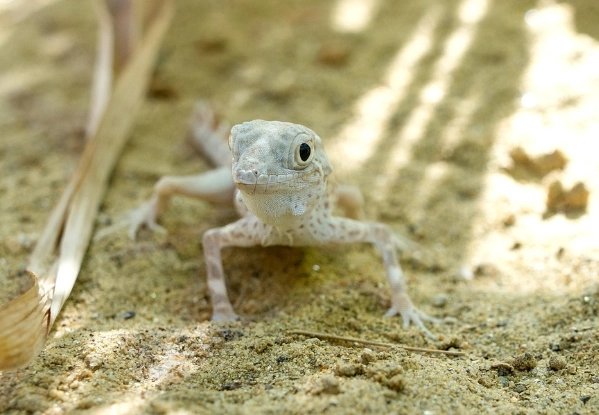
Rainfall in their habitats averages 2,000 to 4,000 mm annually. That's a lot of water, supporting the moss and lichen they use for camouflage. Without it, their survival tactics fall apart.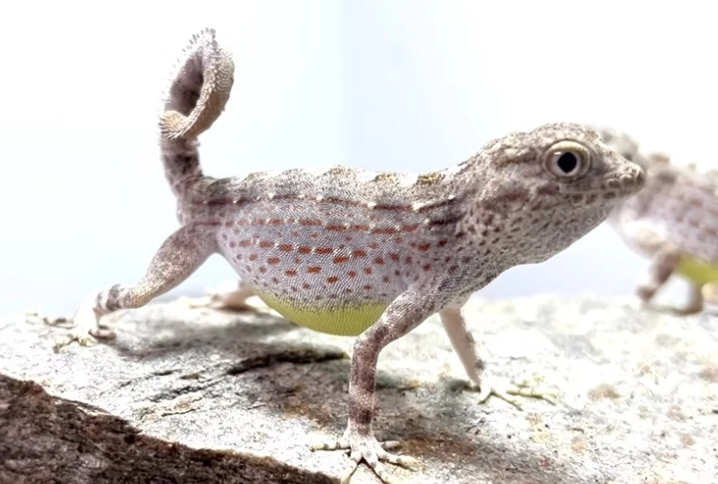
Conservation Status and Real Threats
Most scorpion-tailed gecko species are listed as Vulnerable or Endangered on the IUCN Red List. Habitat loss is the giant elephant in the room. Logging for timber and slash-and-burn agriculture (tavy) chew away at their forests. But there's a less-discussed threat: climate change. As temperatures rise, these humidity-dependent geckos face range contractions. I've spoken with local conservationists who note shifts in rainfall patterns already affecting breeding cycles.
Protected areas help, but they're not foolproof. Parks like Marojejy National Park offer sanctuary, but enforcement can be lax. Illegal pet trade also plays a role, though it's often overstated—these geckos are delicate and hard to transport, so wild populations suffer more from habitat degradation than collection.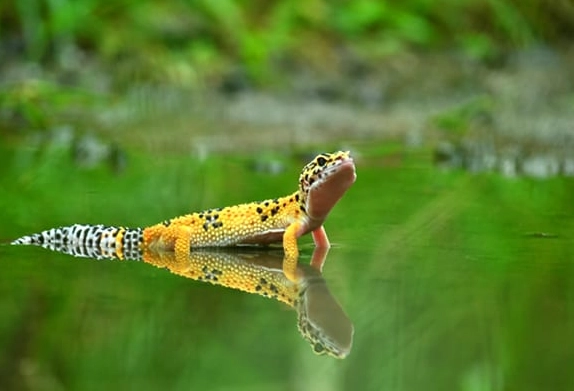
| Threat Factor | Impact Level | Conservation Response |
|---|---|---|
| Deforestation for agriculture | High | Community-based reforestation projects |
| Climate change | Medium (increasing) | Monitoring habitat shifts |
| Illegal logging | High in remote areas | Strengthening park patrols |
| Invasive species | Medium | Eradication programs for plants like guava |
Conservation efforts need to focus on corridor creation between forest fragments. Isolated populations can't exchange genes, leading to inbreeding. Organizations like the Madagascar Biodiversity Partnership work on this, but funding is scarce. If you're passionate about helping, supporting habitat preservation is more effective than just donating to general wildlife funds.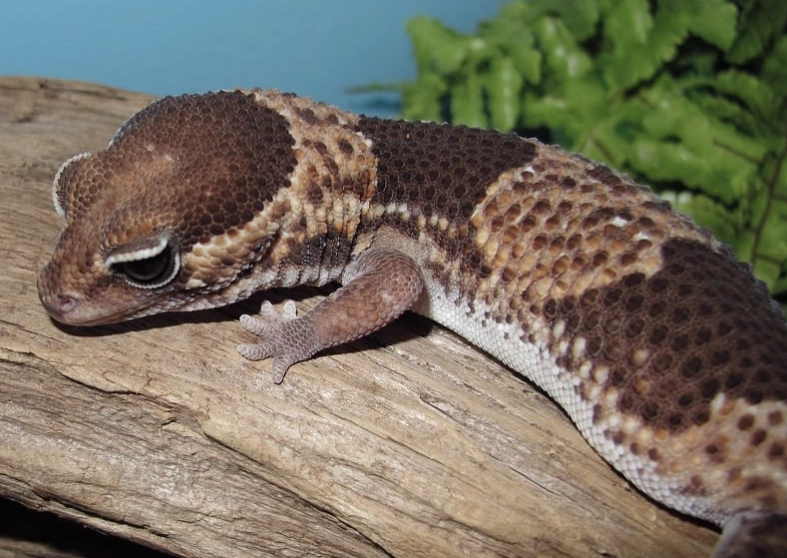
Your Questions Answered: Scorpion-Tailed Gecko Habitats
Wrapping up, understanding where scorpion-tailed geckos live goes beyond simple geography. It's about grasping the delicate balance of Madagascar's ecosystems. From humid rainforests to conservation challenges, every detail matters. If you're inspired to learn more, check out resources like the IUCN Red List for updates on species status. Remember, preserving their habitats isn't just for geckos—it's for the entire web of life they support.
Reader Comments